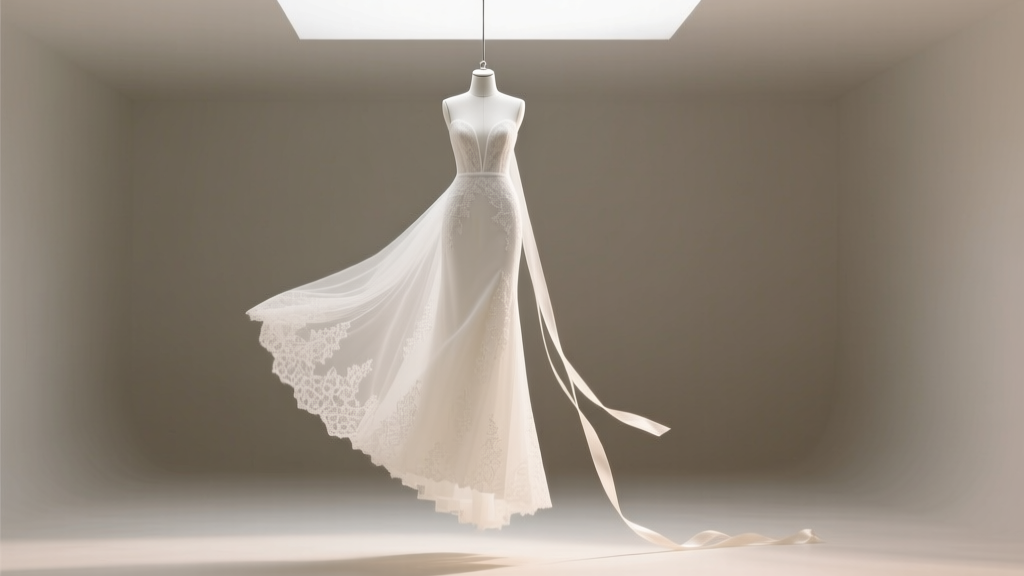
What Is the Proper Way to Handle Wedding Dress Preservation
What Is the Proper Way to Handle Wedding Dress Preservation?
After the cake is cut and the last dance is done, there’s one wedding detail many couples don’t think about until they’re staring at it the next morning: the dress. Whether it’s a designer gown, a vintage heirloom, or a modern made-to-order look, your wedding dress preservation plan matters because time, stains, and storage conditions can permanently change fabric.
If you’re wondering what the “proper” way is, you’re not alone. Couples today are balancing tradition (saving the gown forever) with modern realities (resale, rewearing, elopement wardrobes, smaller budgets, and sustainability). The good news: there’s a right approach for every goal—you just need to choose it intentionally.
Quick Answer: The Proper Way to Preserve a Wedding Dress
The proper way to handle wedding dress preservation is to have the gown professionally cleaned as soon as possible (ideally within 1–2 days, and no later than 1–2 weeks), then store it using archival, acid-free materials in a cool, dry, dark place. If your goal is long-term keepsake preservation, choose a cleaner who specializes in wedding gown preservation and offers archival boxing and documentation.
Q: Why does timing matter so much?
A: Many wedding-day stains don’t look obvious right away, but they oxidize and darken over time. Champagne, white wine, sugary frosting, sweat, perfume, and even invisible body oils can yellow fabric and weaken fibers—especially silk, lace, and tulle.
“The biggest mistake I see is waiting months because the dress ‘looks clean,’” says Mariana Patel, bridal alterations specialist and preservation consultant. “By the time the bride brings it in, the hemline has set-in dirt and the underarm areas have begun to discolor. Cleaning is still possible, but it’s harder—and sometimes it’s not fully reversible.”
Real-world example: Nina and Jacob got married in a garden venue, and Nina’s dress picked up light grass marks along the train. “I didn’t see them until our photos came back,” she says. “I dropped it at a preservation cleaner that week and they got everything out. I’m glad I didn’t wait.”
Q: What’s the difference between cleaning and preservation?
A: Cleaning removes stains and soil. Preservation includes cleaning, plus archival storage meant to slow yellowing and fabric breakdown over decades. A typical preservation package may include:
- Inspection and stain mapping (hems, bodice, underarms, bustle points)
- Professional cleaning with fabric-appropriate solvents
- Hand finishing, shaping, and protective tissue layering
- Archival boxing (acid-free box, acid-free tissue) or museum-grade garment bag
- Storage guidance and sometimes a guarantee against yellowing (read terms carefully)
One caution: not all “preservation boxes” are equal. The proper approach uses acid-free, lignin-free tissue, avoids plastic touching fabric long-term, and stores embellishments (beading, sequins) in a way that prevents imprinting or snagging.
Q: Should I preserve my dress if I might sell it?
A: It depends on your resale timeline and the platform you plan to use. If you’re listing quickly (within a few months), a professional cleaning is usually enough—and often preferred—because buyers like seeing the gown unboxed and photographed.
If you want to store it for a year or more before selling, preservation can protect the dress while you decide. Just keep documentation of cleaning/preservation to share with buyers; it adds confidence and can help justify your asking price. Resale is a growing trend, especially for designer gowns and minimalist satin styles that photograph well on second owners.
“We preserved my dress because I wasn’t sure whether I’d sell it,” says Elena, married in 2024. “A year later, I listed it as ‘professionally preserved and stored.’ It sold in two weeks.”
Traditional vs. Modern Approaches (Both Can Be “Proper”)
Scenario 1: Traditional Keepsake Preservation
If you grew up imagining your dress becoming an heirloom, the proper move is a full preservation service soon after the wedding, then long-term archival storage. This is also the best route for:
- Silk, delicate lace, or vintage dresses
- Heavily beaded bodices
- Dresses with sentimental value (family alterations, custom embroidery)
Scenario 2: Modern Practical Approach (Rewear, Repurpose, or Resell)
Modern couples are increasingly rewearing their wedding looks for anniversary shoots, cultural celebrations, or vow renewals. If that’s you, prioritize professional cleaning and store the dress in a breathable garment bag with acid-free tissue in the bodice—then plan preservation later if you decide to keep it long-term.
Repurposing is trending, too: turning a gown into a reception dress, cocktail dress, christening gown, or even framing lace as art. In these cases, cleaning first is still the proper step; after that, your seamstress can guide the best storage for the remaining fabric.
Actionable Tips: How to Handle Wedding Dress Preservation Properly
1) Do a “morning-after” check
Lay the dress flat on a clean white sheet and look for:
- Hemline dirt and grass stains
- Underarm makeup, deodorant, sweat marks
- Bodice spills (wine, sauce, frosting)
- Snags, loose beads, torn tulle
2) Don’t store it in a plastic bag from the boutique
Plastic can trap moisture and encourage yellowing. If you must transport the dress, use the bag temporarily, then remove it at home and hang the dress in a cool, dry room (away from sunlight) until it goes to the cleaner.
3) Choose a specialist and ask the right questions
When searching “wedding dress preservation near me,” look for cleaners who regularly handle bridal gowns. Ask:
- Do you clean on-site or ship it elsewhere?
- How do you treat lace, silk, and beadwork?
- Do you inspect and document stains before cleaning?
- What storage materials do you use (acid-free, archival)?
- Is the box sealed, and can it be reopened without voiding a guarantee?
“A preservation box that can’t be reopened makes some brides nervous,” says James Liu, owner of a bridal-focused dry cleaning studio. “We use a system that allows inspection later, because people want to check their gown before a vow renewal or to show family.”
4) Store it correctly after preservation
Even a preserved gown can be damaged by a bad environment. The best place is:
- Cool and dry (avoid attics and basements)
- Dark (light can fade and yellow fabric)
- Stable temperature (no major swings)
A closet shelf inside your home is usually safer than a garage storage bin.
5) Set a calendar reminder
If you’re storing long-term, check the gown every 1–2 years for any changes, especially if it’s not in a sealed archival box. Refold with fresh acid-free tissue when needed to prevent permanent creases.
Related Questions Couples Ask (Edge Cases Included)
Q: What if my dress got soaked in rain?
A: Don’t wait. Rainwater can carry dirt that stains as it dries. Hang the dress to air-dry in a ventilated room (not direct sun, not a hair dryer), then take it to a professional cleaner immediately. Mention the rain exposure so they can check hidden layers.
Q: Can I steam or spot-clean it myself?
A: Light steaming for wrinkles is fine for some fabrics, but avoid direct heat on beading, sequins, or delicate lace. Spot-cleaning is risky because water rings and incorrect products can set stains. If you must do anything at home, stick to gently blotting (not rubbing) and leave real stain removal to a specialist.
Q: I wore a secondhand or vintage dress—does that change anything?
A: Vintage gowns often have fragile fibers and older stains that can reappear. Preservation is still proper, but choose someone experienced with antique textiles. Ask whether they can do a gentle, conservation-minded clean rather than aggressive stain chasing that may damage fabric.
Q: What about preservation for a non-traditional outfit (jumpsuit, two-piece, colored gown)?
A: The same principles apply: clean quickly, store archivally, avoid plastic long-term. Satin jumpsuits and crepe dresses benefit from proper cleaning and careful hanging to prevent stretching; heavily structured corsets may store better boxed with tissue support.
Q: Is wedding dress preservation worth it?
A: If you want it as a keepsake, may pass it down, or your gown is delicate/expensive, preservation is usually worth the cost. If you’re reselling quickly or rewearing soon, professional cleaning may be the smarter first step.
Conclusion: The Reassuring Takeaway
The proper way to handle wedding dress preservation is simple: clean it promptly, then store it using archival materials in the right environment—with the level of preservation matched to your plans (keep, sell, rewear, or repurpose). You don’t have to decide your dress’s forever future the week after your wedding. You just need to protect it now so you have options later.
More Articles
 Vinny Guadagnino’s Wedding: $1.2M Staten Island Spectacle
 Me at My Sister’s Wedding Meme Templates (2026)
 Wedding Ring Shower Removal: Dermatologist Advice
 How To Set Up A Wedding
 How Much Can You Sell a Wedding Dress For? (2026)
 Don Omar Wedding: The Untold Story Behind His Big Day
 Wedding Crashers Characters’ Real Ages (2026)
 Wedding Shower Formality: What Guests Really Want (2026)
 Engagement Ring vs Wedding Ring: What 87% Get Wrong (2026)
 White Wedding Dress: OK to Skip in 2026?