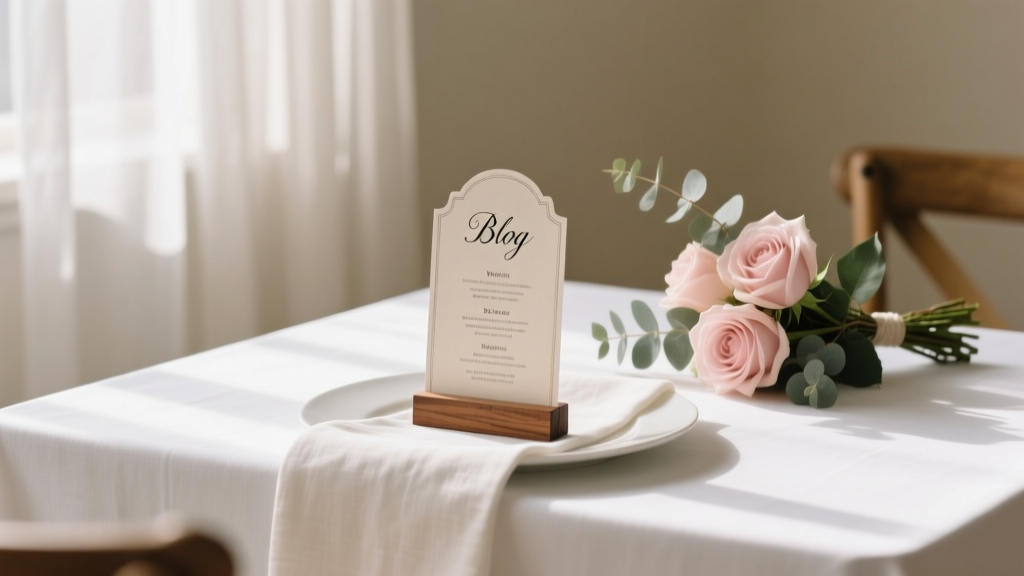
When Do You Need to Finalize Your Wedding Menu
When Do You Need to Finalize Your Wedding Menu?
You can spend months dreaming about your wedding menu—signature cocktails, late-night snacks, the perfect vegetarian entrée—then suddenly realize there’s a clock ticking. Caterers need counts. Rentals need numbers. Your venue needs a plan. And you’re probably wondering: how early is too early, and how late is too late?
Finalizing your wedding menu matters because it affects your budget, guest experience, vendor timelines, and even your seating chart. The good news: there’s a clear planning “sweet spot,” plus a few real-life exceptions that are easy to handle once you know what to expect.
The short answer: finalize your wedding menu 6–8 weeks before the wedding
Most couples should plan to finalize the wedding menu about 6–8 weeks before the wedding date. That typically means: choosing your meal style (plated, buffet, family-style), confirming key dishes, locking in bar plans, and setting up a system to capture dietary restrictions.
Then, you’ll usually provide your final guest count (and any meal selections per guest) closer to the wedding—often 10–14 days before, depending on your caterer and venue.
Why that timeline works (and what “finalize” really means)
When couples hear “finalize,” they often think it means every last detail is set in stone. In practice, finalizing your wedding menu is usually a two-step process:
- Menu decisions (6–8 weeks out): Main courses, sides, appetizers, dessert plan, late-night bite, bar structure, and any stations.
- Numbers and specifics (10–14 days out): Final headcount, meal choice totals (if applicable), kids’ meals, vendor meals, and dietary restriction notes.
As one catering manager put it: “Six to eight weeks is when we need the big decisions so we can order properly and staff the event. The last two weeks are for quantities and fine-tuning.”
— Mariana L., Catering Sales Director
This timeline also protects your budget. Menu tweaks late in the game can trigger rush fees, substitution costs, or rental changes (like needing different plates for a plated dinner vs. a buffet).
What can shift your deadline? Real-world scenarios couples run into
Your “finalize by” date depends on your wedding style, guest count, and vendor setup. Here are the most common scenarios.
1) Plated dinner with guest entrée choices
If you’re offering two or three entrée options (like chicken, fish, and vegan), you’ll need a clear way to collect choices—usually on RSVPs. That means you’ll want the menu choices decided before invitations go out.
Practical timeline:
- Choose entrée options: 3–4 months out (earlier if your stationer needs printing time)
- Finalize the full menu: 6–8 weeks out
- Provide final entrée counts: 10–14 days out
“We waited too long to choose entrées, and it meant reprinting our RSVP cards. It wasn’t a disaster, but it was an extra expense we didn’t need.”
— Taylor & James, married 2025
2) Buffet or family-style (more flexibility, fewer moving parts)
Buffets and family-style service are popular wedding trends because they feel relaxed and often reduce the pressure of tracking every single entrée choice. If you’re going this route, you can usually finalize closer to that 6–8 week mark without worrying about printing entrée selections.
Bonus: It’s easier to accommodate dietary restrictions by adding one or two inclusive dishes (a hearty vegan entrée, gluten-free sides) rather than managing 30 customized plates.
3) Food stations, cocktail-style receptions, or trendy “experience” menus
Interactive menus—taco bars, dumpling stations, build-your-own bowls, espresso martinis carts—are a big part of current wedding food trends. They’re fun, but they can involve more rentals, equipment, and staffing.
If you’re doing stations, plan to finalize earlier: 8–10 weeks out. Your caterer may need more time to coordinate setup and flow, and your planner may need the layout to design the reception timeline.
4) Destination weddings or remote venues
Destination weddings can require earlier menu decisions because ingredients, staffing, and shipping schedules can be tighter. If you’re marrying somewhere seasonal (island, mountain, rural venue), you may need to lock the menu 10–12 weeks out.
5) Backyard weddings with multiple vendors
If you’re piecing together rentals, a private chef, bartenders, and a separate cake baker, finalize earlier—8–12 weeks out. You’re essentially acting as the “catering department,” and your rental order depends on the menu (glassware, plates, flatware, linen counts, kitchen equipment).
Traditional etiquette vs. modern planning (both can work)
Traditional approach: Couples used to book a caterer, select a fairly classic menu, and trust the caterer’s standard packages. The menu was often decided after a tasting, with fewer customizations. Final decisions typically happened around the same 6–8 week point, but the choices were simpler.
Modern approach: Today’s couples are more likely to personalize: cultural fusion menus, specialty diets, craft cocktails, mocktail bars, and late-night snacks. Modern etiquette also leans toward being proactive about allergens and inclusive options. That’s why many couples benefit from deciding the “big picture” menu earlier, even if the final counts come later.
“We see more couples asking for a zero-proof cocktail and at least one plant-based entrée. Those are easy to do—as long as we plan early enough.”
— Devon K., Wedding Caterer
Actionable tips to finalize your wedding menu without stress
1) Ask your caterer for two deadlines: menu lock + final count
Don’t rely on general advice alone. Email your caterer (and venue, if they do in-house catering) and ask:
- When do we need to finalize the menu?
- When is the final guest count due?
- When are meal selections due (if plated)?
- What’s your policy for last-minute changes?
2) Plan your tasting strategically
A tasting is often scheduled 2–4 months before the wedding. If you’re aiming to finalize 6–8 weeks out, book your tasting with enough buffer to think, compare options, and confirm upgrades without rushing.
3) Build an RSVP system that captures dietary needs cleanly
For modern weddings, it’s standard to include a line for dietary restrictions (or a question in your wedding website RSVP): “Please share allergies or dietary restrictions.”
Then: follow up. “Vegetarian” could mean no meat, no fish, no broth, or vegan. “Gluten-free” might be preference or medical necessity. A quick text can prevent a day-of scramble.
4) Order a few “buffer meals” for peace of mind
If your budget allows, ask your caterer about adding 1–3 extra meals beyond your final count—especially if you expect last-minute guest changes or have a large wedding party. Many couples also forget to include meals for:
- Vendor meals (photographer, DJ/band, planner team)
- Officiant (if staying through dinner)
- Child meals
5) Keep one flexible course if you’re worried about picky eaters
If you’re torn between two entrées, consider choosing one “crowd-pleaser” option (like chicken or pasta) and making the second a more adventurous or seasonal pick. This balances personality with guest comfort.
Related questions couples ask (and honest answers)
Do we need to finalize the menu before sending invitations?
If you’re doing plated dinners with entrée choices, yes—you need to know the options before invites/RSVPs go out. If you’re doing a buffet or family-style, you can often wait until closer to 6–8 weeks out.
What if we’re waiting on RSVPs to decide how much food to order?
You don’t need final RSVPs to finalize the menu. Choose the menu first, then you’ll adjust quantities once your RSVP deadline passes. Most caterers are used to this.
What if we have lots of allergies or dietary restrictions?
Finalize earlier and communicate clearly. Ask your caterer how they handle:
- Nut allergies and cross-contamination
- Vegan/gluten-free meals
- Kosher/halal needs (if applicable)
If you anticipate multiple medically necessary accommodations, aim for 8–10 weeks to finalize, so your team can plan safely.
Can we change the menu after it’s “final”?
Sometimes, yes—but it depends on contracts and timing. Small changes (swapping a side, changing a salad dressing) may be possible. Big changes (switching service style, adding a station, changing the protein) can affect staffing and rentals, so expect potential fees.
How do seasonal menus affect the timing?
Seasonal ingredients are a huge trend, and they’re wonderful—just keep your expectations flexible. If you’re marrying during peak season for certain produce, your caterer may suggest “seasonal equivalents.” Lock the structure of the menu (courses and general flavors), and allow smart substitutions if needed.
Conclusion: a calm, realistic deadline you can plan around
For most weddings, you’ll feel in control if you aim to finalize your wedding menu 6–8 weeks before the wedding, then plan on submitting final guest counts and meal totals 10–14 days out. If you’re doing stations, a destination wedding, or a highly customized menu, move that timeline earlier.
The reassuring part: caterers plan weddings every weekend. If you ask for your specific deadlines, schedule your tasting with breathing room, and set up a simple RSVP system for dietary needs, you’ll end up with a menu that feels like you—and a dinner service that runs smoothly.
More Articles
 How Soon to Buy a Wedding Dress: Avoid Costly Mistakes
 Are Wedding Registries Free? (2026)
 Do Love Is Blind Pay for Weddings? (2026)
 Italian Wedding Soup Noodles: Acini di Pepe Explained
 Ryan Wedding Height: The Real Answer (2026)
 Wedding Shower: Who Hosts, When, Invites & Why Skip It
 Was Jamar Goff at Paige Drummond's Wedding?
 Did Justin Bieber Have a Plantation Wedding? (2026)
 Did Queen Elizabeth Attend Charles’ Wedding to Camilla?
 Wedding Planner Salary: Weekly Earnings (2026)