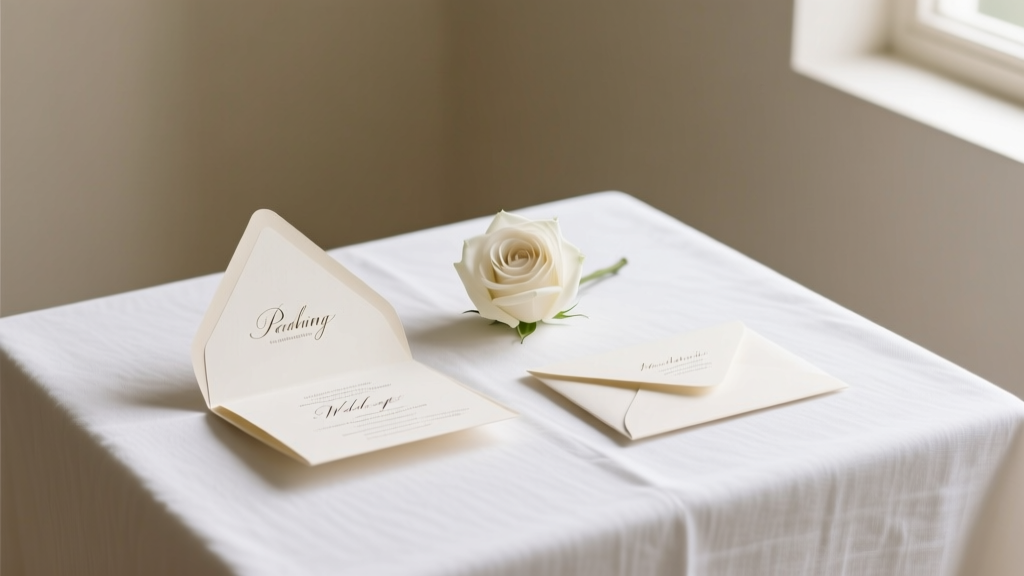
When Is It Rude to Not Invite Someone to Your Wedding
When Is It Rude to Not Invite Someone to Your Wedding?
Guest lists are where wedding planning gets real. You can love your venue, obsess over your playlist, and feel totally confident about your vows—then one question can derail your peace: “Are we being rude if we don’t invite them?”
The truth is, not every relationship fits every wedding. Still, weddings carry emotion, family history, and expectations. Knowing when it’s simply a boundary versus when it reads as a snub can save you stress (and a lot of awkward conversations).
The direct answer
It’s usually considered rude to not invite someone when your choice clearly signals exclusion within a defined social group—like inviting most of a friend group but leaving one person out, inviting some siblings but not others, or inviting coworkers selectively in a way that feels personal. Outside of those situations, it’s generally not rude to skip an invite as long as your guest list rules are consistent and you communicate with kindness.
Q: What actually makes it “rude” (vs. just a normal guest list decision)?
Think of rudeness less as “you didn’t invite me” and more as “you invited everyone like me except me.” Weddings are one of the few life events where people expect a sense of group inclusion—especially among close relatives, long-time friends, and shared communities.
It tends to feel rude when:
- You break your own pattern. Example: you say “family only,” but invite a few friends and not others with the same closeness.
- You create a visible gap in a tight circle. Example: you invite every couple in the neighborhood group except one.
- You invite “tiers” that are hard to defend. Example: all your cousins are invited, except the one cousin you don’t get along with.
- You invite someone’s partner selectively. Example: you invite your friend but not their spouse, while other spouses are included.
As wedding planner “Nina Patel of Bright Day Weddings” (fictional) puts it: The guest list should feel like a policy, not a verdict. People can accept ‘we’re keeping it small’ more easily than they can accept ‘you, specifically, didn’t make the cut.’
Q: When is it not rude to not invite someone?
There are many situations where it’s completely reasonable—and widely accepted—to skip an invitation. Modern wedding etiquette is more flexible than it used to be, especially with the rise of micro-weddings, destination weddings, and tighter budgets.
It’s generally not rude if:
- You’re having a genuinely small wedding. A 25–60 person guest list naturally excludes many people.
- You haven’t spoken in years. Old classmates, former coworkers, distant relatives you don’t know—these are optional.
- The relationship is strained or unsafe. Anyone who has been cruel, manipulative, or disrespectful doesn’t earn an automatic invite.
- It’s a “category cut,” applied consistently. Example: no coworkers, no kids, no plus-ones unless married/engaged/long-term.
- It’s a destination wedding with limited capacity. Many couples host a local celebration later for broader community.
One recent bride, “Erin” (fictional), shared: We chose a 40-person ceremony because it felt intimate. I worried my extended family would be offended, but most people understood once we said, ‘We’re keeping it very small and doing dinner with immediate family only.’
Traditional vs. modern etiquette: why expectations differ
Traditional wedding etiquette leans toward inclusion within family lines and established social units. If you invite one aunt, the expectation is that you invite all aunts. If you invite one cousin, you invite all cousins. This approach is rooted in the idea that a wedding is a family-hosted social event.
Modern etiquette is more centered on the couple’s experience and practical realities: budget, venue limits, emotional comfort, and values. Guest lists are often tighter, and people expect smaller events—especially after years of rising wedding costs and a noticeable trend toward intimate weddings and curated guest experiences.
The key difference: traditional etiquette prioritizes fairness by category, while modern etiquette prioritizes closeness and comfort. Neither is “wrong,” but mixing the two (without a clear rule) is where feelings get hurt.
Real-world scenarios: when it’s likely to sting
1) “We invited everyone in the group chat but her.”
This is one of the clearest “rude” zones because it’s obvious and personal. If you truly don’t want a specific person there, it may be justified—but understand it will likely be interpreted as intentional exclusion. If you can’t invite the whole group, it’s usually kinder to scale back the group invites overall.
2) “We invited my siblings, but not my half-sibling.”
Family categories carry heavy meaning. Not inviting a sibling (including half- or step-siblings) often reads as a major statement unless there’s a serious history. If you’re close enough that you’d see them at holidays, skipping the invite is likely to create long-term fallout.
3) “We invited my partner’s friends, but not mine.”
This is less about rudeness and more about imbalance. It can create resentment in your relationship and make the wedding feel less like a shared celebration. Even if you’re doing a small wedding, aim for representation from both sides.
4) “We’re doing a no-kids wedding—are we rude not inviting children?”
No-kids weddings are common. It’s not rude if applied consistently and communicated clearly. It becomes rude when kids are invited selectively (unless the rule is something like “only immediate family children” and you state that politely).
Actionable tips: how to avoid hurt feelings (without inviting everyone)
Set guest list “rules” early—and stick to them
Create simple, defensible guidelines such as:
- Immediate family + closest friends only
- No coworkers (or only current team)
- No plus-ones unless married/engaged/long-term
- No children (or only children in the wedding party)
Consistency is your best etiquette tool.
Use kind, brief language—no over-explaining
If someone asks directly, aim for warm and firm:
We’re keeping it very small and we’re limited by the venue.
We had to make tough cuts to stay within our budget, but we’d love to celebrate with you another time.
We’re only inviting immediate family and a few close friends for the ceremony.
Avoid: “We don’t feel that close,” “You wouldn’t know many people,” or anything that sounds like ranking.
Offer a meaningful alternative (when appropriate)
Current wedding trends include “wedding weekend” events, casual post-wedding parties, and smaller ceremonies followed by bigger celebrations later. If you’re not inviting someone you care about, consider:
- Inviting them to an engagement party, bridal shower, or post-wedding BBQ
- Scheduling a celebratory dinner after the honeymoon
- Sharing photos and a heartfelt note afterward
That said, don’t offer “you can come to the after-party” as a consolation prize unless it genuinely fits your plans and won’t feel like a demotion.
Don’t “B-list” too obviously
It’s normal to have an A-list and a B-list. The etiquette issue is timing. If you send second-round invites, do it early enough that it doesn’t scream “you’re a fill-in,” and be mindful of social overlap where people compare notes.
Related questions couples ask (and honest answers)
Is it rude to not invite someone who invited you to their wedding?
Not automatically. If you’ve grown apart, moved, or your wedding is smaller, most people understand. It’s ruder if you’re maintaining the relationship and are inviting mutual friends from that same circle.
Is it rude to not invite a coworker?
No—especially now. Many couples choose “no coworkers” to keep boundaries clear. The risk comes when you invite some coworkers and not others on the same team. If you’re inviting work friends, consider inviting by unit (your whole small team) or keeping it to truly close friendships that exist outside work.
Is it rude to not give someone a plus-one?
It depends on your rule. Common modern etiquette: spouses, fiancés, and live-in/long-term partners should be invited by name. For single guests, plus-ones are optional and often budget-dependent. The rude version is when you give plus-ones randomly or deny one to someone traveling far alone while granting them freely to others.
What if someone assumes they’re invited?
This happens more than couples expect. If it’s someone you care about, a gentle, proactive message can prevent embarrassment: I’m so glad you’re excited for us. We’re keeping the wedding very small, but I’d love to celebrate with you soon.
If the relationship is delicate, consider asking a parent or mutual friend to help communicate.
Conclusion: the reassuring takeaway
Not inviting someone isn’t automatically rude—inconsistency and visible exclusion are what usually cause hurt. If your guest list choices follow a clear, fair logic and you communicate with warmth, most people will understand. And the ones who don’t? That’s often more about expectations than etiquette. Your wedding is allowed to be the size, tone, and emotional climate that feels right for you.
More Articles
 Steve Martin at Selena Gomez Wedding? (2026)
 How to Congratulate Newlyweds (2026)
 Who Can Officiate a Wedding in Oregon (2026)
 Meghan Markle Wedding Viewership: Real 2026 Stats
 Who Wrote Four Weddings and a Funeral? (2026)
 Engagement Ring Hand: Country, Religion & Career Guide
 How to Do a Small Wedding Without Sacrificing Any Joy
 A-Line Tulle Wedding Dress: Flattering for Every Bride
 Who Should Manage the Wedding Day Timeline
 How Many Women Are Virgins on Their Wedding Day? (2026)