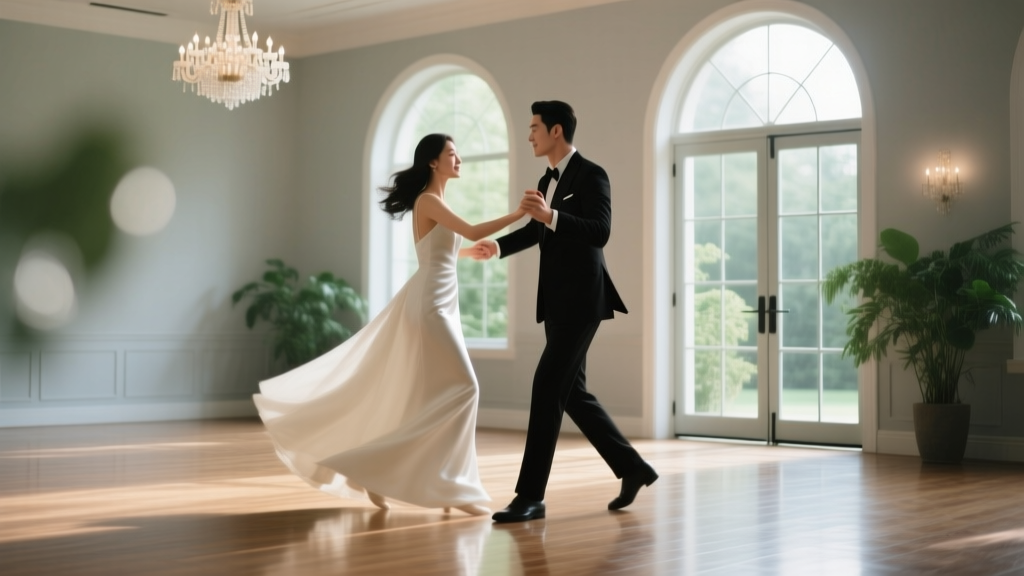
When Should You Start Wedding Dance Lessons
When Should You Start Wedding Dance Lessons?
If the phrase “first dance” makes you smile and sweat at the same time, you’re in very good company. For some couples, the wedding dance is a dreamy highlight; for others, it’s the one moment you can’t outsource—meaning you actually have to do it in front of everyone you love.
Wedding dance lessons matter because timing affects everything: how confident you feel, how natural your dance looks, what kind of song you choose, and whether you’re practicing calmly or panic-Googling “simple first dance steps” three nights before the wedding.
Quick Answer: Start 8–12 Weeks Before Your Wedding
Most couples get the best results by starting wedding dance lessons about 8–12 weeks before the wedding, ideally with one lesson per week (or every other week), plus short at-home practice sessions.
If you want a choreographed first dance, a more complex style (like swing), or you’re also preparing a father-daughter/mother-son dance, start closer to 12–16 weeks out. If you just want to feel comfortable swaying and turning without stepping on toes, you can start at 4–6 weeks out—or even do a crash course in the last couple weeks.
Q: Why Does Starting Early Make Such a Difference?
Dance confidence is built through repetition, not marathon practice. Starting earlier gives you time to:
- Choose (or edit) your song without rushing.
- Learn basics (frame, timing, turns) so you don’t look stiff or uncertain.
- Practice in real-life conditions—in your shoes, with a similar outfit, with nerves.
- Fix “small issues” early, like posture, hand placement, or stepping too big.
- Reduce stress during the final month when vendor confirmations and seating charts take over.
“Most couples underestimate how long it takes to feel comfortable, even with simple steps,” says Marissa Klein, a studio owner and wedding dance instructor in Chicago. “You don’t need to become dancers—you just need to feel like yourselves. That takes a few weeks of consistency.”
Q: What’s the Best Timeline for Different Types of First Dances?
Not every first dance goal is the same. Here are realistic timelines based on what couples typically want.
Scenario 1: “We just want to look natural and not awkward.”
Start: 4–8 weeks out. You’ll learn a slow dance foundation—how to step, sway, turn, and dip (optional). Many couples only need 3–5 lessons.
Real couple experience: “We didn’t want choreography. We just wanted to stop doing that middle-school shuffle,” says Alyssa, married in 2025. “We did four lessons and practiced for 10 minutes after dinner twice a week. It was honestly one of the most relaxing parts of planning.”
Scenario 2: “We want a simple choreographed first dance.”
Start: 8–12 weeks out. This is the sweet spot for a routine that looks polished but still feels effortless. You’ll have time to build muscle memory and adjust for your venue space.
Many modern couples choose choreography that’s “camera-friendly”: clean turns, a gentle dip, and a planned moment to smile at guests. It reads well in photos and video without feeling like a full performance.
Scenario 3: “We want a wow moment (lift, mashup, TikTok-inspired routine).”
Start: 12–16+ weeks out. Flashier choreography requires stronger technique and safety. If you’re doing a lift, you’ll want time to build trust and learn how to do it without risking a back tweak the week of your wedding.
“I love when couples bring in a trending song mix,” says Javier Mendoza, a wedding choreographer in Los Angeles. “But the most successful routines are the ones they can still do when they’re nervous, in formalwear, after a long day. Starting early lets us make it look fun—not frantic.”
Q: Is It Ever “Too Early” to Start Wedding Dance Lessons?
Not really—though there are a couple caveats. Starting 4–6 months out can be great if you want a complicated routine or if your schedules are unpredictable. The trick is pacing: you don’t want to learn a routine too early and then forget it.
If you start early, a smart approach is:
- Do 2–4 early lessons to learn fundamentals and pick a song.
- Pause or go biweekly while you handle peak planning season.
- Resume 8–10 weeks out to finalize choreography and polish.
Q: Traditional vs. Modern Approaches—What’s “Normal” Now?
Traditional: Historically, couples either did a simple slow dance or learned basic ballroom steps (waltz, foxtrot). Lessons were more common for formal weddings or families that valued dance etiquette.
Modern: Today, the “normal” first dance is whatever fits your vibe. Current wedding trends include:
- Shorter first dances (60–90 seconds) to keep energy high and reduce nerves.
- Private last dance at the end of the night instead of (or in addition to) a public first dance.
- Weekday weddings and micro-weddings, where couples may prioritize a quick confidence boost over choreography.
- Content-aware moments: couples plan moves that look great on video without feeling staged.
Modern etiquette is very forgiving. Guests rarely judge your technique—they notice whether you look connected. A few lessons can help you relax enough to enjoy the moment.
Q: What If We’re Busy—How Many Lessons Do We Actually Need?
Here’s a practical guideline couples love because it’s realistic:
- 2–3 lessons: basics, comfort, simple turns (best for “we’re nervous” couples)
- 4–6 lessons: a clean, simple choreography with a strong beginning and ending pose
- 7–10 lessons: more advanced choreography, lifts, multiple songs, or two left feet + complex goals
Pro tip: schedule lessons on the same day/time each week so it becomes routine—like a date night that happens to improve your first dance.
Actionable Tips to Make Lessons (and Practice) Easier
- Pick the right song length. If your song is 3–4 minutes, ask your DJ to cut it to 90 seconds. Your guests will love the pacing, and you’ll feel less pressure.
- Bring your wedding shoes (or similar). Practicing in sneakers and dancing in heels can feel like learning all over again.
- Wear something restrictive once. Practice in a fitted dress, long skirt, or suit jacket to see what movements work.
- Practice in short bursts. Ten minutes, three times a week beats one stressful hour on Sunday night.
- Record your run-throughs. Not for perfection—just to see progress and catch small spacing issues.
- Build “exit strategy” moves. Learn a simple ending pose and a recovery step if you forget what’s next.
“I tell couples to plan for one ‘oops moment,’” says Danielle Brooks, a wedding planner in Atlanta. “Not because you will mess up—but because knowing how to recover keeps you calm. Confidence is the real goal.”
Related Questions Couples Ask (and Honest Answers)
Q: What if we don’t have a song yet?
Start anyway. Your first couple lessons can focus on basics that work for many tempos. Once you choose a song, your instructor can tailor steps to match it.
Q: What if one of us is uncomfortable dancing in public?
That’s one of the best reasons to start earlier. Extra time makes dancing feel less like a performance. Consider a plan that includes a brief first dance and then invites guests to join you halfway through.
Q: Can we do wedding dance lessons online?
Yes—virtual lessons work well for basics and simple choreography, especially for busy couples or long-distance partners. If you want lifts or complicated footwork, in-person coaching is safer and faster.
Q: What if we’re skipping the first dance?
Totally acceptable. Many couples skip it for anxiety, cultural reasons, or timeline constraints. If you still want a meaningful moment, consider a private dance during golden hour photos or a last dance after guests exit.
Q: Should parents take lessons for the parent dances too?
If your parent is nervous or you want to avoid awkward swaying, a single lesson can be surprisingly helpful. Even learning how to start, turn once, and end gracefully is a win.
Conclusion: The Best Time to Start Is When You’ll Have Room to Breathe
If you want the sweet spot, begin wedding dance lessons 8–12 weeks before the wedding. That gives you enough time to learn, practice, and feel like yourselves—without cramming it into the most stressful part of planning.
Your first dance doesn’t need to be perfect. It just needs to feel comfortable, connected, and true to you. A few lessons—and a little time—can turn “we’re dreading this” into “we’re actually excited.”
More Articles
 French Wedding Rings: What Tourists & Couples Need to Know
 Wedding & Engagement Ring Order: What 92% Get Wrong
 Mexican Wedding Cookies: How to Freeze & Revive Perfectly
 Wedding Ring Hand: Left or Right? (2026)
 Ash Wednesday: Origins, Meaning, and 2026 Relevance
 Does Chuck Stop Blair’s Wedding? (2026)
 Barney and Robin Wedding: What Really Happened (2026)
 When Is the Best Time to Have Your Engagement Photos Taken
 Can You Wear White At A Wedding (2026)
 Wedding Chapel on the Green: Everything You Need to Know