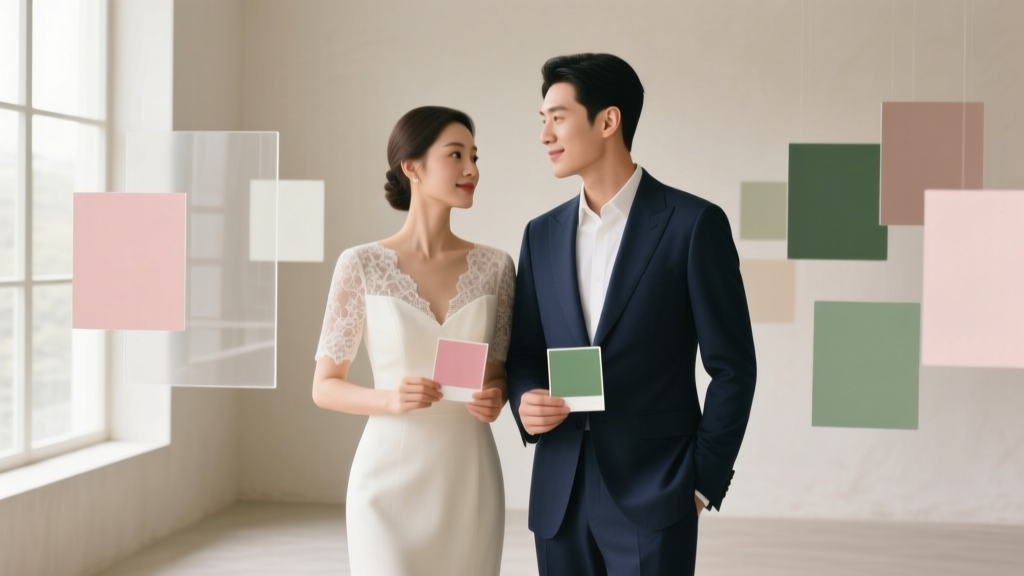
Who Chooses the Wedding Colors Bride Groom or Together
Who Chooses the Wedding Colors: Bride, Groom, or Together?
Wedding colors sound simple until you realize they touch everything: invitations, flowers, attire, linens, lighting, bridesmaid dresses, even the cake design. No wonder couples ask, “Who chooses the wedding colors—bride, groom, or together?” It can feel like a tiny decision with huge ripple effects.
The good news: there’s no single “correct” way anymore. Modern wedding etiquette is more flexible than ever, and the best choice is the one that fits your relationship, your budget, and the kind of celebration you’re hosting.
Quick Answer: You Choose Together (But One Person Can Lead)
Traditionally, the bride chose the wedding colors. Modern etiquette strongly leans toward choosing wedding colors together—especially because both partners are hosting, paying, and planning. That said, it’s completely fine if one partner takes the lead (often the person who cares more about design) as long as the other feels heard and on board.
Think of it as a shared decision with room for different levels of involvement.
Why Wedding Colors Feel So Personal
Color is emotional. It’s also practical. Your wedding color palette affects:
- Wedding theme and vibe: romantic, modern, coastal, rustic, glam
- Photos and overall aesthetics: what stands out and what blends in
- Attire choices: bridesmaid dress colors, ties, pocket squares, suits
- Florals and decor budget: some colors are harder (and pricier) to source seasonally
- Family expectations: especially for cultural or religious weddings
As wedding planner Maya Chen of Evergreen & Ivory Events puts it, “Color is the fastest way to set the mood. It’s not just pretty—it’s a planning tool. When couples agree on a palette, decisions get easier from there.”
Traditional vs. Modern Etiquette: Who “Gets” to Decide?
Traditional approach: Bride chooses
Historically, weddings were framed around the bride’s style, and many people still assume the bride picks wedding colors, flowers, and decor. If you love tradition and it feels right for your relationship, there’s nothing wrong with the bride taking point.
When it works best: the groom genuinely doesn’t care, or prefers a “tell me what to wear” role, and both partners agree that’s fine.
Modern approach: Couples choose together
Most engaged couples today plan as a team. Even when one partner is more visual, couples often decide on a few shared “non-negotiables” (overall vibe, formality, season, budget) and select colors that match.
When it works best: you’re both invested, blending tastes, or sharing costs and want the wedding to represent you equally.
A very real hybrid: One person leads, the other approves
This is probably the most common scenario. One person curates three options and the other picks a favorite or suggests tweaks. It’s collaborative without becoming a never-ending debate.
One recent couple shared: “I (the bride) had a clear vision—sage and ivory. My fiancé didn’t want to ‘pick colors,’ but he cared that it didn’t look too soft. We added navy in the suits and stationery, and suddenly it felt like both of us,” says Danielle R. from Portland.
Current Wedding Color Trends (and How They Influence the Decision)
Trends can be helpful when you’re stuck—but they shouldn’t override what feels like you. A few popular directions couples are choosing now:
- Earth tones: terracotta, clay, sand, olive, warm neutrals
- Moody palettes: deep green, burgundy, midnight blue, black accents
- Pastel “clean” palettes: blush, dusty blue, lavender, soft gray
- Monochrome weddings: multiple shades of one color (all blue, all green, all white)
- Bold, joyful color: citrus, bright pink, cobalt, saturated florals
Stationer Reese Alvarez of Paper & Pearl Studio explains: “Couples are thinking in palettes instead of one ‘wedding color.’ Three to five tones—plus a neutral—gives you flexibility across bridesmaid dresses, flowers, and rentals.”
Real-World Scenarios: Who Chooses in Different Situations?
Scenario 1: The bride has a strong vision, the groom feels indifferent
It’s fine for the bride to choose—just give the groom a meaningful way to contribute. Ask for input on one piece that affects his experience: suit color (navy vs. black), boutonniere style, tablescape vibe, or ceremony backdrop.
Scenario 2: The groom cares a lot about style
Great. Let him lead or co-lead. Many grooms have strong opinions about modern design, minimalism, or bold color. A wedding looks more cohesive when both partners’ preferences are represented.
Scenario 3: You have clashing tastes
This is common: one person wants classic blush and ivory; the other wants dark and dramatic. The fix is usually a split palette or balanced palette:
- Balanced palette: blush + deep green + gold + ivory
- Split by moment: soft ceremony colors, moodier reception lighting and linens
- Neutral base + accent: neutrals with one bold pop (emerald, cobalt, terracotta)
Scenario 4: Family members want a say
If parents are contributing financially, they may feel entitled to influence. Etiquette-wise, contributing doesn’t mean controlling, but it does mean you may want to consider their feelings. A respectful approach:
- Ask what matters to them (often it’s formality or cultural tradition, not the exact shade).
- Offer two options you’d be happy with.
- Keep the final decision with the couple.
Actionable Tips for Choosing Wedding Colors Without Stress
1) Start with your setting and season
Let your venue do some of the work. A ballroom with gold accents leans warm and formal. A barn venue may suit earth tones. A garden ceremony welcomes soft color. Seasonal color palettes (spring pastels, summer brights, fall warm tones, winter jewel tones) can make choices feel more natural.
2) Choose a palette, not a single color
A practical wedding color palette usually includes:
- 1–2 main colors
- 1–2 supporting colors
- 1 neutral (ivory, beige, gray, white, black)
- 1 metallic (gold, silver, copper) if you want shine
3) Use a “two yeses, one no” rule
If either of you truly dislikes a color, it’s out. For everything else, look for the “good enough for both of us” choice. This keeps wedding planning from turning into a design competition.
4) Decide where color matters most
Not every element must match perfectly. Pick your priorities—like bridesmaid dresses and florals—and let other details coordinate loosely (napkins, signage, guest book, etc.). This is also a budget-friendly approach.
5) Test colors in real life
Color online can be misleading. Order linen swatches, look at bridesmaid dress fabric samples, and ask your florist what’s realistic for your date. A shade that looks “dusty rose” on a screen may look mauve or peach in daylight.
Related Questions Couples Ask (and Quick Answers)
Do wedding colors have to match the bridal party outfits?
No. Many modern weddings use a complementary look: mismatched bridesmaid dresses in similar tones, or one color family with varied shades. It photographs beautifully and reduces pressure.
What if the groom wants to wear a non-traditional suit color?
Then build the palette around it. A green suit, tan suit, or even a velvet jacket can become the anchor. Coordinate bridesmaid dresses and florals to support that statement.
Can we skip wedding colors entirely?
Yes. You can plan a neutral wedding (white, ivory, greenery, black accents) and let texture and lighting create the mood. This is popular for minimalist weddings and micro-weddings.
What if our favorite colors “don’t go” together?
A skilled palette makes almost anything work. The trick is adding a neutral and adjusting saturation. For example, bright red and royal blue can feel intense, but burgundy and dusty blue with ivory looks refined.
Should cultural traditions influence wedding colors?
If cultural colors are meaningful (like red in many Chinese weddings), include them proudly. You can modernize with updated shades (deep red, oxblood, terracotta red) or use color in accents rather than everywhere.
Conclusion: The Best Choice Is the One That Feels Like Both of You
So, who chooses the wedding colors—the bride, the groom, or together? Modern etiquette says together, with plenty of room for one partner to lead. The goal isn’t perfect consensus on every shade; it’s a wedding color palette that reflects your shared style and makes planning smoother.
If you’re stuck, start with venue and season, pick a flexible palette, and use a simple rule: both partners should feel represented. When the colors feel like “us,” everything else tends to fall into place.
More Articles
 Suits Cast at Meghan’s Wedding? Verified 2026 Guest List
 Do Americans Wear Wedding Rings on the Right Hand? (2026)
 Are Wedding Planners Worth It? Reddit Data (2026)
 Angelina Pivarnick Wedding Cost Breakdown (2026)
 Wedding Ring Hand: Country, Religion & Values (2026)
 Ryan Wedding Disruption: Cancellation, Lawsuit, Lessons
 What Is Officiating a Wedding? The Legal Truth (2026)
 Do I Want a Wedding? 7 Questions to Decide (2026)
 Velvet for Summer Weddings: 7 Cooling Tips
 Crepe Wedding Dress Spot Cleaning: 7 Dry-Cleaner Steps