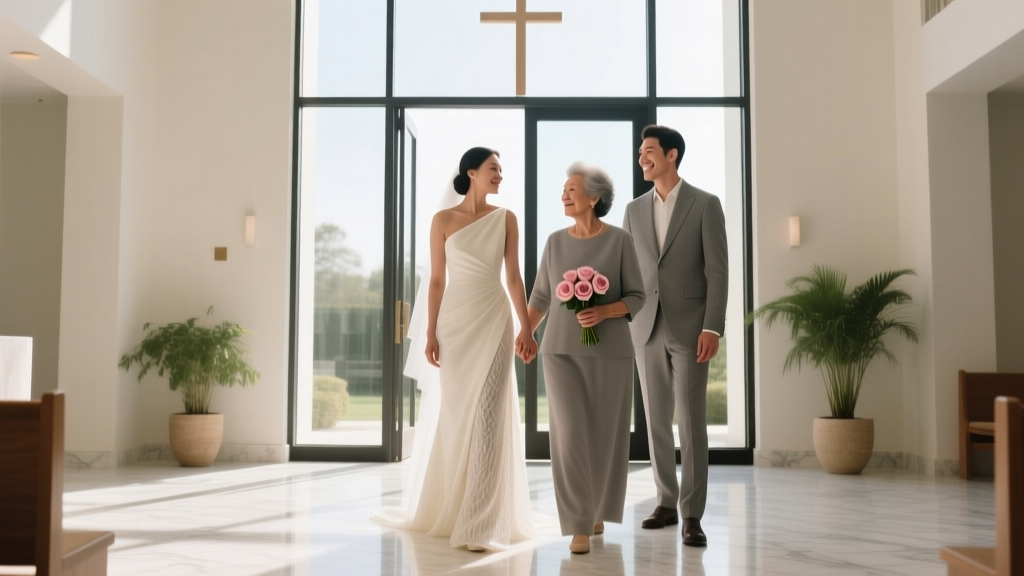
Who Walks the Bride Down the Aisle Modern Alternatives
Who Walks the Bride Down the Aisle? Modern Alternatives That Still Feel Meaningful
Walking down the aisle is one of those wedding moments that carries a lot of emotional weight—partly because it’s public, partly because it’s symbolic, and partly because traditions have taught us there’s a “right” way to do it. If you’re feeling unsure about who should walk you down the aisle, you’re not alone. Couples ask this all the time, especially when family dynamics, remarriage, loss, or simply personal values don’t fit the old script.
The good news: modern wedding etiquette is flexible, and your ceremony can reflect your reality without being awkward or “wrong.” You can honor tradition, rewrite it, or skip it entirely—and still have a moment that feels powerful.
Quick answer: Who walks the bride down the aisle?
Anyone you choose—or no one at all. Traditionally, the bride is escorted by her father, but modern alternatives are widely accepted: both parents, one parent, a stepparent, a sibling, a grandparent, a close friend, your children, your partner (walking in together), or walking solo. The “right” choice is the one that feels supportive and authentic to you.
Why the tradition exists (and why you don’t have to follow it)
The classic image—father walking the bride down the aisle—comes from a time when weddings were tied to family alliances and the idea of “giving away” the bride. Many couples now prefer language like “presenting” or “supporting” instead, or they skip the concept altogether.
“Most couples I work with want the aisle walk to feel like a genuine reflection of their relationships, not a reenactment,” says Marina Collins, a fictional but realistic wedding planner in Chicago. “The aisle is a spotlight moment. If the person next to you doesn’t feel like your safe place, it shows.”
Current wedding trends back this up: more couples are choosing non-traditional ceremony entrances, blended-family processions, and inclusive roles that reflect who actually raised, loved, and supported them.
Traditional approach: Father escorts the bride
If you have a close relationship with your dad and the tradition feels comforting, it’s perfectly okay to keep it. Traditional doesn’t have to mean outdated—it can simply mean familiar. Many couples still love the symbolism of being accompanied by a parent figure at a big life transition.
Real-world example: Jenna (a fictional bride) told her photographer she wanted one “quiet breath” before the ceremony. “My dad and I paused at the doors, and he whispered, ‘You’ve got this.’ That’s the moment I remember more than the walk itself.”
Tip: If the phrase “who gives this woman…” doesn’t sit right, you can ask your officiant to change the wording or remove it. A popular modern alternative is: “Who supports this couple in their marriage?” or skipping that question entirely.
Modern alternatives that couples love
1) Both parents walk the bride down the aisle
This is one of the most popular modern options, especially for couples who want to honor both sides of their upbringing. It can also feel like a warm, balanced visual at the start of the ceremony.
Etiquette note: If your parents are divorced and tensions are high, this can still work—just plan it carefully (more on that below).
“When both parents escort the bride, it often eases hurt feelings because no one feels sidelined,” says Daniel Kim, a fictional wedding officiant based in Seattle. “It also shifts the vibe from ‘transfer’ to ‘support.’”
2) Mother walks the bride down the aisle
Choosing your mom is increasingly common, especially when she’s been your primary support or your relationship with your father is strained. It can be deeply meaningful—and it photographs beautifully.
Real-world example: “My mom and I practiced the walk in our driveway,” says Alina (fictional). “She teared up every time. It felt like we were doing it together.”
3) Stepparent, guardian, or mentor escorts the bride
If a stepparent or guardian played the parent role in your life, it’s completely appropriate for them to escort you. This is also a wonderful option for brides who feel close to an aunt, uncle, coach, teacher, or family friend.
Tip: Consider acknowledging that person in your program or with a short line during the ceremony to help guests understand the relationship. Simple works: “Escorted by her aunt, who helped raise her.”
4) Sibling escorts the bride
A brother, sister, or multiple siblings can walk you down the aisle. This option often feels supportive, relaxed, and very “real life,” especially if you and your siblings have been through a lot together.
5) Your children walk you down the aisle
For blended families or second weddings, having your children escort you can be incredibly moving. It also sends a clear message: this marriage is about building a family together.
Trend watch: Couples are increasingly centering kids in the ceremony—walking together, doing a family vow, or including them in a unity ritual.
6) Walking down the aisle alone
Walking solo can feel empowering and peaceful, and it avoids complicated family politics. If you love the idea of entering on your own terms, this is a strong choice—and very common in modern ceremonies.
“One bride told me, ‘I’m not being given away—I’m showing up,’” says planner Marina Collins. “That line still gives me chills.”
7) The couple walks in together
This is a meaningful alternative for couples who see marriage as a partnership from the first step. It’s also common in Jewish ceremonies and increasingly popular across secular weddings.
Practical note: If you walk in together, you can still include parents in the processional (for example, parents entering first, then the wedding party, then the couple).
Handling sensitive family dynamics (without drama)
Most stress around who walks the bride down the aisle isn’t about etiquette—it’s about feelings. Here are common scenarios and ways to handle them kindly and clearly.
Divorced parents who don’t get along
- Option A: One parent escorts you, and the other gets another meaningful role (reading, blessing, walking in the processional, front-row seat).
- Option B: Both parents escort you, but you do a quick rehearsal and set boundaries (“No arguing, no pulling, no comments”).
- Option C: You walk solo to avoid tension—then do a private first look or pre-ceremony moment with each parent.
A father who expects the role, but you don’t want that
Keep it short and loving. Try: “Dad, I love you, and I want you to feel honored. I’m choosing to walk with Mom / both parents / alone because it feels right for me. I hope you can support that.”
Tip: Pair the conversation with a replacement honor—father-daughter dance, a toast, or a special pre-ceremony moment. People handle “no” better when there’s a clear “yes” elsewhere.
Loss or estrangement
If a parent has passed away or isn’t in your life, it’s okay to keep the aisle moment simple. Many brides honor a loved one with a charm on the bouquet, a reserved seat, or a line in the program. None of these are required. Sometimes the most respectful choice is not forcing a tribute into a tender moment.
Actionable tips to decide (and feel confident about it)
- Ask yourself one question: “Who makes me feel calm and supported right before I take this step?”
- Think in roles, not titles: You’re choosing an escort, not declaring who mattered most.
- Tell your photographer and coordinator: Non-traditional aisle walks are common, but they need a heads-up for positioning and timing.
- Do a quick practice: Even 60 seconds of rehearsal helps avoid tripping, mismatched pacing, or awkward arm placement.
- Update ceremony wording: If “giving away” feels off, adjust it. Your officiant can suggest inclusive scripts.
Related questions couples often ask
Do I have to be “given away” if someone escorts me?
No. Being escorted doesn’t require a “giving away” line. You can simply have an escort walk with you and take their seat—no announcement needed.
Can two people walk me down the aisle (like a mom and stepdad)?
Yes. Mixed pairings are common: mom and stepdad, two grandparents, two siblings, or any combination that reflects your family.
What if I want my dad to walk me halfway, then my mom?
Also valid. This can be a sweet compromise in blended families. Make sure your coordinator cues it clearly so it looks intentional, not confusing.
What about same-sex couples or non-binary partners?
The same principles apply: choose the entrance that fits your values. Some couples each walk with a parent, some walk solo, and many walk in together to emphasize equality.
Takeaway
Who walks the bride down the aisle isn’t a rule—it’s a choice. Whether you’re honoring tradition, navigating modern family dynamics, or creating a ceremony that feels more like you, the best option is the one that brings you comfort and joy in that moment. Your wedding aisle walk should feel like support, not pressure.
More Articles
 Muslim Wedding Names & Traditions (2026)
 Millie Bobby Brown Wedding Cost: $2.5M Breakdown (2026)
 Did Meghan Markle Invite Suits Cast to Her Wedding?
 Do Love Is Blind Couples Pay for Their Weddings?
 When Should You Start Looking for Bridesmaid Dresses
 Do Women Buy the Man's Wedding Ring? (Who Pays in 2026)
 Can You Add Sparkle to a Wedding Dress? Yes, Here's How
 How to Handle a Wedding Guest Who Refuses to Leave
 Smriti Mandhana Wedding Cancelled? The Truth (2026)
 Meghan Markle Bow to Queen: Wedding Protocol Truth