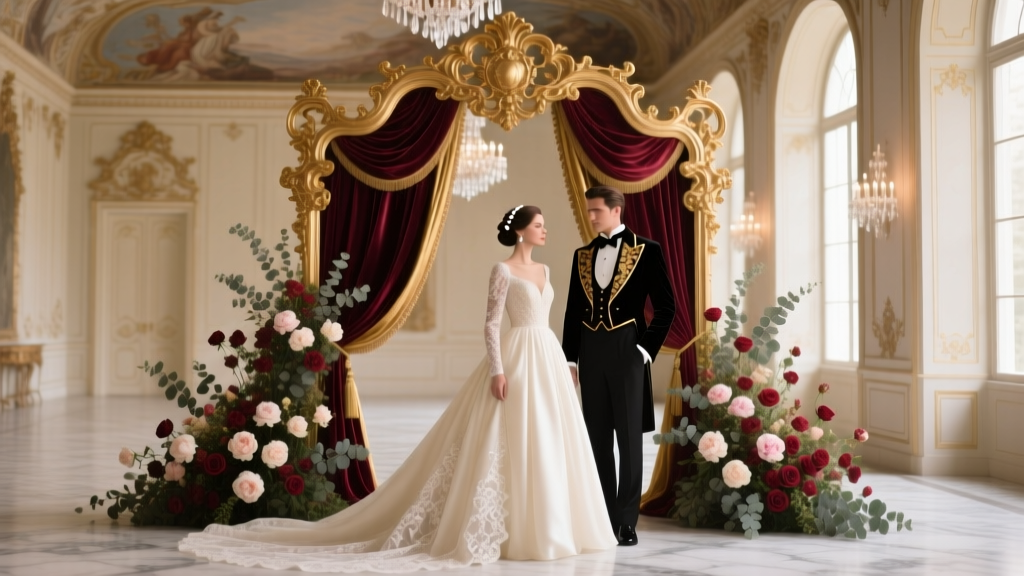
How to Execute a Baroque Wedding With Rich Details
Picture your guests stepping into a candlelit hall where the air feels softly gilded—like the inside of a jewelry box. Gold catches the glow from chandeliers. Velvet drapes pool at the floor. A string quartet warms up beneath an arch of deep, moody florals. Everything feels intentional: dramatic, romantic, and unapologetically ornate.
A Baroque wedding theme isn’t about “adding more.” It’s about curating richness—layered textures, sculptural shapes, and historical elegance—so every detail feels like it belongs in the same painting. When done well, it’s immersive without becoming theatrical, luxurious without becoming heavy.
This guide is designed like I’d plan it with a couple in my studio: clear design choices, practical execution steps, and the kind of visual detail that helps you confidently bring the Baroque wedding aesthetic to life.
Color Palette and Overall Aesthetic: The Art of Dramatic Harmony
Baroque design is defined by contrast, depth, and glow. You’re aiming for an interplay between shadow and shimmer—dark, saturated tones against warm metallics, with creamy neutrals to keep everything readable.
Signature Baroque wedding color palettes
- Classic Gilded Romance: ivory, antique gold, warm taupe, soft blush, deep espresso
- Moody Old-World: burgundy, oxblood, forest green, black, aged gold
- Royal Gallery: sapphire, emerald, plum, champagne gold, alabaster
- Modern Baroque (trend-forward): black, ivory, gold, with one jewel tone accent (like ruby or emerald)
Trend data across the wedding industry continues to show couples leaning into personalized, immersive aesthetics—especially “old money” elegance, candle-heavy reception styling, and editorial textures (think velvet, satin, and ornate stationery). Baroque is timeless because it’s rooted in design principles that always work: contrast, repetition, scale, and focal points. Build your plan around those, and the theme will feel elevated rather than costume-like.
Texture is your secret weapon
If you only focus on color, you’ll miss the Baroque magic. Blend:
- Velvet linens or napkins
- Silk ribbons (frayed edges look painterly)
- Ornate carved wood, marble, or stone textures
- Gilded metal accents (brass, antique gold, warm champagne)
- Crystal and glass (cut goblets, candelabra sleeves)
Venue and Setting Recommendations: Choose a Space That Already Feels Like a Story
The best Baroque wedding venues don’t need to be “made” Baroque—they simply need the right bones. Look for architectural drama and warm interior light.
Ideal venue styles
- Historic mansions and estates: grand staircases, fireplaces, portrait walls
- Ballrooms and theaters: ornate ceilings, built-in chandeliers, velvet curtains
- Cathedral-inspired spaces: arches, columns, stained glass, long aisles
- Museum galleries or libraries: classical symmetry, art-forward ambiance
- Old wineries or stone villas: candlelight looks especially rich against stone
What to prioritize when touring
- Ceiling height: Baroque styling loves vertical elements—tall florals, draping, chandeliers
- Wall character: moldings, panels, textured plaster, or deep-toned walls reduce decor needs
- Lighting control: dimmable fixtures or the ability to rely on candlelight after sunset
If your venue is modern or minimal, you can still achieve a Baroque wedding theme by adding draping, statement lighting, and oversized focal installations. Think of it as building a temporary set with high-impact features instead of trying to cover every inch.
Decor Elements: Centerpieces, Lighting, Signage, and Table Settings
Baroque wedding decor is where the theme becomes tangible. The goal is “gallery-worthy”—pieces that feel sculptural and considered. Pick a few strong hero moments and repeat your materials for cohesion.
Centerpieces that feel like still-life paintings
- Low, lush arrangements in gold footed bowls or antique urns with fruit accents (figs, grapes, pomegranates)
- Tall candelabra centerpieces with floral collars at the base—dramatic without blocking conversation
- Compote vessels with draped silk ribbon and trailing greenery for movement
Designer tip: combine one tall element + one low element on each table (ex: candelabra + low floral cluster) to create depth and rhythm.
Lighting: the fastest way to “Baroque-ify” a room
- Layered candlelight: taper candles + votives + pillar candles in glass hurricanes
- Warm bulbs only (aim for 2200K–2700K; avoid cool white)
- Pin-spot lighting on centerpieces to make metallics glow
- Chandelier rentals or hanging candle installations for a true grand-hall effect
Nothing reads Baroque like moving candlelight reflecting in crystal glassware. If you’re choosing one investment, make it lighting.
Signage and stationery: ornate, but refined
- Baroque frame welcome sign with calligraphy on black or parchment-toned paper
- Wax seals (deep burgundy or black) on menus and place cards
- Table numbers styled as “gallery labels” in gilded frames
- Escort display on a vintage mirror with scripted vinyl lettering
Table settings: mix old-world with modern polish
- Charger plates in antique gold or etched glass
- Black or ivory plates (either works—choose based on your palette)
- Cut-crystal goblets or smoked glassware
- Gold flatware with subtle detailing (avoid overly bright, yellow gold)
- Velvet napkins tied with silk ribbon and a sprig of herbs (rosemary looks especially old-world)
Floral Arrangements and Botanical Elements: Lush, Dark, and Painterly
Baroque florals should feel like they were gathered for a royal portrait—abundant, slightly wild, and deeply romantic. The most flattering approach is a garden-meets-gallery composition: fullness, varied bloom sizes, and rich tonal layering.
Best flowers for a Baroque wedding aesthetic
- Garden roses, spray roses
- Peonies (in season), ranunculus, anemones
- Dahlias (especially dinnerplate for drama)
- Calla lilies for sculptural modern-Baroque lines
- Clematis, sweet peas, hellebore for movement
- Deep greens: smilax, Italian ruscus, ivy, camellia foliage
Botanical styling details that elevate the scene
- Fruit and foliage garlands down long tables (grapes + figs + olive branches)
- Floral meadows at the base of the sweetheart table for a “painting spill” effect
- Ceremony pillars wrapped in greenery with asymmetrical floral bursts
Timeless design principle: use scale strategically. If you want a grand look, choose fewer arrangements but make them oversized. A couple of monumental pieces beat many small ones every time.
Attire and Styling Suggestions: Regal, Not Costume
A Baroque wedding theme invites fashion that feels heirloom-level special. The trick is to keep silhouettes elegant while letting texture and detail do the talking.
For the bride (or anyone wearing the “statement look”)
- Jacquard, satin, mikado, or brocade fabrics
- Corset bodices, structured gowns, or sleeves with volume (bishop or puff sleeves)
- Cathedral veil with lace edging, or a dramatic plain veil for modern contrast
- Accessories: pearl drops, antique-inspired hair combs, or a gold leaf headpiece
For the groom/partner looks
- Black tux with satin lapels for classic drama
- Velvet dinner jacket in deep emerald, burgundy, or midnight blue
- Accessories: cameo cufflinks, silk bow tie, pocket square in a jewel tone
Beauty styling
- Hair: soft waves, sculpted low bun, or half-up with a pearl pin
- Makeup: luminous skin, defined eyes, and a classic lip (rose, berry, or warm nude)
- Nails: deep wine, black cherry, or clean sheer with gold accents
Food, Drink, and Cake Ideas: A Feast With Old-World Theater
Baroque celebrations are sensual—your menu should feel abundant and curated, like a modern royal supper.
Cocktail hour ideas
- Champagne tower (timeless, photogenic, and very on-theme)
- Charcuterie with figs, honeycomb, grapes, and artisanal breads
- Passed bites served on gold trays (mini beef wellingtons, truffle arancini, caviar blinis)
Signature drinks
- French 75 with a rosemary sprig
- Blackberry bramble cocktail
- Espresso martinis for late-night elegance
Cake and dessert styling
- Black or ivory fondant with gilded detailing (think gold-leaf edging, baroque piping)
- Oil-painting style florals (hand-painted edible art is a modern trend that fits perfectly)
- Dessert table with macarons, gold-dusted truffles, and berry tarts on tiered stands
Budget Tips: Achieve the Baroque Look at Any Price Point
Low-budget Baroque (smart splurges + styling tricks)
- Prioritize candles and linens: velvet napkins and taper candles transform a room instantly.
- Use printed baroque-pattern menus and place cards for a “rich” layer without rental costs.
- Thrift or rent mismatched gold frames for signage and table numbers.
- Choose one hero floral moment (ceremony arch or sweetheart table) and keep guest tables simpler.
Mid-range Baroque (balanced luxury)
- Upgrade to cut glassware and gold flatware rentals.
- Add draping behind the sweetheart table with a chandelier-style lighting moment.
- Commission custom stationery with wax seals and velvet ribbon.
High-end Baroque (full immersion)
- Hanging floral + candle installation over the reception tables
- Custom built ceremony set: columns, plinths, sculptural urns
- Live classical music for ceremony + cocktail hour
- Multiple lighting layers: chandeliers, pin spots, uplights tuned warm
Real-World Examples and Inspiration Scenarios
Scenario 1: “Modern Baroque Ballroom”
A sleek ballroom becomes old-world with black velvet linens, gold candelabras, and ivory florals. The escort display is a vintage mirror framed in ornate gold, and the cake is ivory with hand-painted florals and gold leaf. The room feels editorial—like a fashion shoot—yet still romantic and warm.
Scenario 2: “Estate Garden Meets Grand Salon”
Ceremony outdoors: stone urns overflowing with blush garden roses and trailing ivy. Reception indoors: long tables with fruit-forward runners—figs, grapes, olive branches—plus taper candles in varied heights. Place cards are deckled-edge paper sealed with deep burgundy wax. Guests feel like they’re dining inside a classical painting.
Scenario 3: “Cathedral Candlelight”
A long aisle lined with pillar candles in glass hurricanes leads to an altar framed by towering florals in burgundy and cream. After sunset, the reception glows with hundreds of tapers. The palette is restrained—ivory, gold, and wine—so the atmosphere feels sacred, intimate, and grand all at once.
Common Mistakes to Avoid When Executing a Baroque Wedding Theme
- Using shiny, bright gold everywhere: Baroque reads best with antique gold, brass, and champagne tones. Mix metals subtly for depth.
- Overcrowding tables: Rich doesn’t mean cluttered. Leave negative space so each piece looks intentional.
- Ignoring lighting temperature: Cool LEDs will flatten your palette. Warm light is non-negotiable for this theme.
- Choosing too many competing patterns: If you use damask linens, keep stationery simpler—or vice versa.
- Making it feel like a costume party: Keep silhouettes and styling refined. Let one or two “historic” nods shine (like a corset bodice or velvet jacket) without going full theatrical.
A Baroque Wedding Should Feel Like You—Just Framed in Gold
The most unforgettable Baroque weddings aren’t the ones that copy a palace room detail for detail—they’re the ones that translate the feeling: intimacy, artistry, and a sense of grandeur that’s still personal. Choose your palette with intention, build your glow through candlelight, and invest in a few sculptural focal points that anchor the story.
If you’re craving more wedding theme and decor inspiration—from romantic classics to modern statement styles—explore more ideas on weddingsift.com and start shaping a celebration that feels beautifully, unmistakably yours.
More Articles
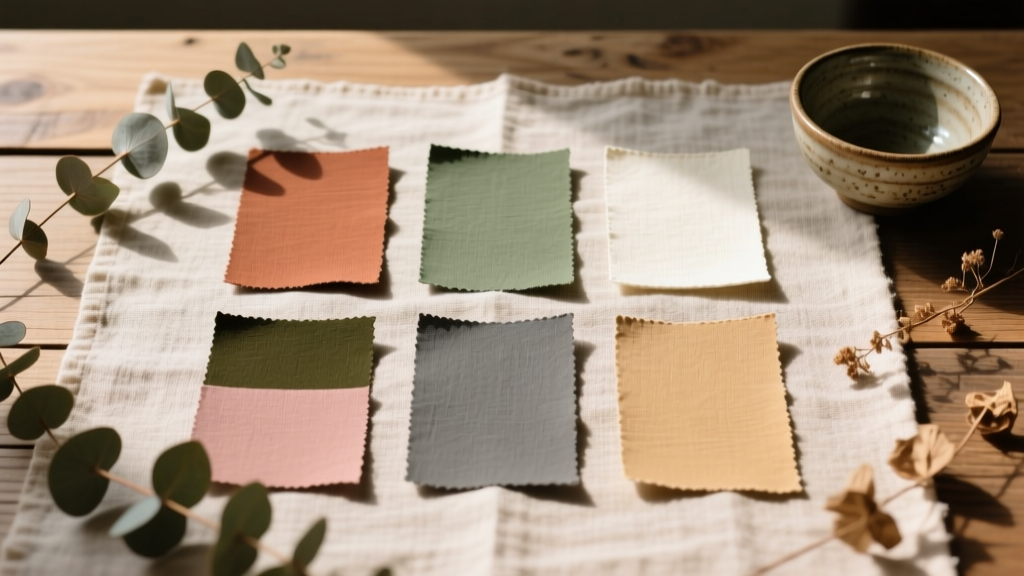 Rustic Wedding Colors: 7 Proven Palettes (2026)
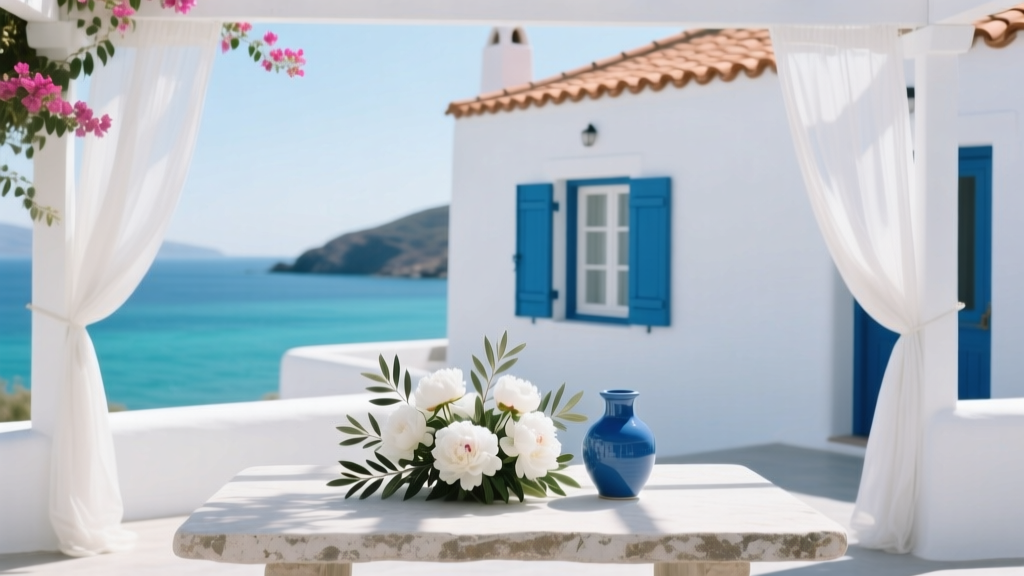 Greek Island Wedding Theme Aegean Blue and White
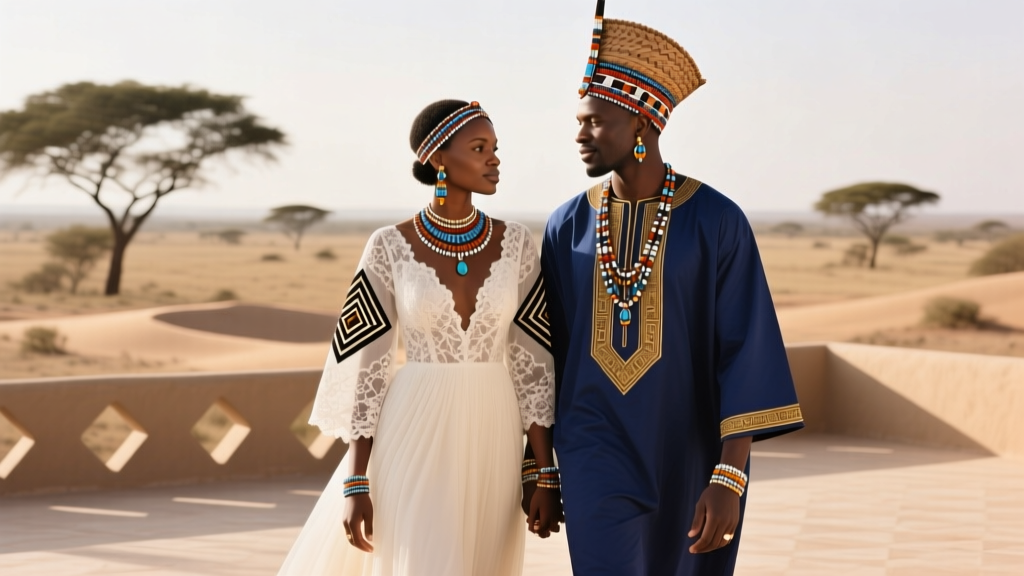 African-Inspired Wedding Theme Tribal Elegance
 How to Create a Coastal Elegance Wedding Theme
 How to Plan a Romantic Garden Terrace Wedding
 Elvis Wedding: 7 Non-Negotiables for 2026
 Man in a Wedding Dress: Redefining Modern Weddings
 Cottagecore Wedding Inspiration Countryside Romance
 How to Execute a Romantic Cliffside Wedding
 New York Wedding Christmas: 7 Realistic Design Strategies