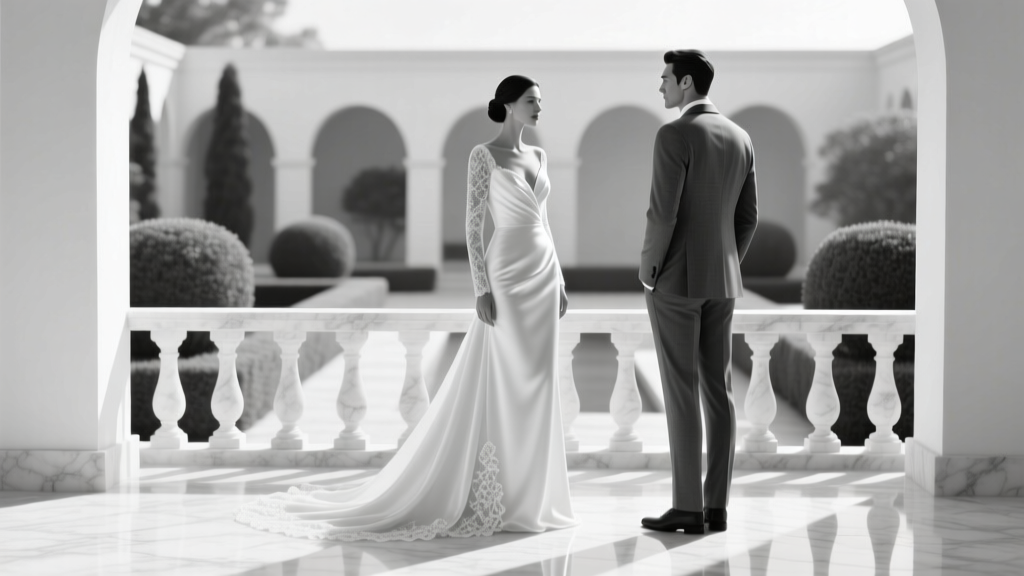
How to Execute a Monochromatic Wedding Theme
Picture your ceremony space washed in a single, elegant hue—layered from the palest whisper to the deepest, most dramatic tone. Guests arrive to a room that feels cohesive, intentional, and quietly luxurious: linens that glow, florals that look sculpted, and candlelight that makes the color seem to radiate from every surface. A monochromatic wedding theme has that rare ability to feel both modern and timeless, editorial and romantic, all at once.
Couples are gravitating toward design that feels curated rather than crowded, and monochrome delivers. Recent wedding trend roundups and planning reports across the industry continue to spotlight “clean palettes,” “tonal design,” and “intentional minimalism” as key directions—especially for couples who want their photos to feel elevated years from now. The secret is that a monochromatic wedding isn’t about using only one exact shade; it’s about building a world in one color family, then adding depth through texture, finish, and lighting.
If you want a wedding theme that feels cohesive from invitation suite to last dance—without looking flat—here’s how to execute a monochromatic wedding theme like a designer.
Choose Your Color Palette and Overall Aesthetic
Pick one color family, then map your tonal range
Start with a single color family (ivory, blush, sage, terracotta, champagne, lilac, powder blue, emerald, black, etc.), then select 5–7 tones within it:
- Base tone: the “main” shade you want guests to remember (ex: dusty rose).
- Light tones: airy versions for linens, stationery, and ceremony drape (ex: ballet pink, blush).
- Mid tones: your workhorse shades for bridesmaids, napkins, and florals (ex: mauve, antique rose).
- Deep tones: grounding accents that keep the palette from floating away (ex: wine, berry, merlot).
Use timeless design principles to keep it rich, not repetitive
Monochromatic design relies on three classic principles:
- Value contrast: the difference between light and dark tones. This is what gives dimension in photos.
- Texture layering: matte + gloss, soft + structured, smooth + organic. Think velvet ribbon against polished glass.
- Negative space: don’t fill every surface. A clean layout makes your single hue feel intentional, not overwhelming.
Designer’s shortcut: choose one metallic and one neutral “support” that won’t fight your color family. Champagne and warm ivory are safe with most tones; brushed silver works beautifully with cool palettes like icy blue or lavender.
Venue and Setting Recommendations
Match the venue’s natural palette to your monochrome choice
A monochromatic wedding theme looks best when your venue already leans in the same direction. You’re essentially tinting a space, not battling it.
- White/neutral galleries and modern lofts: perfect for bold monochrome (black, emerald, cobalt) or soft tonal looks (all-ivory, blush).
- Historic estates and ballrooms: ideal for champagne, dusty rose, sage, or deep jewel tones. Ornate architecture adds texture you don’t have to “buy.”
- Garden venues: choose green monochrome (sage → olive → forest) or lean into floral hues like lavender or peach. Nature becomes your texture layer.
- Industrial warehouses: warm up concrete with terracotta monochrome, caramel tones, or smoky taupe. Add lighting to soften hard edges.
Think about light—your color changes through the day
One color family can look wildly different at noon versus candlelit dinner. If you’re using pale tones (ivory, blush, light blue), confirm your venue has warm evening lighting or plan to add it. For deep monochrome themes (burgundy, forest, black), uplighting and candles prevent the room from feeling too heavy.
Decor Elements That Make Monochrome Feel Luxurious
Centerpieces: vary height, texture, and vessel finish
A monochromatic centerpiece should feel like a composition, not a matching set. Try one of these formulas:
- Low lush tonal florals + one standout texture: dusty rose blooms in a matte ceramic bowl with velvet ribbon tails.
- Bud vase “color study”: 5–7 small vases per table, each holding one tone of the same flower family (rose, ranunculus, tulip). Mix clear, smoke, and tinted glass in the same hue family.
- Sculptural single statement: one large arrangement in a tonal vessel (ex: sage compote) with delicate candles surrounding.
Lighting: the easiest way to deepen a single-color theme
Lighting is where monochrome becomes immersive. Use layers:
- Candle clusters: mix tapers and votives. Choose candles in varying tones (ivory → cream → pale blush) for subtle depth.
- Soft uplighting: set uplights to the palest version of your hue, not the most saturated. This reads romantic rather than nightclub.
- Pin-spotting: highlight centerpieces and cake so your color story photographs cleanly.
Signage and paper goods: tone-on-tone details feel designer
Monochromatic weddings shine with refined typography and tactile finishes:
- Invitation suite: letterpress in your base tone on slightly lighter paper; add a vellum overlay and tonal wax seal.
- Welcome sign: acrylic or painted canvas in your mid-tone with lighter lettering (or vice versa). Keep it clean—one beautiful font pairing.
- Escort display: tonal cards on a color-washed wall, or a monochrome seating “gallery” with frames all sprayed the same shade.
Table settings: build your color through layers
A practical way to avoid a flat tablescape is to stack shades:
- Linens: start with your light tone (or a neutral close to it).
- Napkins: choose a deeper tone for contrast; tie with ribbon in a slightly different finish (satin + chiffon).
- Plates: tonal stoneware or rimmed glass chargers in a soft tint.
- Glassware: tinted goblets in the same color family for a modern wedding decor moment.
- Place cards: layered card stock with torn edges, or calligraphy directly on fruit (pears, citrus, or figs dyed/selected to match your palette).
Floral Arrangements and Botanical Elements
Choose blooms with natural tonal variation
Floral design is your best tool for monochrome depth because petals naturally shift tone. Great monochromatic wedding flowers include:
- White/ivory: roses, ranunculus, anemones (soft contrast), lisianthus, hydrangea, stock.
- Blush/pink: garden roses, dahlias, spray roses, sweet peas, carnations (yes—when used intentionally), tulips.
- Lavender/lilac: lilac, delphinium, sweet peas, clematis, lavender accents.
- Green: hellebores, anthurium (for modern), hydrangea, smilax, eucalyptus variations.
- Terracotta/rust: toffee roses, café au lait dahlias, dried palms, rust-toned carnations.
Add “botanical texture” beyond flowers
Monochrome becomes unforgettable when you layer botanicals that echo the palette:
- Dried elements: dyed pampas, preserved ruscus, skeletal leaves—especially stunning in neutrals, terracotta, and blush.
- Fruit and veg: pears, figs, grapes, or artichokes in tonal greens; peaches for warm palettes; pomegranates for burgundy themes.
- Floral foam-free mechanics: chicken wire and water tubes keep designs airy and natural—perfect for modern monochrome.
Attire and Styling Suggestions
Wedding party styling: coordinated, not identical
Monochromatic wedding attire looks most current when you use “same color family, different shades.” This approach mirrors what fashion and bridal trend reports have been highlighting: mismatched bridesmaid dresses and tonal dressing that feels personal.
- Bridesmaids: assign each person a tone (blush → rose → mauve → wine). Keep fabric consistent (all satin) for cohesion, or intentionally mix finishes (satin + chiffon + crepe) for texture.
- Groomsmen: tone-on-tone suiting works beautifully—charcoal with black shirt for a black monochrome theme, or tan suits with caramel ties for warm neutrals.
- Accessories: bouquet ribbons, ties, pocket squares, and even nail colors can echo the palette without screaming “matchy.”
Couple’s look: add a focal point
In a monochrome setting, the couple should still stand out. Options:
- Bridal: an ivory gown with a tonal twist—3D floral appliqué, pearl beading, or a champagne underlay.
- Second look: a reception dress in a slightly deeper tone than the ceremony palette (ex: blush ceremony, rose reception).
- Veil and hair: consider a veil with tonal embroidery or a hair accessory that catches light (pearls for ivory, crystals for cool palettes).
Food, Drink, and Cake Ideas That Match the Theme
Signature drinks that “live” in your color world
A monochromatic wedding bar is a guest-favorite detail because it’s unexpected and photogenic:
- Blush/pink: rosé spritz, grapefruit paloma, strawberry basil mocktail.
- Lavender: lavender lemonade, butterfly pea flower cocktail adjusted to a lilac hue.
- Green: cucumber gimlet, matcha mocktail, green grape garnish.
- Terracotta: blood orange margarita, spiced aperol spritz, cinnamon rim.
- Black/white: espresso martini, black sesame cocktail, or a sleek champagne moment with black ribbon stirrers.
Cake and dessert styling: tone-on-tone textures
Instead of a cake that “matches” your linens exactly, aim for texture:
- Monochrome buttercream palette: ombré frosting from light to mid-tone.
- Textured finishes: palette-knife strokes, ruffles, or wafer paper petals in the same hue family.
- Dessert table: macarons, petits fours, and meringues in 3–4 coordinated tones, displayed on stands in matching finishes (all matte white, all brushed gold, or all tinted glass).
Budget Tips: Monochrome at Every Price Point
Low budget: let linens and lighting do the heavy lifting
- Choose one statement linen (tablecloth or napkin) in your base tone and keep the rest neutral.
- Use candles in mixed heights and prioritize warm light—instant atmosphere.
- Opt for bud vase florals with one flower variety in a tonal range (spray roses are great for this).
- DIY tone-on-tone signage with a template and high-quality paper; elevate it with a beautiful frame sprayed in your hue.
Mid-range: invest in a few “wow” moments
- Upgrade to tinted glassware or specialty napkin folds with velvet ribbon.
- Add ceremony aisle clusters at the start of the aisle and repurpose them to the sweetheart table.
- Include uplighting set to the palest tone of your color family for an immersive room glow.
Luxury: create a monochrome world
- Install a tonal floral ceremony arch with ombré concentration (lighter at the top, deeper at the base).
- Commission custom linens or a monochrome patterned weave (tone-on-tone damask).
- Use large-scale floral meadows and layered draping to transform the venue architecture.
Real-World Inspiration Scenarios
The Ivory & Champagne Ballroom Wedding
The room glows with candlelight bouncing off champagne chargers. Ivory draping frames the ceremony, while centerpieces mix cream roses, pale butter ranunculus, and soft hydrangea in matte white compotes. Guests find their seats via a champagne-toned escort wall with raised lettering—quiet, refined, timeless.
The Sage Garden Wedding with Tonal Greens
Instead of fighting nature’s greens, you amplify them. Linen is pale sage, napkins are olive, and the floral design leans heavily into hellebores, eucalyptus varieties, and trailing smilax. Glassware has a soft green tint. The entire reception feels like a lush greenhouse—fresh, modern, and effortless.
The Terracotta Desert-Inspired Celebration
Warm rust linens, clay vessels, and dried palms create an earthy monochrome wedding theme that photographs beautifully at golden hour. The bar serves blood orange cocktails, and the cake has textured terracotta buttercream with wafer paper accents. The mood is sun-baked romance—grounded and cinematic.
Common Mistakes to Avoid
- Using one exact shade everywhere: this is how monochrome becomes flat. Build a tonal range.
- Ignoring texture: if everything is satin or everything is matte, the design loses dimension. Mix finishes.
- Forgetting the venue’s existing colors: bright blue carpet or warm wood walls can clash with cool monochrome palettes unless you plan around them.
- Overloading with accents: monochrome doesn’t mean “add more.” A few intentional moments beat a crowded room.
- Skipping lighting: lighting is the difference between “pretty” and “jaw-dropping,” especially for evening receptions.
Make the Monochromatic Wedding Theme Yours
A monochromatic wedding theme is less about limitation and more about storytelling. When every detail speaks the same color language—florals, fashion, tablescape, stationery—guests feel the design before they can describe it. Keep your palette tonal, your textures layered, and your lighting warm, and you’ll create a celebration that feels effortlessly cohesive and deeply personal.
Want more ways to turn your vision into a full wedding theme and decor plan? Explore more wedding theme ideas, color palettes, and styling inspiration on weddingsift.com.
More Articles
 Red Wedding Dress Symbolism: 7 Cultural Truths (2026)
 How to Create a Romantic Mountain Sunset Wedding Theme
 Victorian Wedding Theme Opulent and Ornate
 De Minaur Wedding: A Data-Backed Micro-Wedding Guide
 Is Yellow Too Close to White for Wedding? (2026)
 Practical, Evidence-Based Strategies for Beginners Across Key Life Domains
 A-Line White Wedding Dress: Modernize It (2026)
 Vermont Wedding Theme Autumn New England Beauty
 A Love Story Wedding Album: 5 Must-Have Pillars
 How to Execute a Romantic Sunset Garden Wedding