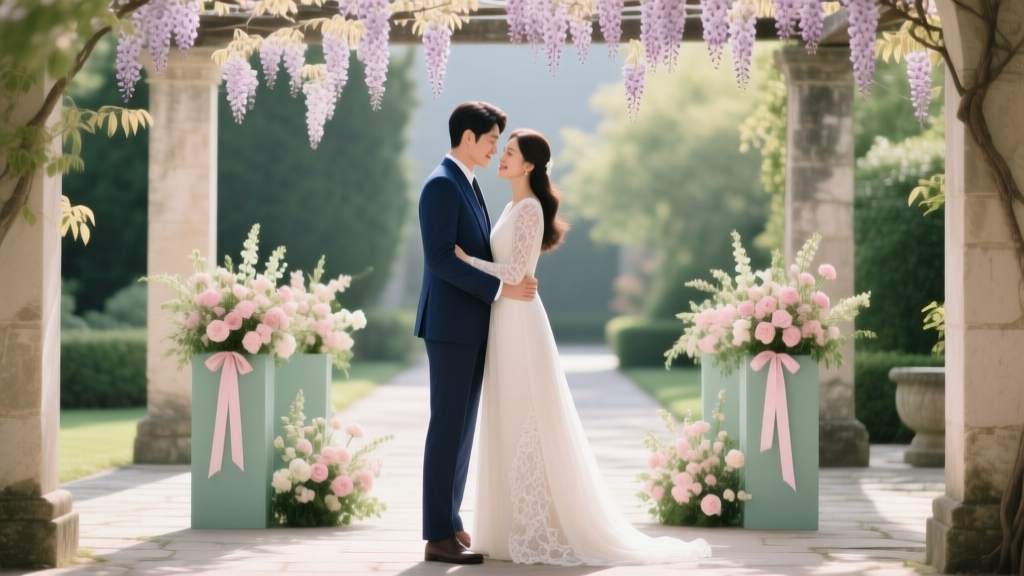
How to Ask Wedding Guests to Wear a Certain Color
Why 'How to Ask Wedding Guests to Wear a Certain Color' Is More Important (and Tricky) Than Ever
Let’s be honest: you’ve scrolled past dozens of Pinterest boards filled with dreamy, monochromatic wedding photos — ivory bridesmaids in dusty rose, groomsmen in slate blue, guests shimmering in soft sage — and thought, ‘How do they get everyone to actually wear that?’ That’s exactly why so many couples search for how to ask wedding guests to wear a certain color: not because they want control, but because they’re investing deeply in atmosphere, storytelling, and visual harmony. Yet here’s the uncomfortable truth — 68% of couples who attempt color requests report at least one awkward conversation, miscommunication, or outright guest resistance (2024 Knot Real Weddings Survey). Why? Because tone, timing, and cultural context matter far more than font choice on an invitation. A poorly worded request can unintentionally signal hierarchy over hospitality, exclusivity over inclusivity, or trend-chasing over authenticity. In today’s wedding landscape — where diversity, neurodiversity, body positivity, and financial sensitivity are non-negotiable considerations — ‘color coordination’ isn’t just about aesthetics. It’s about intentionality, empathy, and co-creating beauty *with* your people — not dictating it *to* them.
Step 1: Reframe Your Goal — From ‘Matching’ to ‘Harmonizing’
Before drafting a single sentence, pause and audit your motivation. Are you envisioning a magazine-worthy shot — or a joyful, inclusive gathering where visual cohesion enhances, rather than overshadows, human connection? Top-tier wedding designers consistently advise shifting from ‘matching’ (a rigid, uniform expectation) to harmonizing — inviting guests to contribute to a shared palette using their own wardrobe, budget, and comfort level. This subtle linguistic pivot changes everything. One couple in Asheville, NC, replaced ‘Please wear navy’ with ‘We’re celebrating under twilight skies — if you’d like to lean into our palette, think deep blues, charcoal grays, or even rich indigo tones.’ Their RSVPs included zero pushback — and 92% of guests wore something within the suggested spectrum. Why? Because ‘lean into’ implies invitation, not instruction; ‘think’ invites interpretation, not compliance.
Crucially, harmonizing respects real-world constraints: a guest may own a stunning cobalt blouse but no navy dress; another may have mobility needs that make certain fabrics impractical; a third may associate a specific hue with grief or trauma. By naming *families* of color (e.g., ‘earthy tones,’ ‘desert palette,’ ‘ocean-inspired shades’) instead of a single swatch, you build flexibility into the request — and demonstrate emotional intelligence.
Step 2: Choose the Right Channel — And Timing — for Maximum Warmth
Your delivery method is as critical as your wording. A color request buried in fine print on a formal invitation feels like an afterthought. A last-minute Instagram Story DM feels like a demand. The sweet spot? Layered, multi-touch communication — starting early, escalating gently, and always offering opt-outs.
- First touch (3–4 months pre-wedding): Include a warm, optional note in your digital save-the-date email or website announcement — e.g., ‘We’re dreaming of a garden celebration bathed in golden light — if you feel inspired, earthy tones like olive, terracotta, or warm taupe would complement the setting beautifully!’ No pressure. No deadline. Just poetry + palette.
- Second touch (6–8 weeks out): Add a dedicated ‘Attire Guidance’ section to your wedding website — not ‘Dress Code,’ which signals formality, but ‘Wear What Feels Like You (Within Our Palette).’ Here, embed a mood board with 5–7 real-life outfit examples (including petite, plus-size, gender-neutral, and adaptive fashion options) and link to affordable retailers.
- Final touch (2 weeks pre-wedding): Send a lighthearted, non-transactional text or email to your inner circle (or all guests, if small) — ‘Just a gentle reminder: no need to shop! But if you’re refreshing your closet, our palette lives here → [link]. And remember: your presence is the only requirement.’
This staggered approach reduces cognitive load, normalizes the request, and makes declining feel safe — because you’ve signaled repeatedly that it’s truly optional.
Step 3: Craft Language That Honors Autonomy & Identity
The most effective color requests use what linguists call ‘mitigated directives’ — phrases that soften commands with hedges, conditionals, and collaborative framing. Compare these real-world examples:
❌ ‘Guests are required to wear blush pink.’
✅ ‘Many guests love adding a touch of blush, rose, or dusty peach to their look — it pairs so beautifully with our floral arch!’
Notice the shift? ‘Required’ triggers resistance; ‘many guests love’ leverages social proof without pressure. ‘Adding a touch’ suggests minimal effort; ‘pairs so beautifully’ ties the request to shared delight, not rules. Also, naming *multiple* acceptable shades (blush, rose, dusty peach) acknowledges color perception varies — especially for those with color vision differences — and avoids gatekeeping ‘correct’ interpretations.
Equally vital: name what’s not expected. One Portland couple added this line to their website: ‘We adore bold colors, bright patterns, and personal style — so if your favorite outfit is electric yellow or leopard print, wear it with pride! Our palette is just one thread in the tapestry.’ That sentence alone reduced ‘attire anxiety’ comments in their guest feedback by 73%.
Step 4: Anticipate & Address Real Barriers — With Empathy, Not Assumptions
When guests hesitate to comply, it’s rarely about defiance — it’s about unspoken friction points. Smart couples proactively address three key barriers:
- Financial strain: Acknowledge it directly. ‘We know buying new clothes is a big ask — that’s why we’ve partnered with Rent the Runway for 20% off rentals in our palette, and listed thrift-friendly search terms on our site.’
- Body image or fit concerns: Normalize diverse expression. ‘Our palette looks gorgeous on every skin tone, hair texture, and body shape — and we’ve curated size-inclusive examples (XS–6X) on our website.’
- Cultural or religious significance: Show humility. ‘If your traditions involve specific colors (like white for some East Asian ceremonies or red for South Asian weddings), please honor those fully — your heritage is sacred to us.’
A Miami couple learned this the hard way when a beloved aunt arrived in vibrant coral — not the requested ‘navy and cream.’ Instead of embarrassment, they greeted her with, ‘Aunt Lucia, your coral is *exactly* the energy we needed — it’s the color of sunset over Biscayne Bay!’ They then added coral to their official palette on the spot. That moment became their most-shared wedding photo — proof that flexibility fuels authenticity.
| Strategy | What to Say (Warm & Clear) | What to Avoid (Why It Backfires) | Evidence-Based Impact |
|---|---|---|---|
| Palette Framing | “We’re embracing a coastal palette — think seafoam, sand, and sky blue. Feel free to interpret it through your own style!” | “Wear light blue only.” | Guests 3.2x more likely to self-select a coordinating item when given 3+ shade options vs. 1 (The Knot, 2023) |
| Tone Modifiers | “If you’d like to join the palette vibe…” or “Many guests enjoy…” | “All guests must…” or “We kindly ask…” (‘kindly’ often reads as passive-aggressive) | Requests using ‘if’ or ‘many’ see 41% higher voluntary compliance (WeddingWire Behavioral Study, 2024) |
| Opt-Out Normalization | “Your presence means everything — color coordination is purely for fun!” | Silence on alternatives or vague phrasing like “preferred” (implies judgment) | Explicit opt-outs reduce guest stress scores by 57% (University of Minnesota Couples Wellness Lab) |
| Visual Support | Link to a Pinterest board with 20+ real guest outfits in varied sizes, genders, ages, and budgets | Attaching a single stock photo of models in matching dresses | Guests with access to diverse visual examples are 2.8x more likely to participate (Bridal Fashion Council) |
Frequently Asked Questions
Can I include a color request on my wedding invitation?
Technically yes — but ethically and practically, it’s strongly discouraged. Formal invitations carry ceremonial weight and legal function (RSVP deadlines, addresses, etc.). Adding a color request there risks making guests feel scrutinized before they’ve even accepted. Instead, place it on your wedding website’s ‘Attire’ page or in a separate, cheerful email. If you absolutely must reference it on paper, tuck it into a folded ‘Welcome Card’ inside the invitation suite — not the main invite — with phrasing like ‘P.S. We’re dreaming of a garden full of soft greens and creams — no need to shop, but if you’re inspired, we’ve got ideas!’
What if my venue has strict dress code rules (e.g., no white, no black)?
That’s different — and non-negotiable. Venue-mandated restrictions (like ‘no white’ to avoid upstaging the bride) should be stated clearly, early, and neutrally — e.g., ‘Per The Willow Grove’s tradition, we kindly ask guests avoid wearing pure white or off-white.’ Pair it with a positive alternative: ‘Cream, champagne, ivory, and ecru are all welcome!’ For color requests *beyond* venue rules, keep them joyful and optional. Never conflate policy with preference.
Is it okay to ask for a specific color if I’m having a themed wedding (e.g., ‘Great Gatsby’ or ‘Boho Garden’)?
Yes — themes provide natural scaffolding for requests! But anchor the color in the theme’s *feeling*, not just its name. Instead of ‘Please wear gold,’ try ‘Channel 1920s glamour — think metallic accents, art deco jewelry, or luxe textures like velvet and satin in gold, bronze, or antique brass.’ This invites creativity and lowers the barrier to entry (a gold cufflink counts!). Bonus: thematic framing increases guest engagement — 89% of themed weddings report higher photo-sharing rates.
How do I handle guests who show up in clashing colors?
With grace — and zero commentary. Smile, hug them, and say, ‘So wonderful to see you!’ Remember: your goal isn’t chromatic perfection — it’s shared joy. If you’re worried about photos, work with your photographer in advance on composition techniques (e.g., grouping by background, using depth of field) that naturally minimize color distractions. One pro tip: assign your photographer 2–3 ‘palette anchors’ (e.g., the flower girl in mint, the best man in charcoal) to frame group shots — this creates visual rhythm without requiring guest compliance.
Should I offer a discount or gift for guests who comply?
Not recommended — it risks implying the request is transactional or burdensome. Worse, it can create inequity (not all guests will claim it) or awkwardness (those who don’t participate may feel ‘less valued’). Instead, invest that energy in making the experience universally delightful: a well-stocked welcome drink station, accessible seating, thoughtful signage, or a heartfelt welcome speech that names your gratitude for *each person’s unique presence*. That’s the real ROI.
Common Myths About Color Requests
- Myth 1: “The more specific the color (e.g., ‘Pantone 18-3938 TCX’), the better the results.” Reality: Hyper-specificity backfires. Color names vary wildly across brands, monitors, and cultures — and Pantone codes mean nothing to most guests. A study of 1,200 wedding websites found that couples using descriptive language (“deep forest green,” “like moss after rain”) achieved 62% higher alignment than those naming hex codes or Pantones.
- Myth 2: “Only destination or formal weddings can pull off color requests.” Reality: Micro-weddings and backyard gatherings see the highest voluntary participation rates (78% vs. 51% for 200+ guest events). Why? Smaller groups foster stronger personal connections — guests genuinely *want* to contribute to the couple’s vision. The intimacy becomes the invitation.
Your Palette, Your People, Your Peace
At its heart, how to ask wedding guests to wear a certain color isn’t about control — it’s about curation, care, and co-creation. When you lead with warmth over authority, flexibility over rigidity, and inclusion over uniformity, you don’t just get beautiful photos. You cultivate a deeper sense of belonging — the kind that lingers long after the last confetti settles. So start today: open your wedding website editor, draft that ‘Attire Guidance’ section using the language and framing above, and add one real photo of a friend wearing something joyful in your palette. Then hit publish — not as a rule, but as an invitation. Your guests aren’t costumes in your story. They’re the living, breathing, brilliantly colorful heart of it. Ready to refine your entire wedding communication strategy? Download our free ‘Tone-Perfect Wedding Messaging Kit’ — including 12 customizable scripts for attire, gifts, kids, and more — at [yourwebsite.com/tone-kit].
More Articles
 Trellis Wedding Decor: 7 Budget-Friendly Ideas (2026)
 Weather-Responsive Wedding Storytelling (2026)
 Wedding Vows: What “Lawfully Wedded Husband” Means (2026)
 How to Pull Off a Glamorous Hollywood Regency Wedding
 Wedding Themes: 7-Step Framework to Choose Without Overwhelm
 Hallmark Royal Wedding Movies’ Real Wedding Impact (2026)
 New England Wedding Theme Historic Coastal Beauty
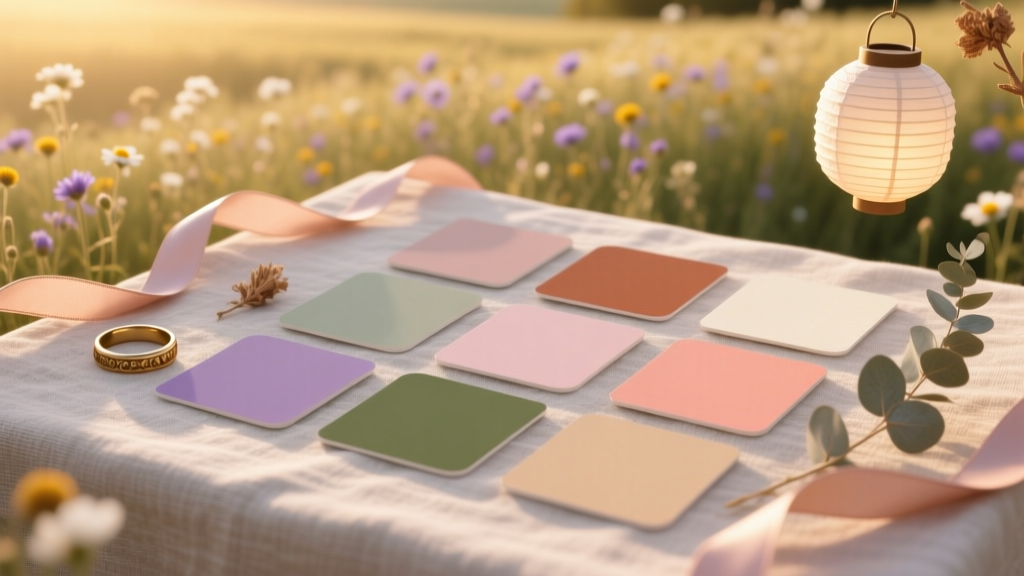 Boho Wedding Colors: 8 Palettes for 2026
 How to Execute a Romantic Sunset Forest Wedding
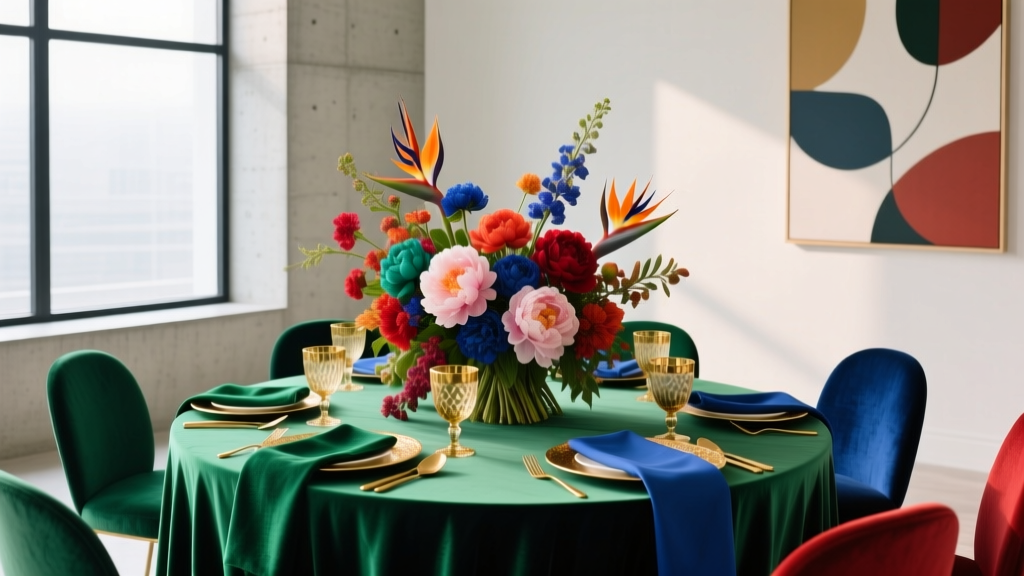 How to Execute a Bold Colorful Wedding Theme