# How to Pick a Wedding Color Scheme You Won't Regret: 7 Proven Steps for 2026
Your wedding color scheme sets the emotional tone for every photo, every flower, and every memory. Get it wrong and your carefully curated day feels off — get it right and everything clicks effortlessly. The good news? Choosing a palette doesn't require a design degree. It requires a clear process.
---
## 1. Start With Your Season and Venue
Your venue and wedding season are your first filter — they eliminate dozens of poor choices before you even begin.
- **Spring weddings** pair beautifully with soft blush, sage green, lavender, and warm ivory.
- **Summer weddings** can handle bold, saturated hues: coral, cobalt, sunflower yellow, or tropical teal.
- **Fall weddings** lean into terracotta, burgundy, burnt orange, and deep plum.
- **Winter weddings** shine with navy, emerald, champagne, deep red, or icy silver.
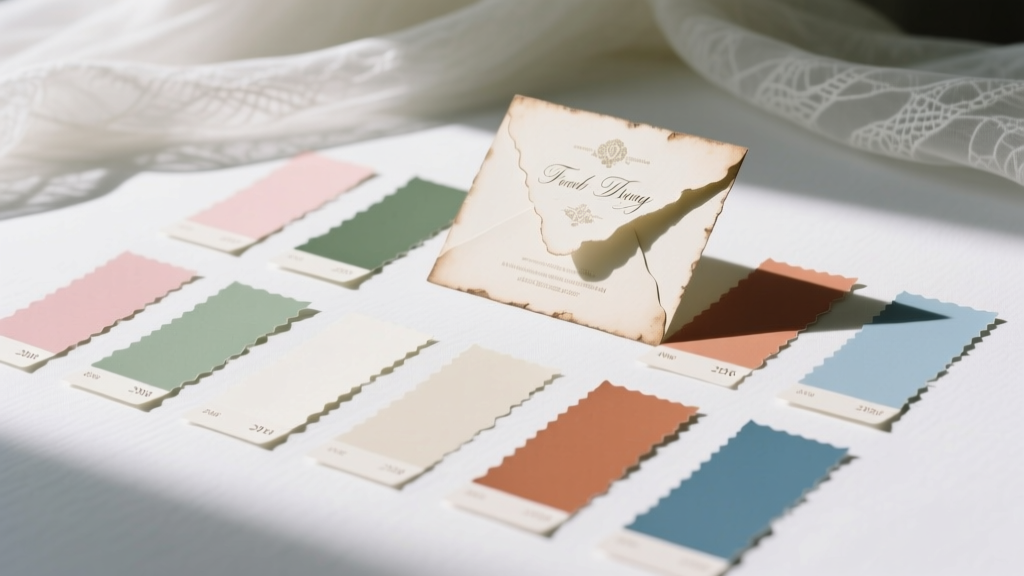
Your venue matters just as much. A rustic barn calls for earthy, muted tones. A modern ballroom can carry jewel tones or metallics. A garden venue begs for soft, botanical palettes. Pull a photo of your venue and hold color swatches against it — if they clash, move on.
**Pro tip:** Check your venue's existing fixed elements — carpet color, wall paneling, drapery. These cannot be changed and must harmonize with your palette.
---
## 2. Use the 60-30-10 Rule
Professional designers use this ratio to build balanced palettes, and it works perfectly for weddings:
- **60% dominant color** — appears in bridesmaid dresses, tablecloths, and major floral arrangements.
- **30% secondary color** — used in groomsmen ties, accent florals, stationery, and cake details.
- **10% accent color** — reserved for candles, ribbon, small details, and personal touches.
For example: Sage green (60%) + dusty rose (30%) + gold (10%) creates a cohesive, layered look without feeling monotonous.
Limit your palette to 2–3 colors maximum. Couples who try to incorporate 5+ colors often end up with a chaotic visual result that photographs poorly.
---
## 3. Consider Skin Tones and Wearability
A color that looks stunning on a mood board can wash out your wedding party in person. Before committing:
- **Warm skin tones** (golden, olive, bronze undertones) glow in earthy shades — terracotta, warm peach, mustard, rust, and warm greens.
- **Cool skin tones** (pink, red, or bluish undertones) look best in jewel tones — sapphire, emerald, berry, and cool lavender.
- **Neutral skin tones** have the most flexibility and can wear most palettes well.
Order fabric swatches and hold them against your bridesmaids' skin in natural light — not just indoor lighting. What looks perfect on a screen can look sallow or harsh in person.
**Data point:** According to wedding industry surveys, dusty blue, sage green, and terracotta have ranked as the top three most-requested bridesmaid palette colors for three consecutive years (2023–2025), largely because they flatter a wide range of skin tones.
---
## 4. Build Your Palette Around One Anchor Piece
The easiest way to build a cohesive color scheme is to start with one anchor piece you already love:
- A fabric swatch from a bridesmaid dress you adore
- A floral inspiration photo
- A piece of art or a meaningful object
- Your engagement ring's gemstone color
Once you have your anchor, use a free tool like **Coolors.co** or **Adobe Color** to generate complementary, analogous, or triadic color combinations. These tools show you which colors naturally harmonize with your starting point.
From there, test your palette in real life: print it out, hold it next to venue photos, and look at it in different lighting conditions — daylight, candlelight, and indoor fluorescent.
---
## Common Mistakes (And the Myths Behind Them)
### Myth 1: "White is always a safe neutral base."
White is not neutral in photography — it reflects surrounding colors and can appear blue, yellow, or pink depending on lighting. Many couples who build their palette around pure white are surprised when their photos have an unexpected color cast. **Use warm ivory or soft cream as your base instead.** These tones photograph warmly and complement almost every palette.
### Myth 2: "You should match your colors exactly across every element."
Perfect color matching across florals, fabric, paper, and lighting is nearly impossible — and chasing it causes unnecessary stress and expense. Florists cannot guarantee an exact shade match between a peony and a ribbon. **Aim for harmony, not uniformity.** Slight variations in tone and texture within the same color family actually add depth and visual interest to your photos.
---
## Conclusion
Choosing your wedding color scheme is one of the most impactful decisions you'll make — and one of the most enjoyable when you follow a clear process. Start with your season and venue, apply the 60-30-10 rule, test colors against real skin tones, and anchor your palette to something you already love.
**Your next step:** Pull three venue photos and three floral inspiration images, then identify the two colors that appear most consistently across all of them. That overlap is your palette's starting point.
Need help visualizing your palette in action? Browse real wedding galleries filtered by color scheme to see exactly how your chosen hues translate from mood board to reality.
 Country Wedding Netflix Inspiration (2026)
 What Makes a Perfect Wedding Hallmark?
 Minimalist Wedding Theme Less Is More Philosophy
 How to Execute a Romantic Mountain Ocean Wedding
 How to Plan a Romantic English Garden Wedding
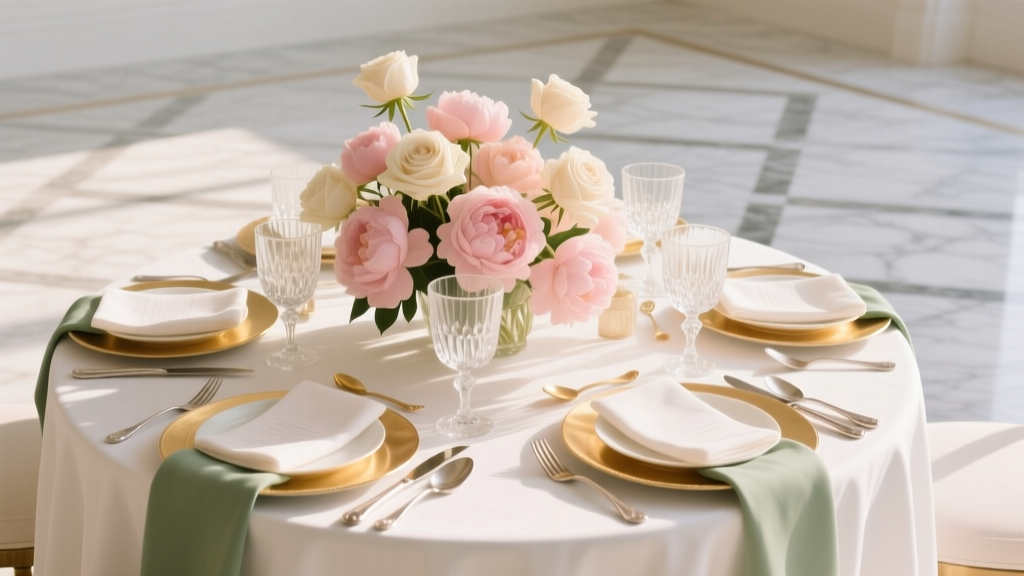 Modern Minimalist Wedding: Elegant Ideas
 Rustic Elegant Wedding Refined Country Style
 Wedding Cookies That Match Your Theme: 7 Must-Do Steps
 Top Wedding Themes 2026: Real Data & Trends
 Wedding Themes: 7-Step Framework to Choose Without Overwhelm