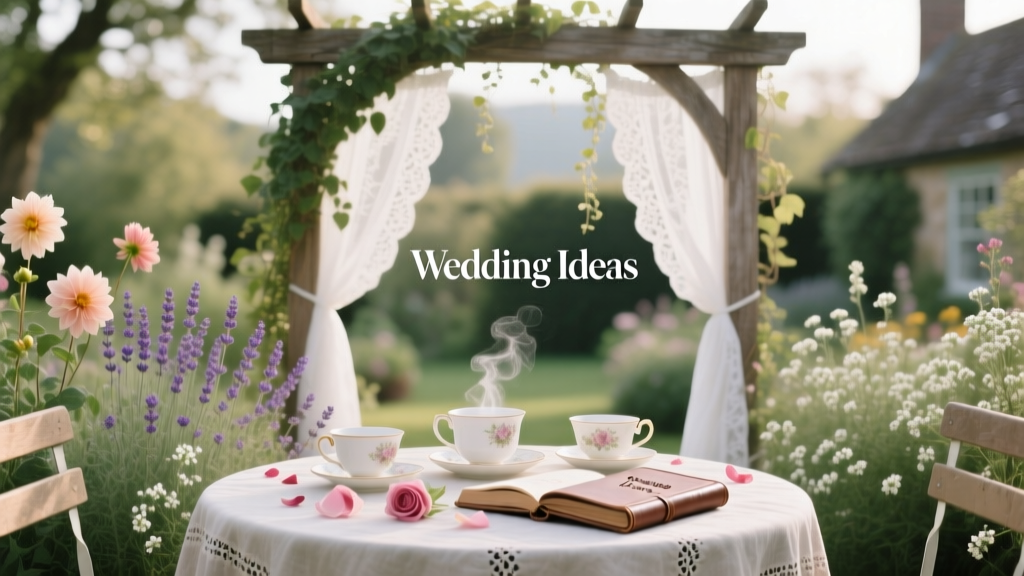
How to Plan a Cottage Garden Wedding
Picture a ceremony path lined with foxgloves and delphinium, petals scattered as if the breeze did it for you. Guests arrive to the soft clink of glassware, the scent of herbs warming in the sun, and tables dressed in linen that looks gently lived-in—like it belongs to the landscape. A cottage garden wedding doesn’t feel “staged.” It feels found: romantic, slightly wild, and deeply personal.
This theme is for couples who love beauty with soul. The overall mood is abundant but not fussy—an artful mix of seasonal blooms, vintage textures, and intimate details that reward a closer look. It aligns beautifully with what couples are asking for right now: design-forward weddings that still feel relaxed, nature-led, and guest-centered. Recent wedding trend reporting across the industry continues to highlight organic floral styling, color beyond neutrals, and experiential touches (like garden cocktails and interactive dessert moments) as major drivers of modern wedding decor choices—while the timeless principles remain the same: harmony, balance, and a clear focal point in every space.
Here’s how to plan a cottage garden wedding that feels effortless (while being thoughtfully designed from the ground up).
Color Palette and Overall Aesthetic
Choose “garden logic” over perfect matching
The cottage garden wedding palette is inspired by how flowers naturally grow together—layered, varied, and slightly unexpected. Instead of one rigid color scheme, aim for a “palette family” anchored by 2–3 core tones plus airy neutrals.
- Classic Cottage: blush, buttercream, soft lavender, sage, antique ivory
- English Garden Bright: cornflower blue, sweet pea pink, marigold, fresh green, crisp white
- Moody Cottage: dusty rose, plum, pale apricot, olive, parchment
- All-White Botanicals (modern cottage): white blooms + layered greens + blackened iron accents
Design principle to follow: keep your “large surfaces” calm and your “small details” playful. Use solids and soft patterns for linens and bridesmaid dresses, then let florals, fruits, ribbon, and stationery bring the charming chaos.
Textures that sell the story
A cottage garden aesthetic is less about sparkle and more about tactile romance:
- stoneware or scalloped porcelain
- linen napkins, gauzy runners, crocheted or lace accents (used sparingly)
- wicker, rattan, raw wood, and aged brass
- handmade paper, deckled edges, silk ribbon
Venue and Setting Recommendations
Ideal venues for a cottage garden wedding
Look for a venue that already has “bones”—natural light, gardens, or character—so your decor enhances instead of builds from scratch.
- Garden estates and conservatories: built-in florals, greenhouse glow, easy rain plan
- Countryside inns and boutique farms: relaxed vibe, organic photo backdrops
- Backyard weddings (elevated): intimate, budget-flexible, perfect for personal details
- Historic homes with courtyards: climbing ivy, stone steps, timeless romance
Setting cues to prioritize
- Light: golden-hour friendly spaces, shaded dinner areas, twinkle-friendly trees
- Landscaping: hedges, wildflower edges, herb beds, climbing vines
- Flow: ceremony near greenery, cocktails in a garden pocket, dinner under canopy or trees
If your venue isn’t naturally garden-forward, you can still create the mood: bring in potted plants, meadow-style ceremony florals, and layered lighting to soften hard edges.
Decor Elements: Centerpieces, Lighting, Signage, and Table Settings
Centerpieces that feel freshly gathered
Cottage garden centerpieces should look abundant but not rigid. Skip perfectly round domes and lean into asymmetry.
- Compote bowls + “spill”: an elevated arrangement with a few stems draping naturally
- Bud vase meadow: 7–15 small vases per table, each with 1–3 stems (mix heights)
- Herb runners: tuck rosemary, mint, and thyme between florals for scent and texture
- Fruit and bloom styling: pears, cherries, apricots, or figs nestled among greenery
Actionable tip: repeat one signature flower in every centerpiece (like garden roses or delphinium) to keep the look cohesive even when varieties change.
Lighting: the secret to “enchanted garden” energy
- Tree canopies: warm string lights woven through branches (not zig-zagged like a patio)
- Tables: clusters of taper candles in mixed holders (aged brass + clear glass)
- Paths: hurricane lanterns or LED candles in glass cylinders for safe glow
- Greenhouse venues: pin spots on centerpieces + candlelight to avoid flat lighting
Choose warm color temperature lighting (around 2700K) so skin tones look romantic, not stark.
Signage and stationery that feels hand-touched
- watercolor or botanical illustrations on invitations
- deckled-edge place cards with calligraphy
- seating chart on an antique mirror or framed linen
- wooden or painted directional signs (“Cocktails This Way”) near garden pathways
For a cottage garden wedding, signage looks best when it feels collected: a few beautiful pieces rather than a matching set everywhere.
Table settings: layered, not cluttered
- Base: ivory or soft pastel linen tablecloth; consider a floral block-print runner for personality
- Plates: mix-and-match vintage china (keep one unifying detail like scalloped edges)
- Glassware: colored goblets (sage, blush, or cornflower) for a trend-forward touch
- Napkins: soft linen with a ribbon tie and a sprig of herbs
Floral Arrangements and Botanical Elements
Signature cottage garden flowers
Let seasonality guide your floral design—this keeps the look authentic and often more budget-friendly.
- Spring: tulips, ranunculus, sweet peas, lilac, anemone
- Summer: garden roses, dahlias, delphinium, cosmos, scabiosa
- Late summer/fall: dahlias, asters, zinnias, spray roses, amaranthus
Add “supporting botanicals” that create that just-picked garden feeling: flowering herbs, jasmine vine, smilax, seeded eucalyptus, and airy grasses.
Statement floral moments (where to spend)
- Ceremony meadow aisle: clusters of ground florals that look like they’re growing from the earth
- Asymmetrical arch: one lush side, one lighter side—more natural and often less costly than full coverage
- Escort card garden: place cards tucked into potted herbs or pinned to climbing greenery
Timeless design rule: create focal points. One breathtaking floral moment plus simpler supporting pieces will always look more intentional than spreading your budget thin across everything.
Attire and Styling Suggestions
For the couple: romantic with a hint of undone
- Wedding dress: soft tulle, lace, flutter sleeves, or a clean silhouette paired with a floral veil
- Suiting: light tan, soft gray, olive, or classic navy; consider a textured fabric like linen blend or tweed (season-dependent)
- Accessories: pearl details, heirloom jewelry, ribbon-tied bouquet, vintage-inspired shoes
Wedding party: coordinated, not identical
Mismatched bridesmaid dresses in a palette family photograph beautifully and feel very “garden.” Choose varied necklines and textures (matte satin, chiffon, crepe) in cohesive tones. For groomsmen, mix ties and pocket squares with subtle floral prints.
Beauty: soft focus, fresh, and luminous
- glowy skin, rosy cheeks, blurred lip color
- loose waves, braided details, or low chignons with wisps
- floral hair pins or a delicate crown (avoid anything too stiff)
Food, Drink, and Cake Ideas That Match the Theme
Menu ideas: seasonal and garden-led
- Appetizers: cucumber tea sandwiches, herbed goat cheese crostini, peach-and-prosciutto bites
- Dinner: lemon-herb chicken, spring pea risotto, grilled salmon with dill, roasted garden vegetables
- Late-night: mini pies, warm biscuits, or a “garden snack” bar with pickles and cheeses
Signature drinks with botanical notes
- elderflower spritz with mint
- lavender lemonade (spiked or zero-proof)
- rosemary gin fizz
- strawberry basil mocktail served in coupe glasses
Cake and desserts: charming, not over-designed
- Style: semi-naked cake with fresh blooms, pressed-flower detailing, or hand-painted botanicals
- Flavors: lemon elderflower, strawberry shortcake, honey lavender, vanilla with berry compote
- Dessert table: scones, macarons in pastel tones, berry tarts, and petit fours
Budget Tips for Every Price Point
Low-budget cottage garden (smart DIY, high impact)
- use bud vases and grocery-store flowers mixed with foraged greens (only where permitted)
- rent or thrift mismatched vintage vases for that collected look
- focus florals on the ceremony and repurpose to reception
- choose one premium bloom (garden roses) and fill with seasonal supporting flowers
Mid-range (designer look with strategic rentals)
- upgrade linens and lighting first—these instantly elevate any venue
- rent vintage china or colored glassware for trend-forward tables
- invest in a statement escort display or a floral arch piece
Luxury cottage garden (immersive, editorial)
- layered floral installation over the head table or dance floor (kept airy, not heavy)
- custom botanical stationery suite with hand-painted motifs
- specialty lighting design (pin spotting + candlelight + canopy lights)
Real-World Inspiration Scenarios
Scenario 1: Backyard cottage garden wedding with curated charm
A tented dinner under string lights, long farm tables, and a bud vase meadow running the length of each table. A vintage bar cart serves elderflower spritzes. The ceremony backdrop is a simple wooden arbor dressed on one side with climbing greenery and soft blush blooms. Guests leave with potted thyme as favors—practical, fragrant, and perfectly on theme.
Scenario 2: Greenhouse wedding with modern cottage elegance
Crisp white blooms, layered greens, and black ribbon details set against glass walls and warm candlelight. Place cards are handwritten on deckled paper, tucked into small terracotta pots. The cake is white with pressed flowers, displayed among citrus branches and votives for a still-life moment that photographs like a magazine spread.
Scenario 3: Estate garden wedding with bright seasonal color
Bridesmaids in a spectrum of soft pastels. Centerpieces mix delphinium, cosmos, and dahlias in scalloped compotes. Cocktail hour is staged on the lawn with floral-print lounge pillows. A “pick-a-bloom” flower bar lets guests create tiny bouquets—an experience-forward detail that aligns with today’s trend toward interactive, memorable wedding moments.
Common Mistakes to Avoid
- Over-matching everything: cottage garden style thrives on variety. Keep cohesion through repeated tones and textures, not identical items.
- Ignoring seasonality: forcing out-of-season blooms can inflate your floral budget and look less natural. Let the garden guide you.
- Too many small decor pieces: lots of trinkets can read cluttered. Prioritize a few intentional statement moments.
- Forgetting comfort: garden weddings need shade, bug control, and a weather plan. Beautiful design should also feel good for guests.
- Cool-toned lighting: it can turn romantic florals harsh. Warm lighting keeps the atmosphere soft and flattering.
Make the Cottage Garden Theme Your Own
The most memorable cottage garden weddings don’t look “perfect”—they look alive. They feel like an afternoon that unfolded naturally: a bouquet that could have been gathered from the path, a table that invites guests to linger, a dance floor glowing under trees. Start with your palette, anchor your space with one or two focal floral moments, then layer in textures and lighting that make everything feel warm, intimate, and slightly enchanted.
Give yourself permission to personalize: include a favorite flower even if it’s unconventional, serve a family recipe alongside garden cocktails, or use heirloom pieces as decor. That’s the real cottage magic—romance rooted in reality.
If you’re collecting ideas for your celebration, explore more wedding theme inspiration and decor guides on weddingsift.com and find the style that feels like home.
More Articles
 Cottagecore Wedding Inspiration Countryside Romance
 Martha's Vineyard Wedding Theme Island Sophistication
 Caribbean Wedding Theme Island Rhythm and Color
 Engagement Bands: Building Loyalty & Revenue
 Wedding Wand ACNH: How to Get It in 2026
 Royal Christmas Wedding Lessons for Real Couples
 How to Plan a Classic Black and White Wedding
 Southwestern Wedding Theme Desert Southwest Beauty
 How to Create a Rustic Barn Wedding That Wows
 A Wedding and Four Funerals": Hidden Symbolism (2026)