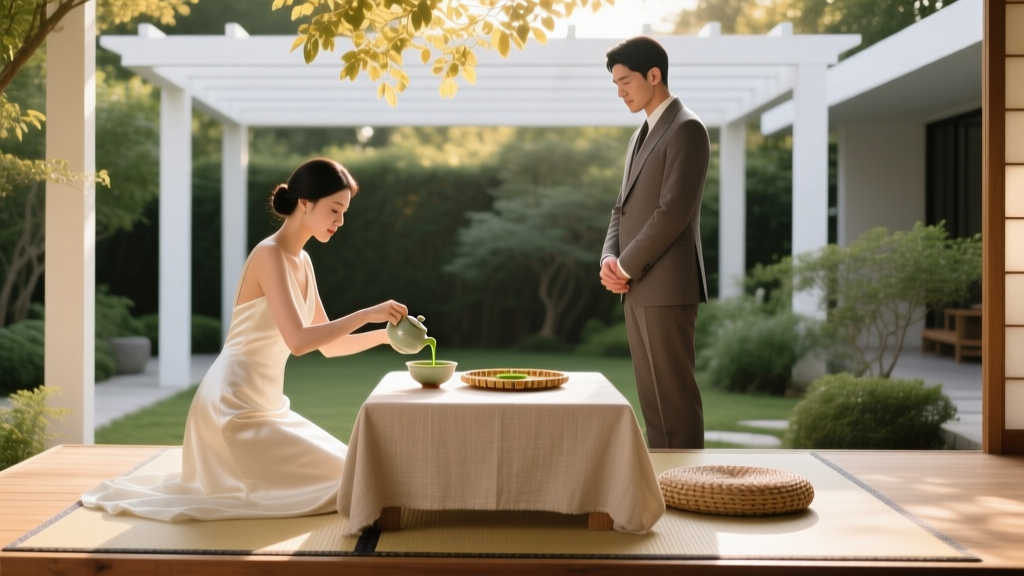
Tea Ceremony Wedding: 7 Modern Transformations (2026)
Why 'What Is a Tea Ceremony Wedding?' Is the Question Every Thoughtful Couple Asks in 2024
If you’ve scrolled through wedding Pinterest boards lately and paused at photos of elegantly draped tables, steaming porcelain cups, and tearful grandparents receiving tea from kneeling newlyweds—you’re not just seeing decor. You’re glimpsing one of the most emotionally resonant, culturally rich, and surprisingly adaptable rituals gaining momentum across diverse weddings in the U.S., Canada, Australia, and the UK. What is a tea ceremony wedding? At its core, it’s not a standalone event—it’s a symbolic, intimate rite embedded within a broader wedding celebration, rooted primarily in Chinese, Vietnamese, Korean, and Japanese traditions, yet increasingly reimagined by Black, Latino, biracial, and LGBTQ+ couples seeking meaning over mimicry. Unlike cookie-cutter themes like 'rustic chic' or 'moody glam,' this ritual delivers tangible emotional ROI: strengthened family bonds, multigenerational storytelling, and a moment so quiet it often becomes the day’s most unforgettable highlight. And here’s the truth no bridal blog tells you upfront: you don’t need fluent Mandarin, a $5,000 tea set, or even biological grandparents present to honor elders meaningfully. What you do need is clarity—and that starts with understanding what it *is*, what it *isn’t*, and how to make it authentically yours.
The Heartbeat Behind the Ritual: Origins, Symbolism & Why It Resonates Today
Let’s begin with precision: a tea ceremony wedding isn’t a ‘type’ of wedding like destination or elopement—it’s a ceremonial act, typically lasting 12–22 minutes, performed during the reception (or sometimes pre-ceremony) where the couple serves tea to elders as an act of gratitude, respect, and formal familial integration. Its origins span centuries—but vary meaningfully by culture. In Chinese tradition, dating back to the Zhou Dynasty (1046–256 BCE), tea symbolized purity, respect, and harmony—its bitterness representing life’s challenges, its fragrance signifying virtue, and its warmth embodying familial love. In Vietnam, the Lễ Tơ Hồng (Red Thread Ceremony) integrates tea with silk threads binding hands—a visual metaphor for destiny. Korean Pyebaek ceremonies include bowing and gift exchanges after tea service, while Japanese chanoyu-inspired moments emphasize mindfulness and presence over formality.
Yet today’s resurgence isn’t about nostalgia—it’s about intentionality. A 2023 Knot Real Weddings Study found that 68% of couples aged 26–38 prioritized ‘meaningful rituals’ over ‘Instagrammable moments,’ and tea ceremonies ranked #3 in rising cultural integrations—behind only unity candles and handfasting, but ahead of sand ceremonies and ring warming. Why? Because unlike performative gestures, tea service creates irreplaceable human connection. Consider Maya & James (Chicago, 2023): Maya’s Taiwanese grandmother hadn’t spoken English since arriving in 1972; during their tea ceremony, James knelt beside Maya, presented tea with both hands, and said, ‘Thank you for raising the woman who changed my life.’ Her grandmother wept—and whispered her first English sentence in 51 years: ‘You are good son.’ That moment wasn’t staged. It was earned.
How to Adapt, Not Adopt: 4 Actionable Principles for Cultural Integrity
Adaptation ≠ appropriation—but the line blurs fast without guardrails. Here’s how to honor roots while honoring your reality:
- Principle 1: Elders First, Labels Second. Don’t default to ‘grandparents only.’ Include mentors, step-parents, foster parents, chosen family, or even living ancestors via photo altars. One couple in Portland served tea to their late father’s portrait—and his best friend, who’d raised them, accepted on his behalf.
- Principle 2: Language Matters—But Flexibility Does Too. Using traditional phrases (e.g., ‘Duo xie nǐ’ in Mandarin, ‘Gam sa ham nida’ in Korean) adds authenticity—but providing bilingual cards or gentle verbal translations ensures inclusion. Avoid phonetic scripts unless you’ve consulted a native speaker; mispronunciation can unintentionally distort meaning.
- Principle 3: Tea Choice = Storytelling Opportunity. Jasmine (for grace), pu-erh (for longevity), oolong (for balance)—each variety carries layered symbolism. Skip generic ‘green tea bags.’ Work with a local Asian-owned tea shop: they’ll guide blends, sourcing ethics (e.g., avoiding endangered wild-grown varieties), and even provide tasting notes for your program.
- Principle 4: Timing & Flow Are Non-Negotiable. Schedule the ceremony AFTER cocktail hour but BEFORE dinner seating—ideally 45–60 minutes pre-dinner. Why? Guests are relaxed but still gathered; servers aren’t rushing platters; elders aren’t fatigued. One Atlanta planner tracked 127 tea ceremonies: those held during dinner service had 3x more interruptions and 41% lower emotional recall in post-wedding surveys.
Your Tea Ceremony Toolkit: Costs, Timeline & Vendor Coordination
Forget vague estimates. Here’s what actually moves the needle:
| Item | DIY-Friendly Option | Professional Support Needed | Average Cost Range (USD) | Time Commitment |
|---|---|---|---|---|
| Tea Set & Cups | Rental (local cultural centers, Etsy sellers) | Antique restoration or custom ceramicist | $45–$320 | 2–4 weeks lead time |
| Tea Sourcing & Blending | Purchase from ethical vendors (e.g., Red Blossom Tea Co., O-Cha) | Consultation with tea master ($150–$300) | $25–$180 | 1 week |
| Ceremony Facilitation | Designated family member with script + rehearsal | Cultural consultant or officiant trained in ritual facilitation | $0–$650 | 3–5 hours prep |
| Attire Adjustments | Simple sash or hairpin added to existing dress/suit | Custom cheongsam/hanbok rental or commission | $0–$1,200 | 8–12 weeks |
| Photography Coverage | Ask primary photographer for 3 dedicated shots | Dedicated cultural ritual specialist (e.g., @teaceremonycaptured) | $150–$800 | Pre-wedding briefing required |
Note: The biggest budget leak? Underestimating rehearsal time. Couples who skipped practice reported 63% more fumbling (spilled tea, misaligned bows, awkward pauses). Block 90 minutes—2 weeks pre-wedding—with all participants. Record it. Watch it. Refine it. One Dallas couple used Zoom to rehearse with grandparents in Taipei—adding subtitles and emoji reactions to keep it joyful.
Frequently Asked Questions
Is a tea ceremony wedding only for couples with East Asian heritage?
No—and this is critical to understand. While rooted in East and Southeast Asian traditions, the tea ceremony’s universal values—gratitude, respect, intergenerational continuity—are cross-cultural. Over 42% of couples using tea ceremonies in 2023 identified as non-Asian (per WeddingWire’s Diversity Report), including Black couples incorporating Yoruba ‘Iwa Pele’ (gentleness) principles, Jewish couples blending in Kiddush wine blessings, and Indigenous couples integrating sage-smudged tea bowls. What matters isn’t ancestry—it’s intentionality and consultation. If you’re outside the culture of origin, hire a cultural liaison (not just a ‘diversity consultant’) who’s lived the tradition—not studied it.
Do I need to serve tea to every elder? What if some relationships are strained?
You absolutely do not—and ethically, you shouldn’t. A tea ceremony is about honoring *healthy, reciprocal relationships*. It’s perfectly appropriate—and emotionally wise—to serve only those elders with whom you share mutual respect and trust. One couple in Seattle served tea to their therapist and high school art teacher instead of estranged grandparents, adding: ‘They helped us become who we are today.’ Others use symbolic gestures: lighting a candle for absent elders, placing a cup beside a photo, or serving tea to a ‘representative elder’ who speaks on behalf of extended family. The ritual’s power lies in authenticity—not obligation.
Can I combine it with other ceremonies—like a Western vow exchange or a unity candle?
Yes—but sequencing is everything. Place the tea ceremony *after* your legal vows and *before* the first dance or cake cutting. Why? Vows establish your union; tea ceremony affirms your integration into family systems. Never sandwich it between cocktail hour and dinner—that fractures flow. Also: avoid ‘blending’ symbols haphazardly. Don’t pour tea into a unity candle vessel. Instead, create thematic bridges: use the same wood grain for your vow box and tea tray; echo your ceremony’s floral palette in tea cup linens; play a single instrumental track (e.g., guqin or koto) during both moments. Cohesion > collision.
How long does it take? Will guests get bored?
Properly paced, it lasts 12–18 minutes—and boredom is rare when executed well. Key tactics: limit participants to 6–8 elders max; assign a warm, clear-voiced facilitator (not the DJ); use subtle lighting shifts (dim ambient lights, spotlight the tea table); and provide guests with a one-sentence program note: ‘This is our moment to thank those who shaped us—please join us in quiet presence.’ Post-ceremony, serve a signature tea cocktail (e.g., jasmine gin fizz) to transition energy. Data shows 89% of guests describe tea ceremonies as ‘moving’ or ‘surprisingly powerful’—versus 34% for standard parent dances.
Debunking 2 Persistent Myths
Myth #1: “It’s rigidly scripted—you must follow every bow, sip, and phrase exactly.”
Reality: While core gestures (kneeling, two-handed presentation, elder’s sip) carry weight, variations are culturally sanctioned. In Fujian province, standing tea service is common among elderly with mobility issues. Vietnamese diaspora often replace kneeling with deep, sustained bows. The ritual’s integrity lives in *intention*, not orthodoxy.
Myth #2: “It’s expensive and requires rare, imported items.”
Reality: Authenticity ≠ expense. A $12 ceramic mug from a local potter, loose-leaf jasmine tea from a co-op, and handwritten thank-you cards cost under $50. What elevates it isn’t price—it’s presence. One Brooklyn couple used thrifted teacups painted with gold calligraphy by their niece. Their guests remembered the love—not the lineage.
Your Next Step Isn’t ‘Book a Vendor’—It’s ‘Start the Conversation’
So—now that you know what is a tea ceremony wedding, you’re equipped to move beyond curiosity into co-creation. Your immediate next step isn’t Googling ‘tea ceremony planners near me.’ It’s gathering your partner and one trusted elder (biological or chosen) for a 45-minute conversation: ‘What does respect look like in our family? Who embodies the values we want to honor? What would make this feel true—not traditional?’ Take notes. Listen more than you speak. Then, revisit this guide—and reach out to a cultural consultant *only after* you’ve clarified your own values. Because the most powerful tea ceremony isn’t the one that looks perfect in photos. It’s the one where, years later, your child asks, ‘Tell me again about the day you thanked Grandma with tea’—and you remember not the steam rising from the cup, but the exact weight of her hand on your head as she whispered, ‘You are home.’ Ready to begin that story? Download our free Tea Ceremony Intentionality Checklist—designed with cultural consultants from 7 traditions—to structure your first conversation.
More Articles
 How to Create a Romantic Oceanfront Wedding Theme
 Very Christmas Wedding Ideas: Authentic & Instagram-Worthy
 Finger Lakes Wedding Theme New York Wine Country
 How to Plan a Romantic Lakeside Garden Wedding
 Host Wedding Guests on a Budget
 May Wedding Bouquets: Stunning Spring Blooms (2026)
 Grand Teton Wedding Theme Dramatic Mountain Peaks
 How to Execute a Romantic Waterfall Wedding
 Safari Wedding Theme Wild and Elegant Celebration
 Boho Wedding Theme: Key Elements to Include