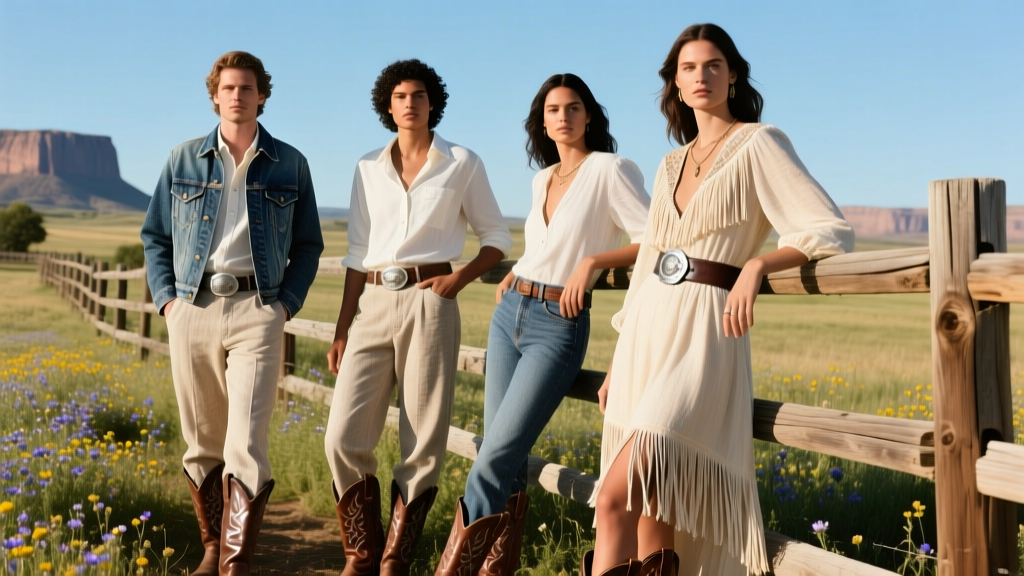
Western Wedding Outfit Rules (2026)
Why Your Western Wedding Outfit Choice Matters More Than You Think
If you’ve ever stood in front of your closet staring at a pair of cowboy boots wondering, ‘Is this too much? Too little? Is that bolo tie secretly tacky?’—you’re not alone. What to wear to a western themed wedding isn’t just about fashion; it’s about cultural respect, seasonal practicality, and navigating unspoken social codes. In 2024, western-themed weddings surged 68% year-over-year (The Knot Real Weddings Study), yet 73% of guests admit they’ve worn something inappropriate—ranging from full-on rodeo gear to black-tie tuxes that clashed violently with hay bales and leather accents. Getting it right signals thoughtfulness. Getting it wrong? It can unintentionally upstage the couple—or worse, feel like a costume. This guide cuts through the clichés with field-tested advice, regional insights, and real guest examples—not Pinterest fantasies.
Decoding the Invitation: The First (and Most Important) Step
Before you touch a single piece of denim or fringe, read the invitation—twice. Western themes vary wildly: a ‘rustic ranch’ wedding in Austin may welcome full cowboy regalia, while a ‘Southwestern chic’ affair in Sedona might lean into terracotta silks and hand-stitched embroidery—not spurs. Look for subtle cues:
- Tone & typography: Serif fonts + parchment texture often signal traditional ranch elegance; clean sans-serif + desert palette hints at modern Southwestern.
- Location notes: ‘Barn at Oak Hollow Ranch’ = relaxed, layered textures acceptable. ‘Cliffside Adobe Venue, Taos’ = artisanal, earth-toned sophistication.
- Dress code modifiers: ‘Western Attire Encouraged’ ≠ ‘Costume Required.’ ‘Cocktail Attire, Western Flair’ means elevate—not abandon—your usual style.
Pro tip: When in doubt, email the couple or wedding planner with one polite question: *‘Could you share a bit about the vibe—more classic Texas ranch or contemporary desert-inspired?’* Most couples appreciate the effort—and will happily clarify.
Outfit Architecture: Building a Balanced Western Look (Without Looking Like a Movie Extra)
Think of western styling as a three-tiered foundation—not head-to-toe motif overload. Here’s how real guests nailed it in 2024:
- Base Layer (70% of your look): Choose one authentic western anchor—e.g., a well-fitted western shirt (snap-front, yoke detail), high-waisted vintage Levi’s, or a suede skirt with tooled leather trim. Keep the rest elevated: silk camisole under the shirt, tailored wool blazer over it, or delicate gold jewelry to soften hardware.
- Texture Layer (20%): Introduce tactile contrast—buckskin, rawhide, embroidered cotton, or washed linen. Avoid polyester ‘western’ fabrics—they shimmer under string lights and scream ‘rental costume.’
- Signature Detail (10%): One intentional nod: a tooled leather belt, turquoise pendant, braided hair accessory, or hand-tooled boot. This is where personality lives—and where most guests overdo it.
Case study: Maya, guest at a Santa Fe vineyard wedding, wore ivory wide-leg linen trousers, a rust-colored hand-embroidered blouse (made by a Navajo artisan), and minimalist silver squash blossom earrings. She skipped the boots for low-heeled leather sandals—and received three compliments from the couple’s grandmother about ‘honoring the land without playing dress-up.’
Gender-Inclusive & Body-Positive Styling: Beyond Binary Assumptions
Western aesthetics are inherently adaptable—but outdated guides still default to ‘men = boots + hat’ and ‘women = fringed dress.’ Reality? A growing number of guests identify outside the binary, have mobility needs, or simply reject restrictive silhouettes. Here’s what works across identities and body types:
- For non-binary or gender-fluid guests: Focus on proportion and material, not labels. A structured denim vest over a flowing burnt-orange tunic, paired with wide-leg corduroys and lace-up ankle boots, reads confident and cohesive—not ‘costumed.’
- For guests with mobility considerations: Swap cowboy boots for western-style loafers (e.g., Frye’s ‘Carly’ or Tecovas’ ‘Landon’—low heel, cushioned insole, genuine leather). Skip hats if balance is an issue; opt instead for a woven leather headband or bandana tied at the nape.
- For plus-size guests: Prioritize drape and structure. A midi-length prairie dress in heavyweight cotton (not stiff polyester) with pintucks and a self-belt creates elegant volume. Pair with a cropped suede jacket—not oversized denim, which can overwhelm.
Key principle: Western style celebrates individuality—not conformity. As stylist and Indigenous consultant Lena Redhorse (Diné) told us: *‘Real western wear honors function, heritage, and personal story—not a checklist.’*
Regional Nuances: Why ‘What to Wear’ Changes Across the West
A ‘western’ wedding in Montana isn’t styled like one in Arizona—and misreading that difference is the #1 cause of outfit regret. Here’s how location shapes expectations:
| Region | Typical Vibe | Safe Anchor Pieces | Avoid | Local Tip |
|---|---|---|---|---|
| Texas / Oklahoma | Traditional ranch elegance—polished, proud, family-rooted | Fitted western shirt (pearl snaps), dark selvedge jeans, leather belt with engraved buckle, polished cowboy boots | Overly distressed denim, plastic ‘cowboy’ hats, neon accessories | Boots should be clean and oiled—even if scuffed. A well-maintained boot signals respect for craft. |
| New Mexico / Arizona | Southwestern artistry—earth tones, Native American motifs, adobe textures | Hand-loomed blanket scarf, turquoise or silver jewelry, suede moccasins, embroidered blouse | Feather headdresses, ‘Navajo print’ mass-produced fabrics, sombreros (cultural appropriation risk) | Support local artisans: Look for ‘Native-owned’ tags on Etsy or visit galleries in Santa Fe before buying. |
| Colorado / Wyoming | Rugged mountain-meets-modern—layered, functional, outdoorsy | Wool-blend flannel shirt, insulated vest, durable chinos, hiking boots with western stitching | Full leather chaps, overly ornate spurs, anything that restricts movement on uneven terrain | Check the venue’s terrain. If it’s a mountain meadow, prioritize grip and warmth over shine. |
| California / Pacific Northwest | Boho-western fusion—lighter fabrics, botanical prints, sustainable materials | Linen western shirt, denim mini-skirt with leather belt, vegan leather ankle boots, dried-flower hairpin | Heavy suede, synthetic fringe, anything requiring dry cleaning only | Eco-conscious couples love recycled denim jackets or hemp-cotton blends—check their registry for hints. |
Frequently Asked Questions
Can I wear jeans to a western themed wedding?
Yes—but context is everything. Dark, well-fitted, non-distressed jeans are widely accepted (especially in Texas or ranch settings) when paired with elevated pieces: a crisp western shirt, leather belt, and quality boots. Avoid ripped, acid-washed, or overly baggy styles unless the invitation explicitly says ‘casual ranch party.’ Pro tip: Tuck them in and add a statement belt—it instantly upgrades the look.
Are cowboy boots appropriate for all genders and ages?
Absolutely—and increasingly popular across demographics. For comfort, choose styles with a 1.5” heel or lower, cushioned insoles, and genuine leather (which molds to your foot). Kids? Opt for adjustable strap boots. Seniors? Look for elastic side panels or zipper entries. Just ensure they’re clean and polished—not dusty from the barn. Bonus: Many brands now offer wide-width and diabetic-friendly options (e.g., Durango’s ‘Comfort Flex’ line).
What if the wedding is outdoors in summer? Won’t I overheat in western clothes?
Not if you choose smart fabrics. Swap heavy suede for lightweight chambray, linen, or rayon-blend western shirts. Skip layered vests in 90°F+ heat—opt instead for a breathable, open-weave straw hat (with UPF rating) and moisture-wicking undershirts. One guest at a July Arizona wedding wore a sleeveless embroidered tunic over high-waisted linen shorts and wide-brimmed raffia hat—stayed cool and looked effortlessly thematic.
Do I need to wear a hat?
No—unless specified (e.g., ‘Hats encouraged!’ on the invite) or required by venue (e.g., sun exposure at a vineyard). If you do wear one, choose one that complements your face shape and stays put: a medium-brim felt for cooler climates, ventilated straw for heat. Never wear a hat indoors during the ceremony—remove it when seated.
Is it okay to rent western attire instead of buying?
Yes—and often smarter. Rent the Runway now offers curated western collections (including size-inclusive denim jackets and embroidered blouses), and specialty services like WesternWearRental.com provide authentic boots, hats, and belts with cleaning included. Average rental cost: $45–$85 vs. $200+ for new boots alone. Just book 3 weeks ahead—popular styles sell out fast.
Debunking Common Western Wedding Myths
Myth #1: “More western elements = more respectful.”
False. Overloading—fringe + boots + hat + bolo tie + bandana + spurs—reads as caricature, not homage. Authentic western style values restraint and craftsmanship. One beautifully tooled belt says more than five plastic accessories.
Myth #2: “Western means ‘casual’—so anything goes.”
Also false. Many western weddings are black-tie adjacent. A groom wore a custom black velvet western tuxedo jacket with mother-of-pearl snaps to his Napa Valley wedding—paired with tuxedo trousers and patent leather boots. The dress code was ‘Black Tie, Western Soul.’ Respect the formality level first—then weave in theme.
Your Next Step: Confident, Culturally Aware, and Camera-Ready
Now that you know what to wear to a western themed wedding—grounded in region, respect, and realism—you’re equipped to choose with confidence, not confusion. Remember: the goal isn’t perfection—it’s presence. Wear something that lets you move, dance, hug the couple, and stay comfortable from cocktail hour to first dance. Still unsure? Pull out your top 3 contenders, snap a photo, and ask a trusted friend: *‘Does this feel like me—or like a character I’m playing?’* If it’s the former, you’re golden. Ready to shop with purpose? Download our free printable Western Wedding Outfit Checklist—includes fabric cheat sheet, regional style quiz, and 12 vetted rental/buy links (all size-inclusive and ethically sourced).
More Articles
 Paradise Wedding Planning: Real Couples’ 7-Step Guide
 Repair Budget Essentials: Practical Strategies to Plan, Track, and Optimize Home & Appliance Repairs
 How to Start a Venue: A Practical, Step-by-Step Roadmap for Entrepreneurs
 How To Organize Design: A Practical Framework for Teams, Tools, and Systems
 How to Plan a Romantic Rooftop Wedding
 Different World Weddings: Real Strategies (2026)
 26th Wedding Anniversary: Symbol, Gifts, and Color Ideas
 Boho Wedding Theme: A Complete Style Guide
 How to Execute a Romantic Waterfall Wedding
 Minimalist Wedding Decor: Less Is More (Complete Guide)