How to Start a Wedding Venue Business and Profit Fast
## You Don't Need a Castle to Launch a Thriving Wedding Venue
The wedding industry generates over $70 billion annually in the US alone — and couples are actively searching for unique, memorable spaces. You don't need a historic estate or a million-dollar renovation budget to get started. What you need is a clear plan, the right permits, and a sharp eye for what today's couples actually want. Here's how to start a wedding venue business the smart way.
---
## 1. Validate Your Space and Market Before Spending a Dollar
Before signing leases or pouring concrete, answer three questions:
- **Is there demand in your area?** Search wedding venue availability on The Knot and WeddingWire for your zip code. If venues are booking 12–18 months out, demand is strong.
- **What's your venue's natural advantage?** Barn, rooftop, garden, industrial loft — lean into what the space already offers rather than trying to compete with ballrooms on their own terms.
- **What's your target capacity?** Intimate venues (under 100 guests) have lower overhead and are easier to fill. Larger venues (150–300) command higher per-event revenue but require more staff and infrastructure.
**Actionable step:** Visit 3–5 competitor venues as a prospective couple. Note their pricing, packages, and what they're missing. That gap is your positioning.
---
## 2. Handle Licensing, Zoning, and Insurance Early
This is where most new venue owners get blindsided. Skipping this step can shut you down after your first booking.
- **Zoning approval:** Contact your county planning department. Many residential or agricultural properties require a conditional use permit for commercial events. Budget 2–6 months for approval.
- **Business licenses:** Register your LLC or corporation, obtain a general business license, and check if your state requires a special events license.
- **Liquor licensing:** If you'll allow alcohol (and you should — it significantly increases revenue), decide whether you'll hold the license yourself or require couples to hire a licensed caterer or bartender.
- **Insurance:** You need general liability (minimum $1M per occurrence), liquor liability if applicable, and property insurance. Expect $3,000–$8,000/year depending on capacity and location.
- **ADA compliance and fire codes:** Parking, restroom access, and occupancy limits must meet local codes before your first event.
**Actionable step:** Hire a local attorney familiar with event venue permitting for a one-time consultation ($200–$500). It will save you far more in delays and fines.
---
## 3. Build Your Pricing Model Around Profitability, Not Competitors
New venue owners consistently underprice out of fear. Here's a framework that works:
**Calculate your break-even first:**
- Monthly fixed costs (mortgage/rent, insurance, utilities, staff): e.g., $8,000/month
- Target events per month: 4 Saturday weddings + 2 weekday events = 6
- Break-even per event: ~$1,333
Then price for profit. A mid-market venue in a secondary city can charge $3,500–$7,000 for a Saturday rental. Add-ons (tables, chairs, lighting, day-of coordination) can add $1,000–$3,000 per booking.
**Package structure that converts:**
- **Base rental:** Venue access for X hours, basic tables/chairs
- **Essential package:** Add linens, setup/breakdown, bridal suite access
- **All-inclusive package:** Add coordination, preferred vendor list, décor basics
Most couples book the middle tier. Price accordingly.
**Actionable step:** Use a simple spreadsheet to model 3 scenarios — 50%, 70%, and 90% Saturday occupancy — and confirm your pricing covers costs at 50%.
---
## 4. Fill Your Calendar Before You Open
The biggest mistake new venue owners make: waiting until the venue is "ready" to start marketing. Start 6–12 months before your first available date.
- **List on The Knot and WeddingWire immediately.** These platforms drive the majority of venue discovery searches. Budget $300–$600/month for a basic listing.
- **Build a Google Business Profile** with photos, hours, and a booking inquiry link. Optimize for "wedding venue near [city]" searches.
- **Shoot professional photos before opening.** Hire a wedding photographer for a styled shoot — invite a florist, cake artist, and stationer to participate for free in exchange for portfolio content. Everyone shares the images.
- **Offer a "founding couple" discount** for your first 5–10 bookings. These couples become your testimonials and referral sources.
- **Build vendor relationships early.** Caterers, photographers, and planners refer venues constantly. Host a free open house for local wedding vendors before you open to the public.
**Actionable step:** Create a simple inquiry form on your website (Google Forms works fine to start) and link it everywhere. Respond to every inquiry within 2 hours — speed is a major conversion factor.
---
## Common Myths About Starting a Wedding Venue Business
**Myth 1: "You need a stunning, fully renovated space before you can charge premium prices."**
False. Couples pay for *atmosphere and experience*, not perfection. A well-styled barn with string lights and a clean bridal suite will outbook a half-finished ballroom every time. Focus on one or two wow-factor elements (a great ceremony backdrop, a beautiful bar area) and keep the rest clean and neutral.
**Myth 2: "Weekends are the only profitable days."**
False — and this belief leaves serious money on the table. Friday and Sunday weddings are increasingly popular as couples seek lower venue costs. Micro-weddings (under 50 guests) on weekdays are a fast-growing segment. Corporate events, bridal showers, and engagement parties can fill your calendar Monday through Thursday. A venue running 3 weekend events and 4 weekday events per month is far more profitable than one waiting for Saturdays only.
---
## Your Next Step Starts Today
Starting a wedding venue business is one of the most rewarding entrepreneurial paths in the events industry — but it rewards those who plan before they build. Validate your market, get your permits in order, price for real profitability, and start marketing before your doors open.
**Your one action this week:** Pull up your county's zoning map and confirm your property (or target property) is eligible for commercial event use. Everything else builds from that foundation.
The couples are searching. The dates are waiting. The only thing missing is your venue.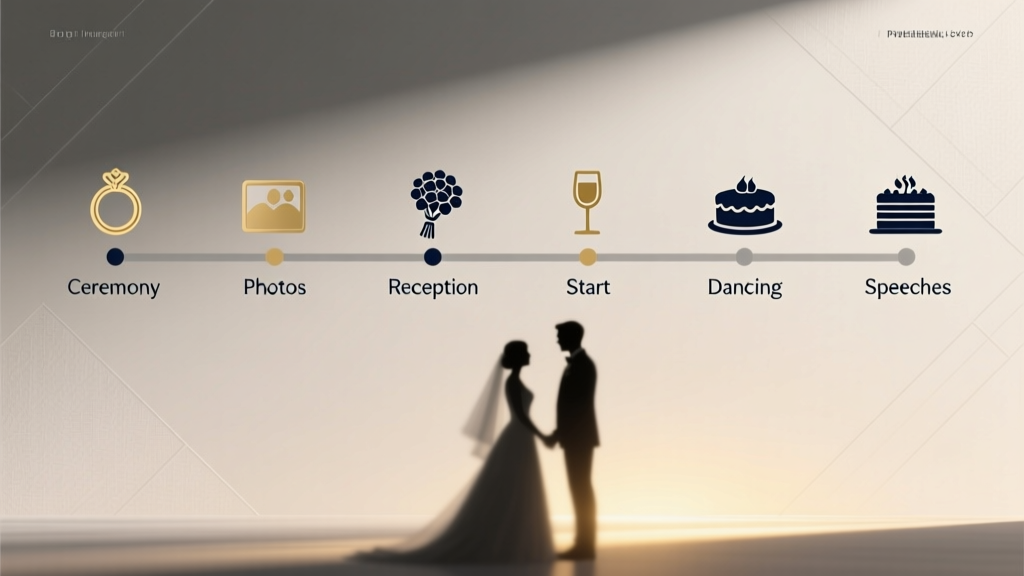 How Long Do Weddings and Receptions Usually Last: Full Timeline
 What Is a Wedding Venue? Everything Couples Need to Know Before Booking
 What Is a Wedding Venue and Why Your Choice Changes Everything
 How to Throw a Beach Wedding Without Letting Sand Ruin Your Big Day
 How Far in Advance Should You Book a Wedding Venue? The Truth Revealed
 How Long Is a Catholic Wedding Ceremony With Mass Really
 How to Book a Church Wedding: 7 Steps Most Couples Miss
 Can You Have a Wedding Ceremony Without a Marriage License? The Truth
 How to Design a Wedding Reception Without Losing Your Mind
 How Long Is an Orthodox Wedding Ceremony: What to Expect