How to Start a Wedding Venue Business: 7 Steps to Profitable Success
# How to Start a Wedding Venue Business: 7 Steps to Profitable Success
The wedding industry generates over $70 billion annually in the US alone, and venues capture the largest single slice of every couple's budget. If you've got the right property — or the vision to find one — starting a wedding venue business can be one of the most rewarding entrepreneurial moves you make. Here's exactly how to do it without the costly trial-and-error most new owners suffer through.
## Step 1: Validate Your Market Before You Sign Anything
Before spending a dollar, research your local wedding market. Use tools like WeddingWire and The Knot to see how many venues operate within a 30-mile radius, what they charge, and what dates they're booking. The sweet spot is a market with 200–400 weddings per year and fewer than 15 established venues.
Talk to local wedding planners — they're your best intelligence source. Ask which venue types are underserved: outdoor barn, industrial chic, garden estate, or intimate micro-venue for 50 guests or fewer (a fast-growing segment post-2020). Your differentiation starts here.
## Step 2: Nail the Legal and Zoning Requirements Early
This is where most aspiring venue owners lose months of time. Zoning laws vary dramatically by county and municipality. A property zoned agricultural or residential may require a conditional use permit or special exception to host commercial events — a process that can take 3–12 months and cost $2,000–$15,000 in fees and legal support.
Key licenses and permits you'll likely need:
- **Business license** from your city or county
- **Certificate of occupancy** for your event space
- **Liquor license** (or a licensed caterer/bar service agreement)
- **Fire marshal inspection and approval**
- **Liability insurance** — budget $3,000–$8,000/year for a venue hosting 100+ guests
Hire a local attorney familiar with event venue law before you commit to a property. It's $500–$1,500 well spent.
## Step 3: Build a Pricing Model That Actually Makes Money
Most new venue owners underprice out of fear and then burn out trying to make up volume. Here's a more sustainable framework:
Calculate your **break-even point** first. Add up your annual fixed costs: mortgage or lease, insurance, utilities, staff, maintenance, and marketing. Divide by the number of events you can realistically host per year (typically 40–80 for a mid-size venue). That's your floor price per event.
Then research competitor pricing. If comparable venues charge $4,000–$7,000 for a Saturday rental, price within that range and compete on value — not discounts. Offer tiered packages: venue-only, venue plus tables/chairs/linens, and full-service with a preferred vendor list. Upsells like rehearsal dinner add-ons, bridal suite access, and Monday–Thursday discounts for off-peak bookings can increase revenue per client by 20–35%.
Target a **gross margin of 55–65%** once you're at operational capacity.
## Step 4: Market Where Couples Actually Search
Your first 10 bookings will likely come from three sources: WeddingWire/The Knot listings, Google Business Profile, and word-of-mouth from local planners. Prioritize these before spending on social media ads.
For organic search, your venue website needs location-specific pages optimized for terms like "[city] wedding venue" and "outdoor wedding venues near [city]." A single well-optimized page can drive consistent inbound leads within 6–12 months.
Instagram and Pinterest matter for visual inspiration, but they convert slowly. Use them to build brand awareness and showcase real weddings — with permission from couples — rather than expecting direct bookings.
Host an **open house or styled shoot** in your first 90 days. Invite 10–15 local vendors (photographers, florists, caterers). They become your referral network, and the photos give you content for the next 12 months.
## Common Mistakes New Venue Owners Make
**Mistake 1: Assuming a beautiful property sells itself.**
A stunning barn or garden means nothing if couples can't find you online or if your inquiry response time is slow. Studies show that venues responding to inquiries within one hour are 7x more likely to book the client. Set up automated email responses and a CRM like HoneyBook or Aisle Planner from day one.
**Mistake 2: Skipping the vendor relationship strategy.**
Many new owners treat vendors as an afterthought. In reality, a single enthusiastic wedding photographer who shoots 40 weddings a year and recommends your venue to half their clients is worth more than $10,000 in advertising. Build a preferred vendor list, treat those vendors like partners, and they'll fill your calendar.
## Start Smart, Scale Intentionally
Starting a wedding venue business is absolutely achievable — but it rewards those who do the groundwork: validating the market, solving zoning early, pricing for profit, and building referral relationships before the first booking.
You don't need a 200-acre estate to succeed. Some of the most profitable venues in the country are intimate spaces hosting 20 events a month at premium prices.
**Ready to take the next step?** Download our free Wedding Venue Business Plan Template and start mapping your path to your first booking. What Is a Wedding Venue? Everything Couples Need to Know Before Booking
 Can You Have a Wedding Ceremony Without a Marriage License? The Truth
 What Is a Wedding Venue and Why Your Choice Changes Everything
 How to Start a Wedding Venue Business and Profit Fast
 How to Design a Wedding Reception Without Losing Your Mind
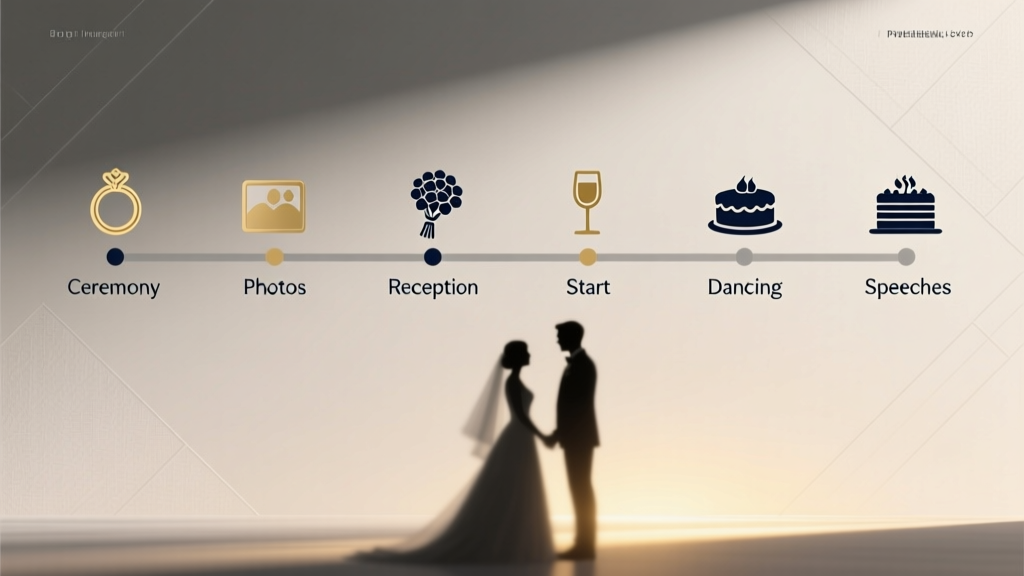 How Long Do Weddings and Receptions Usually Last: Full Timeline
 How Long Are Church Weddings? What Most Couples Don't Expect
 How Long Is a Catholic Wedding Ceremony With Mass Really
 How Far in Advance Should You Book a Wedding Venue? The Truth Revealed
 How Long Is an Orthodox Wedding Ceremony: What to Expect