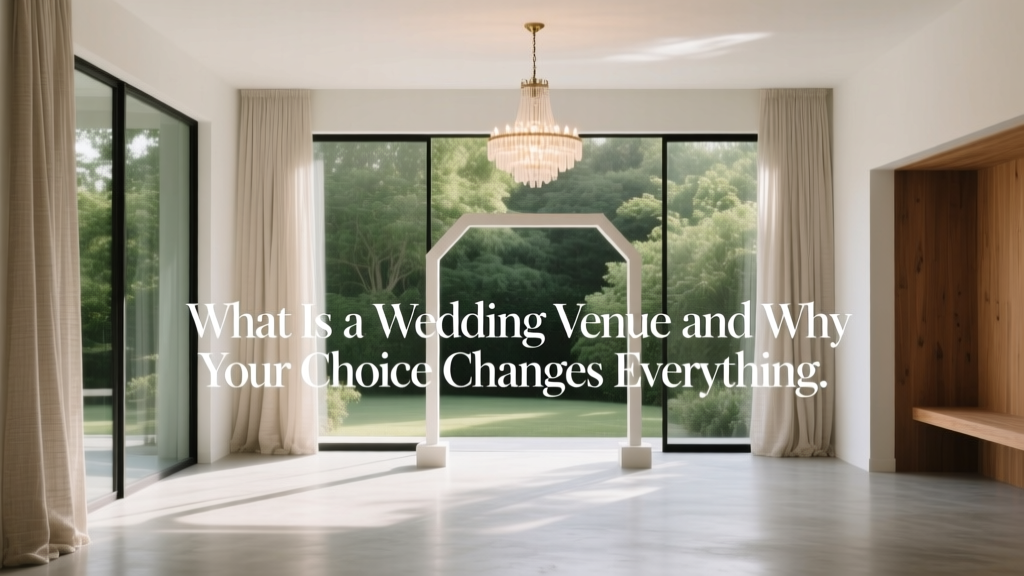
What Is a Wedding Venue and Why Your Choice Changes Everything
## What Is a Wedding Venue — and Why It's the Most Important Decision You'll Make
You've said yes. Now comes the question that shapes every other wedding decision: where will it happen? Your wedding venue isn't just a backdrop — it sets the budget, the guest count, the catering options, and the entire aesthetic of your day. Get this choice right, and everything else falls into place. Get it wrong, and no amount of flowers or lighting will fix it.
---
## What Is a Wedding Venue, Exactly?
A wedding venue is any licensed space where a wedding ceremony, reception, or both take place. That definition is broader than most couples realize.
Venues fall into several categories:
- **Dedicated event spaces** — ballrooms, banquet halls, and wedding-specific facilities built for the purpose
- **Historic and architectural spaces** — mansions, castles, barns, museums, and estates
- **Outdoor and natural settings** — vineyards, gardens, beaches, and parks
- **Hospitality venues** — hotels, resorts, and country clubs
- **Non-traditional spaces** — rooftops, art galleries, breweries, and restaurants
- **Religious venues** — churches, synagogues, mosques, and temples
Each type comes with different rules, pricing structures, and logistical requirements. A hotel ballroom typically includes in-house catering and a coordinator. A raw loft space gives you creative freedom but requires you to bring in everything — tables, linens, catering, even restrooms in some cases.
**Key venue components to understand:**
1. **Ceremony space** — where vows are exchanged
2. **Reception space** — where dining, dancing, and celebrating happen
3. **Cocktail hour space** — often a separate area used during photo time
4. **Getting-ready suites** — bridal and groom suites for pre-ceremony prep
5. **Outdoor grounds** — gardens, terraces, or lawns for photos or overflow
Some venues offer all of these under one roof. Others require you to source ceremony and reception locations separately.
---
## What to Look for When Choosing a Wedding Venue
Once you understand what a wedding venue is, the next step is knowing how to evaluate one. Here's what matters most:
### 1. Capacity and Layout
Every venue has a maximum guest count — and that number is non-negotiable for fire code and insurance reasons. Before falling in love with a space, confirm it comfortably fits your guest list with room for a dance floor, band or DJ setup, and dining tables.
A venue that fits 150 guests for a seated dinner may only accommodate 100 comfortably once you add a band and a photo booth.
### 2. Venue Rental Fee vs. All-Inclusive Pricing
Venues price themselves in two main ways:
- **Rental fee model**: You pay for the space and source all vendors independently. More flexibility, more coordination work.
- **All-inclusive or preferred vendor model**: Catering, bar, and sometimes florals are bundled. Less flexibility, but simpler logistics.
Neither is inherently better — it depends on how much control you want and how much time you have to manage vendors.
### 3. Exclusivity and Time Windows
Ask whether the venue hosts multiple events per day. A venue running a brunch wedding before yours means a hard start time and a rushed setup. Many couples pay a premium for full-day exclusivity.
### 4. Vendor Restrictions
Some venues require you to use their in-house catering or a list of approved vendors. This can limit your options and affect your budget significantly. Always ask for the preferred vendor list and check whether outside vendors are permitted — and at what cost.
### 5. Accessibility and Logistics
- Is there adequate parking or valet service?
- Is the venue ADA accessible for guests with mobility needs?
- What is the load-in and load-out policy for vendors?
- Is there a noise ordinance or end time?
---
## How Much Does a Wedding Venue Cost?
Venue cost is the single largest line item in most wedding budgets, typically representing **25–35% of total spend**.
According to recent industry data:
- **Average US wedding venue cost**: $6,000–$12,000 for a mid-range space
- **Budget venues** (community halls, parks, family property): $500–$3,000
- **Luxury venues** (estates, five-star hotels, destination resorts): $15,000–$50,000+
Factors that drive venue pricing:
- **Day of the week**: Saturday evenings command peak pricing. Friday and Sunday events can save 20–40%.
- **Season**: Peak wedding season (May–October in most of the US) means higher rates. January–March is typically the most affordable.
- **Location**: Urban venues in major metros cost significantly more than rural or suburban alternatives.
- **What's included**: A venue charging $15,000 that includes catering, bar, tables, and a coordinator may be more cost-effective than a $5,000 raw space requiring $12,000 in rentals and staffing.
**Pro tip**: Always ask for an itemized breakdown of what the venue fee includes. Hidden costs — cake cutting fees, corkage fees, mandatory gratuity, overtime charges — can add thousands to your final bill.
---
## Questions to Ask Every Wedding Venue Before Booking
When you tour a wedding venue, come prepared with these questions:
1. What is the maximum seated capacity with a dance floor?
2. Is the venue available for our date, and is a deposit required to hold it?
3. What is included in the rental fee?
4. Do you have a list of required or preferred vendors?
5. What is the rain plan for outdoor ceremonies?
6. Is there a noise curfew or end time?
7. How many events do you host per day?
8. What is your cancellation and rescheduling policy?
9. Is there a bridal suite and groom's room available?
10. What is the parking situation for guests?
Taking notes and photos during each tour makes comparison much easier afterward.
---
## Common Myths About Wedding Venues
**Myth 1: "The venue just provides the space — everything else is up to us."**
Many couples are surprised to discover how much venues control. Preferred vendor lists, mandatory catering minimums, décor restrictions (no open flames, no confetti, no nails in walls), and strict end times are standard. Always read the contract in full before signing. What looks like a blank canvas often comes with significant constraints.
**Myth 2: "Booking early always gets you the best price."**
Booking early secures your date — but it doesn't always mean a lower price. Many venues have fixed pricing regardless of how far in advance you book. Where timing does help is in negotiating: venues with open dates in the near term are sometimes willing to offer discounts or added perks to fill the calendar. Off-peak dates and weekday bookings are consistently more negotiable than peak Saturday slots.
---
## How to Start Your Wedding Venue Search
Now that you know what a wedding venue is and what to look for, here's a simple starting framework:
1. **Set your guest count range first** — this eliminates venues that are too small or unnecessarily large
2. **Establish your venue budget** — aim for 25–30% of your total wedding budget
3. **Decide on indoor, outdoor, or both** — this narrows your venue type significantly
4. **Research 8–10 venues** online before scheduling tours
5. **Tour your top 3–5 in person** — photos never tell the full story
6. **Compare contracts side by side** before making a final decision
Your wedding venue is the foundation everything else is built on. Take the time to find a space that fits your vision, your guest list, and your budget — and the rest of the planning process becomes significantly easier.
**Ready to start? Make a list of your top three venue priorities today — capacity, style, or budget — and use that as your filter for every venue you consider.** How Long Is a Catholic Wedding Ceremony With Mass Really
 How to Design a Wedding Reception Without Losing Your Mind
 How Far in Advance Should You Book a Wedding Venue? The Truth Revealed
 How to Throw a Beach Wedding Without Letting Sand Ruin Your Big Day
 How to Book a Church Wedding: 7 Steps Most Couples Miss
 How Long Are Church Weddings? What Most Couples Don't Expect
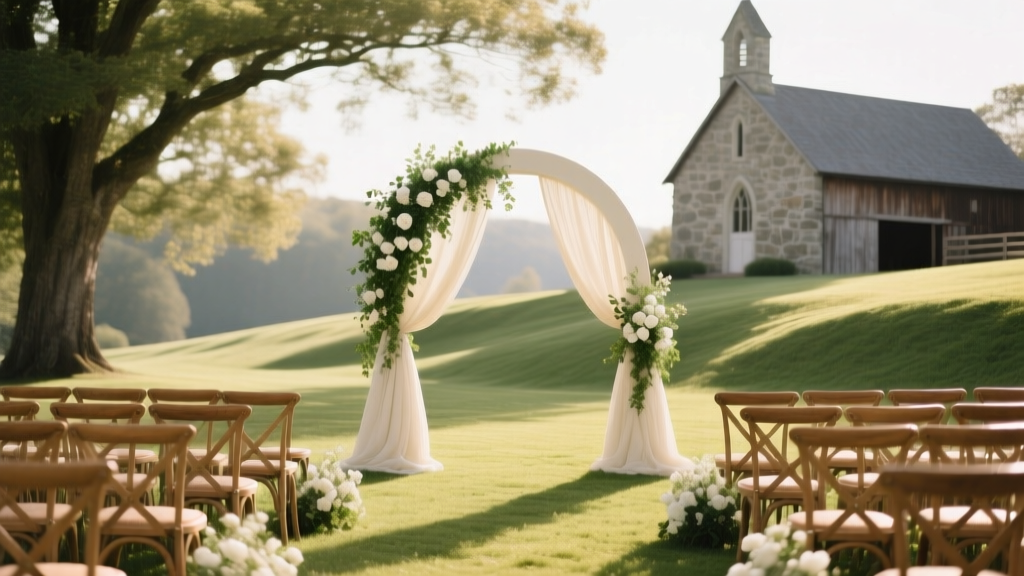 What Is a Wedding Venue? Everything Couples Need to Know Before Booking
 How to Start a Wedding Venue Business: 7 Steps to Profitable Success
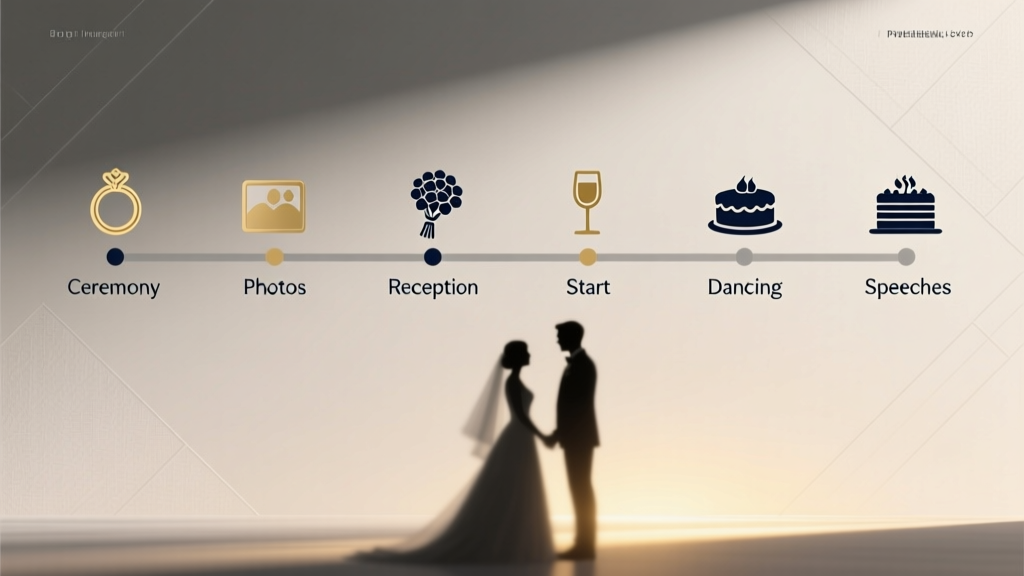 How Long Do Weddings and Receptions Usually Last: Full Timeline
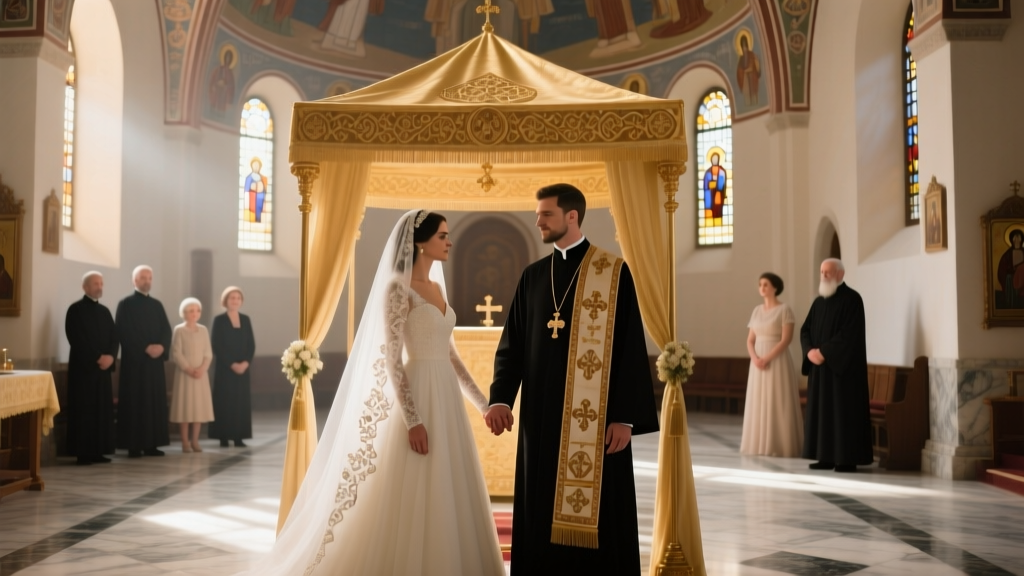 How Long Is an Orthodox Wedding Ceremony: What to Expect