## You Deserve a Beautiful Wedding — But What Will It Actually Cost?
The average couple spends months dreaming about their wedding before they ever look at a price tag. Then reality hits. Venue deposits, catering minimums, photographer retainers — the numbers add up faster than most people expect. So how much does a good wedding actually cost in 2026, and what does "good" even mean? The answer depends on your priorities, your guest count, and where you draw the line between must-have and nice-to-have.
---
## What the Numbers Actually Say: 2026 Wedding Cost Averages
According to recent industry surveys, the average U.S. wedding costs between **$28,000 and $35,000** for roughly 100 guests. But averages are misleading — they're pulled up by luxury events and down by courthouse ceremonies.
A more useful framework is to think in tiers:
| Budget Tier | Estimated Cost | What You Get |
|---|---|---|
| Micro/Intimate (under 30 guests) | $5,000–$12,000 | Simple venue, DIY elements, small catering |
| Mid-range (50–100 guests) | $18,000–$32,000 | Professional vendors, full reception |
| Premium (100–150 guests) | $35,000–$60,000 | Top-tier photography, florals, catering |
| Luxury (150+ guests) | $60,000+ | Designer everything, multiple vendors |
**The biggest cost drivers:**
- **Venue + catering**: typically 45–55% of total budget
- **Photography/videography**: 10–15%
- **Music/entertainment**: 5–10%
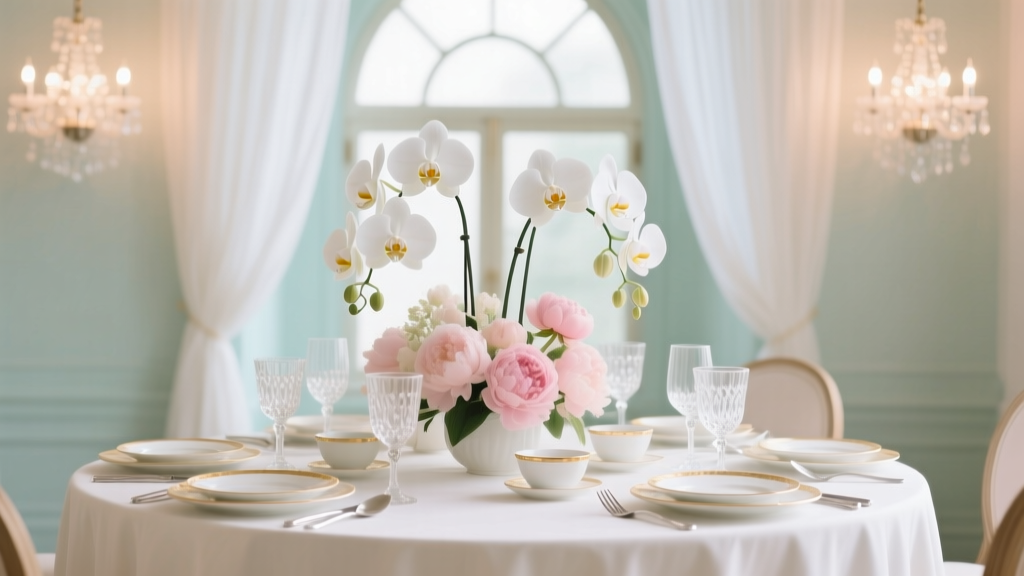
- **Florals and décor**: 8–12%
- **Attire, hair, makeup**: 5–8%
Knowing these percentages lets you make intentional trade-offs rather than discovering you overspent on flowers and have nothing left for the band.
---
## Where to Spend More (and Where to Cut Without Anyone Noticing)
Not all wedding spending is equal. Some investments pay off in memories and guest experience; others are invisible on the day.
**Worth spending more on:**
- **Photography and videography** — these are the only things you'll have in 10 years. Underspending here is the most common regret couples report.
- **Food and drink** — guests remember if they were hungry or if the bar ran dry. Catering quality directly shapes how people feel about your wedding.
- **A good DJ or live band** — music controls the energy of the entire reception.
**Safe places to cut costs:**
- **Florals** — seasonal flowers, greenery-heavy arrangements, and potted plants cost a fraction of exotic blooms and look just as beautiful in photos.
- **Favors** — most guests leave them behind. Skip them or replace with a donation to a cause you care about.
- **Printed stationery** — digital invitations and a wedding website can replace most paper costs.
- **Day-of transportation** — unless your venue logistics require it, a limo or trolley is rarely missed.
- **Cake** — a smaller display cake plus a sheet cake in the kitchen serves the same purpose at half the price.
---
## How Guest Count Controls Everything
If you want to control your wedding budget, the single most powerful lever is your guest list. Every additional guest adds cost in catering (typically $85–$175 per person), seating, favors, invitations, and often venue size.
Cutting from 150 guests to 100 guests can save **$8,000–$15,000** without changing a single vendor.
**Practical steps to manage your guest list:**
1. Start with a "must invite" list — immediate family and closest friends only.
2. Add a "would love to have" list separately.
3. Set a firm number before you start venue shopping, since venues are priced by capacity.
4. Resist parental pressure to add distant relatives until you've confirmed your budget can absorb them.
An intimate wedding with 60 people who genuinely love you will feel more meaningful — and cost significantly less — than a 150-person event full of obligation invites.
---
## Common Myths About Wedding Costs
**Myth 1: "A good wedding has to cost at least $30,000."**
This is simply not true. Thousands of couples have beautiful, memorable weddings for $10,000–$15,000 by prioritizing ruthlessly, choosing off-peak dates (Friday evenings, Sunday afternoons, January–March), and leaning on DIY for décor and stationery. The quality of your wedding is determined by the people in the room and the care you put into the experience — not the dollar amount on the invoice.
**Myth 2: "Vendors charge more when they know it's a wedding."**
While the "wedding tax" is real in some markets, it's not universal — and it's often justified. Wedding vendors work weekends, carry liability insurance, coordinate with multiple other vendors, and are on-call for a high-stakes, once-in-a-lifetime event. The premium reflects real risk and real service. That said, you can reduce costs by booking vendors who also do corporate or portrait work and aren't exclusively wedding-focused.
---
## Your Next Step: Build a Realistic Budget Before You Book Anything
The couples who end up stressed and overspent almost always made the same mistake: they booked a venue before they had a budget. The venue sets the floor for catering minimums, guest count, and décor needs — everything else flows from it.
**Start here:**
1. Agree on a total number with your partner (and any family contributing).
2. Allocate percentages to each category using the breakdown above.
3. Research 2–3 venues in your area to calibrate what your budget actually buys locally.
4. Only then start booking vendors.
A good wedding doesn't have a fixed price tag — it has the right price tag for *your* priorities. Know your number, protect it, and spend it on the things that will matter most when you look back.

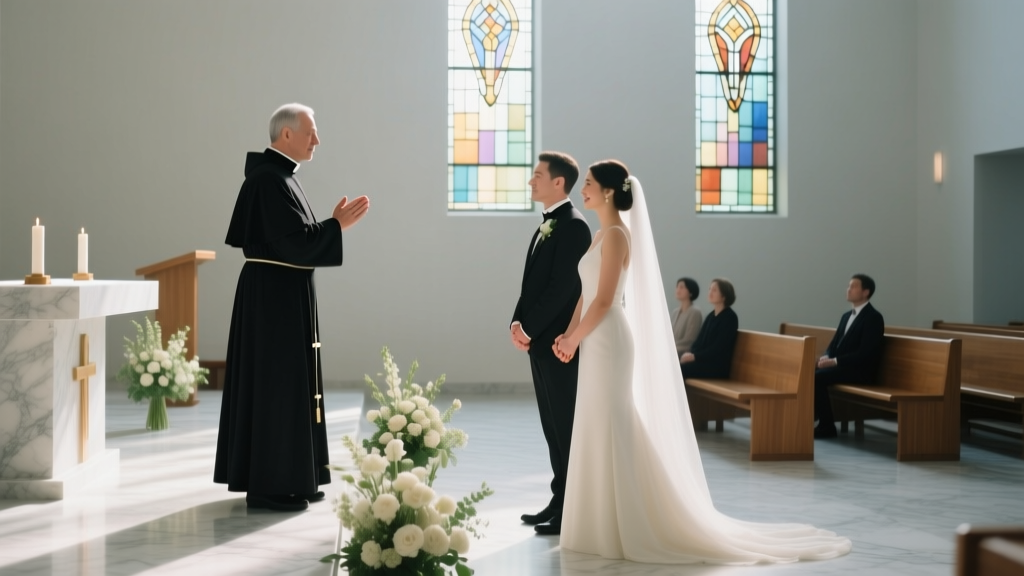 Do You Tip the Priest at a Wedding? The Honest Answer
 7 Hidden Wedding Costs Couples Miss
 How Much Does a Wedding Event Planner Cost: The Real Numbers
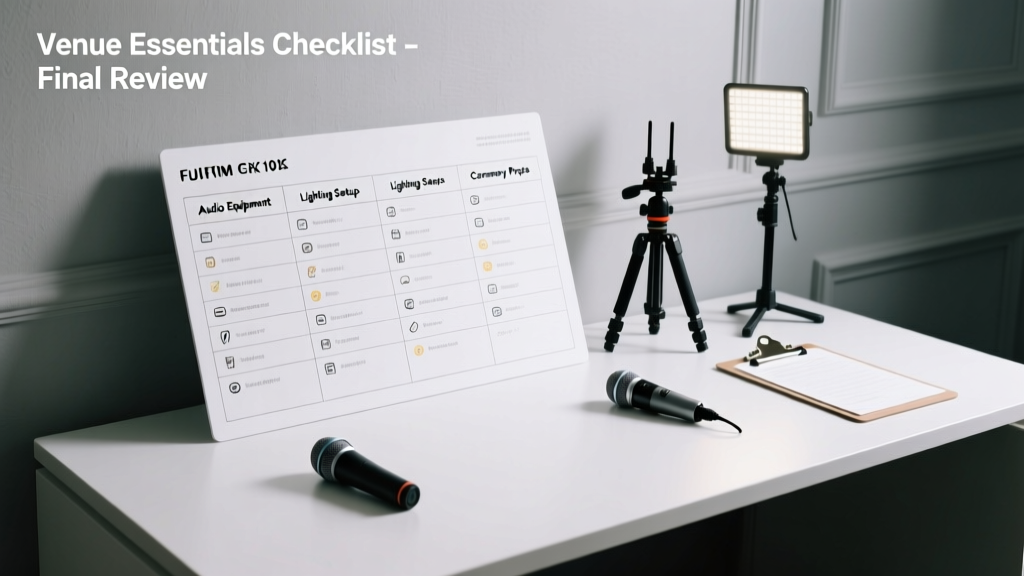 Venues Tools Checklist: A Field-Tested, Budget-Savvy Resource for Event Planners
 How To Clean Really: A Budget Expert’s No-Nonsense, Science-Backed Protocol
 Wedding Flowers on a $500 Budget
 How Much Should a Wedding Present Cost: The Honest Guide
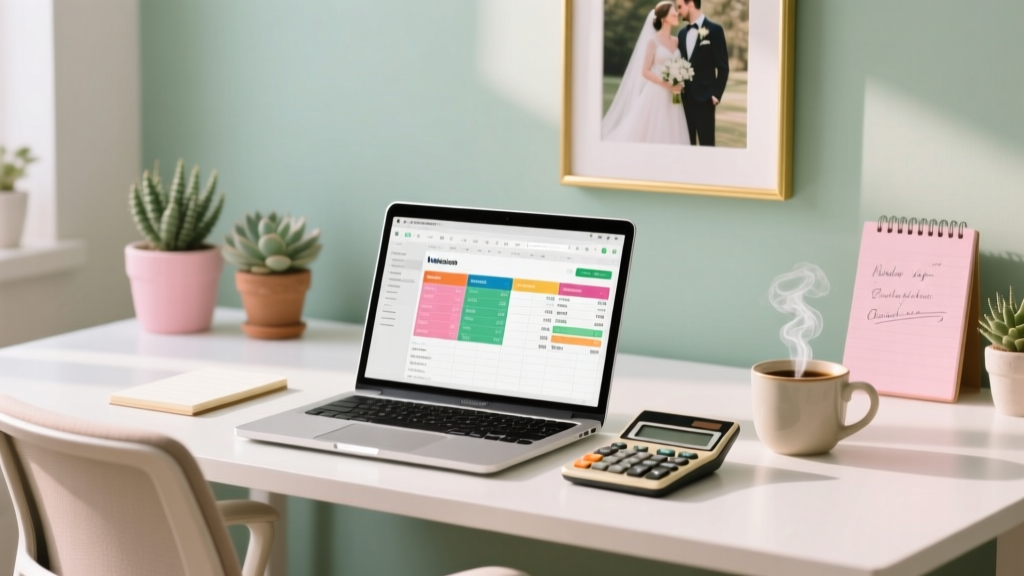 Wedding Budget Spreadsheet: Track Every Dollar
 Wedding Catering: 7 Cost-Saving Tips
 Best Venue for Average: Data-Driven Strategies to Maximize Value Without Premium Pricing