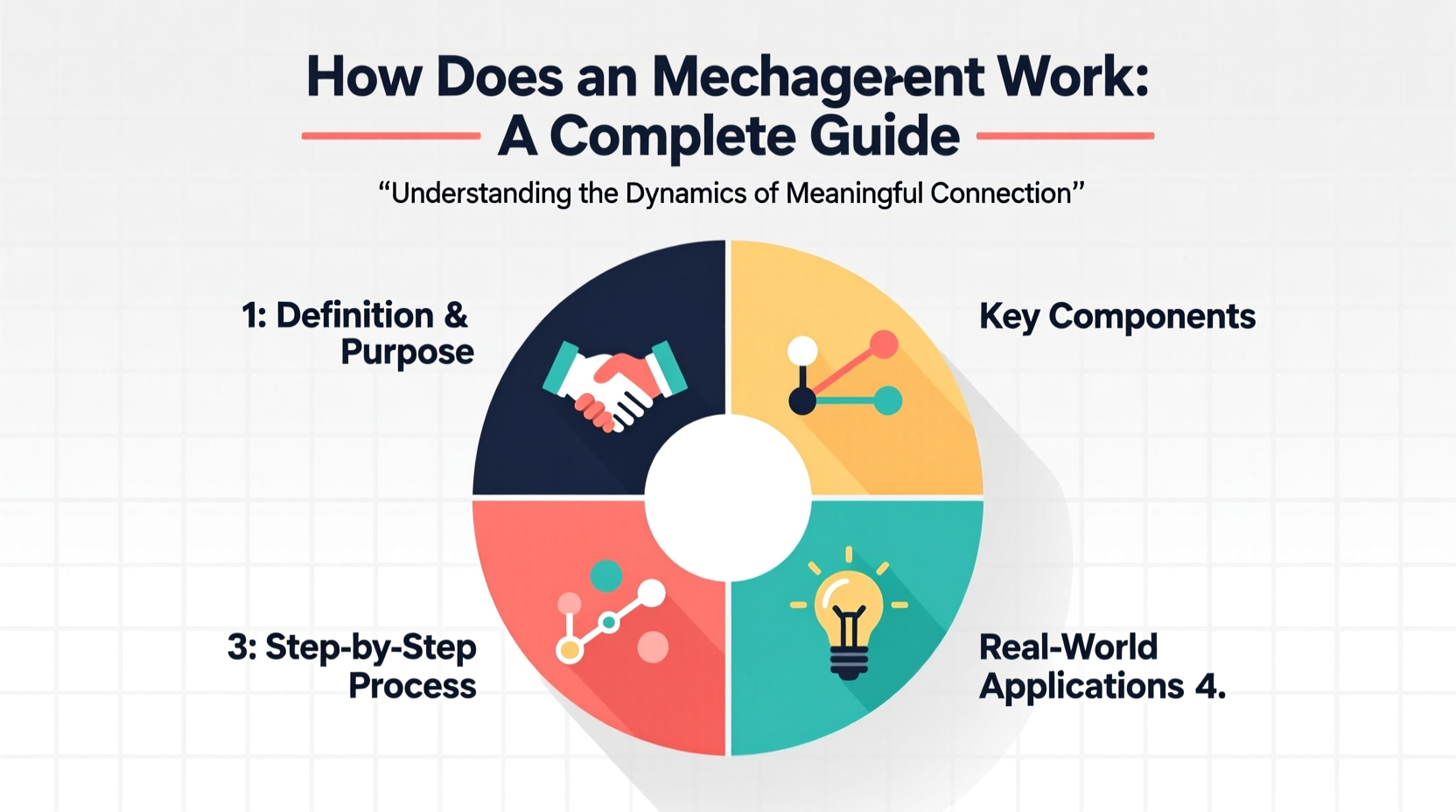
How Engagement Works: From Proposal to Wedding Prep
An engagement is a mutual agreement between two people to marry, marking the official beginning of their journey toward marriage. How does an engagement work? It typically starts with a proposal—often involving a ring—and is followed by a period of wedding planning that can last months or even years. This pre-wedding phase includes announcing the news, setting a date, choosing a venue, and building a shared future plan. Understanding how engagement works in modern relationships helps couples navigate expectations, family involvement, and cultural traditions while laying a strong foundation for married life.
What Is an Engagement?
An engagement is more than just a romantic milestone—it’s a social and often legal precursor to marriage. Once accepted, the couple becomes 'engaged,' signaling to friends, family, and society that they intend to marry. While not legally binding in most countries, it carries emotional, financial, and symbolic weight.
The engagement period allows couples to prepare emotionally, financially, and logistically for marriage. It's also a time to deepen communication about core values, finances, children, living arrangements, and long-term goals—topics essential for marital success.
The Proposal: The Start of an Engagement
The proposal is usually the defining moment when an engagement begins. Traditionally, one partner (often the man) proposes to the other on bended knee with a ring, but modern engagements vary widely.
- Who proposes? While historically men proposed, today many women propose or couples decide together. Same-sex couples may choose unique ways to symbolize equality.
- Engagement rings: Common but not required. Some opt for non-traditional jewelry, tattoos, or no ring at all.
- Private vs. public proposals: Some prefer intimate moments; others enjoy grand gestures. Consider your partner’s personality before planning.
A successful proposal respects both partners’ comfort levels and sets a positive tone for the engagement period.
Cultural and Religious Variations in Engagements
Engagement customs differ globally. Knowing these variations helps couples honor heritage or blend traditions in multicultural relationships.
| Culture/Religion | Engagement Practices | Duration |
|---|---|---|
| Western (U.S., UK, Canada) | Ring exchange, engagement party, public announcement | 6–18 months |
| Indian (Hindu) | Engagement ceremony (Sagai), gift exchanges, family blessings | Several months to years |
| Muslim | Nikah al-Khitbah (formal betrothal), sometimes includes contract | Varies; may be short or long |
| Jewish | Erusin (betrothal), part of wedding process | Typically immediate to wedding |
| Nigerian (Yoruba) | Introduction ceremony (Igbankunle), dowry negotiation | Months to years |
In some cultures, engagements are formal agreements involving families and contracts. Others treat them as private commitments. Always discuss expectations early if blending backgrounds.
Announcing the Engagement
After saying “yes,” couples share the news in various ways:
- Social media: Popular for quick sharing via platforms like Instagram or Facebook.
- Email or cards: More personal, especially for older relatives.
- Engagement party: Hosted by the couple or parents, often within weeks of the proposal.
- Newspaper announcements: Still used in some communities, particularly in traditional or affluent circles.
Etiquette tip: Notify close family personally before going public. Avoid surprising parents or siblings through social media posts.
Common Engagement Traditions
While not mandatory, many couples follow established customs:
- Engagement ring: Worn on the fourth finger of the left hand in most Western countries.
- Engagement party: Celebrates the couple’s commitment, often less formal than the wedding.
- Ring blessings: In some faiths, rings are blessed before the wedding.
- Gift-giving: Guests may bring small gifts or cards to the engagement party.
- Photo shoots: Engagement photos are popular for save-the-dates or displays at weddings.
Remember: These traditions should reflect your values—not pressure you into spending unnecessarily.
How Long Should an Engagement Last?
There’s no universal rule. The average engagement in the U.S. lasts **12 to 18 months**, but ideal length depends on several factors:
- Wedding size: Larger events require more planning time.
- Budget: Longer engagements allow for better saving.
- Venue availability: Popular locations book up quickly.
- Personal readiness: Emotional maturity and life stability matter.
- Work or school schedules: Graduations or job changes can affect timing.
Short engagements (under 6 months) can work but increase stress and limit options. Very long engagements (over 3 years) may lead to complacency or shifting priorities. Aim for balance.
Legal Aspects of Engagement
In most places, engagement is not a legal status. However, there are legal implications to consider:
- Breach of promise: Rarely enforced today, but in some states, broken engagements can lead to lawsuits over gifts or financial losses.
- Engagement rings: Legally considered conditional gifts. If the proposer breaks off the engagement, they may reclaim the ring in some jurisdictions. Laws vary by state and country.
- Joint accounts or leases: Starting to live together during engagement creates financial ties. Clarify responsibilities early.
To protect yourself:
- Keep major purchases separate until marriage.
- Discuss ownership of gifts or shared property.
- Consult a lawyer if merging finances significantly.
Planning During the Engagement Period
This time isn’t just for celebration—it’s critical for preparation. Key steps include:
- Set a budget: Determine total spending limit and allocate funds (venue, attire, food, etc.).
- Choose a date: Consider seasons, holidays, and guest availability.
- Select vendors: Book officiant, photographer, caterer, and florist early.
- Create a guest list: Helps determine venue size and budget needs.
- Attend premarital counseling: Recommended by therapists and religious leaders to strengthen communication.
- Discuss big-picture issues: Kids, religion, money management, career goals, and in-law boundaries.
Use tools like wedding planners, apps, or spreadsheets to stay organized. Assign tasks fairly between partners.
Common Mistakes to Avoid During Engagement
Even excited couples make missteps. Here are frequent pitfalls and how to avoid them:
- Letting wedding planning overshadow relationship health: Don’t let vendor calls and seating charts replace quality time.
- Ignoring financial red flags: Debt, unequal income, or differing spending habits need honest discussion.
- Allowing family pressure: Parents may push for certain venues or traditions. Set boundaries kindly but firmly.
- Overcommitting socially: Engagement parties, bridal showers, bachelor/bachelorette trips—pace yourself to avoid burnout.
- Assuming everything will ‘just work out’: Marriage requires intentionality. Use this time to build teamwork skills.
Modern Trends in Engagements
Today’s couples personalize engagements in creative ways:
- Non-traditional proposals: Proposals during travel, adventures, or everyday moments.
- No engagement ring: Choosing meaningful alternatives like charity donations or experiences.
- Co-engagements: Both partners buy rings or propose simultaneously.
- Long-distance engagements: Common due to military service, education, or international relationships. Regular communication is key.
- Elopement plans announced post-engagement: Couples get legally married quietly, then celebrate later.
These trends reflect a shift toward authenticity over tradition.
When an Engagement Ends: Breaking It Off
Not all engagements lead to marriage. If a breakup occurs:
- Communicate honestly and respectfully: Even painful decisions deserve kindness.
- Return gifts appropriately: Engagement rings are often returned, especially if the giver initiated the split (varies by location).
- Cancel contracts carefully: Notify vendors promptly to minimize penalties.
- Seek support: Talk to trusted friends, counselors, or spiritual advisors.
Breaking off an engagement is difficult, but it can prevent greater heartache down the road if fundamental incompatibilities exist.
From Engagement to Marriage: The Transition
The end of the engagement comes with the wedding day. To ensure a smooth transition:
- Finalize all legal paperwork (marriage license, name change forms).
- Transfer joint accounts or update beneficiaries if applicable.
- Reflect on what you’ve learned during engagement—about love, compromise, and partnership.
- Continue open communication after the wedding. The real work of marriage begins now.
Think of engagement not just as a countdown to a party, but as foundational training for marriage.
Frequently Asked Questions (FAQs)
What happens after getting engaged?
After getting engaged, couples typically announce the news, begin wedding planning, set a date, host an engagement party, and start discussing long-term goals. It’s also common to start premarital counseling and make joint financial decisions.
Does an engagement legally bind two people?
No, engagement is not a legal status in most countries. However, in rare cases, breach of promise lawsuits have occurred. Engagement rings are generally seen as conditional gifts based on the expectation of marriage.
Can you be engaged without an engagement ring?
Yes. An engagement ring is a tradition, not a requirement. Many couples skip rings entirely or choose alternative symbols of commitment.
How do you plan a wedding during the engagement?
Start by setting a budget and guest list. Choose a date and book key vendors early. Use checklists or wedding planning apps to track progress. Delegate tasks and maintain open communication with your partner throughout.
Is it okay to have a long engagement?
Yes, as long as both partners remain committed and continue nurturing the relationship. Long engagements allow more time to save money and plan thoroughly, but check in regularly to ensure alignment on future goals.
More Articles
 How to Plan a Proposal at a City Skyline Overlook
 Best Themes for Sunset
 How to Plan a Proposal at a Tea House
 Proposal Planning Checklist Everything to Consider
 Proposal at a Crystal Cave Natural Wonder
 How to Plan a Proposal at a Rooftop Botanical Terrace
 How to Plan a Proposal at a Private Vineyard Dinner
 Kim K’s Wedding Ring Carats: Truth vs. Illusion (2026)
 How to Plan a Proposal at a Historic Fort
 Engagement Photo Poses: 15 Natural Shots