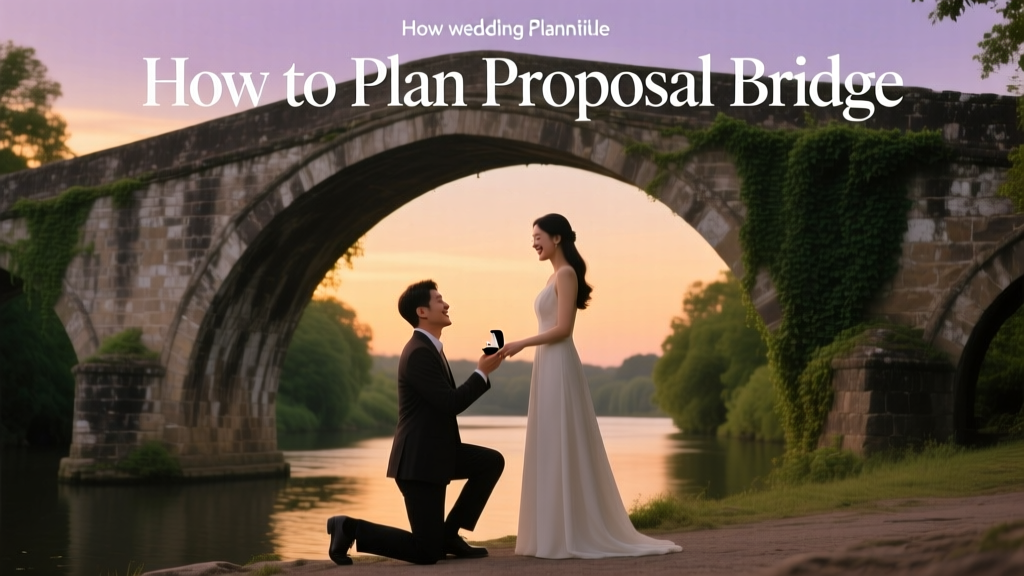
How to Plan a Proposal at a Historic Bridge
There’s something about a historic bridge that makes your heart slow down in the best way. Maybe it’s the feeling of standing where so many people have stood before you. Maybe it’s the way the stone and iron hold onto stories—travel, reunions, promises—while the water below keeps moving forward. If you’re planning a marriage proposal and you want a setting that feels both cinematic and deeply real, a historic bridge is a beautiful choice.
A bridge proposal also carries a meaning you don’t have to force: crossing from one season of life into the next, choosing each other with intention, meeting in the middle. Whether you picture an intimate moment at sunrise or a softly planned surprise with a photographer hiding nearby, you can design a proposal that feels natural, personal, and unforgettable.
Here’s how to plan a proposal at a historic bridge with romance, practical strategy, and just enough thoughtful detail to make it feel like the two of you—because the best engagement stories never feel staged, they feel true.
Why a Historic Bridge Makes a Powerful Proposal Spot
Historic bridges are built for atmosphere. They offer texture in photos, a sense of place, and a built-in “wow” factor without needing a huge production. They’re also ideal if you want a timeless vibe—something that won’t feel trendy in a way you’ll outgrow.
Current proposal trends lean toward experience-based engagements: meaningful locations, a private moment first, and then celebrating with friends later. A bridge fits that perfectly. You can keep it quiet and heartfelt, then walk to a nearby restaurant, rooftop bar, or cozy café for the celebration part.
Step-by-Step: Planning Your Historic Bridge Proposal
1) Pick the Right Bridge (Not Just the Prettiest One)
The best proposal location isn’t always the most famous—it’s the one that matches your story and your comfort level.
- Personal connection: Is there a bridge near where you had your first date, took weekend walks, or visited on a meaningful trip?
- Vibe check: Some historic bridges feel grand and iconic; others feel quiet and tucked away. Decide whether you want “main character energy” or “just us two.”
- Accessibility: Consider parking, walking distance, crowds, and whether heels will be involved.
Real scenario: You propose on the famous bridge in your city, but it’s packed with tourists and street performers. It can still work—if you plan it like a moment in the middle of the buzz. If your partner would hate that attention, choose a lesser-known historic footbridge in a park and turn the quiet into the romance.
2) Choose Timing Like a Photographer (Even If You’re Not One)
Timing is everything for privacy, lighting, and nerves.
- Golden hour: The hour after sunrise or before sunset gives flattering light and a soft, romantic mood.
- Weekday advantage: Proposing on a Tuesday evening can feel wildly intimate compared to a Saturday afternoon crowd.
- Weather awareness: Historic bridges can get windy and cold. If you’re planning a winter engagement, bring gloves or plan a warm “after” spot nearby.
Tip: Check the bridge’s orientation on a map. Sunset behind you gives glow; sunset in your eyes can mean squinting in every photo.
3) Build a Simple Cover Story (So It Feels Natural)
The best surprise proposals usually have a believable reason for being there. Keep it easy.
- “I booked us a photo session for fun.” (A huge trend right now: casual couple shoots that become surprise proposals.)
- “Let’s do a walk before dinner.”
- “I found this historic spot I want to see.”
- “There’s a new coffee place nearby—want to check it out?”
Real scenario: You plan a “mini date day”—pastries, a walk, and a stop at the bridge “because the view is good.” The proposal happens at the midpoint. Afterward, you already have plans that carry you forward when you’re both floating.
4) Decide: Private Moment or Planned Surprise?
There are a few styles of bridge proposals, and choosing the right one makes the whole experience feel smoother.
- Just the two of you: Quiet, heartfelt, no audience. Perfect if your partner is private.
- Photographer hidden nearby: A classic “candids + posed after” approach. Very popular and worth it.
- Small group reveal: Friends or family meet you after the proposal for a surprise celebration.
- Full moment: Musician, florals, signage, or a picnic setup—beautiful, but best for bridges that allow it and aren’t crowded.
Practical advice: If you want a photographer, hire someone experienced with proposals. They’ll help with timing, hiding spots, and how to guide you into the best light without making it obvious.
Creative Proposal Ideas That Feel Personal (Not Performative)
A “Story Walk” with One Perfect Line
As you walk onto the bridge, share a short memory: “This feels like one of those moments we’ll tell our kids about.” Then pause, turn toward them, and propose. It’s simple and real—and it works because it sounds like you.
A Letter They Read on the Bridge
Hand them a small envelope: “Read this when we get to the middle.” The letter can be a few lines—how you’ve changed since meeting them, what you love about your life together, what you’re promising. When they look up, you’re already down on one knee.
Coordinates or a “Map to Us” Detail
One timeless romantic gesture with a modern twist: engrave the coordinates of the bridge on a ring box, a keychain, or a small card. It’s subtle, meaningful, and turns your proposal location into a forever keepsake.
After-Proposal Celebration Plan (The Part People Forget)
Plan what happens immediately after “yes.” It can be as small as champagne in a nearby hotel room or as social as a dinner reservation with friends. The trend right now is a private moment first and a celebration second—so you get the emotions without pressure.
Real scenario: You propose at the bridge at sunset, then take a five-minute walk to a restaurant where a corner table is set with flowers. You’ve already arranged dessert with “Engaged!” written on the plate. It’s sweet, not over-the-top, and it keeps the night moving.
Practical Execution Tips (So It Goes Smoothly)
Scout the Location Like You’re Directing a Scene
- Visit at the same day/time you plan to propose.
- Find a “spot” that isn’t in the flow of foot traffic.
- Check for loud construction, road noise, or events nearby.
Know the Rules
Some historic bridges and landmarks require permits for professional photography, musicians, or setups. If you’re bringing a photographer or any décor, check local regulations to avoid being interrupted mid-proposal.
Plan for Comfort
- Wind can be intense on bridges—choose hairstyles and outfits that won’t become a battle.
- If the bridge surface is uneven, pick stable shoes (or keep flats in a bag).
- Bring a small cloth to kneel on if it’s damp—your pants will thank you.
Ring Safety
Bridges + water can be nerve-wracking. Use a secure ring box and keep it in a zipped pocket. If you’re worried about fumbling, propose with the closed box in hand and open it only when you’re steady.
Things to Consider: Timing, Personalization, and Backup Plans
- Weather backup: Choose a nearby covered spot—an archway, gazebo, historic building entry, or a café with a view of the bridge. Same vibe, less stress.
- Crowd control: If it’s busy, pause and wait for a small clearing. A photographer can help with this discreetly.
- Personalization: Add one detail that clearly belongs to your relationship: a shared song, a nickname in the note, a line from your first anniversary card, or a plan that mirrors your first date.
- Emotion planning: You don’t need a speech, but you do want a few grounded sentences. Aim for: what you love, what you’re choosing, the question.
Common Proposal (and Early Engagement) Mistakes to Avoid
- Overplanning the “perfect” moment: If you’re so focused on timing and angles that you can’t be present, the moment gets thin. Plan enough, then let it breathe.
- Ignoring your partner’s personality: A public bridge proposal can be magical for someone who loves attention—and stressful for someone who doesn’t. Your proposal should feel like a gift, not a test.
- No plan for after: Even a simple reservation or a cozy plan matters. The minutes after “yes” are part of the engagement story you’ll tell forever.
- Forgetting photos entirely: You don’t need a full production, but consider at least one option—photographer, friend at a distance, or a tripod for a few shots afterward.
- Rushing into announcements: Right after you get engaged, it’s tempting to post immediately. If your partner would prefer to call family first, plan that sweet window of privacy.
Closing Thoughts: Your Bridge Moment Is the Beginning
A historic bridge proposal isn’t just a pretty backdrop—it’s a symbol you can step into together. You’re not only asking a question. You’re choosing a future, building a story, and creating a memory that will return in little flashes for years: the wind, the light, the way their face changed when they realized what was happening.
Keep it personal, keep it practical, and let the setting do some of the work. When the moment comes, you won’t remember whether everything went perfectly—you’ll remember how it felt to hear “yes.”
If you’re gathering ideas for your engagement, proposal planning, and everything that comes next, explore more inspiration, tips, and real-world guidance on weddingsift.com.
More Articles
 How to Plan a Meaningful Anniversary
 Proposal During a Wildflower Bloom Spring Awakening
 Wedding Guest List Control: Who Really Decides?
 Engagement Party Gifts Under $50 (2026)
 How to Handle Proposal Nerves and Stay Calm
 Proposal During a Starlit Beach Walk Ocean Romance
 Romantic Proposal Songs: 20 Songs That Set the Perfect Mood
 How to Plan a Destination Proposal Vacation
 Engagement Party RSVP Guide: How to Reply Well
 Private vs Public Proposals Which Is Better