
How to Choose the Right Moment to Propose
There’s a special kind of electricity that shows up when you know you’re close to asking the biggest question of your life. You start noticing little things—how they smile when they’re half-asleep, how they reach for your hand in a crowd, how “home” feels like a person now. Somewhere between the everyday routines and the once-in-a-lifetime memories, the perfect proposal moment starts to form.
And here’s the truth your nervous brain might not want to hear: there isn’t one single “right” moment. There’s the right moment for you two. The best engagement stories aren’t always the most elaborate—they’re the ones that feel honest, intentional, and deeply personal. Choosing the right moment to propose is less about chasing a movie scene and more about creating a memory you’ll both want to replay.
If you’re planning a proposal (or you’re newly engaged and reliving it in your head for the 100th time), this guide will help you match timing, setting, and sentiment in a way that feels like the most natural next step in your love story.
Start With the Real Question: What Moment Fits Your Relationship?
Before you book the rooftop, call the photographer, or panic-scroll proposal ideas at midnight, ask yourself what your partner actually loves.
Public or private? Big surprise or heartfelt certainty?
- Private proposal people tend to love intimate moments: morning coffee, a quiet beach walk, a cozy dinner at home. They want the engagement to feel personal, not performative.
- Public proposal people enjoy shared excitement: a favorite concert, a family gathering, a planned party where loved ones appear after the “yes.”
- Some people love a surprise; others want a strong sense of what’s coming. If your partner hates being caught off guard, you can still keep the how a surprise while making sure the decision is mutual.
A simple gut-check: If you proposed in their dream scenario, would they feel adored… or spotlighted? The “right moment” is the one that honors their comfort and your shared style.
The Timing Sweet Spot: When It Feels Meaningful (Not Rushed)
Timing is the quiet hero of a great proposal. It affects how present you both feel—and whether your partner can fully enjoy the moment instead of managing stress.
Signs it’s a great time to propose
- You’ve had real conversations about the future (marriage, values, finances, family, where you’d live).
- Your relationship feels steady, not like you’re proposing to patch a rough season.
- Your partner is in a good emotional headspace—life isn’t currently overwhelming them.
- You’ve noticed them saving proposal inspiration, talking about rings, or lighting up at engagement announcements (without pressure or comparison).
Moments that often work beautifully
- Anniversaries for a built-in meaning (but add something personal so it doesn’t feel “default”).
- Trips when you’re already in memory-making mode (just avoid proposing on day one if you want them to enjoy the rest of the trip with relaxed excitement).
- Holidays if your partner loves family traditions (but be careful: some people don’t want the proposal forever tied to holiday chaos).
- Ordinary days that become extraordinary—this is a timeless romantic gesture that never goes out of style.
Step-by-Step: How to Plan the Right Proposal Moment
Step 1: Pick the “emotion” you want the moment to have
Do you want it to feel peaceful? Adventurous? Elegant? Funny and light? Cozy and homey? When you name the emotion, everything else gets easier—location, music, outfit, timing, even what you’ll say.
Step 2: Choose a setting that supports that emotion
- Peaceful: sunrise lookout, quiet garden, a late-night walk.
- Adventurous: scenic hike (with a safe, accessible spot), hot air balloon (if they’re into it), weekend road trip.
- Elegant: favorite restaurant with a reserved corner, hotel rooftop, evening waterfront.
- Cozy: at home with candles, music, and a homemade meal; a winter cabin; a picnic in your living room.
Step 3: Make it personal (this is where the magic lives)
Current proposal trends lean heavily toward personalization—custom notes, meaningful locations, and “this is so us” details. You don’t need a huge budget; you need intention.
- Recreate your first date: same food, same playlist, a walk past the place you first held hands.
- Write a short letter they can keep (and maybe tuck into a keepsake box later).
- Include a “timeline” of your relationship: a few printed photos, a map of places you’ve traveled, or a small scrapbook.
- Use a meaningful phrase or inside joke in your proposal speech.
Step 4: Decide who should be involved (and who shouldn’t)
Another big trend: the “proposal after-party.” You propose privately, then meet friends and family for a toast. This gives you both a sacred moment and a celebration.
- If your partner is private, keep the circle small or celebrate later.
- If they’re family-centered, consider including parents or siblings—just make sure it doesn’t feel like an audience.
Step 5: Build a simple plan—and a backup plan
Weather changes. Reservations get delayed. Someone texts at the worst time. The right proposal moment often comes from a calm Plan B.
- If outdoors: have an indoor alternative nearby (a cozy café, your hotel room set up with flowers, a covered viewpoint).
- If you’re using a photographer: confirm arrival time, exact location pin, and a signal.
- If you’re proposing during a trip: pack the ring safely and plan for airport security (carry-on only, ideally in a case that doesn’t scream “ring box”).
Real-World Proposal Scenarios That Feel Authentic
The “Sunday Morning” proposal
You wake up early, make breakfast, and put on the playlist you always cook to. When they’re in their softest, happiest mood—barefoot, laughing at something silly—you hand them a handwritten note: “This is my favorite life.” You propose right there, no audience, no rush. Afterwards, you call the people you love and spend the day floating. For many couples, this is the right moment because it’s unmistakably real.
The “quiet getaway” proposal with a thoughtful twist
You plan a weekend cabin stay. Before dinner, you suggest a short walk to “check out the view.” At the lookout, you pull out a small photo strip from your first trip together and say what has changed since then. You propose, then return to the cabin where you’ve arranged a simple celebration: their favorite dessert, a bottle of something festive, and a cozy fire. Trendy? Yes. Timeless? Absolutely.
The “after a win” proposal (without stealing the spotlight)
Your partner just finished a big milestone—graduation, a promotion, completing a race. Instead of proposing at the event (where they might feel put on the spot), you wait until later that evening. You tell them how proud you are, and how you want to build a life that celebrates their dreams. The engagement feels like an extension of love, not an interruption of their moment.
Things to Consider Before You Propose
Location logistics
- Choose a spot where you can hear each other.
- Think about lighting if you want photos.
- Consider accessibility—heels, stairs, long walks, crowds.
Personalization that doesn’t feel staged
One or two meaningful details beat ten Pinterest props every time. A favorite song, a shared place, a few sincere sentences—those land in the heart.
Ring readiness (and alternatives)
If you’re not 100% sure about ring style, it’s okay to propose with a temporary band or a simple placeholder and then choose the engagement ring together. More couples are doing this, and it can be a sweet part of the early engagement chapter.
Backup plans for nerves
Practice what you want to say—just enough that you don’t go blank. You don’t need a speech; you need your truth. Keep it simple: why them, why now, and what you’re promising.
Common Proposal Mistakes to Avoid (So the Moment Stays Joyful)
- Proposing to “fix” something: A proposal shouldn’t be a bandage for unresolved issues.
- Choosing a moment that adds pressure: Big crowds, family expectations, or surprise cameras can overwhelm a partner who values privacy.
- Overcomplicating the plan: If you’re managing ten moving parts, you’ll be stressed instead of present.
- Forgetting comfort details: Too hot, too cold, too hungry, or too rushed can dilute the magic.
- Not thinking through what happens after: Plan a little “landing.” A toast, a quiet dinner, a call to loved ones—something that helps you savor the engagement.
- Announcing before they’ve had a second to breathe: Let your partner have the first few minutes with you. The group chat can wait.
Choosing the Right Moment Is Really About Choosing Each Other
The best proposal moments don’t always look perfect from the outside—they feel perfect from the inside. They sound like your voices, they happen in places that mean something, and they leave you both thinking, “Of course it was us.” Whether you’re planning a surprise proposal, a private engagement at home, or a celebration surrounded by your people, the right moment is the one that feels true.
When you’re ready, take a breath, hold their hand, and speak from the part of you that already knows: this love is worth choosing, out loud, on purpose. And when the “yes” happens (because it will), soak it in—this is the beginning of an incredible chapter.
If you’re looking for more proposal ideas, engagement tips, and inspiration for what comes next, explore more engagement content on weddingsift.com.
More Articles
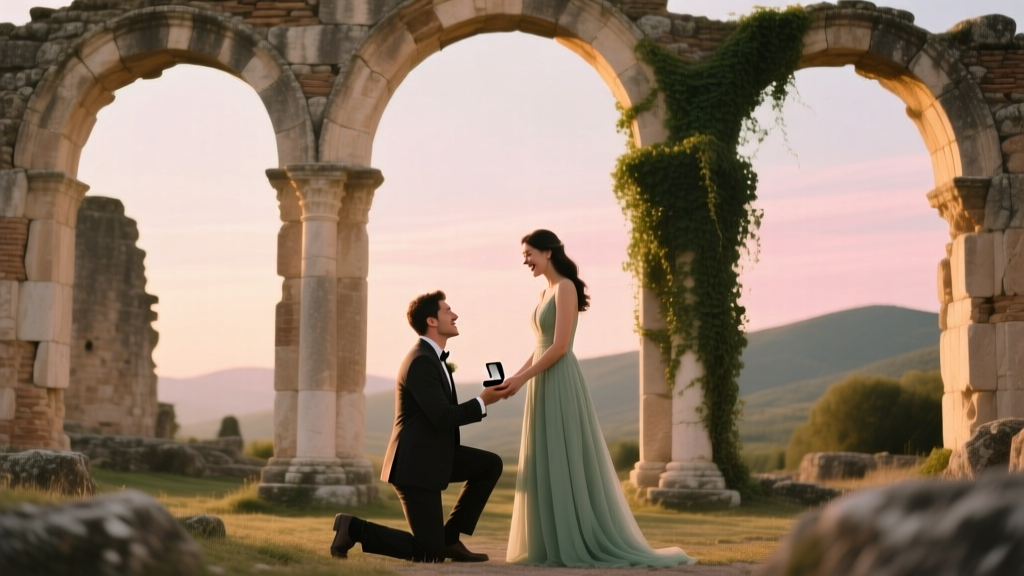 How to Plan a Proposal at a Historic Ruins
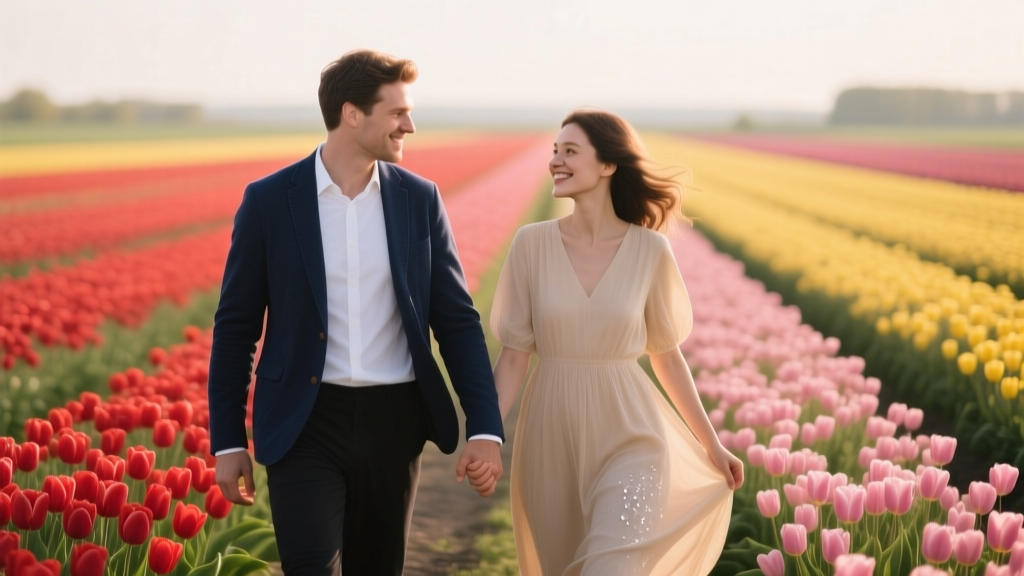 Proposal During a Tulip Field Walk Dutch Romance
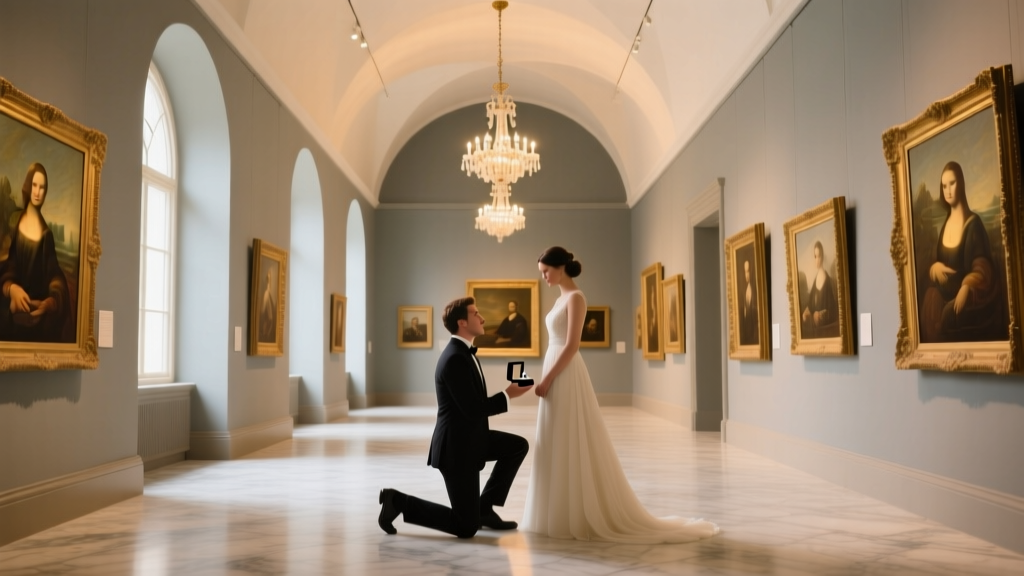 Romantic Proposal at Historic Art Gallery (2026)
 Japanese Engagement Rings: Tradition vs. Modern Practice
 Organize Your Wedding Color Palette
 Modern Engagement Practices vs. Evidence-Based Approaches: What Data Really Shows
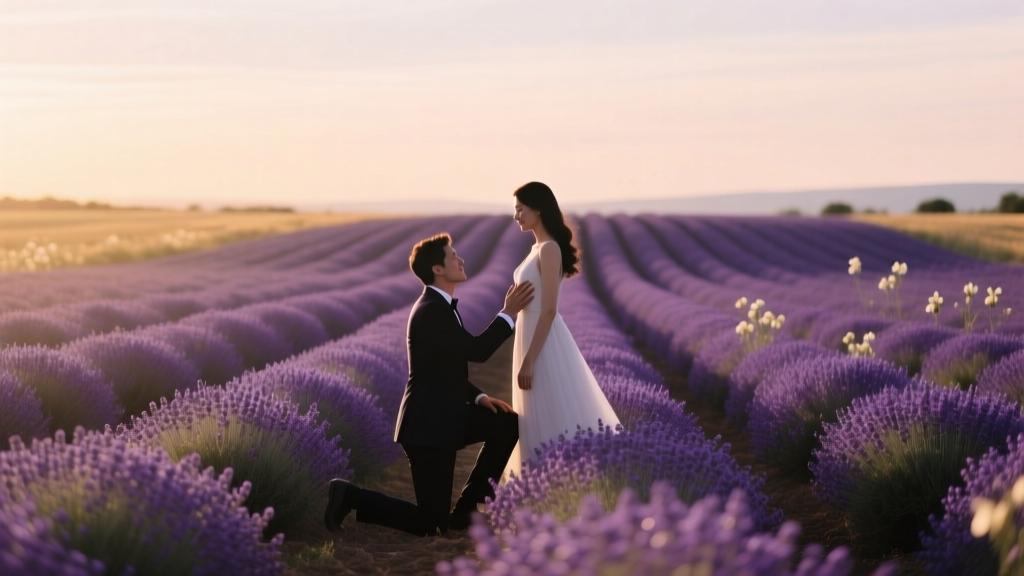 How to Plan a Proposal at a Lavender Field
 Proposal During a Cooking Class Shared Passion
 Proposal During a Sunset Sail Maritime Romance
 How to Include Pets in Your Proposal