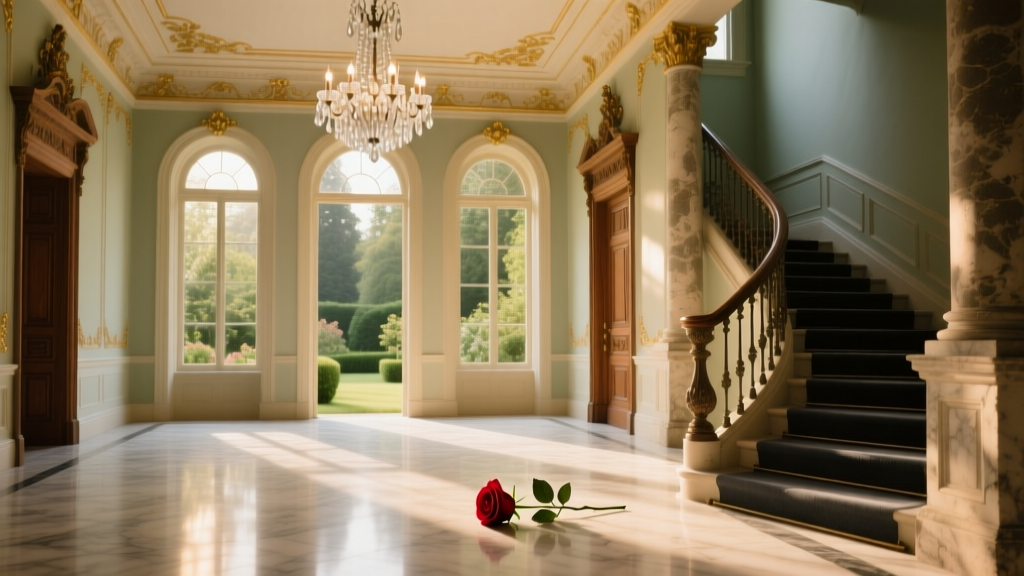
How to Plan a Proposal at a Historic Mansion
There’s something about a historic mansion that makes your heart beat a little louder. Maybe it’s the grand staircase that feels like it belongs in a love story, the way the light falls through old windows, or the quiet confidence of a place that’s held a hundred celebrations before yours. A mansion proposal doesn’t just look romantic—it feels romantic, like you’ve stepped into a scene that was waiting for you.
If you’re planning to propose (or you’ve already said “yes” and you’re replaying every detail), a historic mansion is one of those rare settings that’s both timeless and full of personality. The best part? You don’t need an over-the-top production. With the right plan, a few thoughtful touches, and a realistic backup plan, you can create an engagement moment that feels deeply personal—without feeling staged.
Here’s how to plan a proposal at a historic mansion in a way that’s romantic, inspiring, and actually doable.
Why a Historic Mansion Makes a Perfect Proposal Location
Historic mansions give you instant atmosphere: architecture, gardens, candlelit rooms, sweeping verandas, vintage libraries—built-in “wow” without you having to build a set. They’re also ideal for many current proposal trends:
- Meaningful locations over flashy backdrops: Couples are leaning into experiences that feel intimate and story-driven.
- Weekend getaway proposals: Mansion inns and estates are popular for “mini-moon” style proposals.
- Documented-but-not-disruptive moments: A hidden photographer in a garden or a discreet phone tripod in a hallway can capture everything without turning it into a performance.
- Private dining and curated experiences: Mansion kitchens often partner with chefs, tea services, or wine tastings—perfect for an engagement celebration right after.
And then there’s the timeless magic: a handwritten letter, a quiet walk through the gardens, a ring revealed in a velvet box—gestures that never go out of style.
Step-by-Step: Planning Your Historic Mansion Proposal
1) Choose the Right Mansion (and the Right Vibe)
Start by picking a proposal location that matches your partner’s personality. Not every mansion feels the same.
- For the classic romantic: Think manicured gardens, chandeliers, and a grand staircase.
- For the cozy, bookish partner: A mansion with a library, fireplace lounges, and quiet corners.
- For the outdoorsy partner: Estates with trails, gazebo viewpoints, or waterfront grounds.
- For someone who loves “unique”: A mansion with a moody conservatory, art-filled halls, or a dramatic courtyard.
Practical tip: Look up photo tags on Instagram or Google reviews for real guest photos. You’ll get an honest sense of lighting, crowd levels, and the most proposal-friendly spots.
2) Confirm Permissions and Proposal-Friendly Policies
Some mansions operate as museums, some as wedding venues, and some as boutique inns. Their policies can vary widely.
- Ask if proposals are allowed during public hours.
- Check photography rules (especially for professional photographers).
- Ask about private areas you can reserve (a balcony, parlor, or garden nook).
- Confirm whether candles, flowers, or décor are permitted.
Real-world scenario: A couple planned a “quiet” proposal in a museum mansion’s main hall—only to discover flash photography wasn’t allowed and the hall was busiest at that hour. A quick pivot to the side courtyard saved the moment. A five-minute phone call ahead of time would’ve made it effortless.
3) Pick Your Proposal Moment: Private, Semi-Private, or Public
This is where you get honest. Does your partner love attention—or do they prefer something intimate?
- Private: A reserved room, a suite balcony, a secluded garden path.
- Semi-private: A quiet corner of the grounds, a veranda at sunset, a library during a lull.
- Public: Grand staircase or central courtyard—best only if you know they’ll love it.
Trend note: More couples are choosing semi-private proposals: it feels special and cinematic, but not like an audience is watching. A historic mansion is perfect for that “hidden in plain sight” feeling.
4) Build a Simple Timeline (So You Can Stay Present)
A proposal doesn’t need a minute-by-minute schedule, but it does need a plan that keeps you calm.
- Arrival: Give yourselves time to settle in or explore without rushing.
- The lead-up: Do one meaningful activity—tour, tea service, garden walk, or a “first look” at a special room.
- The moment: Choose a location with good light and minimal foot traffic.
- After: Have a celebration ready—champagne, dessert, dinner reservation, or a quiet toast.
Practical tip: Plan the proposal for earlier than you think. If you wait until the very end of the night, nerves build, delays happen, and you risk losing the best lighting for photos.
Creative Proposal Ideas That Feel Natural in a Mansion Setting
The “Private Tour” Proposal
Arrange a short private tour (even 20 minutes) and coordinate with the guide to pause in the most stunning room. When your partner turns to admire a painting or window view—there you are, down on one knee. It feels effortless and storybook.
The Vintage Letter Trail
Write a series of short notes—one sentence each—about favorite memories: your first trip, the moment you knew, the day you laughed until you cried. Ask the venue if a staff member can place the notes at specific points: the foyer table, the garden bench, the library chair. The final note leads to you (and the ring).
The Garden “Golden Hour” Proposal with a Hidden Photographer
Golden hour on mansion grounds is unmatched. Hire a photographer to pose as a visitor or “estate photographer,” or have them wait at a distance. You get real emotion, real reactions, and photos that look like a movie—without feeling like a production.
A Post-Proposal Celebration Built In
Some mansions offer afternoon tea, wine tastings, or chef’s table dinners. Plan the proposal right before the reservation. That way, the celebration is immediate and joyful—you’re not awkwardly wandering around wondering what to do next.
Personalization Tips That Make It Yours
- Match the music to your story: A small speaker at low volume on the veranda, or a playlist waiting in your suite.
- Use meaningful details: A fragrance they love, a favorite dessert, a shared quote tucked into a note.
- Choose a ring moment that fits: Not everyone wants a ring pulled out mid-tour. Some partners prefer a quiet reveal after a deep conversation.
- Include a “why”: One or two sentences about why you chose them—specific, real, and true—lands harder than a long speech.
Authentic scenario: One proposer knew their partner loved antique books. They asked the innkeeper to place a vintage-looking journal in the library with a handwritten entry dated that day: “The next chapter starts now.” The ring was tucked into a ribbon bookmark. Simple, personal, unforgettable.
Things to Consider: Timing, Weather, Logistics, and Backup Plans
Timing
- Best light: Late afternoon into sunset for gardens; mid-morning for bright interiors.
- Lowest crowds: Weekdays, early opening hours, or off-season months.
- Energy level: If your partner gets tired after a long day, propose earlier and celebrate longer.
Weather and a Solid Plan B
If your dream is a garden proposal, pick an indoor backup that’s just as beautiful: a conservatory, a windowed hallway, a grand staircase landing, or a fireplace room. Visit (or review photos) so you know exactly where you’ll pivot.
Ring Safety
- Don’t stash the ring in a loose pocket.
- Bring the ring box, but consider a slimmer travel box if you’re nervous about bulges in clothing.
- If you’re traveling, keep the ring in your carry-on and never leave it unattended in a hotel room.
Coordination and Communication
If you’re involving staff, a photographer, or friends, keep instructions simple. One point person (not your partner) should know the plan and timing. Too many helpers can create chaos.
Common Proposal Mistakes to Avoid (and Early Engagement Pitfalls)
- Overplanning the “perfect” reaction: Your partner’s real response—tears, laughter, shock, quiet joy—is the perfect one.
- Choosing the location for aesthetics only: A historic mansion is gorgeous, but the moment needs to fit your relationship. If they hate crowds, don’t propose in the busiest hall.
- Forgetting comfort: If there’s lots of walking, make sure shoes and outfits work. Blisters are not romantic.
- Not practicing the ring box: Open it smoothly. Know which way it faces. It sounds small, but nerves make hands clumsy.
- Skipping the “after” plan: Once you’re engaged, adrenaline hits. Have water, tissues, a private moment, and a celebration option ready.
- Early engagement overwhelm: Right after the proposal, avoid making big wedding decisions immediately. Celebrate first. Tell your people. Let it sink in.
Closing Thoughts: Your Mansion Moment, Your Forever Story
A historic mansion proposal works best when it feels like you—not like you’re trying to recreate someone else’s engagement video. Let the setting add grandeur, but let your words add the meaning. If something goes slightly off-script (a tour group appears, wind steals a note, the sky turns gray), it’s still your story. Those little imperfections often become the sweetest memories.
When you’re ready, take a breath, hold the ring a little tighter, and picture the exact second your partner realizes what’s happening. That’s the moment you’re planning for—the one you’ll both remember long after the mansion lights go out.
For more proposal ideas, engagement planning tips, and heartfelt stories to keep you inspired, explore more engagement content on weddingsift.com.
More Articles
 How To Repair Romance: Evidence-Based Strategies That Restore Intimacy and Trust
 Underwater Proposal Ideas for Ocean Lovers
 Best Planning for World: A Practical, Evidence-Based Framework for Global Impact
 Proposal at a Private Beach Cove Intimate and Secluded
 Proposal at a Mountain Summit Conquer Love Together
 How to Plan a Proposal at a Botanical Garden
 Anniversary Planning Essentials: Practical Strategies, Real Data, and Time-Tested Tactics
 How to Secretly Get Her Ring Size for the Proposal
 Engagement Rings: Must They Match in 2026?
 Engagement Photo Outfit Guide: What to Wear in 2026