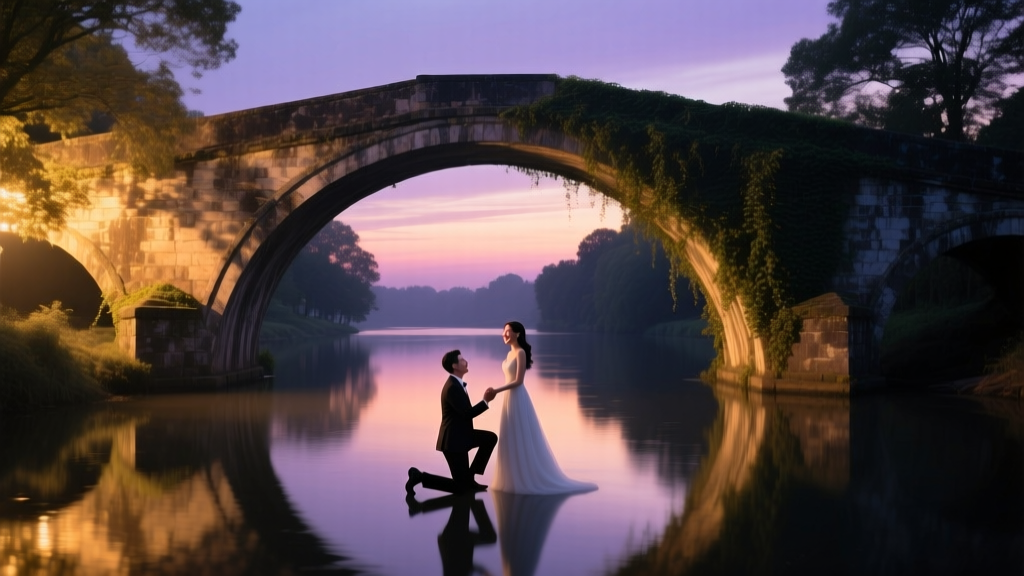
How to Plan a Proposal at a Historic Bridge at Dusk
There’s something about a historic bridge at dusk that feels like a promise. The stone or ironwork has held steady through decades (sometimes centuries), and for a few minutes each evening, the light softens everything—the water, the skyline, even your nerves. It’s a setting that practically invites a life-changing question, without needing a huge production to make it meaningful.
If you’re dreaming of a romantic proposal that feels cinematic but still personal, a dusk proposal on a historic bridge is one of those rare ideas that’s both timeless and right on trend. Couples are leaning into “experience-first” engagements—thoughtful locations, intimate moments, and details that tell your story. A bridge at golden hour gives you all that: symbolism, beauty, and a natural sense of occasion.
Here’s how to plan it in a way that feels effortless, heartfelt, and actually doable—plus the practical tips that make the difference between “sweet memory” and “stressful mishap.”
Why a Historic Bridge at Dusk Makes a Powerful Proposal Spot
A bridge proposal isn’t just pretty—it’s meaningful. You’re standing in a place built for connection, choosing to step forward together. And at dusk, the world slows down: lights flicker on, the sky changes every minute, and the moment feels like it belongs to you.
The vibe: timeless romance with natural drama
- Built-in atmosphere: architectural details, river reflections, city lights, or coastal views.
- Flattering light: dusk is nature’s soft filter, ideal for proposal photos.
- Storytelling: historic locations add a sense of “we’ll last” energy.
Step-by-Step: Planning Your Dusk Bridge Proposal
Step 1: Choose the right bridge (and the right side of it)
Not all bridges photograph—or feel—the same. Visit a few options if you can, or at least research them like a local would. Consider:
- Foot traffic: Is it a busy commuter route or a quieter pedestrian walkway?
- Noise level: Some bridges hum with cars; others are peaceful.
- Lighting: Are there lampposts that turn on at dusk, or does it get dark fast?
- Background: Look for a spot where the view behind you feels romantic (water, skyline, tree-lined path) rather than cluttered (construction, signage).
Real-world scenario: If your bridge is popular for photos, pick a spot a little off-center—near a stone pillar or overlook—where people naturally keep moving. You’ll feel less “on display,” and it will be easier for a photographer to capture the moment without strangers in the frame.
Step 2: Nail the timing with a “dusk window” plan
For a dusk engagement proposal, timing matters more than almost anything else. Aim for the sweet spot: about 20–40 minutes before sunset, depending on your location and season. That gives you golden light, then a few minutes of twilight after the “yes” for dreamy photos.
- Check sunset time for that exact date (apps like Weather, Google, or PhotoPills help).
- Arrive early and take a short walk first—let your partner settle into the moment.
- Build in a buffer for parking, traffic, and the “I didn’t expect it to be windy” factor.
Practical tip: Set two alarms: one for “leave the house” and one for “proposal time.” Your future self will thank you.
Step 3: Decide your proposal style: private, semi-private, or planned surprise
Proposal trends are leaning toward intentional intimacy—less flash mob, more meaningful details. Think about what your partner loves:
- Private: early weekday evening, quieter bridge, minimal audience.
- Semi-private: a photographer at a distance, a short scripted moment, then a celebratory toast nearby.
- Planned surprise: friends or family waiting at the end of the bridge, or a post-proposal mini party.
Authentic example: One proposer planned a “sunset walk” tradition they already had. Their partner never suspected anything because it felt like a normal date—until they stopped at the exact midpoint of the bridge where they’d once talked for hours on a first trip together.
Step 4: Personalize the moment with one meaningful detail
You don’t need ten props. You need one detail that hits the heart. Pick something that’s undeniably you two:
- A short note referencing a shared memory (“The night we got lost and ended up laughing for blocks…”).
- A single song played softly on your phone with one earbud each (sweet, discreet, very current-trend).
- A small bouquet with a nod to your first date (same flower, same color, same vibe).
- A pocket-sized photo strip from a favorite trip, tucked into the ring box.
Personalization tip: If your partner values words, plan a few lines you can actually say under pressure. Keep it simple: what you love, what you’re choosing, what you’re asking.
Step 5: Plan the “after” (because that’s when it really sinks in)
One of the best engagement tips is to plan what happens in the 30 minutes after the proposal. That’s when adrenaline fades and joy rushes in.
- Reserve a table: A nearby restaurant with a window seat or patio.
- Bring a toast: Mini champagne or sparkling cider in a backpack (and cups—don’t forget cups).
- Book a hotel: A one-night “just engaged” staycation is a modern classic.
- Call plan: Decide who you’ll call first, or agree to wait until you’re somewhere cozy.
Creative Proposal Ideas That Fit a Historic Bridge Setting
The “Old Letter” proposal
Write a letter as if you’re leaving it behind in time—like the bridge has witnessed all the versions of you leading to this moment. Read it aloud, then propose. Keep it heartfelt, not performative.
The “Photographer as a tourist” setup
A popular proposal trend is hiring a photographer who blends in. They can pretend to take scenic shots, then “offer” to take a photo of you together. You get natural images and a smooth transition into the proposal.
The “Memory walk” proposal
Stop at three spots on the way to the bridge—each tied to your story (first date coffee shop, favorite bookstore, where you adopted your pet). By the time you reach the bridge, your partner already feels the meaning building.
Practical Execution Tips: Wind, Crowds, and the Ring
Dress for dusk (and for wind)
Historic bridges often sit over open water or a valley—wind is real. Suggest a “dressy casual” outfit and bring a coat you don’t mind holding. If your partner loves getting dressed up, give a believable reason: dinner reservation, “friend taking photos,” or a date night you’ve been promising.
Have a ring plan you trust
- Use a secure ring box (not a loose pocket).
- Keep it zipped inside an inner jacket pocket or a bag you control.
- If you’re nervous, do a quick “ring check” before leaving the car—once.
Pick a precise spot
Don’t wing it in the moment. Choose a landmark: the third lamppost, the stone arch, the plaque. You’ll sound calm and confident when you say, “Let’s stop here for a second.”
Things to Consider: Timing, Permissions, Weather, and Backup Plans
Permissions and local rules
Some historic bridges are in parks or protected areas with rules about tripods, photography permits, or gatherings. If you’re hiring a photographer or planning decor, check city or park guidelines.
Weather backup that still feels romantic
Dusk proposals are dreamy—until it rains sideways. Have a Plan B within a 5–10 minute walk or drive:
- A covered gazebo near the bridge
- A cozy cocktail bar with candles
- A scenic overlook accessible by car
- A museum or historic hotel lobby nearby
Pro tip: Your backup plan should feel intentional, not like defeat. If the weather changes, say, “I actually have something planned somewhere warmer,” and keep the energy steady.
Common Proposal Mistakes to Avoid (and Early Engagement Pitfalls)
Overcomplicating the moment
A historic bridge at dusk already has magic. Too many moving parts can pull you out of the moment. If you’re choosing between “simple and meaningful” or “elaborate but stressful,” choose simple.
Ignoring your partner’s comfort level
If your partner hates crowds, don’t propose at peak tourist hour. If they love a big celebration, don’t make it so private it feels anticlimactic. The best marriage proposal ideas are the ones tailored to the person you’re marrying.
Forgetting the little logistics
- No tissues (happy tears are real)
- No plan for where to put a jacket/bag during the kneel
- Not charging your phone (for photos, calls, maps)
Early engagement mistake: rushing announcements
After you’re newly engaged, it’s tempting to post immediately. If your partner wants a quiet bubble first, honor that. Decide together when to tell family, when to share online, and how to enjoy the first night without a hundred notifications.
Closing: Your Moment, Your Story, Your Yes
A proposal at a historic bridge at dusk isn’t just a beautiful backdrop—it’s a feeling. It’s the pause before the next chapter, with the sky changing color as if it’s rooting for you. Plan thoughtfully, keep it personal, and trust that the simplest words—spoken clearly and sincerely—will land exactly where they’re meant to.
When you’re ready for more engagement inspiration, proposal planning ideas, and practical newly engaged tips, explore more guidance and real-couple stories on weddingsift.com.
More Articles
 Is Proposing at a Wedding Disrespectful?
 How to Plan a Proposal at a Historic Theater
 Proposal During a Northern Lights Viewing Arctic Romance
 Proposal During a Vineyard Bike Tour
 How to Plan a Surprise Proposal: 15 Creative Ideas for 2026
 Proposal at a Mountain Summit Conquer Love Together
 How to Plan a Proposal at a Helicopter Tour
 Engagement Photo Outfit Ideas for 2026
 How to Plan a Proposal at a Historic Clock Tower
 How to Plan a Proposal at a Rooftop Infinity Pool