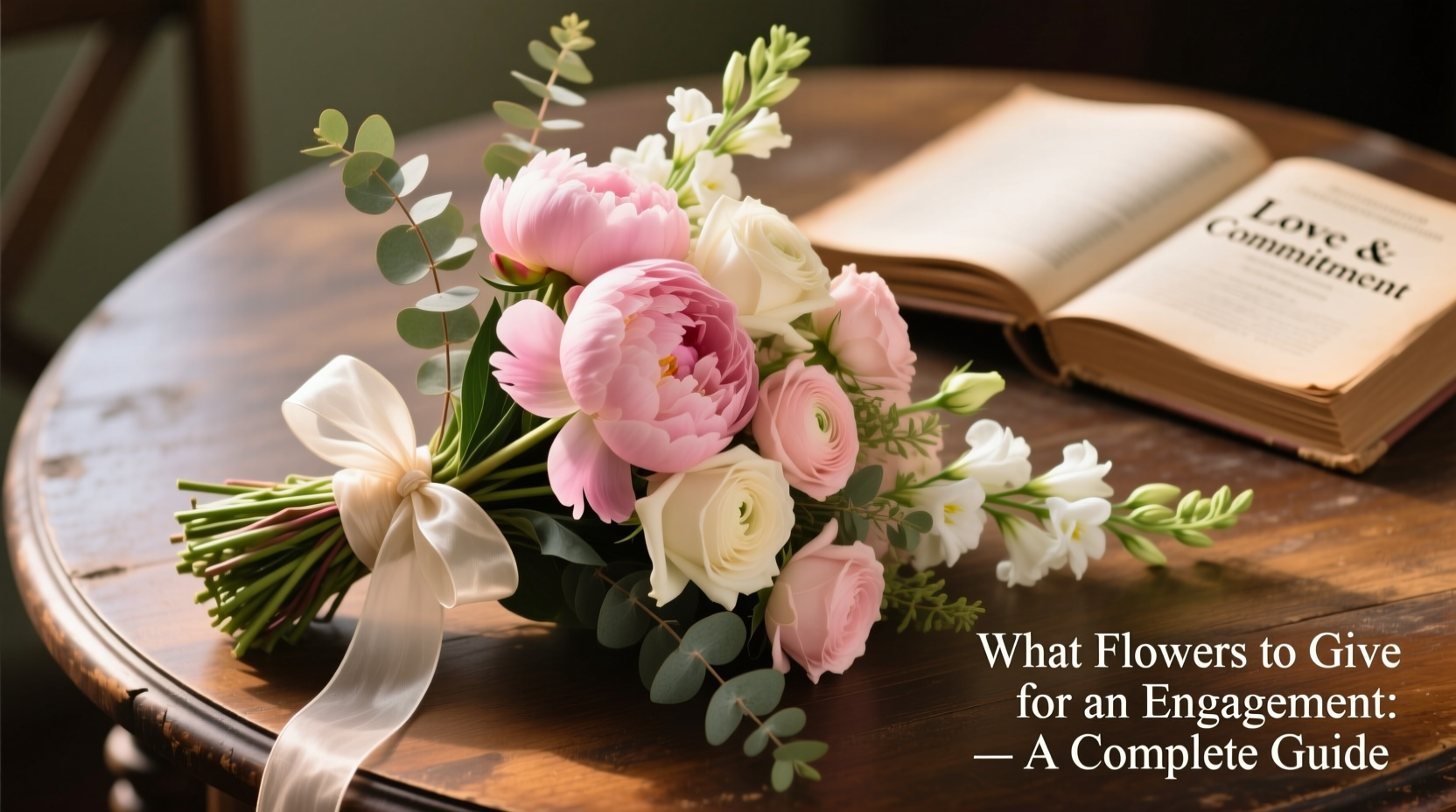
Engagement Flowers Meaning & Best Choices
When celebrating an engagement, choosing what flowers do you give for an engagement is more than just a decorative gesture—it’s a meaningful way to honor the couple’s love and future together. The most traditional and widely accepted choice is roses, especially red or pink, symbolizing love, admiration, and joy. However, popular alternatives include peonies for romance, lilies for purity, and tulips for perfect love. Selecting the right bouquet involves understanding floral symbolism, personal preferences, and cultural traditions. This guide explores everything you need to know about engagement flower gifts, from classic options to modern trends, color meanings, arrangement styles, and common etiquette mistakes to avoid.
Why Flowers Matter in Engagement Celebrations
Flowers have long played a symbolic role in romantic milestones. An engagement marks the beginning of a lifelong commitment, and giving flowers is a timeless way to express congratulations, affection, and well wishes. Unlike wedding flowers, which are often selected by planners or couples months in advance, engagement flowers are typically spontaneous gifts from friends, family, or the couple themselves after the proposal.
The emotional impact of a thoughtful floral gift can’t be overstated. A beautifully arranged bouquet not only brightens a room but also serves as a tangible memory of the special moment. Whether delivered to the home, brought to a celebration dinner, or presented at an engagement party, flowers enhance the joy of the occasion.
Top Flowers to Give for an Engagement
While personal taste plays a big role, certain flowers are especially suited for engagement celebrations due to their symbolism and aesthetic appeal. Below are the most popular and meaningful options:
1. Roses
Roses remain the top choice for engagement flowers. Red roses signify deep love and passion, making them ideal for newly engaged couples. Pink roses convey admiration, gratitude, and elegance—perfect for a joyful yet refined gesture. For a softer look, consider a mix of light pink and cream roses.
Pro tip: Avoid yellow roses if giving from a romantic partner, as they can symbolize jealousy or fading love in some cultures (though in others, they represent friendship and joy).
2. Peonies
Peonies are beloved for their lush, full blooms and romantic fragrance. They symbolize prosperity, happiness, and a happy marriage—making them excellent for engagement bouquets. Available in white, pink, coral, and red, peonies are especially popular in spring and early summer engagements.
3. Lilies
Elegant and fragrant, lilies represent purity, devotion, and renewal. Calla lilies, with their sleek, trumpet-like shape, are associated with magnificent beauty and are often used in formal arrangements. Stargazer lilies add vibrant color and energy, ideal for celebratory settings.
Note: Be cautious if the recipient has pets—lilies are toxic to cats.
4. Tulips
Tulips stand for perfect love and rebirth. Their simple yet striking appearance makes them a favorite for modern or minimalist engagement gifts. Red tulips echo the passion of red roses, while pink symbolizes caring and affection. White tulips represent forgiveness and new beginnings—ideal for couples starting their journey.
5. Orchids
Exotic and long-lasting, orchids symbolize luxury, strength, and rare beauty. Phalaenopsis orchids are particularly popular for elegant centerpieces or potted gifts. Gifting an orchid plant allows the couple to enjoy blooms for weeks or even months, serving as a living reminder of their engagement.
6. Hydrangeas
With their voluminous clusters of small flowers, hydrangeas represent heartfelt emotion and gratitude. They come in shades of blue, pink, white, and purple, allowing for customizable color schemes. Hydrangeas work well in mixed bouquets or as standalone centerpieces.
7. Gardenias
Known for their intoxicating scent and creamy white petals, gardenias symbolize secret love and joy. They’re often included in bridal bouquets but make equally meaningful engagement gifts, especially for intimate gatherings or proposals.
| Flower | Symbolism | Best For |
|---|---|---|
| Roses | Love, passion, admiration | All engagement types |
| Peonies | Happiness, prosperity, romance | Spring/summer engagements |
| Lilies | Purity, devotion, renewal | Formal or religious celebrations |
| Tulips | Perfect love, rebirth | Modern or minimalist gifts |
| Orchids | Beauty, strength, luxury | Long-lasting keepsake gifts |
| Hydrangeas | Heartfelt emotion, gratitude | Bouquets and centerpieces |
| Gardenias | Secret love, joy | Intimate or scented arrangements |
Choosing the Right Color Palette
Color plays a crucial role in floral gifting. Each hue carries emotional weight and cultural meaning:
- Red: Passion, deep love. Best for romantic gestures between partners.
- Pink: Joy, sweetness, admiration. Universally appropriate and versatile.
- White: Purity, new beginnings, elegance. Ideal for formal or religious contexts.
- Cream/Ivory: Sophistication and warmth. Complements wedding décor if given before the big day.
- Yellow: Friendship and joy—but use carefully. Not recommended from romantic partners in some cultures.
- Purple: Royalty, dignity, enchantment. Great for unique or artistic couples.
Aim for a balanced palette that reflects the couple’s personality. For example, a bold couple might appreciate deep reds and purples, while a minimalist pair may prefer all-white arrangements.
Types of Floral Gifts for Engagements
It’s not just about the flower—presentation matters. Consider these formats when deciding what flowers to give for an engagement:
Bouquets
Hand-tied bouquets are the most traditional gift. They can be delivered directly to the couple’s home or presented in person. Opt for seasonal blooms to ensure freshness and affordability.
Corsages and Boutonnieres
If attending a proposal celebration or engagement party, a single corsage for the bride-to-be or boutonniere for the groom-to-be adds a personal touch. Often worn during photos, these small arrangements are both symbolic and photogenic.
Potted Plants
For a lasting gift, choose a potted orchid, peace lily, or blooming azalea. These require minimal care and can be displayed in the couple’s home as a daily reminder of their engagement.
Floral Arrangements in Vases
Pre-arranged vases are convenient and elegant. Many florists offer same-day delivery with water tubes to keep stems fresh. These are ideal for office celebrations or surprise deliveries.
Subscription Services
Some couples appreciate ongoing joy. Consider gifting a monthly flower subscription for the months leading up to the wedding—a beautiful way to support their journey.
Cultural and Regional Considerations
Floral symbolism varies across cultures. What’s appropriate in one country may carry a different connotation elsewhere:
- In Western cultures, red and pink dominate engagement and wedding florals.
- In China, peonies and lotuses are favored for love and prosperity; red is lucky, while white is associated with mourning.
- In India, marigolds and roses are common in engagement ceremonies; bright colors are preferred.
- In Japan, chrysanthemums and cherry blossoms carry deep meaning; simplicity and seasonality are valued.
Always consider the couple’s background. When in doubt, ask discreetly or choose universally positive flowers like roses or tulips in warm tones.
Common Mistakes to Avoid
Even well-intentioned floral gifts can go wrong. Here are frequent pitfalls:
- Ignoring allergies: Avoid heavily scented flowers like lilies or gardenias if the recipient is sensitive.
- Choosing out-of-season blooms: These are pricier and less fresh. Stick to what’s locally available.
- Overlooking vase quality: A cheap container can diminish an otherwise lovely arrangement.
- Forgetting a card: Always include a note with your name and a congratulatory message.
- Giving funeral-associated flowers: In some regions, chrysanthemums or white lilies are linked to funerals—research first.
When to Give Engagement Flowers
Timing enhances the impact of your gift:
- Immediately after the proposal: Surprise the couple with a bouquet at dinner or at home.
- At the engagement party: Bring a centerpiece or corsage.
- As a mailed gift: Send within a week of the announcement to extend congratulations.
Avoid sending flowers too late—after the wedding planning begins, attention shifts elsewhere.
Personalizing Your Floral Gift
Make your gift memorable by adding personal touches:
- Incorporate the couple’s favorite colors or flowers.
- Add greenery like eucalyptus or ferns for texture.
- Include a handwritten note: “Congratulations on your engagement! Wishing you a lifetime of love and joy.”
- Pair flowers with a small gift—champagne, chocolates, or a photo frame.
Frequently Asked Questions
- Can I give fake flowers for an engagement?
- No—real flowers are expected for such a significant milestone. Artificial blooms lack emotional authenticity and freshness.
- Should I ask the couple about flower preferences?
- Yes, especially if you’re close. It ensures you avoid allergens or disliked varieties.
- How much should I spend on engagement flowers?
- $50–$150 is typical for a high-quality bouquet. Close family may spend more for elaborate arrangements.
- Is it okay to send flowers to the workplace?
- Yes, but confirm the office accepts deliveries and choose a modest arrangement to avoid embarrassment.
- Do engagement flowers need to match wedding colors?
- Not necessarily, but using similar tones (e.g., blush and ivory) creates continuity if the wedding is near.
Selecting what flowers do you give for an engagement thoughtfully enhances the celebration and shows genuine care. By considering symbolism, personal taste, and cultural context, your floral gift becomes more than decoration—it becomes a cherished part of the couple’s love story.
More Articles
 What Finger Does a Wedding Ring Go On and Why
 Is A Proposal Ring A Wedding Ring (2026)
 What to Do If She Wants to Choose Her Own Ring
 Proposal at a Wildflower Meadow Natural Splendor
 How to Plan a Proposal at a Historic Train Car
 How to Plan a Proposal at a Flower Market
 How to Plan a Proposal at an Observatory
 Proposal in the Rain How to Make It Beautiful
 How to Secretly Get Her Ring Size for the Proposal
 Creative Ways to Pop the Question Without a Ring