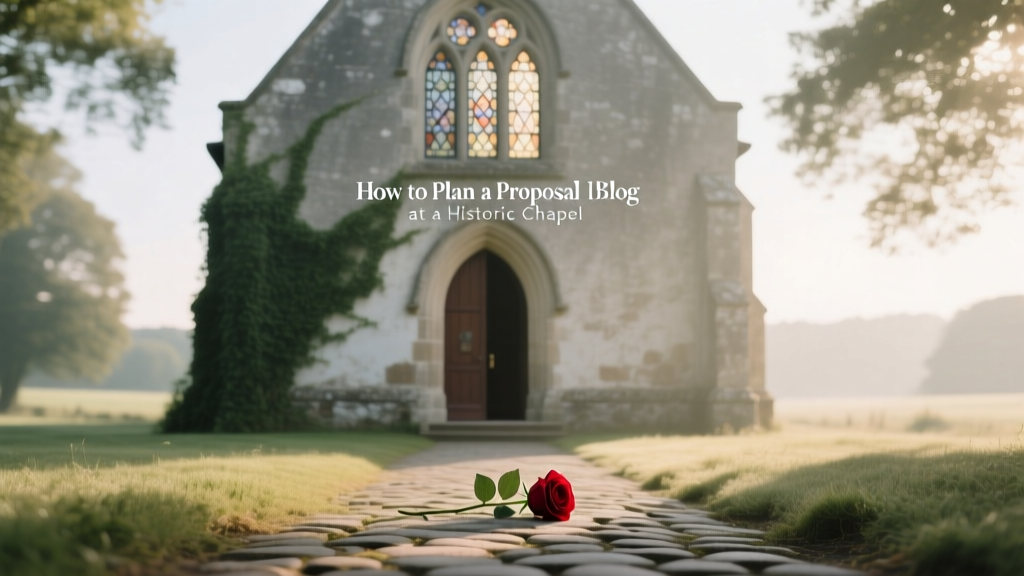
How to Plan a Proposal at a Historic Chapel
There’s something about a historic chapel that makes your heart speak a little louder. Maybe it’s the hush as the heavy door closes behind you, the soft glow of stained glass, or the way old wood pews seem to hold a thousand love stories in their grain. A proposal in a place like that doesn’t feel “staged”—it feels rooted, intentional, like you’re stepping into a moment bigger than the two of you while still being completely yours.
If you’re planning to propose (or you’re newly engaged and reliving the magic), a chapel proposal can be as simple as a quiet question and a ring… or as layered as a private tour, a photographer in the balcony, and a surprise celebration waiting outside. The best part? Historic chapels are naturally romantic. You don’t need fireworks. You just need a plan that protects the intimacy of the moment while making it feel personal and effortless.
Here’s how to plan a proposal at a historic chapel—romantic, practical, and designed to help you feel confident from the first phone call to the “yes.”
Why a Historic Chapel Proposal Feels So Unforgettable
Historic chapels offer built-in mood: architecture, candlelight, quiet acoustics, and a sense of ceremony. They work beautifully for couples who love timeless romance—but they also pair surprisingly well with current proposal trends like “micro-moments” (small, intentional settings), documentary-style photography, and meaningful experiences over big crowds.
It’s also a setting that invites symbolism. A chapel can represent commitment, family history, faith, community, or simply the idea of choosing each other with intention. If you’re looking for engagement proposal ideas that feel classic but not cliché, this is it.
Step-by-Step: Planning Your Chapel Proposal
1) Choose the right chapel (not just the prettiest one)
Start with what matters to your relationship. Ask yourself:
- Is there a chapel that’s part of your story? Near your first apartment, a favorite weekend town, your alma mater, or a place you’ve always wanted to visit together?
- Does it match your vibe? Cozy and intimate, grand and dramatic, rustic and historic, seaside and bright?
- Can you get private access? Some chapels allow private tours, short bookings, or weekday windows when it’s quiet.
Real-world scenario: Sam knew his partner loved old architecture but didn’t want a crowd. He picked a small 1800s chapel in a nearby historic district and scheduled a “self-guided history walk.” The chapel was stop #3. When they stepped inside, it was nearly empty—just a docent who had been tipped off to give them a few minutes alone.
2) Call ahead and ask the practical questions
Planning a proposal is half romance, half logistics. When you contact the chapel (or the organization that manages it), ask:
- Are proposals allowed on-site?
- Are there any restrictions on photos, candles, flower petals, or music?
- Can you reserve a private time slot? What’s the cost?
- Where can you stand without blocking visitors or disrupting services?
- Is there a coordinator, docent, or caretaker who can help discreetly?
If the chapel is active (holding services or weddings), be extra respectful—your goal is a beautiful engagement moment, not interrupting someone else’s.
3) Pick a proposal moment that feels natural
Some of the best chapel proposals happen when it feels like you simply “ended up there.” You can make it organic in a few ways:
- Plan a date around it: brunch + historic district stroll + chapel visit + dessert reservation.
- Use a meaningful reason: lighting a candle, a holiday concert, a quiet anniversary stop.
- Book a tour: many historic sites offer docent-led tours—perfect for building anticipation without suspicion.
Trend you’ll love: Experience-led proposals. Instead of a big public scene, couples are choosing memorable day plans—like a scenic train ride, museum visit, or historic tour—ending in the question.
4) Decide on your “yes” plan (what happens immediately after)
People focus on the ring and forget the next 60 minutes. Plan for what comes after the proposal:
- A celebratory toast nearby (make a reservation).
- A private table at a cozy restaurant.
- A short photo session outside the chapel while you’re both glowing.
- A call list: who will you tell first, and when?
Real-world scenario: Priya proposed in a chapel courtyard at golden hour, then had a friend waiting around the corner with two cappuccinos and a small bouquet. They took five minutes to breathe before meeting family for dinner. Simple, thoughtful, and perfectly paced.
Creative Chapel Proposal Ideas (Timeless + Personal)
A handwritten letter in the pew
Arrive a few minutes early and place a sealed letter where your partner will sit—or ask the caretaker to do it. Inside: a short love note that ends with, “Meet me at the front.” You walk up together, then you propose. It’s intimate, emotional, and beautifully classic.
Soft music—live or discreet
If the chapel allows it, a single musician (violin, acoustic guitar, or even a quiet hymn on piano) can elevate the moment without turning it into a performance. If live music isn’t possible, keep it simple: step outside afterward and play “your song” as you take photos.
A “history of us” mini tour
Print a small card with 3–5 “exhibits” in your relationship: your first trip, your funniest moment, the day you knew. Read them together in a quiet corner. The final “exhibit” is the proposal.
Photographer in the balcony (the stealth classic)
Documentary-style proposal photography is everywhere right now—and for good reason. In a chapel, a photographer can often blend in easily. Ask them to shoot from a distance so your partner doesn’t feel watched.
Timing, Location, Personalization, and Backup Plans
Timing tips
- Weekdays are your best friend: fewer tourists, better privacy, easier scheduling.
- Golden hour outside, quiet hour inside: propose inside when it’s calm, then step out for warm, dreamy photos.
- Check the calendar: avoid service times, weddings, major holidays, or loud events nearby.
Location details that matter
- Lighting: stained glass can be stunning but dim. If photos matter, scout the light at the same time of day.
- Sound: chapels echo. Practice what you’ll say in a calm voice—slow and steady wins.
- Accessibility: consider stairs, uneven stone paths, and footwear.
Personalization that doesn’t feel forced
- Incorporate a family heirloom (a ring box, a handkerchief, a small charm).
- Use a meaningful date—first anniversary, the day you met, the date you moved in.
- Choose words that sound like you. A few honest lines beat a memorized speech every time.
Backup plans (because real life is real)
- Weather backup: if the chapel is part of an outdoor historic site, have an indoor nearby spot (a covered porch, a museum lobby, a private dining room).
- Privacy backup: if it’s crowded, pivot to a quieter side chapel, courtyard, or even your reserved dinner location.
- Timing backup: if you’re running late, don’t rush the proposal. Better a calm “yes” than a frantic sprint.
Common Mistakes to Avoid During Proposals (and Early Engagement)
Trying to recreate someone else’s viral moment
Trends are fun—hidden photographers, cinematic video, surprise parties—but your proposal should fit your partner’s comfort level. If they don’t love attention, keep it intimate. If they do, plan a celebration afterward.
Forgetting to confirm rules and permissions
Historic chapels often have strict guidelines to protect the space. A quick call can prevent a stressful interruption, a “no photos” surprise, or a last-minute scramble.
Hiding the ring in a risky place
Avoid putting the ring box in a loose pocket, a bag that gets searched, or anywhere it could fall between pews. Use a secure ring box or a slim proposal ring case designed to stay put.
Not having a plan for emotions
Even confident people get shaky when they’re proposing. Keep your words simple. If you cry, it’s okay. If you forget your speech, look at them and say the truth: why you want forever with them.
Announcing everything before you’ve had a moment together
Early engagement can feel like a whirlwind of texts and calls. Give yourselves 15–30 minutes after the proposal to be alone, breathe, and let it sink in before you share it with the world.
Conclusion: A Love Story That Belongs to You
A proposal at a historic chapel doesn’t need elaborate extras to feel extraordinary. When you choose a meaningful place, plan the timing, and bring just enough structure to let the moment unfold naturally, you create something rare: a memory that feels both cinematic and completely honest.
However you do it—quiet in a sunlit pew, under an archway outside, with a secret photographer capturing the second their expression changes—trust that the best proposals are the ones that sound like your relationship. Steady, surprising, tender, real.
If you’re collecting engagement proposal ideas, planning your next steps, or dreaming up the perfect “yes” moment, explore more engagement inspiration and practical planning guides on weddingsift.com.
More Articles
 Propose With Wedding Ring? The Truth (2026)
 Proposal Planning Checklist Everything to Consider
 Romance Storage Ideas: Practical, Intimate, and Thoughtfully Designed Solutions
 How to Plan a Proposal During a Hike or Outdoor Adventure
 Best Themes for Sunset
 Proposal at a Mountain Summit Conquer Love Together
 Best Planning for Framework: A Practical, Evidence-Based Approach to Strategic Execution
 Proposal at the First Date Restaurant Full Circle
 Is a 6-Month Engagement Too Soon? (2026)
 Creative Proposal Ideas That Will Sweep Her Off Her Feet