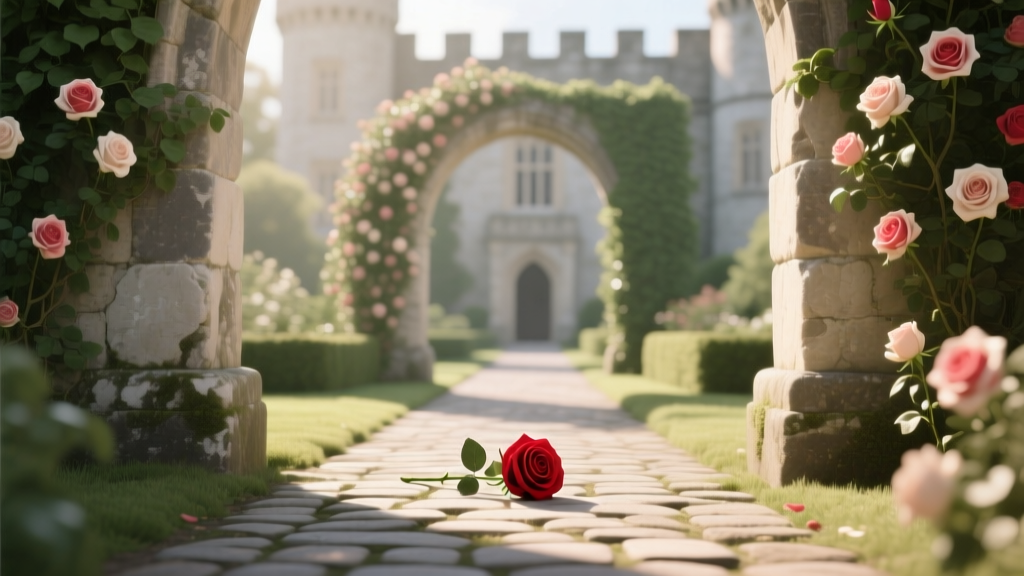
How to Plan a Proposal at a Historic Castle Garden
There’s something about a castle garden that makes your heart lean in a little closer. Maybe it’s the old stone walls holding centuries of stories, or the way the roses seem to bloom like they know they’re part of something bigger. Planning a proposal in a historic castle garden isn’t just choosing a pretty backdrop—it’s choosing a feeling: timeless, intentional, and a little bit magical.
If you’re here, you’re probably imagining the moment already: the two of you strolling a gravel path, sunlight catching on ivy, the quiet hush right before you ask. The best part is that a castle garden proposal can be grand without being showy, private without being isolated, and deeply personal even in a place with a long history.
This guide is for the dreamers who also want a plan—the kind of romantic, inspiring proposal that feels effortless in the moment because you did the thoughtful work beforehand.
Why a Historic Castle Garden Makes an Unforgettable Proposal Spot
Castle gardens are built for romance: arched walkways, fountains, hedge mazes, sweeping terraces, and those perfectly framed views that look like they belong on a postcard. They also carry built-in symbolism—enduring love, legacy, and “this is bigger than us in the best way.”
Proposal trends right now lean toward experiences over extravagance: meaningful locations, intimate moments, candid photography, and personal details (like handwritten letters or a custom playlist). A historic garden fits that trend beautifully, while still offering classic romance that never goes out of style.
Step-by-Step: Planning Your Castle Garden Proposal
Step 1: Choose the Right Castle and Garden (and Know the Rules)
Start by narrowing down a castle garden that matches your vibe:
- Formal and elegant: manicured hedges, terraces, grand staircases—perfect for a polished, classic engagement proposal.
- Wild and storybook: vines, woodland paths, rose-covered arches—ideal for a softer, more intimate moment.
- Coastal or countryside estates: sweeping views for sunset proposals and gorgeous golden-hour photos.
Then do the practical check: Does the venue allow proposals? Some historic sites require permits for professional photography, restrict decorations, or limit access to certain areas. Call or email and ask:
- Best times for low crowds
- Photo policy (tripods, professional cameras, drones)
- Whether you can reserve a private corner or guided tour
- Rain plan options (covered arcade, conservatory, indoor hall)
Step 2: Pick a “Moment Spot” and a “Backup Spot”
Walk the garden route ahead of time if you can. If you can’t, study maps, visitor photos, and reviews. Choose two proposal locations:
- Moment Spot: the place where you’ll ask (think: fountain, rose arch, overlook, secluded bench).
- Backup Spot: a nearby covered area or quieter corner in case of rain, crowds, or a closed path.
Real-world scenario: You planned the rose pergola, but a wedding party arrives for photos. Backup plan: a tucked-away terrace with stone balustrades and climbing ivy—still gorgeous, and suddenly it feels like it was meant for you.
Step 3: Choose Timing That Matches Your Partner’s Personality
Timing isn’t just about lighting—it’s about comfort, energy, and the kind of attention your partner enjoys.
- Early morning: quieter paths, fresh light, fewer onlookers (great for private proposals).
- Golden hour: dreamy glow and cinematic photos (great if you want the full romantic effect).
- Weekday visits: usually calmer than weekends—less chance of background crowds.
If your partner loves a low-key moment, a calm weekday morning with a casual “castle gardens date” plan can feel natural. If they love a little theater, golden hour near a grand staircase can give you that “main character” energy—without making it feel staged.
Step 4: Decide Your Proposal Style (Private, Semi-Private, or Planned Surprise)
Castle garden proposals can be beautifully flexible. Choose a style that feels like you two:
- Private and simple: just the two of you, a heartfelt speech, and the ring.
- Semi-private with a hidden photographer: candid photos, genuine reactions, minimal pressure.
- Planned surprise moment: a musician near the courtyard, family waiting for a toast afterward, or a reserved tea service.
Current trend: “photo-first, crowd-later.” Many couples propose in an intimate moment first, then celebrate with friends or family afterward—best of both worlds.
Creative Proposal Ideas That Feel Natural in a Castle Garden
A Handwritten Letter on a Garden Bench
Arrive early, “wander” to a bench you’ve scoped out, then hand them a letter. As they finish reading, you take their hand and ask. It’s timeless, personal, and doesn’t require props beyond paper and intention.
A Trail of Small Clues (Elegant, Not Overdone)
Think minimal and meaningful: one clue at the entrance (“Where we felt brave”), another by the fountain (“Where we made plans”), leading to the final spot. Each note can reference a shared memory without feeling like a scavenger hunt production.
A “Tour Moment” That Turns Into Your Story
Book a guided tour if the castle offers it. Ask the guide discreetly to pause at a specific overlook. When you reach it, you step forward and say, “I wanted one more piece of history today—ours.” Then propose.
A Post-Proposal Celebration That Matches the Setting
Plan something that keeps the magic going: afternoon tea at the estate café, a carriage ride if available, or a picnic with a bottle of sparkling water or champagne (only if the venue allows it). This is also where you can invite loved ones to join—after the “yes.”
Personalization Tips: Make It About Your Two-Person World
- Use shared details: favorite song lyrics in a note, a nod to your first trip, or a line you always say to each other.
- Pick a meaningful date: anniversary of your first date, or a random Tuesday you’ll remember forever because you chose it.
- Bring a small token: a pressed flower from a past trip, a charm, or a tiny photo—something sentimental that isn’t bulky.
- Plan for their comfort: if heels aren’t their thing, choose a flatter garden route; if they get cold easily, bring a stylish wrap.
Authentic scenario: You know your partner tears up when they’re surprised. You keep it simple—no audience, no big speech. Just a slow walk, a quiet corner near the fountain, and a few honest sentences. That’s not “less.” That’s intimacy, and it’s powerful.
Practical Execution Tips: The Little Things That Make It Smooth
Work With a Photographer (Without Making It Obvious)
If you want proposal photos, hire a local photographer who knows the venue or historic sites. Ask for:
- Discreet positioning and a clear signal (like you fixing your watch)
- A quick post-proposal mini-session (10–15 minutes is plenty)
- Guidance on where the best light will be at your chosen time
Think Through the Ring Logistics
- Choose a secure ring box that won’t slip out of your pocket.
- Keep it away from loose jacket pockets—use an inside pocket or zipped compartment.
- If you’re traveling, consider insurance and safe storage until the day.
Plan Your Words (Not a Script)
You don’t need a speech that sounds like a movie. You need you. Aim for three beats:
- What you love about them
- What you love about your life together
- What you’re asking for next
Things to Consider: Weather, Crowds, Access, and Backup Plans
- Weather: have umbrellas, a backup indoor spot, and a flexible time window if possible.
- Crowds: plan around peak hours; choose a quieter garden section; consider weekday proposals.
- Accessibility: cobblestones, stairs, and long paths can be tricky—choose routes that feel good for both of you.
- Venue policies: don’t assume you can bring candles, confetti, or large floral arrangements. Many historic gardens prohibit them.
Backup plan example: If rain hits, propose under a covered cloister walkway with the sound of rainfall nearby. It becomes atmospheric instead of disappointing—and your photos look dramatic in the best way.
Common Mistakes to Avoid During Proposals (and Early Engagement)
- Overplanning the “perfect” moment and forgetting your partner’s comfort: a proposal should feel like love, not a performance.
- Skipping permission or permits: getting stopped by staff mid-proposal is the kind of plot twist nobody wants.
- Choosing a location that’s too public for a private person: if they hate attention, don’t put them in the center of a crowd.
- Hiding the plan so well that it creates stress: it’s okay to frame it as a special date so they dress comfortably and feel prepared.
- Forgetting the “after”: plan a quiet moment to breathe, celebrate, call family, or take photos. That first hour engaged is gold.
- Early engagement overwhelm: don’t rush into planning everything the next day. Enjoy the glow before the spreadsheets.
Conclusion: Your Love Story Belongs in a Place With History
A historic castle garden proposal isn’t about borrowing someone else’s fairy tale—it’s about setting your real-life love story in a place that reminds you both that lasting things are built with care. When you choose the right spot, plan for the practical details, and speak from the heart, the moment feels natural—even in a setting that looks unreal.
However you do it—quietly by the roses, under an ancient archway, or with a hidden photographer capturing the exact second your partner realizes what’s happening—this is the beginning of a new chapter. And it deserves to feel like you.
If you’re collecting proposal ideas, engagement tips, and meaningful ways to celebrate the season you’re in, explore more engagement inspiration and planning guides on weddingsift.com.
More Articles
 Best Planning for Framework: A Practical, Evidence-Based Approach to Strategic Execution
 How to Plan a Proposal at a Vineyard at Sunset
 Proposal at a Lavender Maze Fun and Fragrant
 Proposal at a Secret Cove Hidden Coastal Gem
 Real For Common: How Everyday Brands Are Redefining Authenticity and Inclusion in 2024
 Modern Engagement Strategies vs. Traditional Checklists: What Data Shows Works in 2024
 How to Choose the Right Moment to Propose
 Proposal During a Full Moon Beach Walk Silver Tide
 What to Say During Your Proposal Speech Guide
 How to Plan a Proposal at a Rooftop Greenhouse