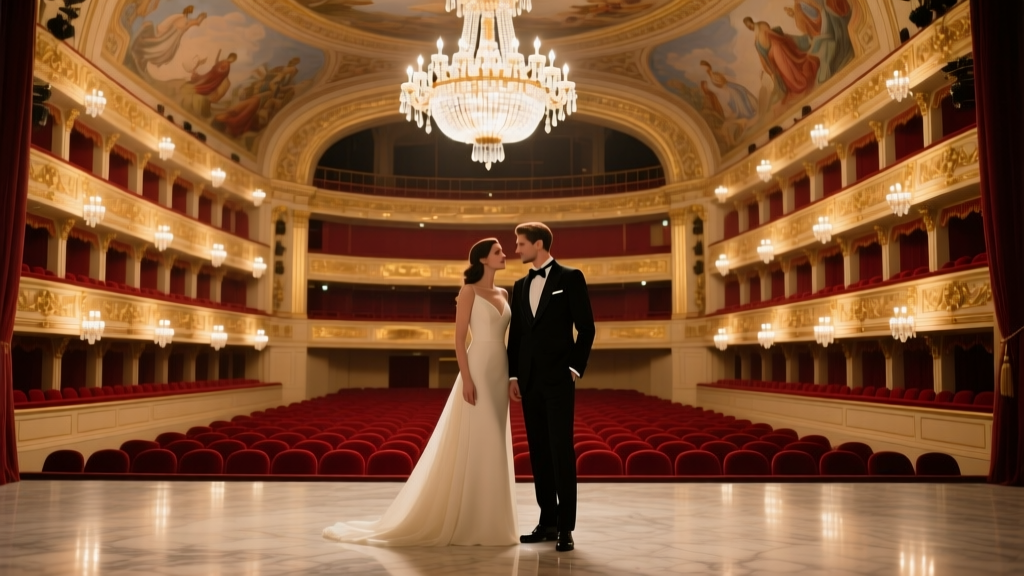
How to Plan a Proposal at a Historic Opera House
There’s something about a historic opera house that makes your heart beat a little faster the moment you walk in. The velvet seats, the gold-leaf details, the grand staircase that feels like it belongs in another era—everything quietly says, “This is a moment worth remembering.” If you’re dreaming of a proposal that feels cinematic without feeling staged, an opera house sets the scene for a romantic engagement in the most natural way.
Even better? A historic venue gives you built-in meaning. You’re not just picking a pretty location—you’re choosing a place where stories have been told for generations. Your proposal becomes part of that legacy, and it’s a beautiful way to begin your own.
Whether your partner loves live music, old-world architecture, or the idea of dressing up for a night that feels like a special occasion, a proposal at a historic opera house can be elegant, intimate, and incredibly personal—with the right plan.
Why a Historic Opera House Makes a Perfect Proposal Setting
Opera houses offer a mix of timeless romance and modern possibility. You can keep things classic with a formal night out, or lean into current proposal trends—like private venue rentals, “just us” moments captured by a hidden photographer, or a post-proposal mini celebration with close friends.
What makes it special
- Built-in atmosphere: Dramatic lighting, sweeping balconies, and gorgeous acoustics elevate even the simplest proposal speech.
- A sense of occasion: Dressing up, holding tickets, hearing an overture—your partner feels something big is coming, but not necessarily what.
- Flexible options: You can propose during intermission, after a show, in a private box, on the stage (with permission), or even during a behind-the-scenes tour.
Step-by-Step: Planning Your Opera House Proposal
1) Choose the right opera house (and the right night)
Start with the venue. Some opera houses are fully active performing arts centers; others host tours, weddings, and private events. Look for one that matches your partner’s vibe: ornate and traditional, sleek and restored, or cozy and historic.
Practical tip: Check the schedule before you decide. A sold-out Saturday night may be thrilling, but it’s also crowded. A weekday performance or a matinee can be more relaxed and easier to navigate.
2) Decide the proposal style: public, semi-private, or private
This is the biggest choice—and it should be based on your partner, not the grandeur of the space.
- Public: A big “yes” moment in a balcony, lobby, or after a show with people around.
- Semi-private: A quiet corner during intermission, a reserved box seat, or a planned moment right after the curtain closes while the crowd filters out.
- Private: A venue tour, a short private rental, or a coordinated moment on stage with staff support.
If your partner prefers intimacy, you can still use the opera house’s drama—just with fewer witnesses.
3) Contact the venue early and ask the right questions
Historic venues often have rules (and they should—these buildings are treasures). Reach out to the venue event coordinator and ask:
- Are proposals allowed inside? In which areas?
- Can you reserve a box seat or section?
- Are candles, flowers, or confetti permitted? (Confetti is almost always a no.)
- Can a photographer enter with a camera? What about phone tripods?
- Is there a quiet moment after the show when staff can help you get a private spot?
Trend to know: More venues are offering “micro-moment” packages—15–30 minutes in a gorgeous space for a proposal, a few photos, and a toast. If they don’t advertise it, politely ask if something similar is possible.
4) Build a believable cover story
The best engagement stories often include a tiny bit of misdirection—not to trick your partner, but to keep the surprise intact. A perfect cover: “I got tickets to a show I think you’ll love,” or “Let’s do a date night and dress up.”
If you need extra time to coordinate with staff or a photographer, say you want to arrive early to see the lobby or grab a drink. Most people love the idea of taking in the venue before the performance.
5) Plan the exact moment (and practice the flow)
Choose a specific spot and a specific time. Opera houses can be busy, and “we’ll figure it out when we get there” tends to create stress.
Here are three moments that work beautifully:
- Before the show: Less crowded, calmer energy, easy to control timing.
- Intermission: Romantic buzz in the air, but you’ll need a plan to avoid crowds.
- After the show: Emotional high, a natural “wow” moment—especially if you can get a quiet corner or a staff-assisted spot.
Practical tip: If you’re proposing inside, do it before the performance starts or after it ends. During the performance, you risk disrupting others and missing your own moment.
Creative Proposal Ideas That Feel Authentic (Not Forced)
The “Private Box” Proposal
Reserve a box seat and propose just before the show begins. The house lights dim, you’re tucked away with a perfect view, and it feels like your own little world. Ask a staff member ahead of time if they can take a quick photo right after—or arrange a photographer to capture the moment from across the aisle.
The Stage-Door Surprise
After the performance, step outside near the stage door under the marquee lights. This works especially well if your partner loves that classic city-night feel. You can keep it simple: a heartfelt speech, the ring, and a “We’re engaged!” photo with the theater glowing behind you.
The Backstage Tour Proposal
Some historic opera houses offer tours. Book one and coordinate with the guide: when you reach the stage or a dramatic staircase, you pause, take their hand, and propose. This option feels intimate and story-rich—perfect if your partner doesn’t want an audience.
A Musical Thread (Timeless and Personal)
If you have “your song,” weave it in. A modern trend is subtle personalization: a playlist for the drive, a printed program-style card with your proposal message, or a post-proposal toast where the bartender brings two drinks with a note you pre-arranged. Classic romance, but tailored to you.
Real-World Scenarios and How to Pull Them Off
Scenario: Your partner hates public attention
Plan a semi-private moment: arrive early, take a slow walk through the lobby, and propose on a quiet staircase landing away from the main doors. Then enjoy the show as newly engaged. It’s romantic, private, and still feels grand.
Scenario: You want photos but don’t want it to feel obvious
Hire a photographer who can blend in as a guest. Have them “coincidentally” be near your chosen spot. Another option: ask the venue if they have an in-house photographer or a preferred vendor familiar with the lighting and rules.
Scenario: You’re proposing while traveling
Opera houses are dream proposal locations when you’re on a trip. Book tickets in advance, call the venue to ask about proposal-friendly areas, and keep your ring secure in a travel case. Build in time for a celebratory dessert reservation afterward so you’re not wandering around hungry and overwhelmed.
Things to Consider: Timing, Personalization, and Backup Plans
- Timing: Give yourself buffer time for parking, coat check, and lines. Rushing can make even a perfect proposal feel stressful.
- Noise and lighting: Opera houses can be dim and echo-y. If you’re saying something meaningful, pick a spot where you can be heard.
- Ring logistics: Use a secure pocket or a slim ring box. Practice how you’ll take it out smoothly.
- Personalization: Tie the moment to your story—your first date, a shared love of music, a favorite city, or a simple line: “This place is beautiful, but you’re the reason tonight matters.”
- Backup plan: If the lobby is crowded or a staff member redirects you, have a second location nearby—like the marquee outside, a nearby park, or a quiet cocktail lounge.
Common Proposal Mistakes to Avoid (and What to Do Instead)
- Proposing at the wrong time: Avoid doing it mid-performance. Instead, plan for before or after when you can be present and respectful.
- Overcomplicating the surprise: If you’re juggling too many moving parts, you’ll feel distracted. Choose one “wow” element (venue, music, photographer, or a post-proposal celebration) and keep the rest simple.
- Ignoring your partner’s comfort level: A grand location doesn’t require a grand audience. If they prefer private moments, honor that.
- Forgetting to celebrate after: Plan a small next step: a champagne toast, a late-night dessert, or a short walk to soak it in. Those first 30 minutes of being newly engaged are golden.
- Not thinking through early engagement logistics: Have a plan for who you’ll call, when you’ll share the news, and where you’ll keep the ring if you’re traveling. A little preparation makes the joy feel calmer.
Closing Thoughts: Your Love Story Deserves a Beautiful Stage
A proposal at a historic opera house isn’t about putting on a show—it’s about choosing a setting that matches the feeling you already have: awe, devotion, and that quiet certainty that this is your person. When you plan it thoughtfully, the venue becomes a backdrop to something deeply real: the moment you ask, and the moment they say yes.
So pick the night, make the plan, tuck a backup idea in your pocket, and let yourself enjoy it. You’re not just planning an engagement—you’re stepping into a new chapter that deserves to feel unforgettable. When you’re ready for more proposal ideas, engagement tips, and real-life planning guidance, explore more inspiration on weddingsift.com.
More Articles
 How to Plan a Surprise Proposal: 2026 Guide
 How to Plan a Proposal at a Historic Bridge at Dusk
 How to Include Pets in Your Proposal
 10 Quiet Proposal Ideas for Private, Intimate Moments
 Fireworks Proposal Spectacular and Memorable
 Proposal During a Meteor Shower Celestial Moment
 How to Plan a Surprise Proposal: 15 Creative Ideas for 2026
 How to Plan a Proposal at a Famous Landmark
 Best Proposal Locations Around the World
 Practical & Thoughtful Wedding Storage Ideas for Keepsakes, Attire, and Paperwork