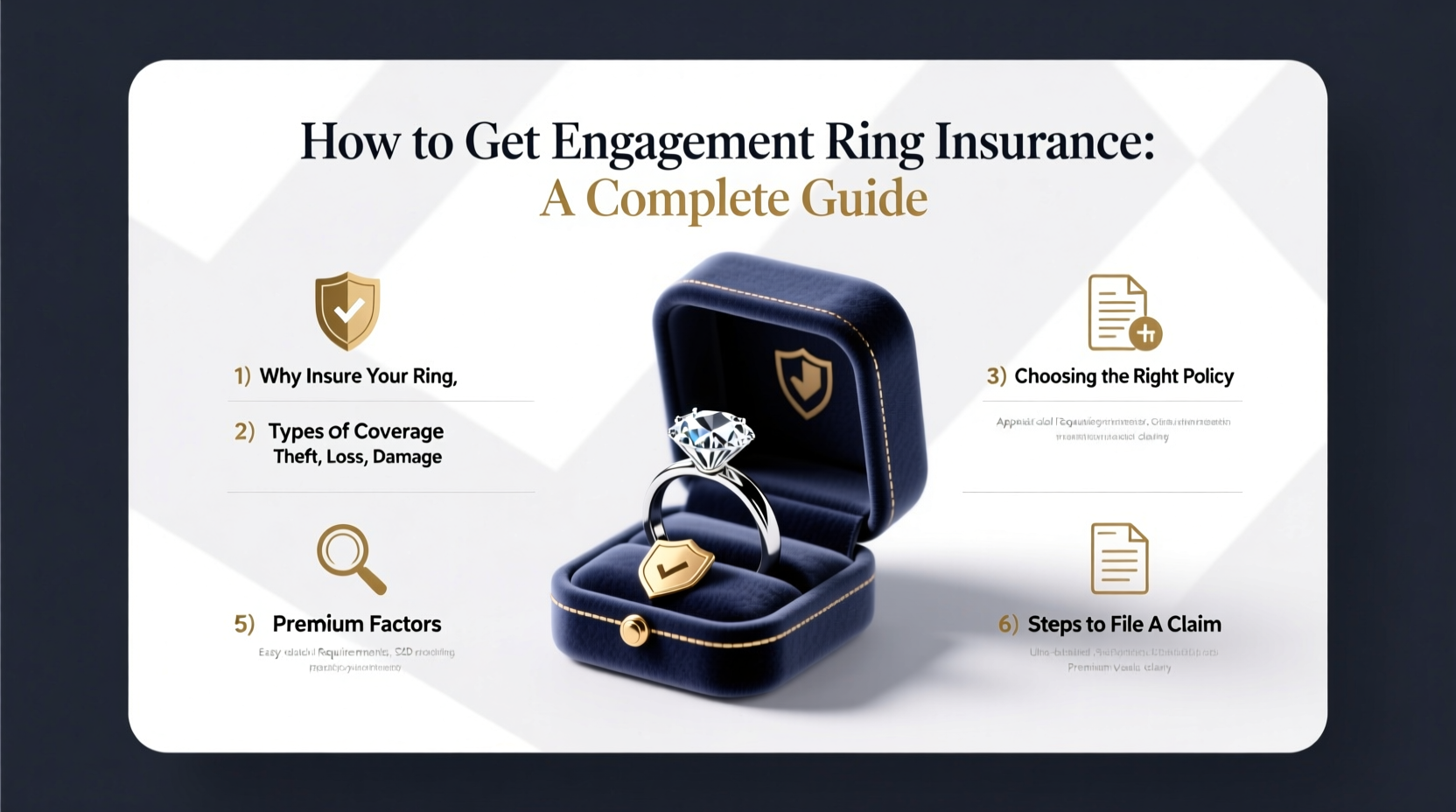
Engagement Ring Insurance: How to Get Covered
If you're wondering how to get engagement ring insurance, the best approach is to start by evaluating your current homeowner's or renter's insurance policy, as many already offer coverage for jewelry like engagement rings through a rider or scheduled personal property endorsement. This method—adding a scheduled jewelry endorsement—is often more affordable and comprehensive than standalone policies and ensures your ring is protected against loss, theft, and damage wherever you are.
Why You Need Engagement Ring Insurance
An engagement ring is not just a symbol of love—it’s often one of the most valuable personal items a person owns. Whether it’s a family heirloom or a newly purchased piece with sentimental and financial worth, protecting it makes sense. Without proper coverage, replacing a lost, stolen, or damaged ring can cost thousands out of pocket.
Standard homeowner’s or renter’s insurance may offer limited protection for jewelry, but these policies typically cap payouts at $1,000 to $2,000—and often only cover specific perils like fire or burglary. They usually don’t cover common risks such as misplacing your ring or scratching the diamond during daily wear.
This is where engagement ring insurance becomes essential. With the right policy, you gain peace of mind knowing your ring is covered no matter what happens—whether it slips off in a hotel pool or gets damaged during a move.
Types of Engagement Ring Insurance Options
There are several ways to insure your engagement ring. Understanding each option helps you choose the best fit based on cost, coverage, and convenience.
1. Scheduled Personal Property (Homeowners/Renters Insurance Rider)
The most cost-effective and widely recommended method is adding your ring to your existing homeowner’s or renter’s insurance policy via a scheduled personal property endorsement. This rider specifically lists your ring, its appraised value, and provides full replacement value with no deductible.
- Coverage: All-risk protection (theft, loss, mysterious disappearance, damage)
- Cost: Typically 1%–2% of the ring’s value annually
- Requirements: Requires a recent professional appraisal (within the last 3–5 years)
- Best for: Those already paying for home or renters insurance
2. Standalone Jewelry Insurance Policies
Companies like Jewelers Mutual, Chubb, and Lavalier specialize in jewelry-only insurance. These policies are designed specifically for high-value items and offer tailored benefits.
- Coverage: Full replacement, worldwide protection, repair services, upgrade options
- Cost: Slightly higher than riders but still around 1%–2% per year
- Flexibility: Can be canceled or adjusted anytime; ideal if you don’t have homeowners insurance
- Best for: High-end rings, frequent travelers, or those wanting specialized service
3. Credit Card or Retailer Protection Plans
Some credit cards or jewelers offer limited-time insurance when you purchase a ring using their card or in-store financing. While convenient, these plans are often temporary (6–12 months) and lack comprehensive coverage.
- Limits: May exclude loss or require re-purchasing coverage after expiration
- Red Flags: Often come with hidden exclusions or poor customer service
- Recommendation: Use only as a short-term bridge until you secure permanent insurance
Step-by-Step Guide: How to Get Engagement Ring Insurance
Securing insurance doesn’t have to be complicated. Follow these six practical steps to ensure your ring is properly protected.
Step 1: Get a Professional Appraisal
You cannot insure a ring without documentation of its value. Obtain a detailed appraisal from a certified gemologist (GIA, AGS, or equivalent). The report should include:
- Diamond or center stone characteristics (carat, cut, color, clarity)
- Measurements and weight of all stones
- Band material and craftsmanship details
- Current market value in USD
- Photographs of the ring
Avoid generic receipts or vendor estimates—they are rarely accepted by insurers. Always request a full narrative appraisal, not just a sales slip.
Step 2: Contact Your Home or Renters Insurance Provider
Call your insurance agent and ask: "Can I add my engagement ring to my policy with a scheduled personal property endorsement?" Provide the appraisal and discuss premium increases. Most insurers will add coverage within 24–48 hours once documentation is submitted.
TIP: Ask whether the policy covers "mysterious disappearance"—a key feature that protects you if you lose the ring and can’t prove how.
Step 3: Compare Standalone Insurance Quotes (Optional)
If you don’t have homeowners insurance or want broader service, compare quotes from specialized providers. Top-rated companies include:
| Company | Annual Cost (Estimate) | h>Coverage HighlightsClaim Process | |
|---|---|---|---|
| Jewelers Mutual | $120 on a $6,000 ring | All-risk, includes repair, global coverage | Online portal, average 5-day payout |
| Chubb | $100–$140 | Premium service, restoration expertise | Dedicated adjuster, fast response |
| Lavalier | $90–$130 | User-friendly app, modern claims process | Mobile upload, quick approvals |
Use these comparisons to evaluate value beyond price—customer support, ease of filing claims, and repair partnerships matter.
Step 4: Review Policy Exclusions and Limits
Not all policies are equal. Carefully read the fine print before committing. Common exclusions include:
- Normal wear and tear
- Intentional damage
- War or nuclear hazards (rare, but listed)
- Unattended jewelry left in public spaces (varies by provider)
Ask whether your policy offers new-for-old replacement or requires depreciation calculations. The best policies provide brand-new replacements regardless of age.
Step 5: Keep Records Securely Stored
Store digital and physical copies of your appraisal, receipt, and insurance documents in separate locations. Consider a fireproof safe or encrypted cloud storage. Never keep all documents in the same place as the ring.
Step 6: Update Coverage After Life Changes
Reappraise your ring every 3–5 years, especially if diamond prices rise or you make upgrades. Also update your policy if you move, change names, or travel frequently.
Common Mistakes to Avoid When Getting Engagement Ring Insurance
Even well-intentioned couples make errors that leave their rings underprotected. Here are the top pitfalls and how to avoid them.
Mistake 1: Assuming Homeowners Insurance Is Enough
Many people assume their standard policy covers jewelry fully. In reality, base limits are low and don’t cover loss. Always add a rider for complete protection.
Mistake 2: Waiting Too Long to Insure
Accidents happen quickly. Insure your ring immediately after purchase or proposal—not months later. Some policies have waiting periods for certain claims if not activated promptly.
Mistake 3: Using Outdated or Incomplete Appraisals
An appraisal older than five years may not reflect current market value. Insurers might pay less than needed to replace the ring today. Always use a recent, certified appraisal.
Mistake 4: Not Reading the Claims Process
Know how to file a claim before you need to. Some insurers require police reports for theft; others allow online submissions for lost items. Understand timelines and required documentation.
Mistake 5: Overlooking International Coverage
If you travel abroad, confirm your policy covers incidents overseas. Most reputable insurers offer worldwide protection, but double-check geographic limitations.
What Happens When You Need to File a Claim?
Filing a claim should be straightforward if you’re prepared. Here’s what to expect:
- Report the incident: For theft, file a police report immediately. For loss or damage, document the situation clearly.
- Contact your insurer: Call or log into your account to start the claim. Provide the appraisal, photos, and any supporting evidence.
- Receive instructions: You may be asked to send the ring to an approved jeweler for repair or receive a check for replacement.
- Replacement: Most policies allow you to choose where to buy a new ring, giving flexibility in style and vendor.
Processing times vary—from 5 days with Lavalier to 2–3 weeks with traditional insurers. Keep communication open and follow up regularly.
Is Engagement Ring Insurance Worth It?
For most people, yes. Consider this: a $6,000 ring costs about $120 per year to insure (2%). If the ring is ever lost or stolen, the payout far exceeds what you’ve paid in premiums. Plus, coverage for repairs and maintenance adds long-term value.
However, assess your lifestyle. If you rarely wear the ring outside the house and store it securely, risk is lower. But if you work with your hands, travel often, or live an active life, insurance is a smart investment.
Frequently Asked Questions About Engagement Ring Insurance
Can I insure an inherited engagement ring?
Yes, but you’ll need a current appraisal reflecting its present market value, even if it has sentimental worth. Inherited rings qualify for the same types of coverage as newly purchased ones.
Does engagement ring insurance cover resizing or cleaning?
Most policies don’t cover routine maintenance like resizing or polishing. However, some premium providers (like Jewelers Mutual) offer free or discounted services as part of membership.
Can I cancel my engagement ring insurance later?
Yes. Unlike some insurance types, jewelry policies can typically be canceled at any time without penalty. Refunds may apply for prepaid annual premiums.
Do I need proof of purchase to get insurance?
You need a professional appraisal, not necessarily a receipt. However, both strengthen your case. If buying secondhand, ensure the appraiser verifies authenticity and ownership.
Will my premium increase after filing a claim?
It depends on the insurer and claim type. Most don’t raise rates for first-time claims, especially for theft or accidents beyond your control. Check your provider’s policy on post-claim adjustments.
More Articles
 How to Plan a Proposal at a Library for Book Lovers
 Proposal During a Snowfall Magical Winter Moment
 Best Proposal Locations Around the World
 Outdoor Alternatives to Mountain
 Proposal at a Lighthouse at Sunset Coastal Romance
 How To Repair Size: A Practical, Data-Driven Guide for Apparel Brands and Retailers
 Engagement Flowers Meaning & Best Choices
 Engagement Ring Trends 2026: Modern Couples Guide
 How to Plan a Proposal at a Wine Cave
 How To Start a Question