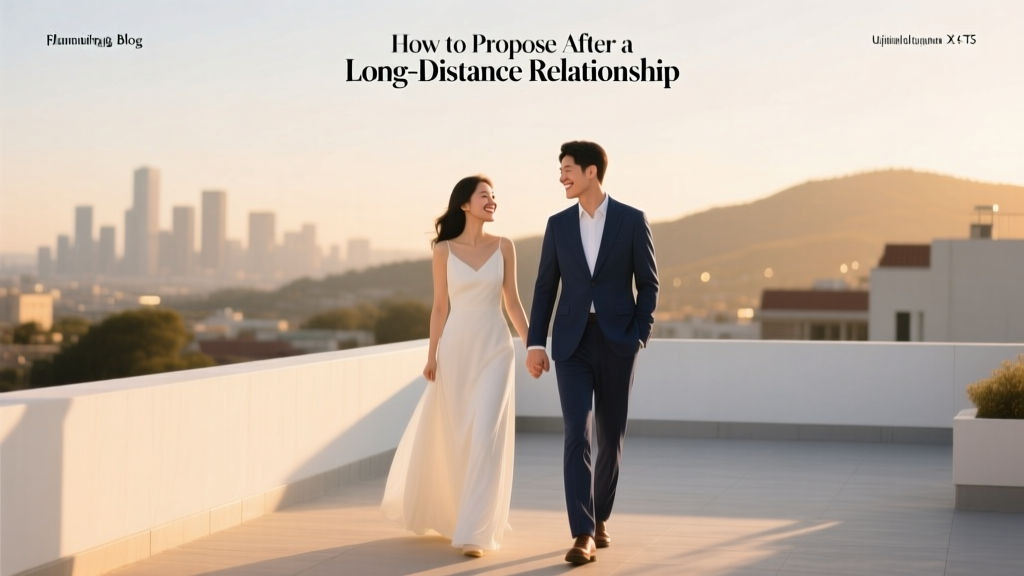
How to Propose After a Long-Distance Relationship
Long-distance love has a certain kind of magic. You’ve built a relationship on late-night calls, time zone math, screen-shotting flight confirmations, and learning how to show up for each other even when you can’t show up in person. That’s not “less than” a traditional romance—it’s a masterclass in commitment.
So when you’re ready to plan a marriage proposal after miles of waiting, the moment can feel extra charged. You’re not just asking “Will you marry me?” You’re also saying, “I choose us—on purpose—again.” The best long-distance proposals honor the story you’ve already lived together: the airports, the countdowns, the first hug after months apart, the inside jokes that only make sense in voice notes.
If you want a proposal that’s romantic, practical, and true to you both, here’s how to pull it off—without stress, without weird pressure, and with the kind of detail that makes your partner feel deeply seen.
Start With the Heart: What Should This Proposal Feel Like?
Before you book a hotel or buy the ring, decide the vibe. Long-distance couples often fall into two camps: “make it cinematic” or “make it intimate.” Neither is better. The right engagement moment matches your partner’s personality and the way you two naturally express love.
Ask yourself these quick questions
- Private or public? Would they melt with a flash mob… or freeze? Most people prefer semi-private: meaningful setting, no spotlight.
- Planned or spontaneous? “Spontaneous” is great, but long-distance logistics usually require planning. You can still make it feel effortless.
- Sentimental or adventurous? Think: cozy apartment reunion with letters vs. sunrise hike with a photographer.
- Do you want friends/family involved? Some partners want an immediate celebration; others want a quiet “yes” first.
Proposal trend you’ll see a lot right now: personalized, story-driven proposals—less spectacle, more meaning. Couples are leaning into nostalgia (where you first met, first trip, first “I love you”), and adding thoughtful details like custom vow books, audio message playlists, and hidden notes.
Step-by-Step Planning: From “I Miss You” to “We’re Engaged”
Step 1: Choose the timing that respects your reality
Long-distance adds layers: travel days, work schedules, jet lag, family expectations. The best timing often lands in one of these moments:
- First day back together (big emotion, big payoff—best if your partner loves surprises)
- Second or third day of the visit (less travel fatigue, more presence)
- During a planned trip (vacation glow + built-in memories)
- Right before closing the distance (moving in, new job, relocation—symbolic “new chapter” energy)
Practical tip: If they’ve traveled all day, don’t propose the minute they step off a red-eye unless that’s their dream. Give them a shower, a meal, and a breath. A proposal should feel like a gift, not a sprint.
Step 2: Pick a location that means something (and works logistically)
Your location can be cinematic without being complicated. For long-distance couples, the most meaningful places are often surprisingly simple:
- The airport pickup spot where you always reunite (yes, really—if you do it thoughtfully)
- Your “home base” for visits: that favorite coffee shop, park bench, or neighborhood walk
- A halfway-city destination you both traveled to meet in the middle
- Where you first met—even if it’s a specific corner table or museum exhibit
Backup plan rule: If it’s outdoors, have an indoor option (a reserved table, hotel suite, covered patio) in case weather flips the script.
Step 3: Build a plan that feels natural, not staged
The most memorable engagement proposals have a “this is so us” flow. A simple structure helps:
- Warm-up moment: Something familiar—coffee, a walk, a meal, a quiet chat.
- Meaningful pivot: A letter, a photo album, a playlist, or a “one more stop” surprise.
- The question: Clear, present, unrushed.
- The celebration: Champagne, a call to family, a dinner reservation, or a mini photo session.
Trend worth stealing: A short “proposal speech” that includes one specific memory from each stage: how you met, the hardest long-distance stretch, and the moment you knew. It’s personal, not performative.
Creative Proposal Ideas for Long-Distance Couples (That Don’t Feel Cheesy)
1) The “Reunion + Time Capsule” Proposal
Scenario: You’re meeting at the apartment after months apart. You’ve set a small table with takeout from the restaurant you always talk about trying together. Next to it is a box labeled “Open When We’re Together.” Inside: printed screenshots of your best texts, boarding passes, a tiny map with pins, and one letter that ends with, “So… are we doing this for the rest of our lives?”
Execution tip: Keep the box manageable. Curate 10–15 items, not 200. The goal is tears, not homework.
2) The “Halfway Point” Surprise Getaway
Scenario: You plan a weekend in the city you always used as your meet-in-the-middle. You revisit the first restaurant you ate at there, then walk to a scenic overlook at sunset. You propose with a photographer at a distance (or a tripod with remote clicker if you want it discreet).
Execution tip: Book a refundable photographer and choose a spot with multiple nearby alternatives in case it’s crowded.
3) The “Every Version of Us” Photo Walk
Scenario: You create a mini walking route with three stops: a place that represents the early days, a place that represents long-distance (like your favorite FaceTime corner café), and a final spot that represents the future (a neighborhood you’ve talked about living in). At the last stop, you pull out the ring.
Personalization: Add a small note at each stop: “Here’s what I learned about loving you here.”
4) The “Private Dinner, Public Joy” Proposal
Scenario: You propose in a quiet, private moment first—maybe at home with candles and music. Then you invite friends to a nearby restaurant for a surprise engagement celebration. This balances intimacy with the excitement of sharing the news.
Execution tip: Coordinate arrival times and keep the guest list tight. Too many people can overwhelm the moment.
Practical Tips for a Smooth Proposal (Especially With Travel Involved)
- Ring logistics: If you’re flying, keep the engagement ring in your carry-on, never checked luggage. Use a slim ring box or a travel ring holder that won’t scream “jewelry.”
- Get the size smartly: Borrow a ring they already wear (same finger if possible), ask a close friend, or choose a jeweler with resizing included.
- Plan the “after”: Have a simple next step: a toast ready, a reservation, a scenic walk, or a cozy night in. The minutes after “yes” matter.
- Capture it your way: Photographer, video, or just a sweet selfie after. A common trend is “engagement content,” but it should serve your memories—not pressure you into a performance.
- Script the essentials: You don’t need a speech, but have a few grounded lines ready so nerves don’t steal your words.
Things to Consider: Timing, Location, Personalization, and Backup Plans
Timing: If your partner has been craving reassurance, proposing earlier in the visit might feel like relief and joy. If they need time to settle, mid-visit can feel more intentional.
Location: Avoid anywhere that’s emotionally “complicated” (like the site of a big argument) even if it’s meaningful. Choose a place that feels safe and happy.
Personalization: The most romantic proposals after a long-distance relationship include proof that you remember. Bring back details: the first nickname, the song you looped during a tough week, the snack you always brought on flights.
Backup plans: Weather, crowds, flight delays—plan for them. Have a second location, keep reservations flexible, and don’t hinge the entire proposal on one perfect sunset.
Common Mistakes to Avoid During the Proposal (and Early Engagement)
- Making it too public without knowing their comfort level. A public proposal can be beautiful, but it can also feel like pressure.
- Overcomplicating the plan. If you need seven people, three props, and two outfit changes, you’ll spend the day managing logistics instead of being present.
- Proposing when they’re exhausted or stressed. Jet lag is real. So is work burnout. Choose a moment where they can actually feel the joy.
- Forgetting the meaning in the rush for “perfect.” The engagement ring, the photos, the setting—great. But your partner will remember how loved they felt.
- Skipping the conversation about the future. A proposal can still be a surprise, but the topic of marriage shouldn’t be. Make sure you’ve talked about values, timelines, and what closing the distance looks like.
- Early engagement overwhelm. Right after you get engaged, friends and family may ask, “When’s the wedding?” Give yourselves permission to enjoy being engaged before planning takes over.
Conclusion: Your Love Already Did the Hard Part
If you’ve made a long-distance relationship work, you already know how to choose each other—through silence, schedules, and the kind of longing that most people only read about. A thoughtful marriage proposal is simply the next chapter, not a test you have to pass.
Keep it personal. Keep it honest. Build in a little practical planning, leave room for real emotion, and trust that your story—your actual story—is romantic enough. When the moment comes, breathe, look at them, and ask the question that’s been growing in your heart across all those miles.
When you’re ready for more engagement ideas, proposal planning tips, and heartfelt inspiration, explore more engagement content on weddingsift.com.
More Articles
 Proposal Stories That Will Inspire Your Own
 Proposal at a Coral Garden Underwater Garden
 How to Plan a Proposal at a Secret Garden
 Proposal at a Hidden Valley Secluded Paradise
 How to Plan a Proposal at a Rooftop Piano Bar
 Engagement vs Wedding Ring: What to Know Before Proposing
 Is Getting Engaged at 18 Too Young?
 Outdoor Alternatives to Mountain
 How to Plan a Proposal at a Private Vineyard Dinner
 Engagement Photo Outfit Tips: Look Your Best