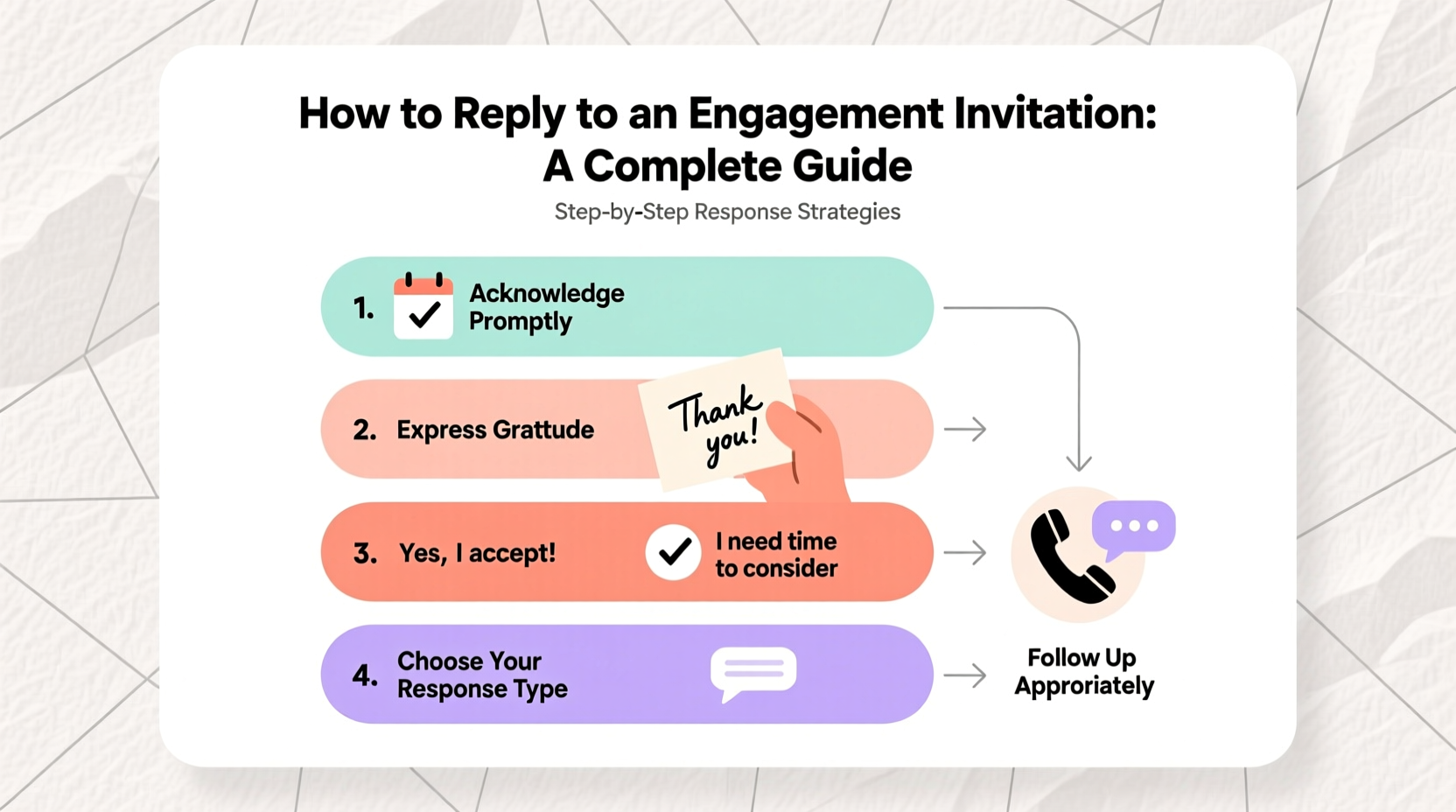
Engagement Party RSVP Guide: How to Reply Well
Knowing how to reply to an engagement invitation appropriately is a key part of wedding etiquette that shows respect and support for the couple. Whether you receive a formal card, a digital message, or a verbal announcement, your response should be timely, sincere, and aligned with the tone of the invitation. A well-crafted reply not only confirms your awareness but also strengthens your relationship with the couple during this joyful milestone. In this comprehensive guide, we’ll walk you through every aspect of responding—timing, format, tone, cultural considerations, and common pitfalls to avoid—so you can respond with confidence and grace.
Understanding the Purpose of an Engagement Invitation
An engagement invitation is not just a social update—it’s a ceremonial way for couples to share their joy and formally announce their upcoming marriage. These invitations are often sent to family, close friends, and sometimes colleagues. They may come in various forms: printed cards, e-vites, social media posts, or even personal phone calls. While no formal RSVP is typically required (unlike wedding invitations), acknowledging the news is both courteous and expected.
Failing to respond—or delaying too long—can unintentionally signal disinterest or disrespect. Your acknowledgment serves as emotional support and helps the couple feel celebrated during their planning journey. Think of it as the first step in being part of their wedding story.
When to Respond to an Engagement Invitation
Timing matters. The ideal window to respond is within 3 to 7 days of receiving the invitation. This timeframe shows attentiveness without appearing rushed or indifferent.
- For physical cards: Mail a handwritten note or call within a week.
- For digital invites (email, text, social media): Respond within 48–72 hours.
- For verbal announcements: Acknowledge immediately and follow up with a message or small gift if appropriate.
Avoid waiting until the wedding invitation arrives to acknowledge the engagement. That delay can seem like oversight or lack of enthusiasm.
Choosing the Right Format for Your Response
The format of your reply should match the medium and formality of the invitation. Here’s how to tailor your response:
| Invitation Type | Recommended Response Method | Response Timeframe |
|---|---|---|
| Printed Card | Handwritten note or phone call | Within 7 days |
| Personalized email reply | Within 3 days | |
| Text Message | Warm text reply | Within 48 hours |
| Social Media Post | Public comment + private message | Within 2 days |
| Verbal Announcement | Immediate verbal response + follow-up message | Same day |
Dos and Don’ts When Replying to an Engagement Invitation
To ensure your response is well-received, follow these best practices:
Dos ✅
- Express genuine excitement: Use warm, positive language like “I’m so thrilled for you!” or “What wonderful news!”
- Mention both partners by name: Show you value their union equally.
- Keep it personal: Reference a shared memory or express confidence in their future.
- Offer support: Say something like, “Let me know if you need help with anything.”
- Send a small gift (optional): A bottle of wine, a gift card, or a heartfelt card adds a thoughtful touch.
Don’ts ❌
- Ask about wedding details prematurely: Avoid questions like “Where will the wedding be?” or “When can I get my invite?” Focus on the engagement first.
- Make comparisons: Never say things like “I thought you’d never get engaged” or “It took you long enough.”
- Bring up past relationships: Stay focused on their current happiness.
- Overwhelm with advice: Unsolicited tips about planning or marriage are inappropriate at this stage.
- Respond with a generic emoji-only message: A single heart or clapping hands may seem dismissive.
How to Write a Thoughtful Written Response
If you’re writing a note or email, structure your message clearly. Here’s a simple three-part framework:
- Opening: Express immediate joy and congratulations.
- Middle: Share a personal sentiment or memory.
- Closing: Wish them well and offer support.
Example 1 – Formal Handwritten Note:
Dear Sarah and James,
Congratulations on your engagement! I was absolutely delighted to receive your beautiful announcement. You two make such a loving pair, and I have no doubt your marriage will be filled with laughter, kindness, and endless adventures together.
I remember when you first started dating—I could already see the spark between you. It brings me so much joy to see it blossom into this wonderful commitment.
Wishing you all the happiness in the world as you begin this new chapter. Please don’t hesitate to reach out if there’s any way I can support you during your planning.
With warmest regards,
Emily
Example 2 – Casual Text or Email:
Hey Alex & Taylor!! 🎉 So incredibly happy for you both!! Your engagement photo made my day—such a perfect moment! Can’t wait to celebrate with you soon. Let me know when you want help brainstorming venues or just need someone to vent to about cake tastings 😄❤️
Responding to Digital and Social Media Announcements
Many couples now announce engagements via Instagram, Facebook, or TikTok. While a public comment is acceptable, it shouldn’t be your only response—especially if you’re close to the couple.
- Public comment: Keep it celebratory: “So happy for you both! 💍❤️”
- Private message: Send a more detailed, personal note expressing your feelings.
This two-step approach shows both public support and private sincerity. Avoid commenting something like “Finally!” or “Took you long enough,” even as a joke—tone doesn’t translate well online.
Cultural and Religious Considerations
In some cultures, engagement announcements carry deeper significance and may involve family rituals or religious blessings. For example:
- South Asian traditions: An engagement (or “sagaai”) may be a formal event requiring attendance and gifts.
- Latin American cultures: Some families host an “anuncio” party to celebrate the engagement publicly.
- Jewish customs: An engagement may be marked by a vort, with specific blessings and community involvement.
If you’re unsure about expectations, observe how others in the couple’s inner circle respond. When in doubt, ask a mutual friend or keep your message warm and respectful without overstepping cultural norms.
Common Mistakes to Avoid When Replying
Even well-meaning responses can go wrong. Watch out for these frequent missteps:
- Delaying your reply: Waiting weeks sends the wrong message.
- Using humor inappropriately: Jokes about divorce or bachelor parties fall flat.
- Asking about finances: Questions like “How much did the ring cost?” are intrusive.
- Assuming gender roles: Avoid phrases like “Now she’ll finally settle down” or “He’s off the market.”
- Ignoring plus-one status: If the invite includes your partner, acknowledge them too.
Should You Send a Gift With Your Response?
While not required, a small gift is a lovely gesture—especially if you’re particularly close to the couple. Popular options include:
- A personalized card with a heartfelt message
- A bottle of champagne or wine
- A gift card to a home goods store (for future nesting)
- A framed photo of the couple (if you have a great one)
- A book on marriage or relationships (choose uplifting titles)
Avoid overly extravagant gifts unless you’re a parent or sibling. The goal is thoughtfulness, not competition.
What If You’re Not Close to the Couple?
If you receive an engagement invite from a coworker or distant acquaintance, a brief but polite acknowledgment is sufficient. For example:
Hi Jordan, thanks so much for sharing your happy news! Wishing you both all the best as you plan your future together.
No gift is needed in these cases, and a simple message fulfills social etiquette.
FAQs About Responding to Engagement Invitations
Can I wait until the wedding invitation to respond?
No. The engagement is a separate milestone. Failing to acknowledge it may seem like you overlooked their big news. Always respond to the engagement first.
What if I didn’t get an invitation but saw the announcement online?
If you’re close to the couple, send a private message anyway. They may have missed adding you due to a busy schedule. A kind note won’t offend.
Is it okay to ask about wedding plans in my reply?
Not in the initial response. Wait until later conversations. Your first message should focus solely on celebrating their engagement.
Should I mention the engagement ring?
You can compliment it if it feels natural (“That ring is stunning!”), but don’t make it the focus. Center your message on their love and commitment.
What if I have concerns about the relationship?
Keep them to yourself—at least for now. The engagement period is for celebration. If you’re truly worried, wait for a private, compassionate conversation much later.
Ultimately, knowing how to reply to an engagement invitation comes down to empathy, timeliness, and sincerity. Whether you write a letter, send a text, or comment online, your words should uplift and affirm the couple’s joy. By following these guidelines, you’ll not only meet social expectations but also strengthen your connection with the people you care about. After all, every great wedding begins with meaningful moments—and your thoughtful reply is one of them.
More Articles
 How to Plan a Proposal at a Rooftop Botanical Terrace
 Find Ring Size Without Asking: 7 Sneaky Methods
 How To Repair Romance: Evidence-Based Strategies That Restore Intimacy and Trust
 What Questions to Ask Before Planning a Proposal
 How to Propose After a Long-Distance Relationship
 Proposal at a Hidden Beach Secret Paradise
 Which Finger Is the Wedding Ring and Why It Matters
 Proposal During a Road Trip Unexpected Romance
 10 Creative Proposal Ideas for 2026
 How to Plan a Proposal at a Rooftop Wine Cellar