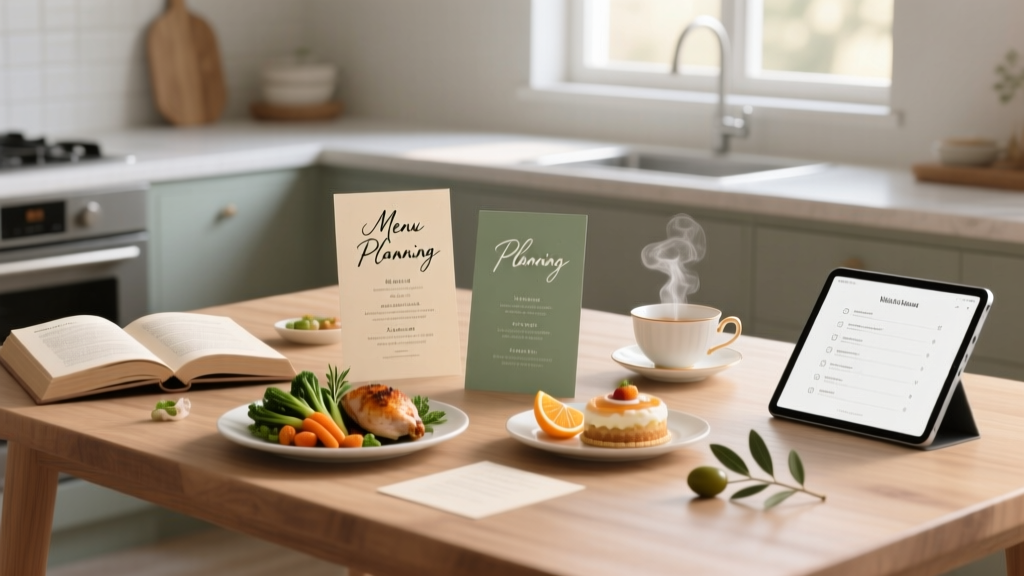
Wedding Menu Planning: Stress-Free Framework (2026)
Why Your Wedding Menu Is the Silent Guest Experience Architect
More than just a list of dishes, a wedding menu is the invisible conductor of your guests’ emotional journey: it sets the tone before the first bite, signals your values (sustainability, inclusivity, cultural pride), and quietly determines whether Aunt Carol feels seen—or sidelined—by her gluten-free option. Yet 68% of couples report spending more time choosing centerpieces than finalizing their menu, often deferring critical decisions until 8–10 weeks before the wedding—when caterers are fully booked, seasonal produce is unavailable, and last-minute changes trigger 23% average cost surges (WeddingWire 2023 Vendor Survey). This isn’t about ‘picking pretty dishes.’ It’s about intentional hospitality—and this guide gives you the exact framework, scripts, and data-backed levers to design a menu that’s delicious, dignified, and deeply aligned with who you are.
Step 1: Anchor Your Menu in Real Constraints—Not Pinterest Dreams
Start not with aesthetics—but with non-negotiables. Most couples begin with ‘What do we love?’ then crash into reality when tasting menus cost $42/person and their venue only allows plated service. Flip the script: begin with your hard boundaries. List them in order of immovability:
- Venue restrictions: Does your barn venue prohibit open flame? Does your historic ballroom require all alcohol to be served by their in-house bar (with 22% markup)?
- Guest profile realities: Are 40% of your guests over 65? Do 12 family members require medically supervised allergen-free meals (not just ‘gluten-free’ but top-9-allergen-eliminated)?
- Timeline logistics: Will your ceremony end at 4:30 PM, leaving only 75 minutes for cocktail hour, seating, and service? Buffets may run late; family-style requires extra staff; plated demands precise timing.
Real example: Maya & James booked The Oak Hollow Barn—charming, rustic, and strictly no gas stoves. Their dream ‘wood-fired flatbread station’ was impossible. Instead, they partnered with a local artisan pizzeria to pre-bake and reheat individual mini flatbreads on portable induction burners—a $195 savings per 100 guests versus custom equipment rental, and zero violation of venue rules. Their takeaway? Constraints spark creativity—if you name them first.
Step 2: Master the Hidden Math of Menu Pricing (and Where to Cut Without Cutting Quality)
Catering costs aren’t linear—they’re layered. A $32/person plated dinner isn’t just food cost. Break it down:
| Cost Component | Average % of Total Per-Person Fee | What It Covers | Smart Negotiation Tip |
|---|---|---|---|
| Food Cost (ingredients) | 28–35% | Produce, proteins, dairy, herbs | Ask for seasonal ingredient lists—swap out imported heirloom tomatoes ($14/lb) for local cherry tomatoes ($4.50/lb) in July; save 18% instantly. |
| Labor (chefs, servers, bussers) | 40–48% | Staff wages, overtime, training | Negotiate flat staffing fees for events under 120 guests—many caterers charge per server, but 3 servers can handle 100 guests efficiently if flow is optimized. |
| Overhead (kitchen space, insurance, admin) | 12–16% | Permitting, liability insurance, office staff | Book midweek or off-season (Jan–Mar, Sept): overhead is fixed, so caterers often discount 10–15% to fill calendar gaps. |
| Profit Margin | 8–12% | Caterer’s net earnings | Request itemized quotes. If profit exceeds 12%, ask: ‘Is this reflective of premium staffing or specialized equipment?’ Then compare against competitors. |
Here’s what most couples miss: protein drives 60% of food cost. But ‘premium protein’ doesn’t mean filet mignon—it means smart cuts. A braised short rib (rich, tender, crowd-pleasing) costs $11.20/lb wholesale vs. $24.50/lb for center-cut filet. And it feeds 25% more portions due to higher yield after cooking. Or go plant-forward: a roasted beet & farro bowl with lemon-dill tahini ($5.80 cost) satisfies vegetarians *and* flexitarians—while reducing overall protein load. One couple in Portland swapped beef tenderloin for miso-glazed eggplant + seared scallops (half portion) and saved $8.30/person—$1,660 on 200 guests—with zero guest complaints.
Step 3: Build Inclusivity That Feels Human—Not Just Checkbox Compliant
‘Dietary accommodations’ shouldn’t mean handing someone a sad, cold salad while others enjoy braised lamb. True inclusion is parallel excellence: every guest receives a dish of equal thoughtfulness, flavor complexity, and visual appeal—just adapted. Start with your RSVP data: track not just ‘vegetarian’ but why.
- Religious observance (e.g., kosher, halal): Requires separate prep surfaces, certified ingredients, and trained staff—not just ‘no pork.’ Partner with caterers who hold third-party certification (like Star-K or IFANCA).
- Medical necessity (e.g., celiac, severe nut allergy): Cross-contact is life-threatening. Demand written protocols: color-coded cutting boards, dedicated fryers, staff allergy-response training. One bride discovered her caterer used the same tongs for nuts and garnishes—she switched vendors 11 weeks out and avoided potential liability.
- Lifestyle choice (e.g., vegan, pescatarian): These guests want bold flavors—not just ‘tofu scramble.’ Feature globally inspired options: West African peanut stew, Japanese yuba rolls, or Oaxacan mole negro with plantains.
Pro tip: Label every dish clearly—not just ‘GF’ or ‘V’—but with full ingredient transparency. At their Sonoma vineyard wedding, Leo & Sam printed QR codes beside each buffet station linking to full allergen matrices, sourcing notes (‘Heirloom carrots from Dry Creek Farm’), and wine pairing suggestions. Guests scanned, smiled, and felt trusted—not managed.
Step 4: Write a Menu That Tells Your Story (Without a Single Cliché)
Your wedding menu isn’t a restaurant menu. It’s a narrative device. Ditch ‘Herb-Crusted Salmon’ and ‘Roasted Root Vegetables.’ Instead, anchor dishes in meaning:
- Geographic storytelling: ‘Crispy Benton’s Ham & Grilled Peach Skewers’ nods to Tennessee roots; ‘Saffron-Infused Seafood Paella’ honors a Valencia honeymoon.
- Family legacy: ‘Abuela Rosa’s Almond-Stuffed Dates’ (with Manchego & smoked paprika) or ‘Dad’s Backyard BBQ Pulled Pork Sliders’—with recipe credit on the menu.
- Shared values: ‘Regenerative Farm Greens with Sunflower Seed Pesto’ highlights soil health; ‘Upcycled Citrus Gastrique’ uses juice pulp from the bar program.
But avoid overloading. One elegant line does more than three adjectives. Compare:
Weaker: ‘Hand-selected, locally foraged, heirloom tomato and burrata salad with aged balsamic reduction and micro basil’
Stronger: ‘Heirloom Tomato & Burrata from Riverbend Farm — drizzled with 12-year balsamic, picked the morning of.’
The second version implies care, specificity, and freshness—without jargon. Bonus: it’s easier to read at 8 PM after three glasses of prosecco.
Frequently Asked Questions
How far in advance should I finalize my wedding menu?
Finalize your core menu (entrees, major dietary options, cocktail hour bites) 12–14 weeks pre-wedding. This gives caterers time to source specialty items, train staff on allergen protocols, and adjust staffing. Reserve wine pairings and dessert selections by 8 weeks out. Why not earlier? Because 32% of couples change venues or guest counts between 6–12 months out (The Knot Real Weddings Study), making early menu lock-in risky. Use the 14-week mark as your ‘menu deadline’—then build flexibility into your contract (e.g., ‘up to 2 entree substitutions permitted with 21 days’ notice’).
Can I mix catering styles (e.g., plated dinner + food truck for late-night bites)?
Absolutely—and it’s increasingly popular (41% of 2023 weddings used hybrid service, per Brides.com). Key success factors: 1) Venue approval first—some ban outside vendors; 2) Seamless handoff timing—schedule food truck arrival 30 mins before cake cutting, so lines don’t form during first dance; 3) Brand cohesion—ask the taco truck to use your wedding colors on napkins and signage. Pro tip: Hire one ‘vendor liaison’ (often your planner or day-of coordinator) to manage communication between caterer and food truck—prevents misaligned timing and duplicate orders.
How do I handle guests who RSVP ‘vegetarian’ but show up with meat-eating partners who weren’t listed?
This happens in ~12% of weddings (Wedful Here 2024 Data). Prevent chaos with proactive policy: On your RSVP, add a clear line: ‘Due to dietary planning, unlisted guests cannot be accommodated at meal service.’ Then, have 3–5 ‘flex plates’ ready—simple, universally safe dishes like grilled vegetable & farro bowls or herb-roasted chicken thighs—that can be served without compromising allergen protocols. Never serve a vegetarian guest’s meal to a meat-eater—it risks cross-contact and undermines trust. Better to offer a generous charcuterie board or gourmet popcorn station as backup.
Should I include wine pairings on my menu card?
Yes—if you’re serving curated pours, but keep it simple and guest-centric. Skip varietal jargon (‘Albariño, Rías Baixas, Spain’) and focus on sensory experience and pairing logic: ‘Crisp, citrusy white wine — bright enough to cut through rich salmon, delicate enough for summer herbs.’ Include non-alcoholic options with equal care: ‘House-made hibiscus & ginger shrub — tart, refreshing, zero-proof.’ And always list ABV (alcohol by volume) for transparency—guests appreciate knowing if that ‘rosé’ is 14% or 11.5%.
Common Myths
Myth #1: “Buffet service is cheaper than plated.”
False. Buffets often cost more due to higher labor (servers guiding lines, replenishing stations), food waste (overproduction to keep lines moving), and equipment rentals (chafing dishes, sneeze guards, warming trays). Plated service can be 12–18% less expensive for groups under 150—and delivers consistent portion control and temperature integrity.
Myth #2: “Guests won’t notice if I choose lower-cost proteins—they’ll just taste the sauce.”
Partially true for flavor, but false for texture and perception. Undercooked, low-yield chicken breast dries out. Economical ground beef lacks the mouthfeel of slow-braised short rib. Guests may not name the cut—but they feel the difference. Invest in one stellar protein (e.g., heritage-breed pork shoulder) and elevate it with technique and accompaniments, rather than diluting quality across multiple dishes.
Your Next Step: Download the 24-Item Wedding Menu Finalization Checklist
You now have the strategic lens, cost levers, and storytelling tools to craft a wedding menu that’s both deeply personal and flawlessly executed. But knowledge without action stalls momentum. So here’s your immediate next step: Grab our free, printable Wedding Menu Finalization Checklist—a 24-item, deadline-tracked roadmap covering everything from ‘Confirm allergen protocols with caterer’ to ‘Taste-test mock-up of GF dessert plating’ to ‘Email wine list to bartender 21 days pre-wedding.’ It’s designed to prevent the 3 most common last-minute menu meltdowns—and it’s yours when you subscribe to our Planning Toolkit (takes 12 seconds, zero spam, unsubscribe anytime). Because your wedding menu shouldn’t be a source of stress—it should be your first act of shared hospitality. Start building it, intentionally, today.
More Articles
 Bridal Bouquet Freshness: 7 Science-Backed Tips (2026)
 Wedding Day Emergency Kit: 12 Must-Haves
 Do You Tip Your Wedding Coordinator? (2026)
 Beach Wedding Outfit Rules for Women (2026)
 Cake Cutting at Wedding: Real Timeline (2026)
 Wedding Seating Chart Size: Science-Backed Rules
 Wedding Dress Decision Traps: Why You’re Stuck (2026)
 Wedding Cancellation Announcement: Compassionate Checklist
 How Do Wedding Planners Get Paid? (2026)
 Mother of Groom Wedding Dress Shopping: Etiquette (2026)