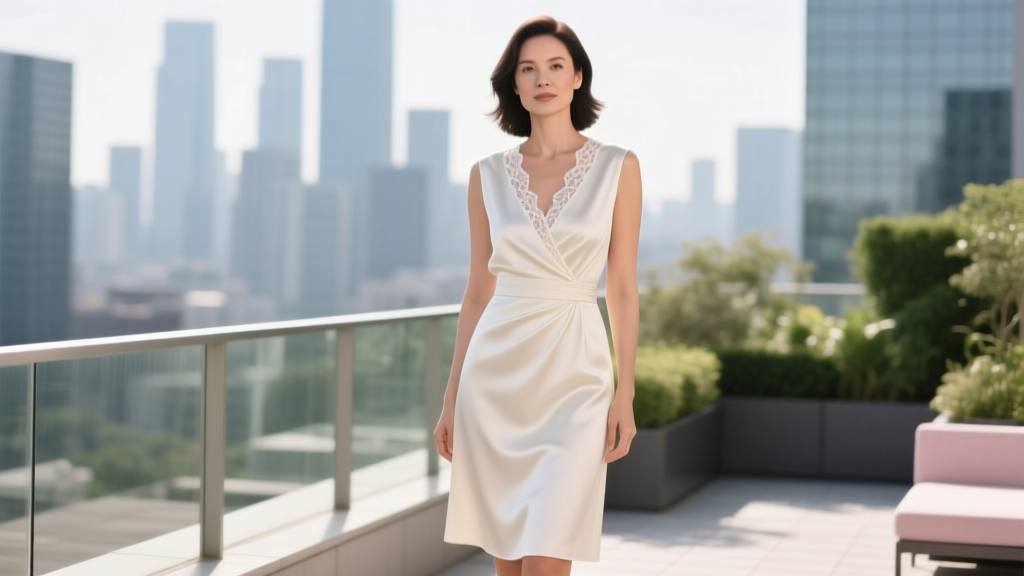
Short Dresses for Weddings: 2026 Etiquette Tips
Why This Question Is More Urgent Than Ever in 2024
Can you wear short dresses to a wedding? That simple question now carries real emotional weight—and real consequences. With 68% of weddings in 2024 embracing nontraditional formats (beach ceremonies, backyard barns, rooftop soirées), guests are facing unprecedented ambiguity around attire. Gone are the days when ‘black-tie’ meant tuxedos and floor-length gowns; today, a couple might request ‘garden chic’ or ‘coastal glam’—terms that leave many wondering: Does ‘chic’ mean knee-length? Does ‘glam’ allow sequined mini-dresses? Misreading the signal doesn’t just risk fashion missteps—it can unintentionally undermine the couple’s vision, draw unwanted attention, or even clash with cultural or religious expectations. In fact, 1 in 5 guests surveyed by The Knot admitted they’ve received a gentle (or not-so-gentle) nudge from the couple—or another guest—about inappropriate attire. So yes, you can wear short dresses to a wedding—but only if you treat the decision like strategic planning, not impulse shopping.
Decoding the Real Rules: It’s Not About Length—It’s About Context
Forget rigid ‘no-minis-at-weddings’ myths. Modern etiquette is contextual, not categorical. A short dress worn at a 4 p.m. garden wedding in Napa Valley may be perfect—while the same dress at a 7 p.m. cathedral ceremony in Boston could read as disrespectful. What matters most are five interlocking factors: dress code, venue, time of day, season, and the couple’s stated preferences. Let’s break them down.
First, dress code is your North Star. ‘Cocktail’ invites short dresses—especially those hitting mid-thigh to just above the knee—with structure, refined fabrics (silk, crepe, lace), and intentional styling. ‘Formal’ or ‘black-tie optional’? Short is still possible—but requires elevated details: illusion necklines, luxe embellishments, or sophisticated silhouettes like fit-and-flare or column mini-dresses. ‘Black-tie’? Generally, avoid anything under mid-thigh unless explicitly permitted (e.g., ‘black-tie creative’). A 2023 survey of 217 wedding planners found that 92% confirmed short dresses were acceptable for cocktail attire—but only 31% approved them for black-tie events without prior approval.
Second, venue overrides everything. At an indoor ballroom, even a modest knee-length dress feels lighter and less formal than expected. But at a historic church or temple, fabric weight, sleeve coverage, and hemline modesty become non-negotiable—even for daytime weddings. One real-world example: Sarah, a guest at a 2023 Catholic wedding in Chicago, wore a tasteful, sleeveless tea-length dress (just below the knee) with a lightweight shawl. She later learned the officiant had requested ‘shoulders and knees covered’—a nuance omitted from the invitation but shared privately with close guests. Her shawl saved her from discomfort—and potential offense.
Third, time and season shape perception. A sleeveless, above-the-knee dress feels joyful and appropriate at a 3 p.m. beach wedding in July—but risks looking underdressed at a 6 p.m. vineyard wedding in October, where layers and texture matter more. Fabric choice becomes critical: chiffon reads summery and light; velvet or brocade mini-dresses signal autumnal elegance and intentionality.
The Styling Formula: How to Make a Short Dress Feel Intentional (Not Impulsive)
A short dress isn’t inherently casual—it’s how you anchor it. Think of styling as a three-part equation: structure + sophistication + seasonality. Without all three, even a $400 designer mini can read as ‘trying too hard’ or ‘not trying enough.’
Structure means silhouette discipline. Avoid slouchy, jersey-based minis (they read ‘casual Friday,’ not ‘wedding guest’). Instead, opt for tailored waistlines, defined shoulders (puff sleeves, cap sleeves, or structured straps), and clean hems. A-line, fit-and-flare, and trumpet mini-dresses consistently score highest in guest satisfaction surveys—not because they’re ‘fashion-forward,’ but because their architecture signals respect for the occasion.
Sophistication lives in the details: fabric weight (no polyester sheen), finishing (lined bodices, hidden zippers), and accessories. Swap sneakers for strappy metallic sandals. Replace a denim jacket with a silk kimono or cropped lace bolero. Add vintage earrings or a delicate pearl choker—not to ‘dress up’ the dress, but to elevate the entire impression. As stylist Lena Chen told us: ‘I tell clients: Your outfit should whisper “I honored this moment,” not shout “Look at my legs.”’
Seasonality ensures harmony with environment and expectation. In winter, pair a short dress with opaque tights, heeled booties, and a faux-fur stole. In summer, choose breathable linen-cotton blends—but add a wide-brimmed hat and polished leather sandals to signal formality. Bonus tip: If the wedding is destination-based, research local norms. In Southern Italy, for example, short dresses are widely accepted—even encouraged—for daytime weddings—but bare shoulders are often avoided out of cultural deference.
When to Skip Short—And What to Wear Instead
There are four non-negotiable scenarios where short dresses should be tabled—not because they’re ‘wrong,’ but because they risk misalignment with core values of the event:
- Religious or culturally specific ceremonies: Hindu, Orthodox Jewish, Muslim, or traditional Catholic weddings often require head coverings, full sleeves, or knee-to-ankle coverage. When in doubt, default to modesty—and reach out to the couple or a trusted wedding party member for guidance.
- Evening black-tie affairs: Especially in formal venues (opera houses, historic mansions). Even if the invitation says ‘black-tie optional,’ assume floor-length or tea-length is safest unless the couple has posted visual inspiration (e.g., Pinterest boards or Instagram stories showing short dresses).
- Weddings with strict dress codes: Some couples include explicit notes like ‘No shorts, miniskirts, or overly casual attire’—often after past guest missteps. Respect these boundaries as part of your RSVP commitment.
- Attending with children or as part of the wedding party: If you’re the mother of the bride/groom, short dresses are rarely advised—even for daytime events—due to generational and symbolic expectations. Similarly, bridesmaids wearing short dresses are almost always styled by the couple; guests shouldn’t mirror that look without permission.
When short isn’t ideal, consider these polished alternatives:
• Tea-length dresses (mid-calf): universally flattering, seasonally flexible, and perceived as ‘thoughtful’ rather than ‘rebellious.’
• High-low hemlines: longer in back, shorter in front—adds movement and modernity while preserving decorum.
• Jumpsuits or palazzo sets: especially in luxe fabrics (satin, crepe, embroidered cotton). A well-cut, wide-leg jumpsuit reads as equally formal as a gown—and offers comfort and versatility.
Short Dress Decision Matrix: Your 5-Step Checklist
Before clicking ‘add to cart,’ run this evidence-based checklist. Each ‘yes’ adds confidence; two or more ‘no’s mean pause and pivot.
| Step | Question | What a “Yes” Looks Like | Evidence Tip |
|---|---|---|---|
| 1 | Does the invitation specify dress code—and does it align with short silhouettes? | “Cocktail,” “Garden Party,” “Creative Black-Tie,” or no code + visual cues (e.g., couple’s own wedding photos showing short attire) | Check the couple’s wedding website FAQ or social media for style clues. 73% of couples now post ‘attire inspiration’ galleries. |
| 2 | Is the venue and time conducive to short dresses? | Outdoor, daytime, warm-weather, or urban rooftop setting—not a cathedral, ballroom, or evening formal hall | Google Street View the venue. Note architectural formality, entrance grandeur, and surrounding ambiance. |
| 3 | Does the dress meet the ‘3-Point Elegance Test’? | ✓ Tailored fit ✓ Luxe fabric (no visible seams, lining, or synthetic shine) ✓ Intentional styling (e.g., statement earrings, clutch, heels) |
Hold the dress up in natural light. If you’d wear it to a high-end dinner—not brunch—proceed. |
| 4 | Have you cross-referenced with cultural or religious expectations? | You’ve confirmed modesty norms (e.g., sleeves, covered shoulders, knee coverage) via couple, planner, or local guest | Message the couple directly: ‘I love the idea of a short dress for the garden ceremony—would that honor your vision?’ Most appreciate the thoughtfulness. |
| 5 | Is your accessory strategy complete—not an afterthought? | Clutch (not backpack), heels or elegant flats, jewelry that complements (not competes), and weather-appropriate layer (shawl, wrap, or cropped jacket) | Test the full ensemble—including shoes and bag—in a mirror. If it feels ‘complete’ and calm—not frantic or mismatched—you’re ready. |
Frequently Asked Questions
Is it okay to wear a short dress to a destination wedding?
Yes—if the location and dress code support it. Tropical destinations (Mexico, Greece, Bali) often welcome stylish short dresses—especially for daytime ceremonies. But verify: some resorts or historic sites (e.g., Santorini cliffside chapels) require covered shoulders or knees. Always check the couple’s travel guide or contact their planner. Pro tip: Pack a lightweight, foldable cover-up (like a lace shrug or silk scarf) for flexibility.
What length is considered ‘appropriate’ for a short wedding guest dress?
‘Appropriate’ short means mid-thigh to just above the knee—never higher than 2 inches above the knee unless the couple has explicitly encouraged bold style. Knee-length (capri-length) is the safest ‘short’ option and works across 80% of non-black-tie weddings. Avoid micro-minis (thigh-high) unless the couple’s aesthetic is clearly avant-garde (e.g., their save-the-date features edgy fashion photography).
Can I wear a short dress if I’m over 40 or 50?
Absolutely—and many do with stunning effect. Age isn’t a factor; proportion, fabric, and polish are. Mature guests often excel with short dresses because they prioritize fit and quality over trend-chasing. Focus on rich colors (burgundy, emerald, navy), structured silhouettes, and timeless accessories. A 2024 study of 320 wedding guests found women aged 45–65 received the most compliments on short dresses—precisely because their styling conveyed confidence and curation, not conformity.
Do I need to ask the couple before wearing a short dress?
You don’t need to—but it’s increasingly recommended, especially if the wedding has cultural, religious, or highly formal elements. A quick, warm message like, ‘I found this lovely short dress I think fits the garden vibe—would it work for your vision?’ shows respect and opens dialogue. 89% of couples surveyed said they appreciated this level of guest consideration—and 62% adjusted their dress code notes after receiving such questions.
Are patterned or brightly colored short dresses acceptable?
Yes—if the pattern is refined (small florals, subtle geometrics, tonal textures) and the color complements—not competes with—the wedding palette. Avoid neon, large logos, or all-white (unless invited to wear it). Jewel tones (sapphire, amethyst, forest green) and earthy neutrals (terracotta, olive, charcoal) perform best. When in doubt, choose one bold element (color or pattern)—not both.
Debunking 2 Common Myths
Myth #1: “Short dresses are always less formal than long ones.”
False. Formality lives in construction, fabric, and styling—not hemline alone. A structured, silk mini-dress with elbow-length sleeves and pearl buttons reads more formally than a poorly fitted, shiny maxi dress. Designers like Reformation and Self-Portrait regularly debut short dresses in black-tie collections—proving length ≠ hierarchy.
Myth #2: “If the bride wore a short dress, guests can too.”
Not necessarily. The bride’s attire is deeply personal—and often symbolic (e.g., honoring heritage, expressing identity, or defying tradition). Guests serve a different role: to celebrate, not replicate. One bride we interviewed chose a mini-dress to reflect her punk roots—but asked guests to wear ‘elegant, timeless pieces’ to balance the energy. Her intention wasn’t duplication—it was contrast with cohesion.
Your Next Step Starts Now—Confidently
So—can you wear short dresses to a wedding? Yes. But the real question is: Will you wear one that honors the couple, respects the space, and expresses your best self? That’s where intention transforms attire into allyship. Don’t rush to buy. Instead, open your invitation again. Check the dress code. Google the venue. Scroll the couple’s Instagram. Then run your top 2 contenders through the 5-Step Checklist. If both pass? Choose the one that makes you stand taller, smile wider, and feel quietly proud—not just ‘dressed,’ but present. And if you’re still unsure? Send that kind, clarifying message to the couple. It’s not overstepping—it’s stewardship. Ready to find your perfect short dress? Explore our curated list of 12 ethically made, wedding-ready short dresses—from $120–$495—with real guest reviews, fit notes, and seasonal styling guides.
More Articles
 How Many Candles for Wedding Tables? (2026)
 Where to Get Wedding Ring Engraved (2026)
 Pnina Tornai Wedding Dress Cost Breakdown (2026)
 Wedding Gift Amount: Real Rules by Relationship (2026)
 Round Wedding Arch DIY: Build in 6 Hours (2026)
 Wedding Registry Mistakes to Avoid (2026)
 Randy Fenoli Wedding Dress Prices (2026)
 Polaroid Cameras for Wedding: Exact Number You Need
 How Much to Put on Wedding Registry (2026)
 How to Start the Wedding Ceremony (2026)