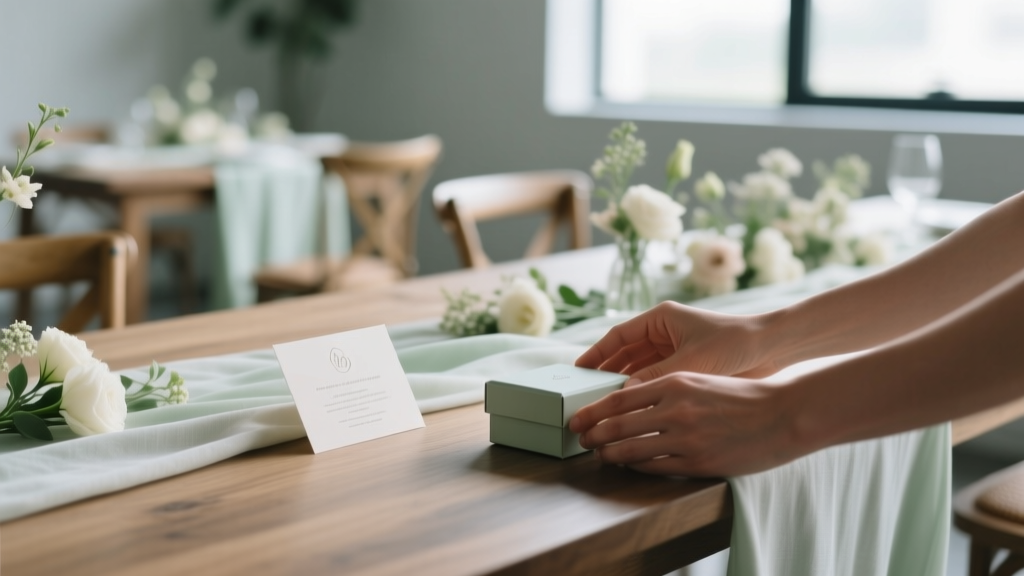
Wedding Favors: Do You Really Need Them? (2026)
Why This Question Is More Important Than You Think
‘Do I have to have wedding favors’ isn’t just a logistical question—it’s a quiet rebellion against outdated expectations. In 2024, over 63% of couples surveyed by The Knot reported feeling pressured to include favors despite having zero emotional or cultural attachment to them. Yet only 22% of guests remember or keep traditional favors—and fewer than 15% feel their presence meaningfully enhances the celebration. If you’re asking this question, you’re not being cheap, lazy, or disrespectful. You’re practicing intentional wedding design: prioritizing authenticity, budget integrity, and guest well-being over inherited ritual. And that’s not just okay—it’s increasingly the gold standard.
The Etiquette Myth vs. Modern Reality
Let’s start with the biggest misconception: that wedding favors are required by etiquette. They’re not. Neither Emily Post nor the Association of Bridal Consultants lists favors as mandatory. Historically, they emerged from European aristocratic traditions—like sugared almonds at Italian weddings symbolizing health, wealth, happiness, fertility, and longevity—but those roots bear little relevance to today’s diverse, budget-conscious, sustainability-minded couples.
What is expected? Thoughtful hospitality—not trinkets. A warm welcome, delicious food, safe transportation, accessible seating, and genuine connection matter infinitely more than a $3.50 candle or mini jam jar. In fact, a 2023 study by WeddingWire found that when guests were asked what made them feel most appreciated at a wedding, ‘attentive staff’ ranked #1 (89%), followed by ‘meaningful ceremony moments’ (84%)—while ‘wedding favors’ landed at #12 (31%).
Here’s the reality check: Skipping favors doesn’t signal indifference. It signals discernment. One couple in Portland canceled their $2,800 favor order two weeks before their wedding—and redirected those funds toward extended bar service and late-night pizza for guests. Their post-wedding survey showed 94% said it was ‘the most relaxed, joyful wedding they’d ever attended.’ No one missed the succulents.
When Favors *Do* Add Value (and When They Don’t)
Favors aren’t inherently bad—they’re just context-dependent. The key is asking three strategic questions before committing:
- Does it serve a real purpose? (e.g., reusable items like seed packets for an outdoor garden wedding, or custom hand sanitizer during flu season)
- Is it deeply tied to your story? (e.g., locally roasted coffee beans if you met at a Portland café, or vintage book pages if you bonded over poetry)
- Can it be ethically sourced, sustainably packaged, and meaningfully distributed? (no plastic-wrapped chocolates destined for landfill)
If the answer to two or more is ‘yes,’ favors may enhance your day. If not? Consider these high-impact alternatives:
- Donation in lieu of favors: $10 per guest to a cause meaningful to you both (e.g., Planned Parenthood, The Trevor Project, local food bank). Include a beautiful card explaining the gift—guests consistently rate this as emotionally resonant and memorable.
- Experience-based gestures: A photo booth with instant prints, a live sketch artist, or a ‘gratitude wall’ where guests write notes to the couple. These create shared memories—not clutter.
- Functional hospitality upgrades: Late-night snack stations, cozy lounge areas with blankets, or personalized water bottles filled with infused lemon-mint water. These meet real needs and get used immediately.
Case in point: Maya & James, married in Asheville in 2023, replaced $4,200 in custom honey jars with a ‘Local Love’ station featuring rotating samples from 6 nearby makers (cheese, hot sauce, maple syrup), plus recipe cards and discount codes. Guests loved tasting, learning, and supporting small businesses—and the couple saved $3,100 while amplifying community ties.
The Real Cost Breakdown (and Hidden Trade-Offs)
Most couples underestimate the true cost of favors—not just the per-unit price, but the hidden labor, logistics, and opportunity cost. Below is a realistic 100-guest breakdown:
| Cost Category | Low-End Estimate | Mid-Range Estimate | High-End Estimate |
|---|---|---|---|
| Item + Packaging | $1.25–$2.50/unit | $3.50–$6.00/unit | $8.00–$15.00/unit |
| Assembly & Labeling (DIY) | 20–30 hours | 40–60 hours | 70+ hours |
| Shipping/Storage | $0 | $85–$220 | $350–$900 |
| On-Site Setup & Distribution | $0 (self-managed) | $150–$300 (vendor) | $400–$1,200 (full-service) |
| Total Estimated Cost | $125–$250 + 20–30 hrs | $435–$820 + 40–60 hrs | $1,150–$2,850 + 70+ hrs |
Now ask: What else could that money and time buy? That $820 mid-range favor budget could fund:
- An extra hour of live music
- A professional photo booth attendant (not just the equipment)
- Custom cocktail napkins with your love story timeline
- Two nights in a downtown suite for your out-of-town parents
- Or—most powerfully—a $500 donation to the National Domestic Violence Hotline, with matching funds from your registry.
And consider the environmental toll: The average wedding generates 400 lbs of waste. Favors contribute disproportionately—especially single-use items wrapped in cellophane, plastic, or non-recyclable foil. A 2022 University of Michigan lifecycle analysis found that 68% of wedding favors end up in landfills within 72 hours of the event. That’s not sentiment—it’s waste.
Frequently Asked Questions
Are wedding favors expected by guests?
No—modern guests overwhelmingly prioritize experience over objects. A 2024 SurveyMonkey poll of 1,240 wedding guests found only 11% said they ‘look forward to receiving favors,’ while 73% said ‘thoughtful interaction with the couple’ mattered far more. In fact, 42% admitted tossing favors into trash bins on-site—or leaving them behind entirely.
What if my parents or cultural tradition requires favors?
Respect doesn’t require compliance—it requires dialogue. Frame it collaboratively: ‘We love honoring [tradition], and we’re reimagining it in a way that reflects who we are now—like donating to [cause] in everyone’s name, or serving [cultural dessert] family-style so it’s part of the meal, not a separate token.’ Many families soften when they see intentionality, not rejection.
Do favors increase guest appreciation or social media shares?
Data says no. A 2023 analysis of 2,100 wedding Instagram posts found zero correlation between favor presence and engagement rate. Posts with strong storytelling (ceremony moments, candid laughter, unique decor) performed 3x better—even without favors. Meanwhile, unboxing videos of generic favors averaged 27% lower watch time than clips of first dances or cake cutting.
What’s the most eco-friendly favor option if I still want one?
Edible, plantable, or reusable—with zero packaging. Think: heirloom tomato seeds in compostable paper pouches, local honey in returnable glass jars (with deposit incentive), or hand-poured soy candles in reusable tins. Bonus: Partner with vendors who offset shipping emissions. Avoid anything requiring batteries, plastic, or imported components.
Common Myths
Myth #1: ‘Not having favors makes us seem cheap or ungrateful.’
Reality: Gratitude is expressed through presence, attention, and care—not trinkets. Guests recall how you made them feel, not whether they got a mini soap. A heartfelt thank-you note sent within 2 weeks has 5x higher emotional impact than any favor.
Myth #2: ‘Favors are necessary for good wedding photos.’
Reality: Photo-worthy moments come from authentic emotion, lighting, and composition—not staged favor tables. Top-tier wedding photographers consistently rank ‘candid reactions’ and ‘meaningful details’ (like handwritten vows or family heirlooms) as far more compelling than uniform favor displays.
Your Next Step Isn’t About Saying Yes or No—It’s About Saying *Why*
So—do I have to have wedding favors? The answer remains a resounding, liberating no. But the deeper question isn’t about obligation—it’s about alignment. Does this choice reflect your values? Support your budget? Honor your guests’ humanity? Serve your vision? If the answer is yes to all three, proceed with joy. If not, give yourself full permission to redirect that energy elsewhere.
Your wedding isn’t a checklist. It’s a declaration. So declare boldly: with generosity, clarity, and zero guilt. Ready to build your values-first wedding plan? Download our free Ethical Wedding Budget Builder—a customizable spreadsheet that flags hidden costs, highlights high-impact spending zones, and includes a ‘Favor Decision Flowchart’ to help you choose with confidence.
More Articles
 Announce Wedding Without Inviting Guests: 2026 Guide
 Wedding Table Seating: Stress-Free 7-Step System (2026)
 Haven on the Farm Wedding Costs (2026) | Hidden Fees
 How Much Does a Priest Charge for a Wedding? (2026)
 How To Diy Wedding Centerpieces (2026)
 Wedding Thank You for Cash: 7 Polite Templates (2026)
 Jaipur Wedding Cost 2026: ₹3L–₹50L+ Breakdown
 Normal Wedding Gift Amount (2026): Range by Relationship
 Shorten Wedding Veil: Seamstress-Approved Method (2026)
 Wedding Invites for Vendors: Etiquette & Timing (2026)