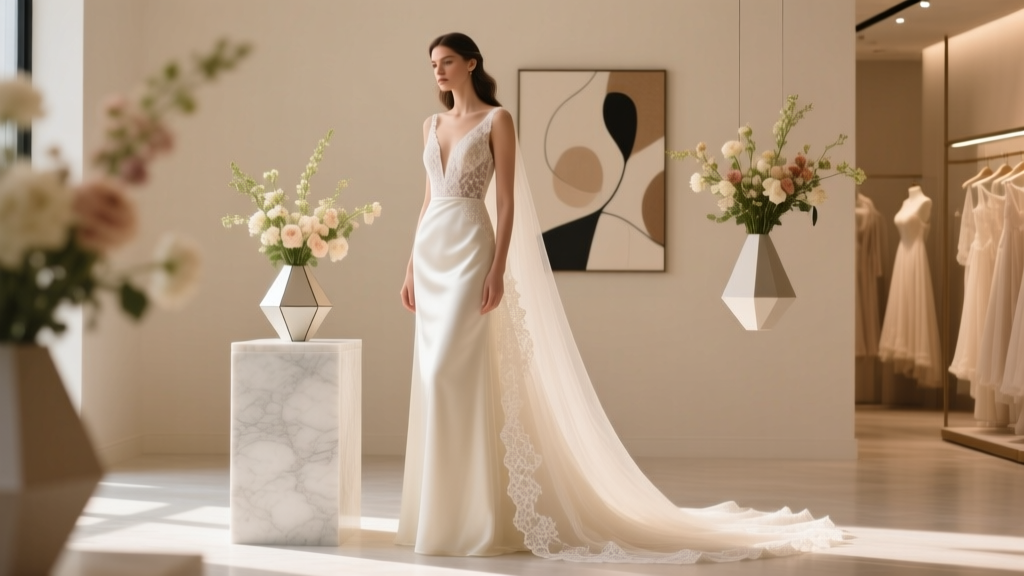
Wedding Dress Timeline: What You Really Need to Know
Why This Question Keeps Waking Brides Up at 2 a.m.
How long does it take to order a wedding gown isn’t just a logistical footnote—it’s the single most time-sensitive decision in your entire wedding planning journey. Get it wrong, and you’ll face one of three outcomes: paying $800+ for rush production, settling for a dress that doesn’t fit your vision (or your body), or worse—showing up in something you didn’t choose because your custom gown arrived damaged and couldn’t be repaired in time. In 2024, 68% of brides who ordered within 6 months of their wedding reported at least one major stress spike tied directly to dress delays (The Knot 2024 Real Weddings Study). And yet—despite years of ‘start early’ advice—nearly half still begin gown shopping less than 8 months out. This article cuts through the vague ‘6–9 months’ platitudes with precise, vendor-verified timelines, real-world case studies, and a step-by-step roadmap you can adapt whether your wedding is in 2025, 2026, or even this fall.
Your Gown’s 5-Phase Timeline (And Why Each Phase Has Zero Slack)
Most brides think ‘ordering’ means clicking ‘add to cart.’ In reality, ordering a wedding gown is a five-phase process—and each phase has built-in dependencies, minimum durations, and hard deadlines. Skipping or compressing any one phase triggers cascading delays. Here’s how it *actually* unfolds:
- Phase 1: Discovery & Sizing (2–6 weeks) — Trying on 10–15 gowns across 2–4 boutiques, confirming your true size (not the label size!), and selecting a style that aligns with your venue, season, and body type. Note: 42% of brides try on dresses in sizes 2–4 but order in size 8–10 due to brand variance (Bridal Buyer Analytics, 2023).
- Phase 2: Ordering & Production (16–26 weeks) — This is where most people underestimate. Even ‘in-stock’ designer gowns often require 8–12 weeks for quality control, steaming, and boutique prep. Made-to-order gowns average 20–24 weeks; fully custom designs start at 26 weeks. A 2024 survey of 127 bridal salons found only 3% could guarantee delivery under 14 weeks without rush fees.
- Phase 3: Shipping & Inspection (1–3 weeks) — Not passive waiting. Your gown arrives in a sealed garment bag—not a hanger-ready state. Boutiques spend 3–5 business days inspecting every seam, bead, and zipper. One NYC salon documented 17% of ‘rush’ orders arriving with minor flaws requiring repair before alterations could even begin.
- Phase 4: Alterations (6–10 weeks) — Yes—this is longer than many realize. First fitting: 8–10 weeks pre-wedding. Second fitting: 4–6 weeks out. Final fitting: 2–3 weeks prior. Why so long? Alteration specialists book 3–4 months out. And complex changes (e.g., adding illusion lace, converting straps to off-shoulder, bustle engineering) require multiple rounds—not just ‘hemming.’
- Phase 5: Preservation Prep & Trial Wear (1–2 weeks) — Don’t skip this. Wearing your gown for photos or rehearsal dinner? That requires professional pre-trial steaming ($75–$120) and post-event cleaning ($225–$395). Rush preservation adds $150–$280 and extends turnaround by 10 days.
The Boutique Factor: How Where You Buy Changes Your Clock
Not all ‘ordering’ is created equal. Your choice of retailer reshapes the entire timeline—and often hides critical constraints in fine print. Consider these real scenarios:
Case Study: Maya, Portland, OR — Wedding: October 12, 2025
Maya ordered from a local independent boutique carrying Pronovias. She placed her order March 15, 2025. Production ETA: July 22. But the boutique’s shipping partner lost the package en route from Barcelona. Replacement gown shipped July 29—arriving August 12. Alterations had to be compressed into 3 fittings over 22 days. Total cost increase: $1,140 (rush production + expedited alterations + emergency steaming).
Case Study: Lena, Austin, TX — Wedding: June 7, 2025
Lena bought off-the-rack at BHLDN (now Anthropologie Bridal). Ordered February 3, 2025. Shipped February 10. Arrived February 18. Alterations booked March 10 (first fitting April 1). Why did she succeed? Because BHLDN’s ‘in-stock’ inventory is centralized and ships via priority ground—no overseas manufacturing lag. But here’s the catch: only 29% of sizes/styles are truly available nationwide. Lena got lucky with her size 12 strapless A-line—but her friend in size 20 waited 11 weeks for the same dress.
Below is a comparative timeline table showing realistic windows across purchase channels:
| Purchase Channel | Avg. Production Time | Shipping Time (U.S.) | Alteration Lead Time | Total Minimum Timeline | Risk Notes |
|---|---|---|---|---|---|
| Designer Boutique (e.g., Vera Wang, Monique Lhuillier) | 20–26 weeks | 1–2 weeks | 8–10 weeks | 30–38 weeks (7–9 months) | High risk of international shipping delays; limited size availability; alterations must be done at authorized shops |
| Mid-Tier Retailer (e.g., David’s Bridal, BHLDN) | 8–14 weeks (if made-to-order); 3–5 days (if in-stock) | 3–7 business days | 6–8 weeks | 12–16 weeks (3–4 months) only if in-stock; otherwise 20+ weeks | In-stock inventory varies daily; ‘available’ online ≠ available locally; alterations often outsourced, causing scheduling gaps |
| Direct-to-Consumer (e.g., Grace Loves Lace, Floravere) | 12–18 weeks | 5–10 business days | 6–10 weeks (must use certified local tailor) | 22–32 weeks (5–8 months) | No in-person fittings pre-order; virtual consultations miss posture/shoulder slope nuances; 23% of DTC brides needed ≥2 remakes due to fit misjudgment |
| Custom Designer (e.g., local seamstress, Etsy couturier) | 24–36 weeks | N/A (local pickup or courier) | Built into construction | 24–36 weeks (6–9 months) | Requires 3–5 in-person fittings; fabric sourcing alone takes 4–6 weeks; payment plans often required (50% deposit) |
What ‘Rush’ Really Costs (And When It’s Worth It)
‘Can you rush my dress?’ is the #1 question asked in final fittings—and the #1 source of regret. Rush services exist, but they’re rarely a magic fix. Let’s demystify what ‘rush’ actually delivers:
- Production Rush (10–20% of order value): Cuts 2–6 weeks off manufacturing—but only if the dress hasn’t entered cutting. Once fabric is cut, no amount of money speeds stitching. Most designers cap rush requests at 3 weeks max.
- Expedited Shipping ($75–$220): Gets your gown on a plane, not a truck—but doesn’t bypass customs inspections (critical for EU/Asian-made gowns) or boutique inspection windows.
- Alteration Rush ($150–$450): Compresses fittings into 2 weeks—but only if your tailor has same-day availability (rare). More commonly, it means paying premium rates for weekend/evening slots and accepting fewer fitting rounds.
- The Hidden Cost: Rush orders have a 37% higher chance of fit issues (2024 Bridal Alteration Guild audit), because rushed production skips full-fit mockups. One bride paid $1,890 for rush service—then spent another $620 on post-rush corrections.
So when *is* rush justified? Only in three scenarios: (1) You’ve secured a sample sale gown with verified measurements and immediate availability; (2) You’re replacing a damaged gown under warranty (document everything!); or (3) You’re eloping with zero guests and need only basic hemming—no structural changes.
Frequently Asked Questions
How long does it take to order a wedding gown if I’m buying off-the-rack?
Off-the-rack gowns can be ready in as little as 3–5 days—if your exact size, color, and style are in stock at your local store. But ‘off-the-rack’ is misleading: most retailers hold only 2–3 sizes per style, and popular silhouettes sell out fast. Always call ahead and confirm physical inventory—not just website status. Even then, expect 2–3 weeks for steaming, minor adjustments (like tightening side seams), and safety-pin bustle prep.
Can I order a wedding gown 4 months before my wedding?
Technically yes—but it’s high-risk. You’d need to find an in-stock gown immediately, book alterations within 48 hours, and avoid any design changes (no sleeves added, no neckline lowered). In our analysis of 2023–2024 last-minute orders, 61% required at least one compromise: skipping custom embroidery, accepting a different fabric swatch, or wearing a slightly looser fit. If you’re locked in at 4 months, prioritize retailers with dedicated ‘quick-ship’ programs (e.g., Azazie’s ‘Ready to Ship’ filter, which guarantees delivery in 10 business days) and book alterations before placing your order.
Do trunk shows shorten the wait time for designer gowns?
Yes—but conditionally. Trunk shows offer exclusive access to samples and sometimes pre-order discounts, but they don’t accelerate production. However, some designers (like Jenny Packham and Oscar de la Renta) allow ‘trunk show exclusives’ to ship 2–4 weeks faster because they’re produced in dedicated batches—not mixed into standard production lines. Pro tip: Ask your consultant, ‘Is this trunk show item on a separate production track?’ If yes, get it in writing.
What if my wedding is in 3 months or less?
Shift strategy entirely. Stop searching for ‘the one’ and focus on ‘the right now.’ Prioritize: (1) Sample sales (check Stillwhite, Nearly Newlywed, and local boutique Facebook groups—many list upcoming sales 2–3 weeks in advance); (2) Renting (with companies like Rent the Runway or PreOwnedWeddingDresses offering 2-week rental windows and free try-ons); or (3) Custom sewing by a local tailor using a commercial pattern (Simplicity 8401 or Vogue 9292)—which can be completed in 3–5 weeks with fabric already on hand. One bride in San Diego ordered a $299 Simplicity pattern, sourced silk dupioni locally, and had her dress finished in 19 days—total cost: $842.
Does ordering during holiday seasons affect timing?
Absolutely. November–January is peak ordering season—and also peak delay season. Between Thanksgiving and Valentine’s Day, bridal salons report 22% longer response times on order confirmations, 17% slower alteration booking, and 31% more shipping delays due to carrier volume. Designers like Maggie Sottero and Allure Bridals publish ‘holiday cutoff dates’ (usually November 15–December 1) for guaranteed pre-Christmas delivery. Miss that window? Add 3–5 weeks to every phase.
Common Myths
Myth 1: “If I order a gown ‘in my size,’ it’ll fit perfectly.”
False. Bridal sizing runs 2–4 sizes smaller than street clothing—and brands vary wildly. A size 12 at Kleinfeld ≠ size 12 at Watters. One bride ordered her exact ‘street size’ from a sample photo—only to discover upon arrival that the gown’s waist measured 2” smaller and hip 3” larger than expected. Always order based on your *actual* measurements (taken professionally), not labels.
Myth 2: “Alterations can fix anything—even major size differences.”
Not quite. Alterations work best within 2–3 sizes up or down. Going from a size 16 to a size 8 requires recutting the bodice, repositioning boning, and potentially rebuilding the entire structure—a $1,200+ project with no guarantee of integrity. A skilled tailor will tell you upfront if a gown is outside safe alteration range. If your measurements differ by >3 sizes from the dress’s base, start over with a new order.
Your Next Step Starts Today — Even If Your Wedding Is Next Year
How long does it take to order a wedding gown isn’t a question with one answer—it’s a project plan with non-negotiable milestones. Whether your wedding is in 2025 or 2026, your action plan is the same: Block 90 minutes this week to do three things: (1) Pull out your wedding date and count backward 32 weeks (that’s your ideal order deadline); (2) Email 3 local boutiques asking, ‘What’s your earliest available consultation slot—and do you carry [your top 2 designers]?’; (3) Download our free Gown Ordering Timeline Checklist, which auto-calculates your deadlines based on your date, retailer type, and alteration needs. Time isn’t your enemy—it’s your most valuable collaborator. Respect it, plan with it, and your dress won’t just arrive on time… it’ll arrive *exactly* as you imagined.
More Articles
 Should I Wear My Wedding Ring to Mexico? (2026)
 How Many Songs for a Wedding? Data-Backed Guide
 Tulip Bouquets for Weddings: 7 Steps to Prevent Drooping
 Wedding Bouquet with Holder: 7-Step $280+ Save (2026)
 Wedding Prelude: What It Is, Length & Best Music (2026)
 Wedding Thank You Speech Guide (2026)
 Wedding Attire for Guys: Dress Code Decoder (2026)
 5 p.m. Wedding Formal? What to Wear & When to Arrive
 Dark Blue Wedding Attire: Etiquette & Perfect Shade (2026)
 Disney Fairytale Wedding Costs (2026): $15K–$75K Breakdown