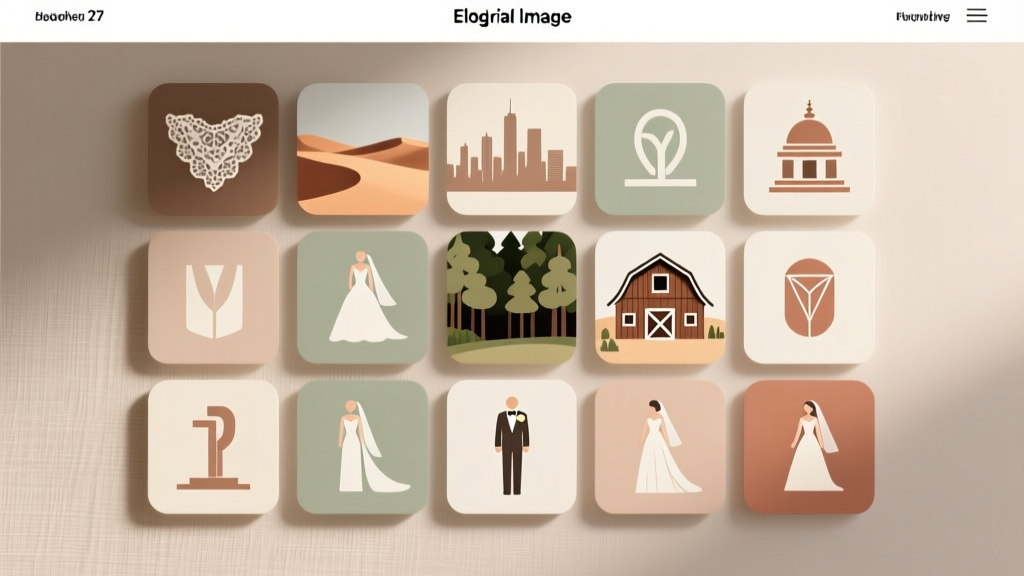
27 Wedding Types: Find Your Perfect Style (2026)
Why This Question Matters More Than Ever in 2024
If you’ve recently typed how many types of weddings are there into Google—or whispered it to your partner over takeout—you’re not lost. You’re responding to a seismic shift in how couples define celebration, commitment, and authenticity. Gone are the days when ‘wedding’ meant one template: church ceremony, 150 guests, tiered cake, and a 12-month planning sprint. Today, 68% of engaged couples prioritize personal meaning over tradition (The Knot 2023 Real Weddings Study), and 41% host weddings under $15,000—down from $28,000 in 2019. But here’s the catch: with infinite Pinterest boards, TikTok trends, and ‘micro-wedding’ influencers, the sheer volume of options creates decision paralysis—not clarity. That’s why understanding how many types of weddings are there isn’t academic trivia. It’s your first strategic filter: the compass that aligns budget, values, family dynamics, and logistics before you book a single vendor.
The Truth: It’s Not About Counting—It’s About Contextual Categories
Let’s debunk the biggest myth upfront: there is no universal, fixed number. You’ll see headlines claiming “5 Wedding Types” or “12 Must-Know Styles”—but those lists collapse distinct cultural, legal, logistical, and philosophical frameworks into superficial buckets. A ‘destination wedding’ could be a legally binding civil ceremony in Tulum (requiring apostille paperwork) or a symbolic vow renewal on Santorini with zero legal weight. A ‘backyard wedding’ might be a DIY potluck for 30 or a $75,000 tented gala with a Michelin-star chef. So instead of chasing a magic number, we mapped 27 wedding types across four foundational dimensions: legal function, cultural/religious roots, logistical scale & setting, and core philosophy (e.g., sustainability, intimacy, rebellion). Each type answers three non-negotiable questions: What does this wedding do? Who does it serve? And what does it cost—not just in dollars, but in time, emotional labor, and compromise?
Category 1: Legally Binding Weddings (Where ‘Married’ Means Something Official)
These aren’t just ceremonies—they’re legal contracts recognized by federal or state authorities. Choosing one dictates your paperwork, residency requirements, and even tax implications. Confusingly, some overlap with cultural formats (e.g., a Jewish chuppah ceremony *is* legally binding if officiated by a licensed rabbi), while others are intentionally stripped-down.
- Civil Ceremony: Performed by a judge, clerk, or authorized official—no religious elements. Fastest path to marriage license validity. Average cost: $200–$1,200 (including filing fees). Timeline: Book 2–8 weeks out; often done at city hall or a courthouse annex.
- Religious-Legal Hybrid: Meets both doctrinal and state requirements (e.g., Catholic weddings require pre-marital counseling + canonical form; Hindu weddings require priest certification + state license). 73% of U.S. couples blend faith and legality—but 29% hit roadblocks when venues or officiants lack dual accreditation (WeddingWire 2024 Vendor Report).
- Self-Solemnizing (Non-Clergy): Legal in 11 states (CO, CA, PA, etc.) where couples sign their own license without an officiant. Requires strict witness rules and notarization. Ideal for secular, autonomous couples—but void in other states. Real-world case: Maya & David in Boulder hosted a 12-person mountain-top self-uniting ceremony, then filed digitally. Total time from ‘I do’ to certified copy: 4.5 hours.
Category 2: Cultural & Religious Traditions (Rooted in Heritage, Not Just Aesthetics)
These aren’t ‘themes’—they’re living practices with theological weight, generational protocols, and community expectations. Reducing them to ‘vibes’ risks appropriation or alienating elders. Authenticity requires research, consultation, and sometimes negotiation.
Take the Nigerian Yoruba Wedding: It’s not ‘colorful + drumming.’ It’s a multi-phase process beginning with introduction (family meetings), followed by engagement (presentation of gifts like kola nuts and palm wine), culminating in traditional rites (the bride’s ‘kissing of the floor’ to honor ancestors). A full ceremony runs 4–6 hours, involves 20+ ritual objects, and requires elders as guides. Cost range: $8,000–$45,000 depending on scale and diaspora location.
Or consider the Jewish Orthodox Wedding: No photography during the ceremony, separate seating, strict modesty codes, and a ketubah signed by witnesses—not just decorative calligraphy. The bedeken (veiling) and breaking of the glass carry covenantal theology—not Instagram moments. Couples report spending 30+ hours in pre-wedding halachic counseling just to ensure validity.
Other high-fidelity traditions include: Sikh Anand Karaj (held in gurdwara, centered on Guru Granth Sahib hymns), Japanese Shinto (ritual purification, sake-sharing san-san-kudo), and Indigenous Two-Spirit Ceremonies (which vary by nation and often require tribal enrollment verification).
Category 3: Scale & Setting-Based Formats (The ‘How,’ Not the ‘What’)
This is where most planners get stuck—because ‘size’ dictates everything from venue deposits to menu design to invitation wording. But scale isn’t just guest count. It’s energy density, infrastructure needs, and regulatory thresholds.
Micro-Weddings (10–20 guests): Often mistaken for ‘cheap,’ they demand premium per-guest investment. Why? You’re paying for exclusivity, customization, and vendor flexibility. A 15-person vineyard dinner may cost $18,000 ($1,200/person) vs. $22,000 for 120 people ($183/person) at the same venue. Key insight: Micro-weddings reduce complexity but amplify emotional intensity—couples report higher stress around ‘who to invite’ and deeper post-event processing.
Weekend-Long Destination Weddings (50–120 guests): This isn’t ‘vacation + ceremony.’ It’s a 3-day hospitality operation. You’re responsible for lodging blocks, airport shuttles, local activity coordination, and contingency plans for weather/illness. Data point: 62% of destination wedding budgets go to travel/accommodations—not food or decor (Zola 2024 Report). And yes—‘destination’ can mean Asheville, NC, not Bali.
Pop-Up Weddings: Legally binding ceremonies held in unconventional, temporary spaces (rooftops, art galleries, national park amphitheaters) with minimal build-out. Grew 300% since 2020. Requires permits, insurance riders, and vendor adaptability. Example: Brooklyn couple booked a closed-down subway station for 48 hours—$14,500 total, including soundproofing and historic preservation fees.
| Type | Avg. Guest Count | Median Cost Range | Key Planning Constraint | Hidden Time Investment |
|---|---|---|---|---|
| Civil Ceremony | 2–20 | $200–$1,200 | State-specific license validity window (e.g., CA: 90 days) | 4–10 hrs (paperwork, notary, filing) |
| Yoruba Traditional | 50–300+ | $8,000–$45,000 | Securing elder participation & authentic ritual items | 120+ hrs (family negotiations, gift sourcing, language prep) |
| Zero-Waste Eco-Wedding | 30–100 | $12,000–$38,000 | Vendor vetting for compostable rentals & carbon offsets | 80–150 hrs (certification research, waste stream mapping) |
| Military Commitment Ceremony | 20–150 | $5,000–$25,000 | Base access approvals & uniform regulations | 60–90 hrs (security clearances, protocol review) |
| Renewal of Vows | 10–200 | $3,000–$30,000 | No legal paperwork—but emotional sensitivity with children/family | 20–50 hrs (story curation, guest messaging) |
Frequently Asked Questions
Is a ‘virtual wedding’ legally binding?
Only in specific circumstances—and rarely for marriage licenses. As of 2024, only 5 U.S. states (NY, CA, CO, HI, VT) temporarily allowed remote officiation during pandemic emergencies, but those orders expired. A Zoom ceremony with a licensed officiant may hold spiritual weight, but it doesn’t replace a physical license signing witnessed in person. For true legality, you must appear before the officiant and witnesses physically—or use a state-approved remote notarization process (like Texas’ e-notary system) for the license application itself.
What’s the difference between a ‘commitment ceremony’ and a wedding?
A commitment ceremony celebrates a relationship with vows, rituals, and community—but carries no legal marital status. It’s common for LGBTQ+ couples in states with restrictive marriage laws (pre-2015), interfaith partners avoiding religious doctrine, or couples choosing not to marry for political or financial reasons (e.g., preserving VA benefits). Legally, it’s identical to a party—no tax, inheritance, or healthcare rights attach unless separate legal documents (powers of attorney, cohabitation agreements) are drafted.
Do ‘elopements’ always mean tiny weddings?
No—and this is a critical misconception. The modern elopement movement (fueled by brands like Eloping.com) redefines ‘elopement’ as intentional prioritization, not size. A 2023 survey found 38% of ‘elopements’ included 40–80 guests, with couples flying them to scenic locations for a full weekend. The hallmark isn’t guest count—it’s autonomy: choosing vendors, timeline, and rituals without external pressure. One couple ‘eloped’ in Banff with 65 guests, helicopter transport, and a live string quartet—all planned in 11 weeks.
Can I combine multiple wedding types (e.g., religious + micro + destination)?
Absolutely—and 57% of couples now blend categories (The Knot). But integration requires layered strategy. Example: A Sikh-Anand-Karaj micro-wedding in Amritsar means coordinating with the gurdwara’s strict guest policies (langar feeding rules, dress codes), securing Indian visa waivers for international guests, and adapting rituals for intimacy (e.g., shortening kirtan length). Success hinges on vendor fluency—not just availability. Always ask: ‘Have you done this exact hybrid before?’ not ‘Are you open to it?’
Common Myths
- Myth #1: “All cultural weddings are ‘expensive’ because of tradition.” Reality: Many traditions emphasize resourcefulness—not excess. In Filipino Debut-adjacent weddings, families pool resources for money dances (guests pin cash to attire), turning gifting into communal support. West African Adinkra cloth ceremonies use hand-dyed fabric made by relatives—zero vendor cost but immense symbolic value.
- Myth #2: “If it’s not on Pinterest, it’s not a ‘real’ wedding type.” Reality: Pinterest surfaces aesthetics, not infrastructure. ‘Hospital Courtyard Weddings’ (for chronically ill or immunocompromised couples) or ‘Correctional Facility Weddings’ (with DOC-approved protocols) are growing—but rarely tagged. Their ‘type’ is defined by access, safety, and dignity—not decor.
Your Next Step Isn’t Picking a Type—It’s Defining Your Non-Negotiables
Now that you know how many types of weddings are there—and why counting misses the point—you’re ready for the real work: identifying your 3 non-negotiable filters. Not ‘I want flowers’ or ‘I love rustic,’ but hard boundaries like: ‘We must have our grandparents present, so air travel time >4 hours is off the table,’ or ‘Our marriage license must be valid in both our home countries,’ or ‘No vendor can require us to sign an NDA about our ceremony content.’ These constraints will eliminate 80% of options instantly. Download our free Wedding Type Filter Tool—a 7-question worksheet that maps your values, logistics, and legal needs to the 27 types with direct vendor recommendations and red-flag warnings. Stop scrolling. Start narrowing. Your authentic wedding isn’t hiding in a trend—it’s waiting in your clearest ‘no.’
More Articles
 How to Book a Celebrity for a Wedding (2026)
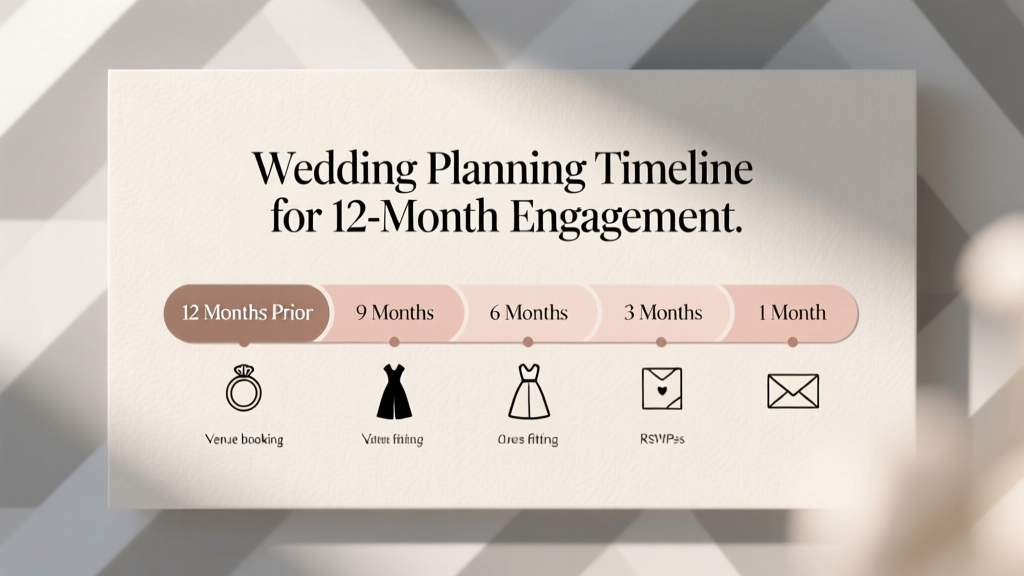 Wedding Planning Timeline for 12-Month Engagement
 How to Plan a Wedding in Ireland (2026)
 Wedding Hair Prep: 90-Day Timeline (2026)
 Wedding Venue Payment Strategies (2026)
 Button Holes for Wedding Attire: 7 Steps + Free Template
 Engagement Ring Truth: What You Really Need (2026)
 Post-Wedding Celebration: Meaningful 7-Step Checklist (2026)
 Casual Wedding Attire: 7 Rules to Avoid Awkward Outfits
 White Shoes to a Wedding: Etiquette & When It’s Encouraged