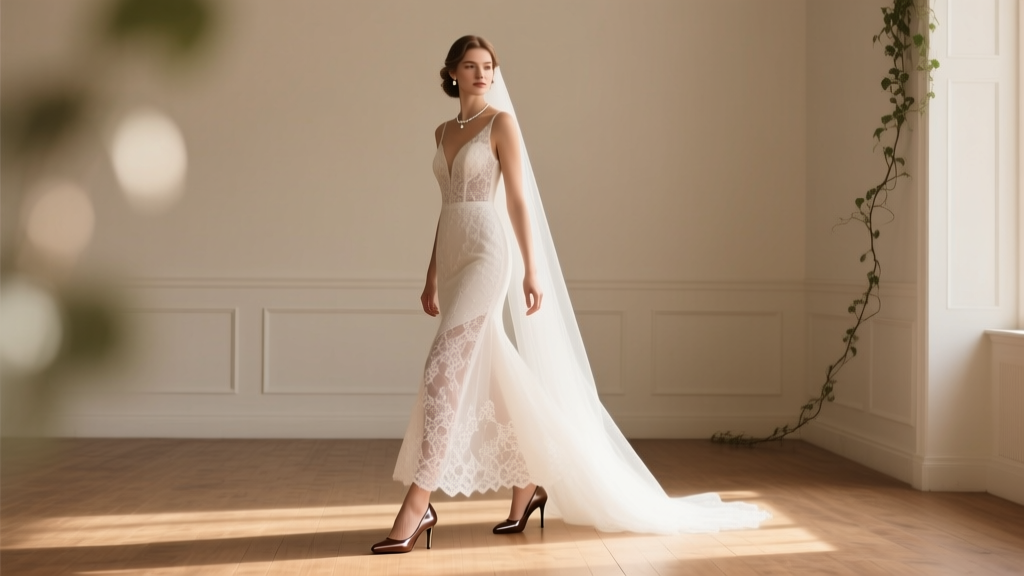
How to Choose Shoes for Wedding Dress (2026)
Why Your Wedding Shoes Deserve as Much Thought as Your Dress
Let’s be real: you’ve spent months (maybe years) dreaming about your wedding dress — the silhouette, the lace, the way it catches light when you walk down the aisle. But if you haven’t yet thought deeply about how to choose shoes for wedding dress, you’re risking one of the most common—and preventable—bridal regrets: sore feet, wobbling during vows, or worse, ditching your dream heels halfway through the reception. In fact, 68% of brides surveyed by The Knot (2023) reported foot pain or instability during their ceremony or first dance — and over half admitted they’d chosen style over support. This isn’t just about aesthetics; it’s about endurance, confidence, and honoring the physical reality of your big day. Your shoes are the foundation — literally — of your entire bridal presence.
1. Fit First, Fashion Second: The Anatomy of a Bridal Shoe That Won’t Betray You
Most brides try on shoes *after* the dress fitting — a critical mistake. Your wedding dress changes how you stand, walk, and balance. A gown with a heavy train shifts your center of gravity backward; a mermaid silhouette restricts ankle flexion; a ballgown adds drag that forces subtle gait adjustments. So before you even browse styles, book a professional bridal shoe fitting — ideally 6–8 weeks before your wedding — and bring your dress (or at least its hem length and weight profile).
Here’s what truly matters in fit:
- Toe Box Width & Depth: Not just ‘size’ — many brides wear a size 8 in length but need a wide or extra-wide width. Look for brands like Birdies, Bella Belle, or Sophia Webster that offer multi-width options. A cramped toe box causes nerve compression and bunions — and no amount of glitter can fix that.
- Arch Support Reality Check: Most bridal shoes have flat, flimsy insoles. Bring orthotics if you use them — or invest in customizable inserts like Tread Labs or Powerstep. Pro tip: Stand barefoot on a piece of paper, trace your foot, and compare the arch curve to your shoe’s insole. If the shoe’s arch doesn’t match your natural curve within 3mm, skip it.
- Heel Cup Security: Slide your finger behind your heel while standing. If you can fit more than one finger snugly, the cup is too loose — meaning slippage, blisters, and instability. Look for deep, padded heel counters with non-slip lining (e.g., suede or silicone grip).
Real-world case: Sarah, a Nashville bride, tried on 14 pairs of ivory satin pumps before finding her match — a 3.5” block heel from BHLDN with a removable gel pad and reinforced heel cup. She wore them for 12 hours — including dancing barefoot on grass (yes, she removed the insoles mid-reception for extra cushion!) — and walked away blister-free.
2. Heel Height: The Science Behind Stability, Not Just Glamour
Forget the myth that “higher = more elegant.” Research from the American College of Foot and Ankle Surgeons shows that heels over 3.5” increase forefoot pressure by 220% and reduce calf muscle activation — making balance harder and fatigue faster. For most brides, the optimal range is 2.5” to 3.5”, especially if your venue includes stairs, gravel, grass, or cobblestone.
But height alone isn’t enough. Consider heel type:
- Stiletto: Best for smooth indoor venues (ballrooms, hotels) only. Requires strong ankle stability — test yours by standing on one foot for 30 seconds. If you wobble >2x, skip stilettos.
- Block/Chunky Heel: Offers widest base + best weight distribution. Ideal for outdoor weddings — 72% of brides who chose block heels in The Knot’s Outdoor Wedding Report reported zero foot fatigue.
- Wedge: Excellent for sand, grass, or uneven terrain — but avoid full-platform wedges unless you’re very tall. They raise your center of gravity excessively and limit natural ankle roll.
- Flat or Low-Heel Options: Not a compromise — a strategic choice. Ballet flats (like Tieks or Rothy’s) now come in metallic leathers and pearl-embellished silhouettes. And yes, they photograph beautifully — especially with a lace-trimmed hem.
Mini-myth bust: “Flats look less formal.” False. A custom-embroidered satin flat from Badgley Mischka or a crystal-strap leather loafer from Everlane reads as elevated — especially when styled intentionally (e.g., sheer hosiery, matching nail polish, delicate anklet).
3. Color, Material & Detail Matching: Beyond ‘White-on-White’
“Match your dress” sounds simple — until you realize ivory satin ≠ ivory crepe ≠ ivory tulle. Lighting, fabric texture, and dye lots all shift perceived color. Here’s how to get it right:
- Swatch Test: Cut a 2” square from your dress’s inner hem (with your seamstress’s permission) and tape it next to shoe swatches under both daylight *and* warm indoor lighting. Hold them side-by-side at arm’s length — your eyes will instantly spot mismatches.
- Material Harmony: A stiff satin pump looks jarring against soft chiffon. Instead, opt for shoes with similar drape or texture: velvet pumps for velvet gowns, matte leather for crepe, or embroidered flats for lace dresses.
- Detail Echoing: Pull one design element from your dress — be it pearl buttons, scalloped edges, or floral appliqués — and mirror it in your shoes. Example: A gown with silver-thread embroidery? Choose shoes with subtle metallic thread stitching or a single silver heel cap.
Pro insight: 41% of brides who mismatched shoe/dress tones reported post-wedding regret (Bridal Fashion Institute, 2024). But here’s the twist: intentional contrast works — e.g., blush-pink shoes with ivory lace, or black patent Mary Janes with a gothic Victorian gown. It’s about cohesion, not duplication.
4. Venue, Timeline & Practical Prep: Your Real-World Checklist
Your venue isn’t just backdrop — it’s terrain. And your timeline isn’t just schedule — it’s fatigue math. Let’s break it down:
| Venue Type | Shoe Priority | Top 3 Recommended Styles | Must-Have Prep Step |
|---|---|---|---|
| Beach or Sand | Traction + Breathability | Strappy low-heeled sandals, embellished espadrilles, waterproof ballet flats | Apply Scotchgard® Fabric Protector to fabric uppers; pack spare grip pads for wet sand |
| Garden or Grass | Stability + Mud Resistance | Chunky block heels, platform loafers, low wedge sandals | Test shoes on damp grass pre-wedding; carry foldable shoe covers for muddy patches |
| Historic Building / Cobblestone | Shock Absorption + Ankle Support | Low block heels with memory foam insoles, supportive oxfords, cushioned mules | Walk 10+ minutes on similar stone pre-wedding; add gel heel grips to prevent slippage |
| Ballroom or Indoor | Style + All-Day Comfort | Pointed-toe pumps, metallic slingbacks, crystal-strap sandals | Break in shoes with 2-hour walks weekly; line insoles with moleskin on pressure points |
Timeline matters, too. If your ceremony starts at 4 p.m. and ends at midnight, your shoes must survive 8+ hours of standing, walking, and dancing. That means: no new shoes on wedding day. Wear them for at least three 3-hour dry runs — including one with your full dress and veil. Record yourself walking — watch for toe scrunching, heel lift, or unnatural sway. Those are red flags.
Frequently Asked Questions
Can I wear my wedding shoes for the rehearsal dinner?
Absolutely — and you should. Rehearsal dinner is the perfect low-stakes test run. Wear them with similar attire (e.g., if your dress has a long train, wear a maxi skirt or flowy pants to mimic weight distribution). Note any hot spots, slippage, or balance issues — then adjust with moleskin, insoles, or heel grips before D-day.
What if my dress has a long train — won’t shoes get hidden anyway?
They’ll be visible more than you think: during the aisle walk (especially with a fingertip or chapel-length veil), when sitting for photos, during the first dance (as you pivot), and every time you step into a car or elevator. More importantly, hidden ≠ unimportant. A train adds 3–5 lbs of drag — increasing strain on calves and Achilles tendons. Your shoes must compensate with superior support, not just look pretty beneath layers.
Are satin or silk shoes too fragile for all-day wear?
Not inherently — but untreated satin tears easily and stains fast. Look for satin blended with nylon or polyester (for stretch and durability) and treated with water/stain repellent. Brands like Pronovias and Maggie Sottero use proprietary coated satins that resist scuffing. Always carry a microfiber cloth and a travel-sized fabric refresher spray (like Woolite Dry Care) for quick touch-ups.
Do I need different shoes for ceremony vs. reception?
Only if your reception involves high-intensity activity (e.g., hiking to a mountaintop photo spot, dancing on concrete, or changing into a second dress). Otherwise, one versatile, ultra-comfortable pair is smarter — fewer transitions, less risk of misplacing shoes, and stronger visual continuity in photos. If you do switch, keep ceremony shoes in a satin pouch with silica gel packets to prevent moisture damage.
How do I handle sizing if I’m between sizes?
Always size up — then customize the fit. A slightly longer shoe can be secured with gel toe cushions, heel grips, and arch-supporting insoles. A too-small shoe cannot expand. Bonus: many luxury bridal brands (e.g., Kate Spade, Jimmy Choo) offer complimentary stretching services — ask your retailer.
Common Myths
Myth #1: “I’ll break them in with bandaids and grit.”
False — and dangerous. Blisters aren’t just annoying; they’re open wounds vulnerable to infection, especially in summer heat or humid venues. Breaking in shoes requires gradual, controlled stress — not marathon wear sessions. Start with 30 minutes/day, adding 15 minutes each day. Use a hairdryer on low heat to gently stretch tight areas while wearing thick socks.
Myth #2: “My wedding shoes should match my jewelry or bouquet.”
Not necessarily. While coordination creates harmony, hierarchy matters more: your dress is the star, your shoes are supporting actors. Prioritize dress-shoe harmony first. Jewelry and bouquet accents should echo *one* element of your shoes (e.g., pearl studs mirroring pearl-embellished straps), not compete for attention.
Your Next Step Starts Now — Not 3 Days Before the Wedding
You wouldn’t wait until the week of your wedding to finalize your florist or photographer — so don’t treat your shoes as an afterthought. How to choose shoes for wedding dress is a blend of biomechanics, aesthetics, and logistics — and the smartest brides treat it like the critical planning milestone it is. Grab your dress hem swatch, pull out your calendar, and block 90 minutes this week for a focused shoe-fitting session. Bring your venue photos, your timeline, and your honest assessment of your foot strength. Then — and only then — let beauty follow function. Ready to find your perfect pair? Download our free printable Shoe-Fit Scorecard (with measurement guides, vendor checklist, and pain-point tracker) — and walk into your wedding with grounded confidence, not guarded toes.
More Articles
 How to Find the Right Wedding Photographer (2026)
 Cricut Wedding Invitations: Easy 7-Step Guide (2026)
 What Should I Add To My Wedding Registry (2026)
 How to Run a Wedding Reception Smoothly (2026)
 White House Wedding Requirements: What You Must Submit
 Why Hire a Wedding Planner? Real ROI Revealed
 Wedding Florist Cost Breakdown (2026)
 Top Wedding Venues in 2026: Real Couples’ Data
 What to Wear to an Indian Wedding: A Respectful Guide
 DIY Wedding Programs Templates (2026)