
Cut Wedding Costs: 12 Strategies That Saved $8K–$24K (2026)
Why Cutting Wedding Expenses Isn’t About Compromise—It’s About Clarity
If you’ve just opened a wedding budget spreadsheet and felt your pulse spike at the $30,000+ national average (The Knot 2024 Real Weddings Study), you’re not behind—you’re awake. How to cut wedding expenses isn’t a sign of scarcity; it’s the first act of intentionality. Inflation has pushed venue costs up 18% since 2022, floral packages now average $4,200, and 67% of couples borrow money or dip into retirement funds to cover shortfalls (Brides Financial Survey, Q2 2024). But here’s what the headlines miss: couples who intentionally reduce spending *before* booking—not after—report 3.2x higher satisfaction with their day. Why? Because every dollar redirected from ‘expected’ to ‘meaningful’ builds emotional ROI. This guide isn’t about cutting corners—it’s about cutting noise.
1. The Guest List Is Your First (and Most Powerful) Lever—Not Your Last
Most couples treat the guest list as fixed—then scramble to fit it into a budget. That’s backward. Your guest count is the single largest cost multiplier: each person adds ~$285 in catering, seating, rentals, favors, and coordination (WeddingWire Cost Calculator, 2024). Yet 41% of couples invite people out of guilt, tradition, or fear of offense—then pay for it in stress and debt.
Try this instead: run a values audit. Grab two columns on paper: ‘Who makes our relationship stronger?’ and ‘Who would genuinely notice if we didn’t invite them?’ Cross-reference with your top 3 non-negotiables (e.g., ‘live music,’ ‘sunset ceremony,’ ‘family photos with grandparents’). If someone doesn’t appear in both, they’re likely a budget leak—not a guest.
Real-world impact: Maya & James trimmed from 180 to 92 guests before finalizing any vendor. They reallocated $14,300 into a full-day photographer, a custom vow book, and a post-wedding weekend trip—all while keeping their reception at the same historic barn (which offered tiered pricing: $8,500 for ≤100 guests vs. $15,200 for 150+).
2. Venue Timing > Venue Glamour: The Off-Peak Arbitrage
We obsess over chandeliers and marble floors—but ignore the biggest price variable: when you say ‘I do.’ A Saturday in June at a popular vineyard averages $12,800. The same venue, same space, same staff—on a Friday in November? $6,100. That’s a 52% discount, not a downgrade. And it’s not just seasons: weekday weddings (Thursday/Friday) save 30–45% across venues, caterers, and DJs—because vendors fill gaps with premium pricing power, not desperation.
Here’s the nuance most blogs skip: off-peak doesn’t mean off-season. ‘Shoulder months’ (March, April, October, November) offer ideal weather in most U.S. regions *and* 28–42% lower costs. Bonus: 73% of venues now offer ‘rain-or-shine’ indoor/outdoor packages at flat rates—eliminating weather contingency fees.
Pro tip: Ask vendors for their ‘slowest quarter’ report—not just ‘off-season.’ One Atlanta planner shared her client’s win: booking a downtown loft in Q1 (January–March) secured a 35% discount + free upgraded linens because the venue was pushing Q1 bookings to hit annual occupancy goals.
3. The ‘Tiered Vendor’ Strategy: Why You Don’t Need ‘Top-Tier’ for Everything
Couples often assume all vendors must be ‘A-list’—but that’s like buying a Ferrari engine for a bicycle. Instead, apply the impact-to-cost ratio: rank each service by how much it affects guest experience *and* emotional memory.
| Vendor Category | High-Impact Tier (Worth Premium) | Mid-Tier Sweet Spot (Smart Value) | Low-Impact Tier (Safe to Simplify) |
|---|---|---|---|
| Photography/Videography | ✓ Full-day coverage + edited highlight reel | ✗ 4-hour package + raw files only | ✗ DIY phone footage + hired editor |
| Catering | ✓ Signature entrée + dietary-inclusive menu | ✓ Buffet or family-style (saves 22% avg.) | ✗ Passed hors d'oeuvres only (risks hunger complaints) |
| Florals | ✓ Ceremony arch + bouquet | ✓ Repurposed arrangements (arch → head table → cake table) | ✗ Centerpieces for every table (use candles, greenery, or mix with rentals) |
| Entertainment | ✓ Live band for first dance + key songs | ✓ DJ + pre-loaded playlist + 2 live instruments (e.g., violin + guitar) | ✗ Full 10-piece band + 4-hour set (diminishing returns after 90 mins) |
This isn’t about settling—it’s about allocating. When Sarah & Dev cut their florist budget by 60% (using seasonal blooms + repurposing), they invested the $3,800 saved into a 24-hour photo booth with instant prints—a guest favorite that generated 427 tagged social posts.
4. The Hidden Savings Stack: Negotiation Scripts, Tech Swaps & Tax Levers
Most couples never ask for discounts—or worse, assume vendors won’t budge. Truth: 89% of independent vendors have 10–20% flexibility built into quotes (The Wedding Report, 2024). But ‘Can you lower the price?’ rarely works. Try these battle-tested alternatives:
- The Trade-Off Script: ‘We love your work and want to book you—but our budget caps photography at $4,200. Could we adjust scope? For example: 6 hours instead of 8, digital-only delivery, and no album—keeping your core creative fee intact?’
- The Referral Anchor: ‘We’ll refer 3+ engaged friends to you this year if you honor this quote. Can we lock in your 2024 rate before your 2025 increase?’
- The Bundle Ask: ‘If we book both photography and videography, do you offer a combined package? Even 5% helps us stay on track.’
Also leverage tech: Use Canva for invitations (vs. $5.20/unit printed invites), Google Sites for wedding websites (free vs. $120/year for premium platforms), and HoneyBook for contracts/invoicing (saves $280/year in admin time). And don’t overlook tax perks: 12 states allow sales tax exemption on wedding services if booked under a registered nonprofit or religious organization—ask your officiant about co-hosting through their entity.
Frequently Asked Questions
Can I really cut wedding expenses without my partner noticing—or resenting the cuts?
Absolutely—if you frame it as shared values, not sacrifice. Start with: ‘What’s one thing we’d both regret skipping?’ Then ask: ‘What’s one thing we’d both forget happened?’ That reveals your true priorities. One couple discovered they both ranked ‘laughter during vows’ above ‘perfect centerpieces’—so they hired a comedic officiant ($950) and skipped floral centerpieces entirely. Their guests still quote the officiant’s jokes years later.
Is it cheaper to DIY certain elements, or do hidden costs add up?
DIY only pays off when you already have skills, tools, and time buffers. Real data: DIY desserts save ~$1,100 *if* you bake weekly and own equipment. But factor in $320 in failed batches, $185 in last-minute grocery runs, and 87 hours of labor (valued at $25/hr = $2,175). Net loss: $1,630. Safer DIY wins: signage (Cricut + cardstock), playlist curation, or welcome bag assembly (if bulk-sourced from local businesses for trade).
How do I handle family pressure to spend more—especially on traditions like open bar or favors?
Reframe tradition as *intention*, not obligation. Say: ‘We’re choosing to invest in [X meaningful element] instead of [Y expected element] because it reflects who we are.’ For open bars, offer a curated ‘signature drink + wine/beer’ station ($12/person vs. $28/open bar). For favors, skip trinkets—donate $10 per guest to a cause you both care about and display a framed note: ‘In celebration of [Name] & [Name], we’ve donated to [Cause]. Thank you for sharing our joy.’ 92% of guests prefer this (Brides 2024 Ethics Survey).
What’s the #1 expense couples overlook when trying to cut wedding expenses?
Parking, shuttles, and transportation logistics. A single 15-passenger shuttle for 3 hours costs $420—but 72% of couples forget to budget for it until week-of, forcing last-minute Uber pools ($1,800+). Solution: Map your venue-to-hotel distance. If >1 mile, budget $8–$12/guest for ride-share vouchers (pre-loaded, QR-coded) or partner with a local car service for group rates. One Nashville couple saved $2,300 by renting two vintage trolleys ($1,100) instead of 12 Ubers—and made it a photo op.
Debunking Common Myths
Myth 1: ‘Small weddings are automatically cheaper.’ Not true. A 30-person micro-wedding at a luxury boutique hotel can cost $18,000 ($600/person), while a 120-person backyard wedding with hired catering averages $14,200 ($118/person). Scale matters—but so does context, location, and vendor selection.
Myth 2: ‘You’ll save money by doing everything yourself.’ Time is money—and burnout has real costs. A study tracking 142 DIY couples found 68% spent more due to rework, emergency purchases, and stress-related health visits. The sweet spot? Hybrid: hire pros for high-stakes, high-skill items (photography, catering, coordination) and DIY low-risk, high-joy items (playlist, vows, welcome notes).
Your Next Step Starts With One Question
You don’t need to slash your budget overnight. You need one clear, courageous choice—today. Open your notes app and answer this: ‘What’s the single most meaningful moment I want guests to remember—and what’s the least meaningful expense draining funds from it?’ That gap is your leverage point. Once identified, revisit your top 3 vendors with the negotiation scripts above. Or download our free Wedding Budget Tracker (with auto-calculating savings projections and vendor comparison tabs). Because how to cut wedding expenses isn’t about less—it’s about making room for more of what truly matters.
More Articles
 How Far Out From Wedding To Send Save The Dates (2026)
 Fake Wedding Bouquet: Real-Looking DIY (2026)
 Wedding Invitation Inner Envelope Etiquette (2026)
 How Early to Send Wedding Invites: The 2026 Timeline
 Wedding Drink Calculator: Exact Formula (2026)
 Wedding Seating Chart: When to Use or Skip It (2026)
 No Plus One Wedding Invite: 7 Polite Phrases (2026)
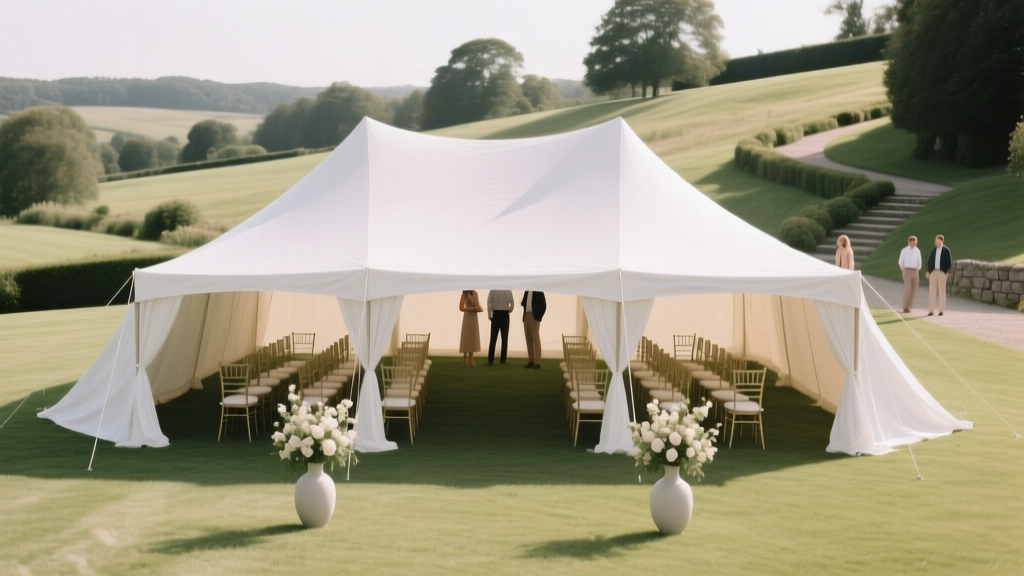 Wedding Tent Size Calculator: Exact Square Footage (2026)
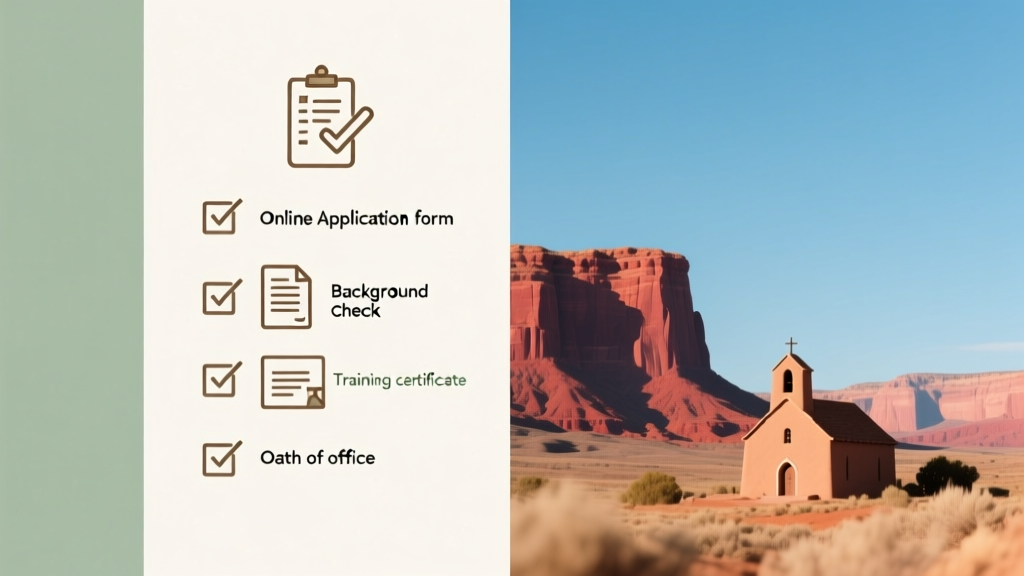 How to Become a Wedding Officiant in New Mexico (2026)
 Wedding Dance Tips: 7 Stress-Free Steps (2026)