# How to Dress the Groom for Your Wedding: The Complete Style Guide Every Couple Needs
Most wedding planning advice focuses on the bride — but the groom's look sets the tone for the entire wedding party. Get it wrong and photos feel off for decades. Get it right and he looks effortlessly polished without trying too hard. Whether you're choosing a classic tuxedo or a relaxed linen suit, this guide walks you through every decision, from silhouette to shoes.
---
## 1. Match the Dress Code to the Venue and Time of Day
The single biggest mistake grooms make is choosing an outfit in isolation. The formality of the groom's attire must align with the venue, season, and time of day.
- **Black tie / formal evening**: Classic tuxedo with a white dress shirt, black bow tie, and patent leather oxfords.
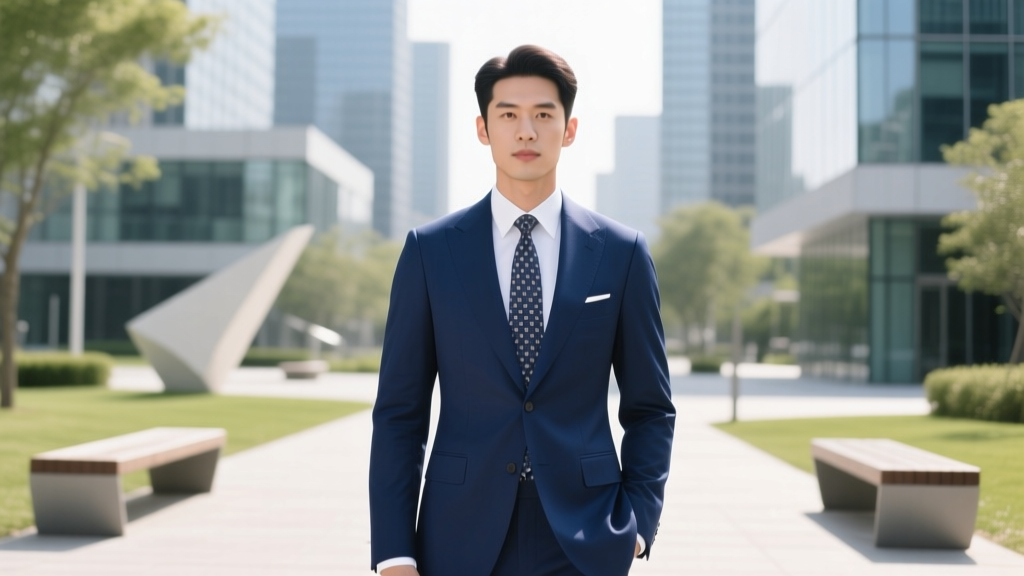
- **Cocktail / semi-formal**: A dark navy or charcoal suit with a tie or pocket square.
- **Garden / outdoor / daytime**: Light grey, tan, or linen suits work beautifully and photograph well in natural light.
- **Beach or destination**: Linen trousers with a linen shirt, no tie — comfort and breathability matter.
**Pro tip**: The groom should be one level *more* formal than the guests, not equal to them.
---
## 2. Get the Fit Right — It Matters More Than the Brand
A $300 suit that fits perfectly beats a $2,000 suit that doesn't. Fit is everything in wedding photography.
Key fit checkpoints:
- **Shoulders**: The seam should sit exactly at the shoulder bone — no overhang, no pulling.
- **Chest**: One finger should fit comfortably between the buttoned jacket and your chest.
- **Trouser break**: A slight break (where the trouser meets the shoe) is classic; no break is modern and clean.
- **Sleeve length**: About half an inch of shirt cuff should show below the jacket sleeve.
Schedule a fitting **at least 8 weeks before the wedding** to allow time for alterations. Most off-the-rack suits need at least sleeve and trouser adjustments.
---
## 3. Build the Look from the Ground Up
Once the suit is chosen, build the rest of the outfit as a cohesive system — not a collection of separate purchases.
**Shirt**: Crisp white or light blue dress shirt. Avoid busy patterns that compete with the suit.
**Tie or bow tie**: Match the formality of the suit. Silk ties photograph best. Coordinate (don't match exactly) with the bridesmaids' palette.
**Pocket square**: Optional but adds polish. Fold it simply — a flat fold or a single point. Avoid overly elaborate folds.
**Shoes**: Leather oxfords or derbies in black or dark brown. Make sure they're broken in — new shoes on a long wedding day are a painful mistake.
**Socks**: Fun socks are a popular personal touch, but make sure they don't clash when sitting down for photos.
**Watch**: A classic dress watch adds a timeless detail and gives photographers a great close-up shot.
---
## 4. Coordinate the Wedding Party Without Matching Exactly
The groom should stand out from the groomsmen — subtly but clearly.
Effective ways to differentiate:
- **Different tie**: Groomsmen wear matching ties; groom wears a complementary but distinct color or texture.
- **Boutonniere**: The groom's boutonniere is typically larger or uses a different flower than the groomsmen's.
- **Lapel style**: Groom in a peak lapel suit; groomsmen in notch lapel.
- **Vest or waistcoat**: Only the groom wears one.
Avoid dressing the entire party in identical outfits — it flattens the visual hierarchy in photos.
---
## Common Mistakes (And the Myths Behind Them)
**Myth #1: "The suit should match the wedding colors."**
This leads to grooms in burgundy or dusty rose suits that look dated within five years. Instead, choose a neutral suit (navy, charcoal, grey, tan) and incorporate the wedding palette through accessories — tie, pocket square, boutonniere. Neutral suits are timeless; trendy colors are not.
**Myth #2: "Renting is always the smarter choice."**
For a one-time event, renting seems logical — but rental suits are often poorly fitted, worn, and limited in style. If the groom will wear a suit again (rehearsal dinner, work events, future weddings), buying and having it tailored often costs the same or less, and the fit will be dramatically better. Run the numbers before defaulting to rental.
---
## Conclusion
Dressing the groom well comes down to three things: matching the formality of the event, prioritizing fit above all else, and building a cohesive look that photographs beautifully. Start early, budget for alterations, and don't overlook the details — shoes, socks, and a well-chosen watch make a real difference in photos you'll look at for the rest of your life.
**Ready to start?** Begin with the venue and dress code, then work outward from the suit. If you're unsure where to start, book a consultation with a local menswear tailor — most offer free initial appointments and can guide you through the entire process.
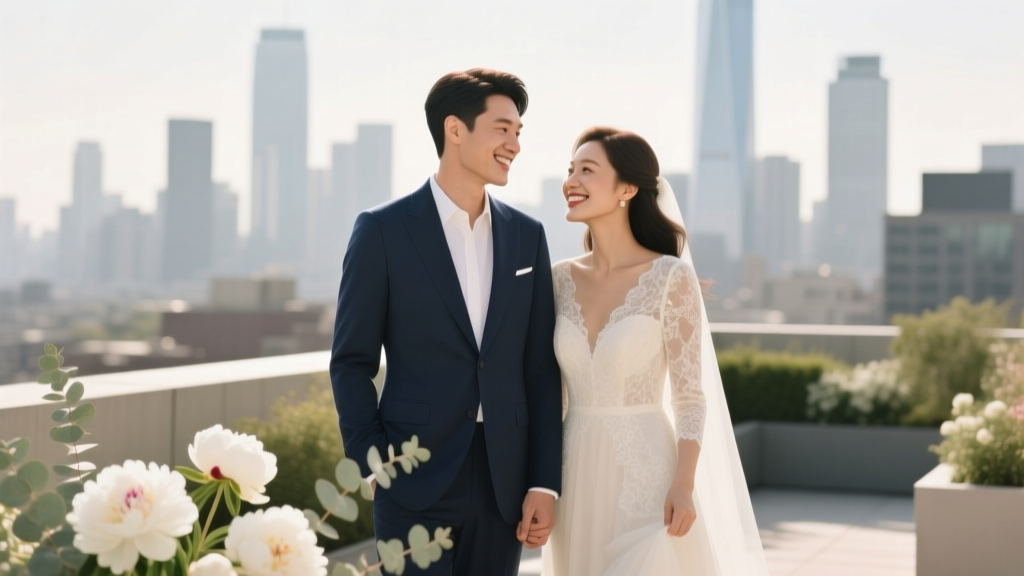 How to Submit Wedding to Brides Magazine (2026)
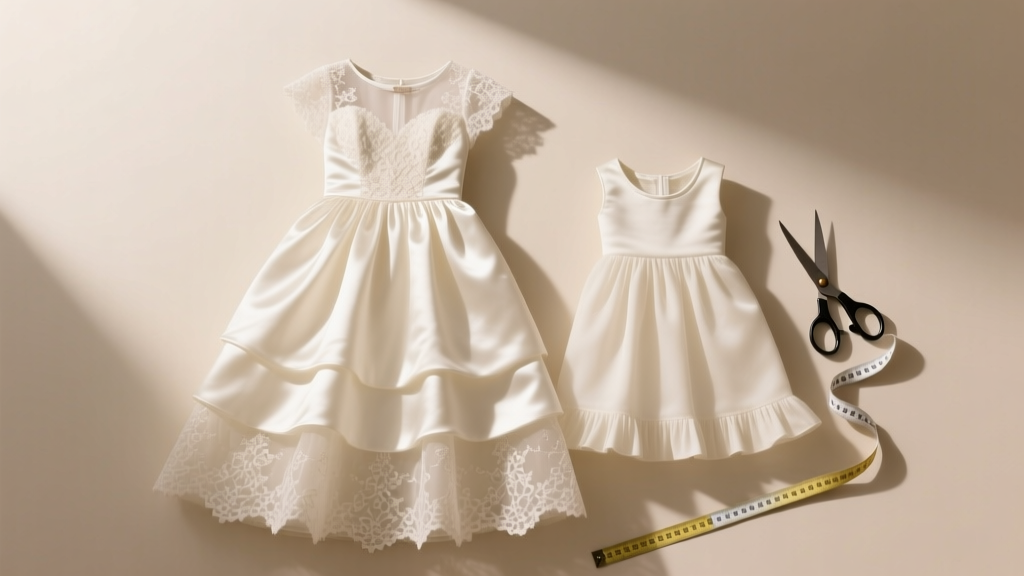 Baptism Gown from Wedding Dress: 7 Steps + Savings (2026)
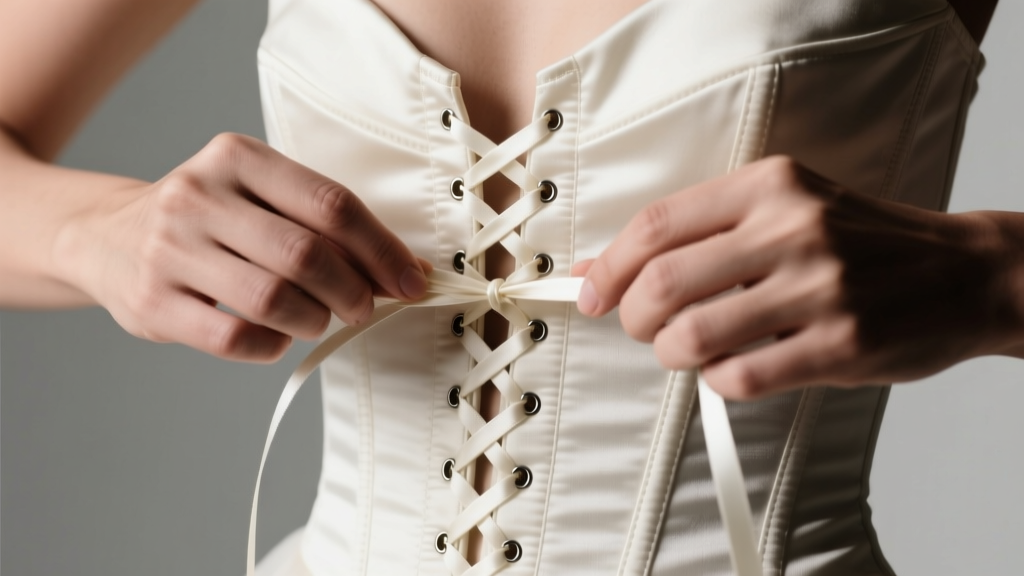 Wedding Dress Corset Tie: 90-Second Lacing (2026)
 Clean Tulle Wedding Dress: 7 Expert Steps (2026)
 Indian Wedding Costs in 2026: Strategy, Region & Reality
 Wedding Quilt Guest Book: A Complete Guide
 Wedding Painter Cost: What Really Drives Pricing (2026)
 Pink Dress to Wedding? Etiquette Guide (2026)
 Wedding Vows Samples: 7 Real Couples + 5-Step Framework
 Wedding Chair Decoration: 7 Budget-Savvy Steps (2026)