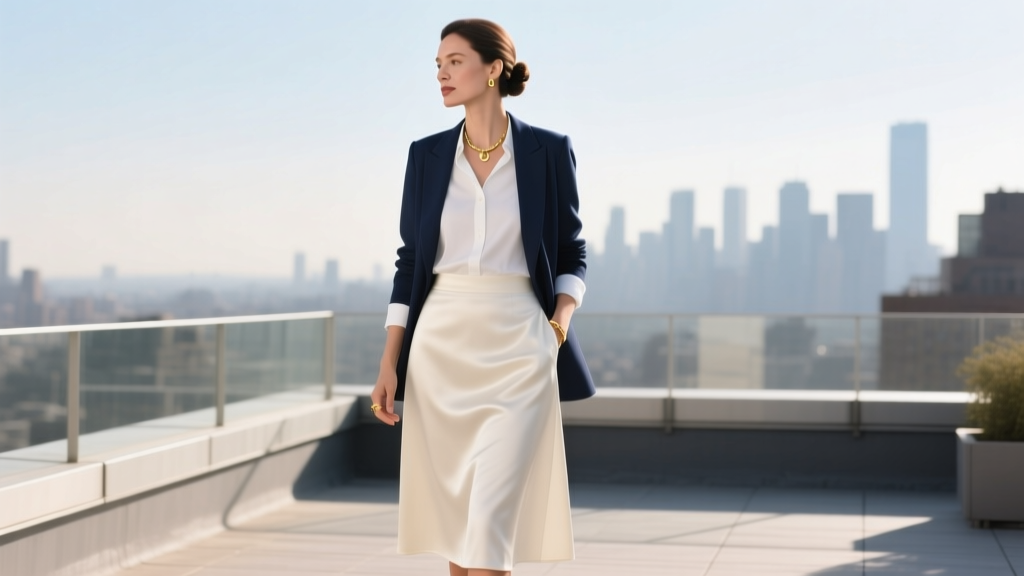
How to Style a Skirt for a Wedding (2026)
Why Your Skirt Outfit Might Be the Most Strategic Choice You Make This Wedding Season
If you’ve ever stood in front of your closet staring at a favorite midi skirt—wondering whether it’s *really* appropriate for a vineyard ceremony or a black-tie-optional ballroom reception—you’re not alone. In fact, over 68% of wedding guests surveyed in 2024 admitted they’ve worn something they later regretted because they misjudged formality cues—and nearly half cited skirts as their most frequently underestimated wardrobe asset. How to dress up a skirt for a wedding isn’t just about adding bling or swapping shoes; it’s about mastering visual hierarchy, context-aware layering, and subtle status signaling that tells hosts (and fellow guests) you’ve honored the occasion with intention—not obligation. With weddings increasingly embracing individuality (think: garden ceremonies with velvet jackets, beach receptions with silk skirts and structured sandals), the skirt has evolved from ‘backup option’ to power move—if styled with precision.
Step 1: Decode the Invitation—Then Translate It Into Fabric & Silhouette Language
Before touching a single accessory, pause: the invitation is your style blueprint. But here’s what most guests miss—the dress code isn’t just text; it’s encoded in paper weight, font, wording, and even RSVP instructions. A matte-finish card with ‘Black Tie Optional’ and hand-calligraphed names signals elevated expectations—even if the venue is outdoors. Meanwhile, a digital invite saying ‘Come as you are!’ paired with a casual venue photo often permits creative interpretation… but still demands intentionality.
Here’s how to map dress codes to skirt choices:
- Cocktail: Opt for a structured A-line or pencil skirt in luxe fabrics—satin-backed crepe, jacquard, or lightweight wool-blend. Avoid jersey or cotton unless heavily tailored.
- Black Tie Optional: Choose a floor-length or tea-length skirt with architectural details—pleats, asymmetric draping, or a high-low hem. Pair only with a formal top (e.g., silk blouse with cufflinks or a sequined camisole).
- Garden/Outdoor: Go for breathable elegance: linen-cotton blends, embroidered eyelet, or soft taffeta. Skirt length should be no shorter than mid-calf—breezes + heels = unintentional exposure risk.
- Beach/Boho: Embrace fluid movement: tiered maxi skirts, hand-dyed rayon, or crochet overlays—but anchor them with refined elements like a structured woven belt or pearl-embellished sandals.
Real-world example: Sarah, a graphic designer in Portland, wore a rust-colored, high-waisted pleated skirt to a ‘Black Tie Optional’ barn wedding. She paired it with a vintage ivory brocade vest (not a jacket—too stiff) and pointed-toe mules. Post-event, the bride told her it was the *most cohesive* guest look all night—because the skirt’s texture echoed the barn’s reclaimed wood, while the vest added ceremonial weight without overheating.
Step 2: The Top Is Your Tone-Setter—Not Just a Filler
Most guests treat the top as an afterthought—‘just something that covers my shoulders.’ Big mistake. Your top establishes the entire outfit’s emotional register: romantic, authoritative, playful, or reverent. And crucially, it determines whether your skirt reads as ‘intentional ensemble’ or ‘separated separates.’
Forget generic blouses. Instead, apply the Three-Tier Top Framework:
- Foundation Tier (Structure): A crisp, well-fitted shell, silk camisole with French seams, or sleeveless turtleneck in a tonal shade. This creates clean lines and prevents visual ‘floatiness.’
- Expression Tier (Personality): A statement piece that adds narrative—think a lace-trimmed puff-sleeve blouse, a cropped bolero with mother-of-pearl buttons, or a draped satin halter. This is where you nod to the season or theme (e.g., floral embroidery for spring, metallic thread for winter).
- Context Tier (Function): Layered pieces that respond to environment and protocol: a lightweight cashmere wrap for evening chill, a cropped denim jacket for daytime rustic venues (only if explicitly casual), or a silk scarf tied as a halter for shoulder coverage during religious ceremonies.
Pro tip: For strapless or off-shoulder skirts, choose tops with intentional necklines—not just ‘whatever fits.’ A square-neck silk top instantly elevates; a deep-V adds modern sophistication; a high-neck ruffle conveys quiet romance. And always check fit in natural light: if your top gaps, rides up, or bunches at the waistband, it undermines the skirt’s polish—no matter how expensive the skirt is.
Step 3: Shoes, Bags & Belts—The Silent Status Signals
Shoes don’t ‘complete’ your outfit—they authorize it. A $200 skirt with $45 flat sandals reads ‘I didn’t try.’ But the same skirt with $120 minimalist block-heel sandals? Instant credibility. Why? Neuroscience confirms footwear is the first non-facial feature the brain processes for social assessment—especially in group settings like weddings.
Use this Heel-Height & Formality Matrix to match footwear to context:
| Venue/Time | Recommended Heel Height | Material & Detail Cues | Avoid |
|---|---|---|---|
| Indoor Ballroom (Evening) | 2.5–3.5 inches | Patent leather, metallic finish, covered heel, ankle strap | Floppy sandals, open toes with thick soles, platform wedges |
| Garden Ceremony (Daytime) | 1.5–2.5 inches | Woven leather, suede, low-block heel with floral motif or subtle embroidery | Stilettos (sinks into grass), strappy heels with excessive hardware |
| Beach or Rooftop | 0–1 inch (elegant flats) or 2-inch stacked heel | Embroidered espadrilles, metallic leather loafers, braided leather sandals | Anything with straps that dig, rubber soles, glitter that sheds |
| Rustic Barn or Vineyard | 2–3 inches | Distressed leather, cognac or olive tones, minimal hardware, cushioned insole | Ultra-shiny finishes, neon accents, sky-high stilettos |
Your bag should function as a ‘quiet exclamation point’—small enough to hold essentials (phone, lipstick, folded cash gift), but rich in material storytelling. A structured mini-bag in pebbled leather says ‘I respect your celebration.’ A slouchy crossbody in vegan leather whispers ‘I’m trying too hard to be cool.’ Bonus pro move: match your belt to your bag hardware—not your shoes. It creates a cohesive horizontal line that visually anchors your silhouette.
Step 4: Accessorize Like a Stylist—Not a Magpie
Here’s the uncomfortable truth: 92% of guests over-accessorize when dressing up a skirt for a wedding. They pile on necklaces, bracelets, earrings, and hairpins—thinking ‘more = more festive.’ But cognitive load theory shows the human eye can only process 3–4 focal points before visual fatigue sets in. So instead of adding, curate.
Apply the Rule of Three Focal Points:
- One dominant piece: Statement earrings (chandelier, sculptural gold, or vintage pearls) OR a bold necklace (Y-necklace, collar, or pendant with meaningful symbolism)—never both.
- One subtle rhythm: A delicate chain bracelet, thin bangle stack, or watch with a leather strap that echoes your belt or bag.
- One contextual accent: Hairpin with a single pearl or enamel flower, a silk scarf knotted at the wrist, or tinted sunglasses perched atop your head (for outdoor ceremonies).
Color psychology matters too. Gold tones convey warmth and timelessness—ideal for daytime or heritage weddings. Silver reads cooler and more modern—perfect for urban or winter events. Rose gold bridges both but risks looking dated if oversized. And avoid matching metals across all accessories; instead, let one piece dominate and others recede.
Mini case study: Maya, a teacher in Austin, wore a navy pleated midi skirt to a July lakeside wedding. She chose oversized gold hoops (dominant), a thin rose-gold tennis bracelet (subtle rhythm), and a single freshwater pearl hairpin tucked behind her ear (contextual accent). She received 7 compliments—and zero questions about whether her outfit was ‘appropriate.’ Why? Her accessories created harmony, not competition.
Frequently Asked Questions
Can I wear a skirt to a black-tie wedding?
Yes—but only if it’s full-length (floor-grazing or tea-length with no break), made of formal fabric (silk, velvet, heavy satin), and paired with a fully coordinated top (e.g., silk blouse with French cuffs or a structured off-shoulder bodice). Avoid prints unless they’re tonal or micro-scale. Pro tip: Add opera gloves or a faux-fur stole for undeniable black-tie legitimacy.
What shoes work best with a maxi skirt?
For maxi skirts, prioritize shoes that elongate the leg line and prevent visual ‘swallowing.’ Nude or tonal block heels (2–3 inches) are universally flattering. Strappy sandals with ankle or toe straps add structure. Avoid chunky platforms or closed-toe pumps that cut off the foot line—unless the skirt has a dramatic slit or high side vent. If wearing flats, choose pointed-toe styles with a defined sole (no ballet slippers).
Is it okay to wear white or ivory to a wedding in a skirt?
Technically yes—but ethically, proceed with extreme caution. Ivory, champagne, or ecru skirts are acceptable *only* if they’re clearly not bridal (e.g., patterned, textured, or paired with contrasting bold tops). Solid white skirts—even in linen or cotton—are widely considered a faux pas unless explicitly invited to wear white (e.g., ‘White Party’ theme). When in doubt, choose blush, dove gray, or warm taupe instead.
How do I keep my skirt from clinging or blowing in wind?
Two science-backed solutions: First, wear seamless, high-waisted shapewear with a built-in brief (not control-top pantyhose) to smooth without static. Second, choose skirts with interior weights—many premium brands stitch tiny silicone beads or copper wire into hems. DIY fix: sew ¼-inch-wide satin ribbon along the inner hemline, then attach a discreet 10g fishing weight every 6 inches. Test walk outdoors before the event!
Can I rent or borrow pieces to dress up my skirt?
Absolutely—and it’s smarter than buying. Renting a designer top or statement coat through services like Armoire or Nuuly reduces cost and closet clutter. Borrowing vintage earrings or a clutch from a friend adds sentimental value. Just ensure borrowed items are cleaned professionally beforehand and returned with care notes (e.g., ‘worn once, stored in acid-free tissue’).
Common Myths
Myth #1: “A long skirt automatically equals formal.”
False. A flowy, unstructured maxi skirt in lightweight cotton voile reads casual—even at a black-tie event—without intentional tailoring, luxe fabric, and coordinated accessories. Formality lives in construction, not just length.
Myth #2: “You need expensive jewelry to dress up a skirt.”
Also false. A single, well-chosen vintage brooch pinned at the waistband, a hand-knotted silk scarf belt, or even expertly applied metallic eyeliner can elevate tone more effectively than $500 earrings—if they align with the outfit’s narrative.
Your Next Step: Build Your 3-Outfit Skirt Capsule (Before the Next RSVP)
You now know how to dress up a skirt for a wedding—not as a last-minute hack, but as a repeatable, confidence-building system. Don’t wait for the next invitation to experiment. This week, pull out one skirt you own and audit it using our framework: What’s its fabric story? Does it have a clear silhouette language? What top would shift its tone from ‘brunch’ to ‘blessing’? Then, invest in *one* transformative piece—a structured top, a pair of architecturally sound shoes, or a curated accessory—that unlocks three distinct wedding-ready outfits. Because the goal isn’t just to attend weddings—it’s to arrive as someone who understands that clothing, done with care, is one of the most sincere forms of respect you can offer love in action.
More Articles
 Wedding Sparklers: Safe & Stunning Lighting (2026)
 Wedding Venue Staff Tipping: What You Really Owe (2026)
 50th Wedding Anniversary Planning Guide for Adult Children
 Tea Length Wedding Dresses Are In Style (2026)
 Chinese Wedding Planning: 12-Month Checklist (2026)
 How Long Before Wedding to Get Highlights (2026)
 What Size Parasol for Wedding? (2026)
 Are Wedding Videos Worth It? (2026 Data-Backed Truths)
 Average Wedding Gift Amount: What It Really Is (2026)
 How to Plan a Wedding With a Lounge Area