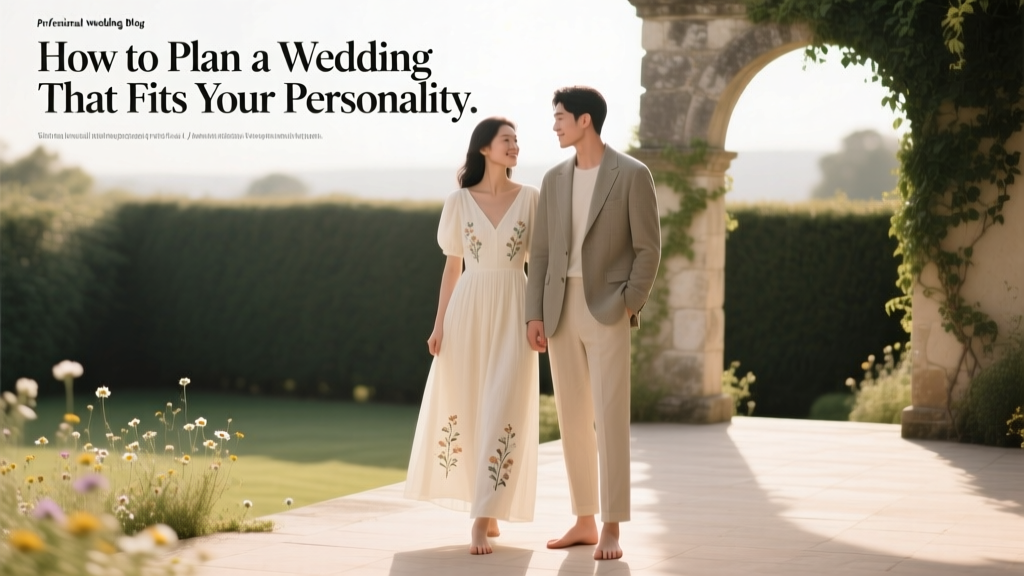
How to Plan a Wedding That Fits Your Personality
You’re engaged—excited, maybe a little overwhelmed, and probably already getting hit with opinions. One person is sending you barn venue links, another is pushing a hotel ballroom, and someone else insists you “have to” do a first dance, a bouquet toss, and the exact timeline they had. If you’ve ever thought, “But that’s not us,” you’re already on the right track.
The best weddings don’t follow a script. They feel like the couple—whether that means a black-tie celebration with a string quartet, a backyard dinner with long family-style tables, or a city ceremony followed by tacos and dancing. Planning a wedding that fits your personality isn’t about being trendy or different for the sake of it. It’s about making choices that feel natural, meaningful, and comfortable for you.
This guide will help you uncover what you actually want, translate your vibe into real planning decisions, and build a wedding day that feels unmistakably yours—without blowing your budget or your sanity.
Step 1: Define “You Two” Before You Plan Anything
Before you book a venue or pin a single centerpiece, take 30 minutes together and get aligned. This simple step prevents the most common planning regret: planning a wedding for everyone else.
The 20-Minute Personality Planning Exercise
- Choose three words for your wedding: Examples: “cozy, lively, unfussy” or “elegant, modern, intimate.”
- Pick your top two priorities: (Food, music, photos, guest experience, culture/traditions, budget, fashion, travel ease, etc.)
- Name your “not us” list: Things you don’t want—like a big bridal party, formal introductions, or a late-night club vibe.
- Agree on one non-negotiable: A live band, a mountain view, a private vow moment, a cultural ceremony element—anything that matters deeply.
Real-world scenario
Maya & Jordan realized their three words were “warm, playful, relaxed.” That immediately ruled out a rigid ballroom timeline and made room for signature cocktails with funny names, a shorter ceremony, and a DJ who could keep a laid-back dance floor going without forced moments.
Step 2: Match Your Wedding Style to Your Personality (Without Labels)
You don’t need to fit into a single category, but it helps to identify what feels most natural. Here are a few personality-driven wedding styles—and what they look like in real planning choices.
If you’re “Classic and Timeless”
- Venues: Historic estates, elegant hotels, traditional churches, country clubs
- Design: Neutral palettes, greenery, white florals, structured invitations
- Guest experience: Seated dinner, formal toasts, a reliable timeline
- Pro tip: Add one personal twist so it doesn’t feel generic—like family recipes for dessert or a meaningful ceremony reading.
If you’re “Modern and Minimal”
- Venues: Art galleries, lofts, industrial spaces, rooftop terraces
- Design: Clean typography, monochrome palettes, sculptural florals, intentional lighting
- Guest experience: Cocktail-style reception, curated playlist or DJ, late-night espresso bar
- Budget watch: Minimal can still be expensive—lighting, rentals, and a great photographer matter more here.
If you’re “Cozy, Intimate, and Sentimental”
- Venues: Backyards, small inns, gardens, private dining rooms, Airbnb-style estates (where allowed)
- Design: Candles, handwritten details, family heirlooms, soft textures
- Guest experience: Longer dinner, meaningful toasts, personal touches at each place setting
- Pro tip: Invest in comfort—heaters, lounge seating, and a well-paced meal.
If you’re “Bold, Creative, and Nontraditional”
- Venues: Museums, theaters, warehouses, botanical conservatories
- Design: Color, pattern, unexpected florals, statement fashion, interactive moments
- Guest experience: Food stations, performance elements, surprise dessert, unique late-night snack
- Mistake to avoid: Don’t make guests work too hard—keep logistics clear (signage, timeline, transportation).
Step 3: Turn Personality Into Practical Decisions
This is where couples get stuck: you know the vibe, but how do you make it real? Use the choices below to “translate” your personality into your wedding planning checklist.
Venue: Choose the Space That Supports How You Want to Feel
Ask yourselves:
- Do we want guests to mingle or sit for a formal dinner?
- Are we energized by a crowd, or do we prefer something intimate?
- Do we love nature, city energy, or a cozy indoor atmosphere?
- Do we want an all-inclusive venue to reduce stress, or are we okay coordinating multiple vendors?
Planner tip: A venue is a “personality amplifier.” A modern loft makes everything feel contemporary. A vineyard feels romantic and relaxed. Pick the feeling first, then decorate less.
Guest List: The Most Personality-Defining Decision You’ll Make
If you’re private or easily overwhelmed, a 200-person wedding can feel like performing. If you’re social and family-centered, a small guest list might feel like a compromise.
- Introverts: Consider a smaller guest list, longer cocktail hour with cozy seating, and a private moment after the ceremony.
- Extroverts: Consider a larger dance floor, interactive guest experiences, and a bold entrance to kick off the party.
- Family-focused couples: Consider a seating plan that keeps generations connected, plus special family photos and cultural elements.
Ceremony: Keep Traditions That Feel True (Skip the Rest)
A ceremony can be classic, spiritual, funny, short, long, formal, or relaxed. The goal: meaningful and comfortable.
Personality-based ceremony ideas:
- Low-key couples: Short ceremony, simple vows, fewer readings
- Sentimental couples: Personal vows, letters exchanged privately, family blessing
- Playful couples: A lighthearted officiant, a funny story woven in, upbeat recessional song
- Culture-forward couples: Traditional rituals, bilingual program, meaningful music
Mistake to avoid: Writing vows that don’t sound like you. If you’d never say “you are my rock” in real life, don’t force it. Speak like yourselves.
Reception: Design the “Flow” Around Your Energy
Think of your reception as a series of moments. Choose what matches your personalities:
- Food lovers: Upgrade the meal experience—chef stations, a thoughtful wine pairing, or late-night snacks
- Dance-all-night couples: Prioritize DJ/band, lighting, and a timeline that gets people dancing earlier
- Conversation-first couples: Longer dinner, comfortable seating, lower music volume during meal, lounge areas
- Adventure-loving couples: Consider a destination wedding, mountain ceremony, or unique venue experience
Step 4: Budget for Personality (So Your Money Matches What You Value)
A personality-driven wedding budget is a relief—because it gives you permission to spend where it matters and simplify what doesn’t.
Build a values-based wedding budget in 4 steps
- List your top 3 priorities: Example: photography, food, live music.
- Assign your “splurge” categories: Put more budget there on purpose.
- Choose your “save” categories: Example: fewer florals, simpler stationery, smaller cake.
- Add a 10–15% buffer: For last-minute needs, taxes, tips, and surprises.
Specific example: If you’re a cozy, intimate couple, you may spend more on catering and rentals for a beautiful dinner atmosphere, and less on a huge dance floor setup. If you’re party people, you might simplify florals and put that money toward entertainment, lighting, and a late-night snack bar.
Budget-smart swaps that still feel personal
- Use statement pieces (like a floral installation or custom backdrop) in one spot instead of everywhere.
- Choose seasonal flowers and let greenery do heavy lifting.
- Print fewer items; use one great sign and a wedding website for details.
- Offer one signature cocktail you love instead of a full premium open bar upgrade.
Step 5: Timeline Advice That Keeps You Calm (and On Track)
Your planning timeline should fit your life, not add chaos to it. Here’s a practical schedule that works for most engaged couples planning a wedding in 9–18 months.
12–18 months out
- Define your three words + priorities
- Set budget range and guest count estimate
- Book venue(s)
- Book top vendors: wedding planner/coordinator, photographer, caterer (if not included)
9–12 months out
- Book entertainment (DJ/band)
- Choose wedding party (if having one)
- Start attire shopping
- Reserve hotel blocks and transportation (if needed)
6–9 months out
- Finalize design direction (colors, florals, rentals)
- Plan ceremony structure and officiant
- Send save-the-dates
- Plan guest experience details (welcome party, farewell brunch, etc.)
3–6 months out
- Send invitations
- Finalize menu + bar
- Create a day-of timeline draft
- Schedule hair and makeup trial
1–2 months out
- Finalize seating chart and RSVPs
- Confirm vendor details and payments
- Write vows/speeches
- Prepare tips, emergency kit, and day-of items
Planner tip: If you want a relaxed, personality-forward wedding day, build in breathing room:
- 15 extra minutes for getting dressed
- 10 minutes after the ceremony for a private moment
- A buffer between photos and introductions
Common Mistakes Couples Make (and How to Avoid Them)
- Mistake: Copying a wedding you saw online without considering what it feels like in real life.
Fix: Ask, “Would we enjoy being guests at this wedding?” - Mistake: Overcommitting to traditions you don’t care about.
Fix: Keep the traditions that feel meaningful; replace others with something personal (a toast from both partners, a private last dance, a group photo instead of a bouquet toss). - Mistake: Choosing a venue that’s pretty but logistically hard.
Fix: Consider travel time, weather plan, restrooms, accessibility, and sound restrictions before you sign. - Mistake: Spending too much on details guests won’t notice (and too little on what they will).
Fix: Prioritize food, music, comfort, and flow. Guests remember how the day felt. - Mistake: Not communicating boundaries with family early.
Fix: Decide together what feedback you want, who has decision power, and how you’ll handle disagreements.
Pro Tips from Wedding Planners for a Personality-True Wedding
- Use one “anchor” detail that screams you—your favorite cuisine, a meaningful location, a cultural tradition, or music that defines your relationship.
- Create guest comfort on purpose: clear signage, water available, enough seating, climate solutions, and a realistic timeline.
- Make space for real moments: A private vow exchange, a quiet dinner together during cocktail hour, or a last dance after guests exit.
- Don’t apologize for your choices: A brunch wedding, a smaller guest list, skipping a bridal party—these are valid and often wonderful.
- Hire at least a day-of coordinator if you can. Even the most laid-back wedding needs someone managing cues, vendors, and timing.
FAQ: Planning a Wedding That Fits Your Personality
How do we plan a wedding that feels like us when our families have strong opinions?
Start by aligning as a couple on your top priorities and non-negotiables. Then decide where family input is welcome (guest list additions, cultural traditions, a family song) and where it isn’t (venue style, ceremony tone, budget limits). A calm phrase that works: “We’re building a day that feels like us, and we’d love your help with this specific piece.”
What if we have different personalities—one wants a big party and the other wants something intimate?
Blend formats. You can have an intimate ceremony with a smaller group and a larger casual reception later, or a structured dinner for connection followed by a high-energy dance portion. Focus budget on making both parts excellent rather than forcing one style for the entire day.
How can we make a wedding personal without spending a fortune?
Personal doesn’t have to mean expensive. Use meaningful music, a favorite dessert, handwritten notes to guests, a ceremony reading with real significance, or a signature cocktail that tells a story. Spend intentionally on one or two “wow” elements and keep the rest simple.
Is it okay to skip traditional wedding moments like a first dance or bouquet toss?
Yes. If it doesn’t feel like you, skip it or replace it. Alternatives include a private last dance, a group dance to kick off the party, an anniversary dance, or a toast from both partners instead of formal spotlight moments.
How do we choose a wedding theme or style without it feeling forced?
Think in terms of mood and experience rather than a “theme.” Start with your three words, choose a venue that matches that feeling, then use color, texture, lighting, and music to support it. When the choices align, it won’t feel forced.
What’s the quickest way to make a wedding feel “off” from our personalities?
Over-scheduling and over-performing. If you’re not naturally center-stage people, build in private moments and keep spotlight traditions minimal. If you love attention and energy, design a reception that gets people participating sooner. The day should fit your comfort level.
Your Next Steps: Make It Official
If you want a wedding that fits your personality, start with two actions this week:
- Write your three words and your top two priorities. Put them somewhere visible while you plan.
- Make one decision that supports those words—venue tours, a guest count boundary, or a shortlist of vendors that match your vibe.
When you feel pulled in a dozen directions, come back to the question: “Does this feel like us?” That one filter will save you time, money, and stress—and it will help you create a wedding day that feels comfortable, meaningful, and genuinely joyful.
Want more practical planning help? Explore more wedding planning guides, checklists, and vendor tips on weddingsift.com.
More Articles
 Wedding Party Outfit Checklist: Stress-Free 2026 Guide
 Wedding Ring Rules: 7 Must-Follow Tips (2026)
 Free Wedding Website: No Fees, No Tech Skills (2026)
 Wedding Dance Moves: Stress-Free Steps for 2026
 How to Order a Wedding Cake: A Stress-Free Guide
 Platinum Wedding Band Cost: Real Price Range (2026)
 Wedding Dress Costs: Real 2026 Prices & Smart Spending
 Can You Wear Wedding Shoes Again? (2026)
 Wedding Plus-One Rules: When to Say Yes or No (2026)
 Sand Ceremony Guide: Stress-Free Steps & Tips (2026)