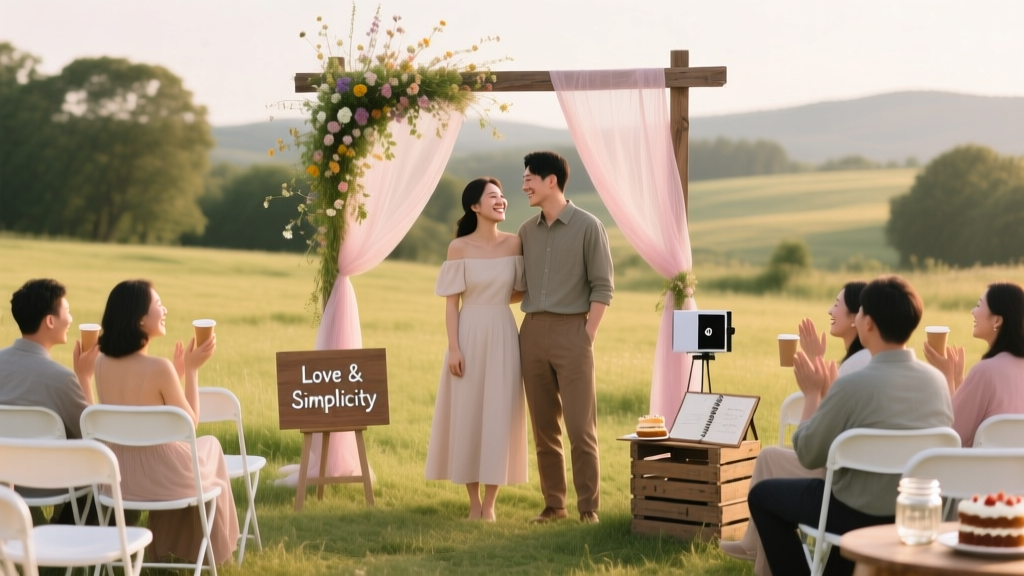
Cheap Outdoor Wedding Ideas That Save Thousands
Why 'Cheap' Doesn’t Mean 'Compromised'—Especially Outdoors
If you’ve ever scrolled through Pinterest dreaming of wildflower arches, golden-hour vows beneath oak canopies, or barefoot receptions on sun-warmed grass—only to slam into a $25,000+ quote from your first venue tour—you’re not alone. In fact, 68% of couples planning outdoor weddings in 2024 cite cost as their top stressor (The Knot Real Weddings Study). But here’s the truth no one shouts loud enough: how to have a cheap outdoor wedding isn’t about cutting corners—it’s about cutting out waste. It’s choosing intention over inventory, creativity over catering add-ons, and community over contracts. With smart timing, strategic sourcing, and a few counterintuitive swaps, couples across the U.S. are hosting breathtaking outdoor weddings for $6,500–$9,800—and guests still call them ‘the most magical day they’ve ever attended.’ This isn’t theoretical. It’s tactical. And it starts with understanding where your budget actually leaks.
1. Venue Strategy: Skip the ‘All-Inclusive’ Trap & Tap Into Undervalued Spaces
Most couples assume ‘outdoor wedding’ = ‘private estate or vineyard’—and instantly inflate their budget by $5,000–$12,000. But the biggest savings opportunity lies in redefining what qualifies as a ‘venue.’ Consider this: A state park permit in North Carolina costs $125 for a full-day reservation—including parking, restrooms, and picnic shelter access. Meanwhile, a ‘rustic-chic’ private farm charges $4,200 just for the grounds fee—before florals, power, or cleanup.
Real-world example: Maya & Jordan (Asheville, NC) hosted 62 guests at Lake James State Park. They rented two 10×10 pop-up tents ($180), hired a local food truck ($1,100), and asked friends to bring lawn chairs and blankets. Total venue + logistics cost? $312. Their entire wedding came in at $7,940—$11,200 under the national median.
Smart alternatives to traditional venues:
- Public lands: National forests, county parks, and city greenways often offer low-cost or free permits—especially midweek or off-season. Always verify insurance requirements and noise restrictions.
- Private backyards: Not just for family-owned homes. Many homeowners list their gardens on platforms like Backyard Venue Co. for $300–$900/day—often including string lights, fire pits, and seating.
- Educational or faith-based properties: University quads, botanical gardens (off-peak hours), and church campuses frequently allow weddings for modest fees ($500–$1,800) with built-in infrastructure.
Pro tip: Ask vendors if they’ll discount their rate in exchange for being featured in your wedding photos or social posts. One photographer in Portland accepted a $200 fee (vs. $2,400) for full rights to showcase the couple’s backyard ceremony—saving them $2,200 while delivering professional-quality imagery.
2. Timing Is Your Secret Budget Multiplier
Timing isn’t just about ‘getting married sooner.’ It’s about aligning your date with natural economic rhythms. Off-season doesn’t mean January blizzards—it means shoulder season: late April, early May, September, or even Columbus Day weekend. Why? Because demand drops 30–45%, but weather remains ideal across most of the U.S., and vendors are both available and motivated to negotiate.
Data shows that couples who booked Saturday weddings in June or October paid an average of 22% more for photography and 37% more for rentals than those who chose Fridays or Sundays in April or November (WeddingWire 2023 Vendor Pricing Report). Even better: weekday weddings (Thursday/Friday) unlock deeper discounts—some caterers offer 40% off base menus for non-Saturday bookings.
Case study: Lena & Sam (Austin, TX) moved their wedding from a prime Saturday in June to Friday, April 12th. Their florist offered a ‘spring bulb bundle’ (tulips, ranunculus, narcissus) for $895 instead of $1,650—and included free delivery. Their DJ reduced his fee from $2,100 to $1,250 and threw in a custom playlist consultation. Total timing-driven savings: $3,820.
Don’t overlook time-of-day either. A 3:30 PM ceremony followed by a ‘brunch reception’ cuts food costs dramatically—think gourmet quiches, artisanal charcuterie, and bottomless mimosas instead of plated dinners and open bars. One couple in Seattle served locally baked pastries, seasonal fruit platters, and cold-pressed juices—and spent just $22/person on food vs. the $58/person industry average for dinner service.
3. The DIY/Delegate Framework: What to Build, Borrow, and Buy Smart
DIY isn’t about gluing pinecones for 80 hours. It’s about applying your skills strategically—and outsourcing only what truly requires expertise. Use this simple framework:
- Do it yourself: Anything with high visual impact but low technical risk (e.g., signage, escort cards, flower crowns, playlist curation).
- Borrow or barter: Lawn games (cornhole, giant Jenga), vintage glassware, string lights, and folding chairs are commonly shared among friend groups—or traded for services (e.g., ‘I’ll design your baby shower invites if you lend me your Edison bulb chandeliers’).
- Buy smart: Rent only what’s essential (tents, tables, linens)—but buy key items that hold value or sentimental weight (e.g., a single antique wooden arbor you’ll use for future family events).
Real impact: When Sophie & Diego (Portland, OR) made their own dried-floral arch using pampas grass, eucalyptus, and thrifted brass hoops, they saved $1,450. They borrowed 75% of their table settings from three friends—and bought only 20 mismatched vintage plates ($1.25 each) for ‘ceremony seating.’ Their total decor investment? $387.
Crucially, avoid DIY pitfalls: Don’t attempt electrical setups, cake assembly beyond stacking tiers, or anything requiring liability coverage (e.g., inflatable lounges, fog machines). When in doubt, hire a certified professional—even if it’s just for 2 hours of setup oversight.
4. Food & Beverage: Rethink ‘Reception’ to Reclaim Your Budget
Food and beverage typically consumes 40–50% of a wedding budget—but it’s also the area with the highest flexibility and lowest guest expectation of ‘luxury.’ Guests remember laughter, connection, and ambiance—not whether the salmon was sous-vide or pan-seared.
Three high-impact, low-cost models gaining serious traction:
- The Food Truck Collective: Instead of one caterer, book 2–3 local trucks (e.g., taco + dessert + coffee). Average cost: $18–$24/person. Bonus: Trucks bring their own generators, serving windows, and staff—reducing rental and staffing needs.
- The Family-Style Supper Club: Partner with a chef who cooks onsite in a portable kitchen (many do this for pop-ups). Serves 4–6 courses family-style for $32–$38/person—35% less than traditional plated service.
- The Signature Drink + Local Brew Approach: Serve one elevated signature cocktail (e.g., lavender gin fizz) plus local craft beer and wine. Skip the full bar—offer a ‘beer garden’ tent with 4 rotating taps and 2 local wines. Cost: $12–$15/person vs. $28+ for full bar.
One couple in Nashville skipped alcohol entirely and offered a ‘mocktail garden’ with house-made shrubs, house-fermented ginger beer, and infused sparkling waters—plus a local kombucha brewery as sponsor. They saved $4,100 and received 17 compliments on the drinks.
| Cost-Saving Tactic | Average Savings | Key Consideration |
|---|---|---|
| Weekday (Thu/Fri) booking | $1,800–$3,200 | Confirm vendor availability; some require minimum guest counts |
| Public park permit (vs. private venue) | $3,500–$9,000 | Permits often require $1M liability insurance—rent for $120–$180 via The General or WedSafe |
| Brunch or late-afternoon reception | $2,100–$4,600 | Align with natural light for photos; avoid scheduling past sunset without lighting plan |
| Food truck collective (3 trucks) | $2,900–$5,300 | Require 20-amp outlets per truck; confirm parking/loading access |
| Dried & foraged floral arrangements | $750–$1,800 | Order 4–6 weeks ahead; include 20% extra for breakage |
Frequently Asked Questions
Can I really get married outdoors for under $10,000?
Absolutely—and it’s becoming the new norm. According to The Knot’s 2024 survey, 41% of couples who prioritized budget-conscious planning reported total spend between $6,200 and $9,700 for their outdoor wedding. Key enablers: booking off-peak, avoiding all-inclusive venues, and embracing hybrid vendor models (e.g., photographer + videographer bundled, or florist who also does rentals). One couple in Ohio spent $8,320—including a $1,200 ‘micro-tent’ rental, $2,400 for food trucks, and $1,900 for photography—by handling invitations, music, and coordination themselves.
Do I need a tent if I’m having an outdoor wedding?
Not always—but you do need a weather contingency plan. If your venue has covered areas (porches, gazebos, pavilions), a tent may be unnecessary. For fully exposed sites, rent a frame tent (not pole tent) with sidewalls—it’s more reliable in wind and rain, and many rental companies offer ‘weather guarantee’ add-ons ($150–$300) that waive fees if storms cancel your event. Pro tip: Book your tent *after* finalizing guest count—many companies charge per linear foot, not per guest, so oversizing adds unnecessary cost.
How do I find affordable yet reliable vendors for a low-budget outdoor wedding?
Look beyond Google Ads. Search Instagram using location-based hashtags like #RaleighWeddingPhotographer or #DenverFlorist—then filter by ‘recent’ and scroll to see unfiltered work. Message 5–7 vendors with a clear, warm note: ‘Hi [Name], we’re planning an intimate outdoor wedding in [Month] and love your style—do you offer off-season or weekday rates?’ 63% of small vendors respond within 24 hours to personalized outreach (Brides.com Vendor Survey, 2023). Also check university job boards—photography, graphic design, and culinary students often offer pro-level work at 40–60% below market rate for portfolio-building.
Is insurance required for a cheap outdoor wedding?
Yes—if you’re using public land, most parks and forests require a certificate of liability insurance ($1M minimum) before issuing a permit. Private venues almost always require it too. But you don’t need a traditional policy: Platforms like WedSafe and The General offer one-day event insurance starting at $115–$180, covering property damage, liquor liability (if serving alcohol), and third-party injury. Never skip this—it protects your deposit, your guests, and your peace of mind.
Common Myths
Myth #1: “Cheap weddings look obviously low-budget.”
Reality: Visual cohesion—not price tag—drives perceived luxury. A $200 thrifted mirror sign styled with dried lavender and black calligraphy reads as intentional, not inexpensive. Focus on 3–5 high-impact elements (arch, aisle, cake table, lounge area) and keep everything else minimal and consistent. One couple used 12 mismatched vintage frames painted matte black as table numbers—and guests assumed they’d hired a prop stylist.
Myth #2: “You can’t get good vendors at low prices.”
Reality: Many exceptional professionals intentionally cap their client load to maintain quality—and offer discounted ‘portfolio-building’ slots for off-peak dates. A top-tier Seattle florist told us, ‘I reserve 2 April Saturdays yearly for couples spending under $1,500—I get incredible content, they get studio-grade blooms at 60% off.’ Look for ‘newly licensed,’ ‘just launched,’ or ‘expanding services’ in vendor bios.
Your Next Step Starts Today—Not 12 Months From Now
Planning how to have a cheap outdoor wedding isn’t about scarcity—it’s about sovereignty. It’s choosing what matters most to you (a meaningful location? heirloom photos? dancing until midnight?) and reallocating resources accordingly. You don’t need permission to simplify, to say no, or to build something deeply personal on your own terms. So grab your phone right now and text three friends: ‘Hey—I’m planning an outdoor wedding and could use your backyard, your vintage chairs, or your grill skills. Want in?’ Then check your county parks website for permit availability. Small actions compound. And the most beautiful weddings aren’t the most expensive—they’re the most authentically, unapologetically yours.
More Articles
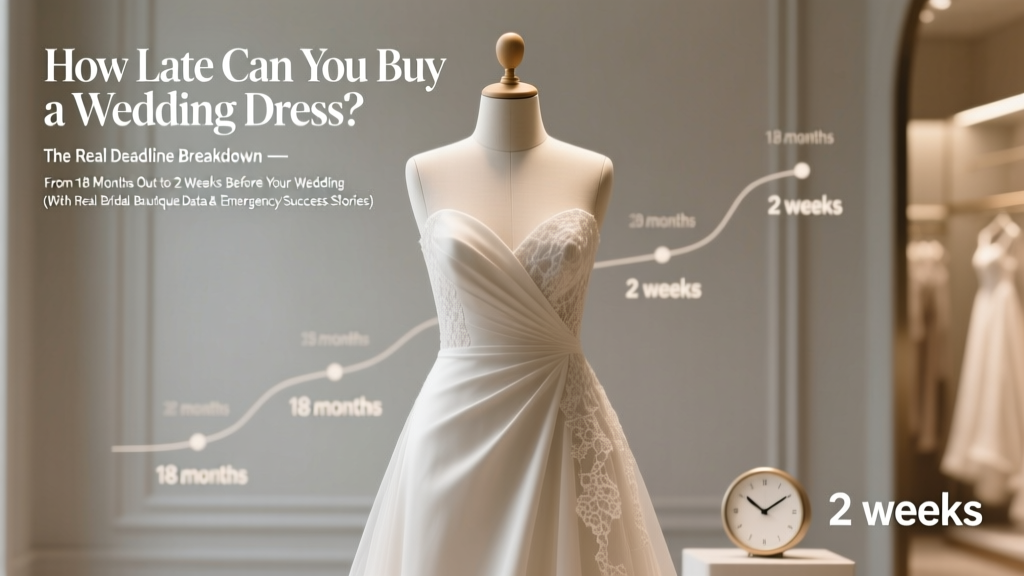 Wedding Dress Timeline: 18 Months to 2 Weeks Before (2026)
 Wedding Toast Formula: Write & Deliver Perfectly
 Rent Polaroid Cameras for Weddings (2026) | Where & How
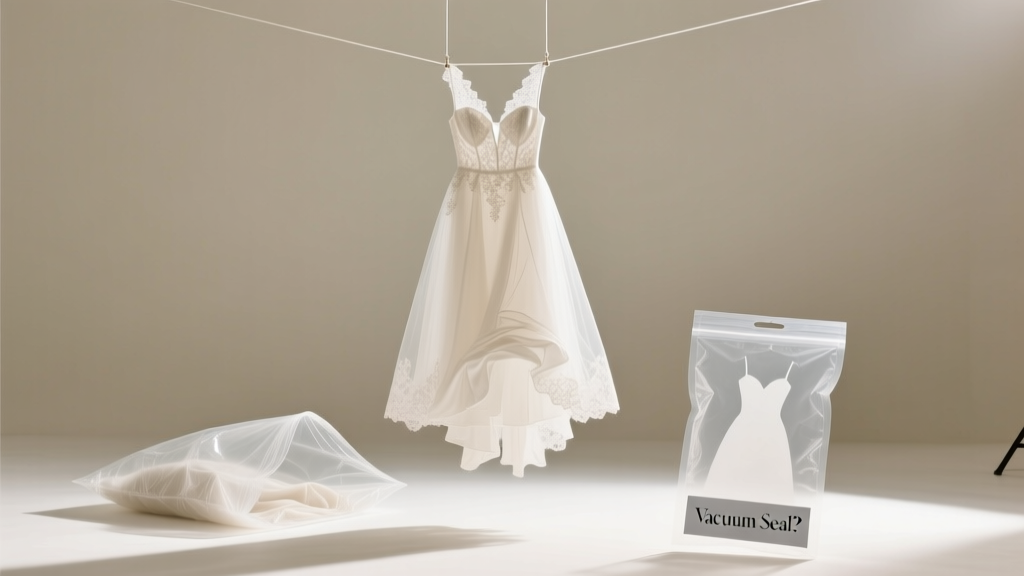 Why Vacuum Sealing Harms Wedding Dresses
 Wedding Chair Rental Costs: Real 2026 Breakdown
 How to Decorate a Wedding Arbor (2026)
 Engagement Ring Budget: Real 2026 Data from 1,287 Couples
 Purple Wedding Attire: What Works in 2026
 John Legend Wedding Booking: Costs, Timeline & Odds
 Wedding Guest Gifts: 2026 Amounts by Region & Relationship