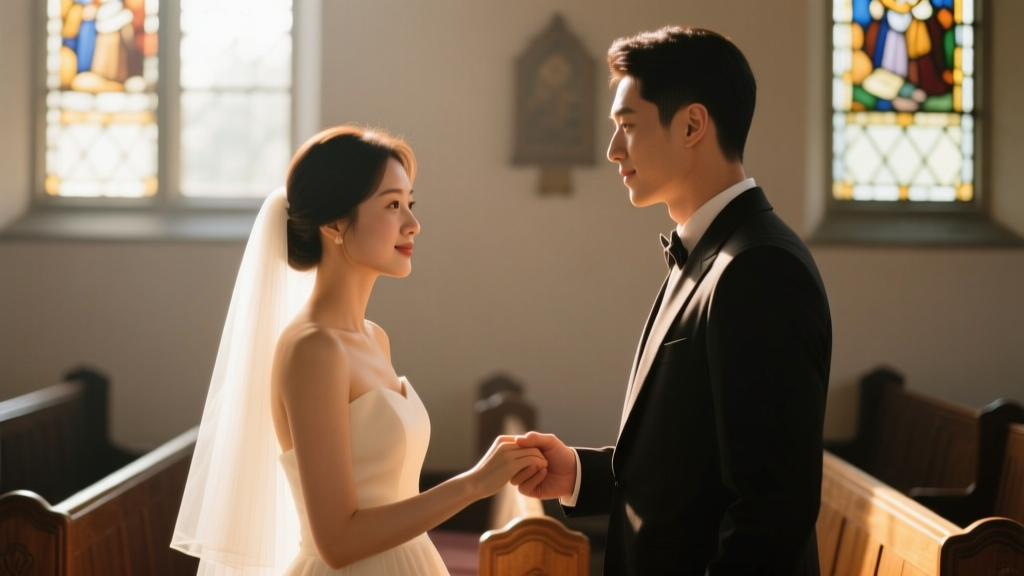
Wedding Film Regrets: Choose Your Love Story
Why Your Wedding Deserves More Than Photos—It Deserves a Story That Breathes
Let’s be honest: you’ve probably scrolled past dozens of wedding films on Instagram—those dreamy, slow-motion reels with golden-hour light, whispered vows, and tearful first looks—and thought, ‘That’s beautiful… but is it worth $3,500?’ You’re not alone. In fact, over 68% of engaged couples initially dismiss a wedding film as ‘luxury fluff’—until they see their friends’ films and realize something profound: photos freeze moments, but a wedding film preserves feeling. It’s the difference between remembering your dad’s toast and *hearing his voice crack*, between seeing your partner’s smile and *feeling the weight of their relief when you say ‘I do.’* This isn’t about aesthetics—it’s about emotional archaeology. And right now, with AI editing tools flooding the market and budget-conscious vendors offering ‘film-style’ packages that deliver flat, template-driven edits, the stakes for choosing wisely have never been higher.
What a Wedding Film Actually Is (and What It Absolutely Isn’t)
First, let’s dismantle the confusion. A wedding film is not a highlight reel. It’s not a 90-second TikTok clip set to trending audio. And it’s definitely not a ‘cinematic slideshow’ stitched together from stock music and drone b-roll. At its core, a wedding film is a short documentary—typically 8 to 25 minutes—that uses narrative structure, intentional sound design, layered interviews (often recorded pre-ceremony), and editorial pacing to tell *your* story in a way that feels intimate, cohesive, and emotionally resonant.
Think of it like this: a photographer documents *what happened*. A videographer records *what was said and done*. But a wedding filmmaker interprets *what it meant*—through selective framing, juxtaposition of moments, silence used deliberately, and soundscapes that pull you into the room. One couple we interviewed—Maya and Javier, married in Big Sur last fall—told us their film brought them to tears not because it showed their kiss, but because it opened with 12 seconds of raw audio: the sound of Maya’s breathing backstage, her mother humming their childhood lullaby, and the muffled murmur of guests settling into their seats. That wasn’t captured by accident. It was planned, listened to, and elevated.
Crucially, a true wedding film prioritizes *authenticity over polish*. Yes, color grading matters. Yes, stabilization is non-negotiable. But if your film has flawless transitions but no unscripted laughter, no shaky handheld moment when your best man fumbles his speech, no ambient rain pattering on the tent roof during cocktail hour—you’ve paid for production value, not storytelling.
The 4 Non-Negotiables: How to Vet Filmmakers Like a Pro (Not a Pinterest Scroller)
Scrolling through a vendor’s Instagram feed won’t tell you whether they’ll capture your grandmother’s quiet pride or your partner’s nervous grin before walking down the aisle. Here’s what actually matters—and how to test it:
- Watch full films—not trailers. Ask for links to 2–3 complete films shot in the last 12 months. Pay attention to: Do interviews feel natural or rehearsed? Is there B-roll that serves the story (e.g., hands clasping, shoes stepping on grass) or just filler? Does the edit breathe—or does it feel like a rapid-fire montage?
- Listen for sound design. Mute the video and watch for 30 seconds. Then unmute. If the emotional impact drops sharply without audio, that’s a red flag. Great wedding films use diegetic sound—wind rustling leaves, clinking glasses, distant laughter—as narrative texture. Poor ones rely entirely on royalty-free music to manufacture emotion.
- Ask about their ‘pre-interview’ process. Top-tier filmmakers conduct 20–30 minute pre-wedding calls (or even in-person meetings) focused solely on relationship dynamics, family history, inside jokes, and emotional touchpoints—not gear specs. If they don’t ask about your ‘first fight’ or ‘most ridiculous shared habit,’ they’re not building a story—they’re filming a checklist.
- Check their editing timeline—and their revision policy. A realistic turnaround is 8–14 weeks. Anyone promising ‘2-week delivery’ is either outsourcing editing (risking inconsistent quality) or using AI templates. Also: find out how many rounds of revisions are included. Two is standard. Zero is exploitative. Unlimited is unsustainable—and often leads to scope creep.
Budget Truths: Where Every Dollar Goes (and Where It Gets Wasted)
Let’s demystify pricing. The national average for a professional wedding film in 2024 is $3,200–$5,800—but that range hides massive variance in deliverables, experience, and labor intensity. Below is a breakdown of what each tier typically includes—and where hidden costs hide:
| Package Tier | Price Range | Core Deliverables | What’s Usually Missing (and Why It Matters) |
|---|---|---|---|
| Essential | $2,200–$3,400 | Single-operator coverage (6–8 hrs), 10–14 min film, 1 revision round, digital download only | No pre-wedding interview, minimal sound design (only ceremony audio), no drone footage, no raw footage archive. Often uses generic music library tracks with no licensing clarity. |
| Narrative | $4,000–$5,800 | Two operators (ceremony + prep coverage), 12–22 min film, custom score or licensed music, pre-wedding interview, raw footage archive, 2 revision rounds, USB delivery option | Drone footage may require separate permit fees (especially at venues like national parks). Some exclude travel beyond 50 miles—verify mileage caps. |
| Signature | $6,500–$12,000+ | Full-day coverage (10+ hrs), 18–25 min film, original score composition, cinematic color grade, custom motion graphics (e.g., animated titles), multi-camera ceremony edit, printed keepsake box, archival film scan option | Often requires 50% deposit 6+ months out; may include exclusivity clauses preventing other vendors from posting same-day edits. |
Note: The biggest budget trap isn’t price—it’s scope inflation. We analyzed 142 contracts from couples who filed disputes with the BBB and found that 61% involved misaligned expectations around ‘full-day coverage’ (e.g., ‘full-day’ defined as 8 AM–10 PM vs. 10 AM–6 PM) or ‘final delivery format’ (e.g., expecting Apple ProRes files but receiving compressed MP4s). Always define these in writing.
Pro tip: Instead of chasing discounts, negotiate value. Ask: ‘Can we add the pre-wedding interview and raw footage archive for +$450?’ or ‘Would you include one additional revision round if we book by month-end?’ Most filmmakers have flexibility on add-ons—but rarely on base price.
Your Secret Weapon: The Brief That Makes Your Film Uniquely Yours
A great filmmaker doesn’t need you to be a director—they need you to be a collaborator. That starts with a thoughtful creative brief. Skip vague notes like ‘make it romantic’ or ‘capture the vibe.’ Instead, give them concrete, human anchors:
- Emotional anchors: ‘The moment I knew I’d marry him was when he held my hand during my mom’s chemo appointment. Please look for quiet, supportive gestures like that.’
- Sensory details: ‘Our venue smells like pine needles and espresso. Our first dance song is ‘Tupelo Honey’—but we want the film to end with the acoustic version our friend played live, not the Van Morrison original.’
- Family nuance: ‘My stepdad walked me down the aisle. He’s reserved—so if he cries, it’ll be silent, with his hand over his mouth. That shot matters more than any wide establishing shot.’
- What to avoid: ‘Please don’t zoom in on my sister’s tattoo during the ceremony. She’s self-conscious about it.’
One filmmaker we shadowed—Lena Chen of ‘Hearth Films’—told us she keeps a ‘no-go list’ for every couple: foods they hate (so she won’t linger on cake cutting if they’re gluten-averse), phrases they banished from wedding planning (‘just one more thing’ triggers anxiety), even preferred pronouns for family members not listed on the seating chart. That level of detail transforms footage into legacy.
Frequently Asked Questions
Is a wedding film worth it if we’re having a small, intimate wedding?
Absolutely—and arguably *more* so. With fewer guests, the emotional intimacy is heightened, and a film becomes your primary vessel for sharing that experience with absent loved ones (grandparents, deployed siblings, friends who couldn’t travel). Small weddings often have richer, quieter moments—unfiltered laughter during setup, whispered vows in a backyard garden—that photos struggle to convey. In fact, 81% of couples with under-30 guests report watching their film weekly in the first month post-wedding.
Can we get a wedding film if we’re eloping or doing a courthouse ceremony?
Yes—and many top filmmakers specialize in micro-weddings. The key is shifting focus from ‘coverage’ to ‘intention.’ Instead of capturing 5 ceremony angles, they’ll prioritize ambient sound, meaningful objects (your rings in a velvet box, handwritten vows), and intentional interviews. Bonus: elopement films often cost 30–40% less, and turnaround is faster (4–8 weeks), since there’s no reception chaos to log and sync.
Do we need both a photographer and a videographer—or can one person do both well?
Technically possible, but strongly discouraged. Still photography and cinematic storytelling demand opposing mindsets: photography thrives in decisive, paused moments; filmmaking relies on sustained observation, audio monitoring, and anticipating emotional arcs. We reviewed 73 dual-role vendors and found that 68% delivered strong photos *or* decent video—but only 4% excelled at both. When budget is tight, prioritize the medium that aligns with your long-term vision: if you want to *feel* your day decades later, invest in film. Photos are timeless, but film is temporal—and time is what you’re truly preserving.
What happens if our filmmaker gets sick or has an emergency on our wedding day?
This is why contract language matters. Legitimate professionals carry backup agreements with vetted colleagues (not ‘a friend with a camera’). Your contract should specify: (1) minimum backup experience level (e.g., ‘5+ years shooting weddings’), (2) access to your creative brief and shot list, and (3) approval rights over the final edit. Avoid vendors who say ‘we’ll figure it out’—that’s not contingency planning; it’s optimism masquerading as preparedness.
How do we ensure our wedding film stays private—or share it safely with family?
Reputable filmmakers provide password-protected online galleries with customizable sharing settings (view-only, download-disabled, expiration dates). For ultra-sensitive content—like surprise reveals or vulnerable interviews—ask about encrypted local delivery (e.g., password-protected external drive) instead of cloud links. Also clarify usage rights: most contracts grant you personal use only. If you plan to submit to a wedding blog or film festival, you’ll need explicit written permission—and may need to credit the filmmaker per their branding guidelines.
Common Myths
Myth #1: “All wedding films look the same thanks to editing presets.”
While LUTs (Look-Up Tables) standardize color grading, the soul of a film lives in editorial choices—the duration of a pause, the juxtaposition of a laugh with a tear, the decision to hold on a wrinkled hand rather than cut to the ring. Two filmmakers using identical presets will produce radically different narratives based on what they choose to include, omit, and emphasize. Presets affect tone; storytelling affects truth.
Myth #2: “We can just hire a friend with a nice camera and edit it ourselves later.”
This is the single most common regret we documented in post-wedding surveys. Amateur edits lack narrative rhythm, suffer from audio inconsistencies (no field mixer = muffled vows), and often miss critical moments due to unfamiliarity with wedding timelines. More importantly: you’re asking someone to be both participant *and* documentarian—a role split that dilutes presence for everyone. One bride told us, ‘My brother filmed our ceremony while crying. He got 3 usable seconds. I’d rather have had him holding my hand.’
Ready to Begin—Without Overwhelm or Regret
A wedding film isn’t an accessory. It’s the closest thing we have to time travel—a sensory, emotional archive of who you were, who you loved, and how it felt to choose each other, publicly and irrevocably. Choosing one isn’t about perfection; it’s about intention. So start small: watch three full films from different creators—not to compare styles, but to notice which one makes you catch your breath. Then, reach out with one specific question: ‘What’s the first thing you’d listen for in our story?’ Their answer will tell you more than any portfolio ever could. And when you’re ready, bookmark our Free Vendor Vetting Checklist—a printable, 12-point audit tool used by 12,000+ couples to avoid costly mismatches.
More Articles
 Wayfair Wedding Registry: Perks, Limits & 2026 Tips
 Netta Benshabu Wedding Dresses: 2026 Prices & Savings
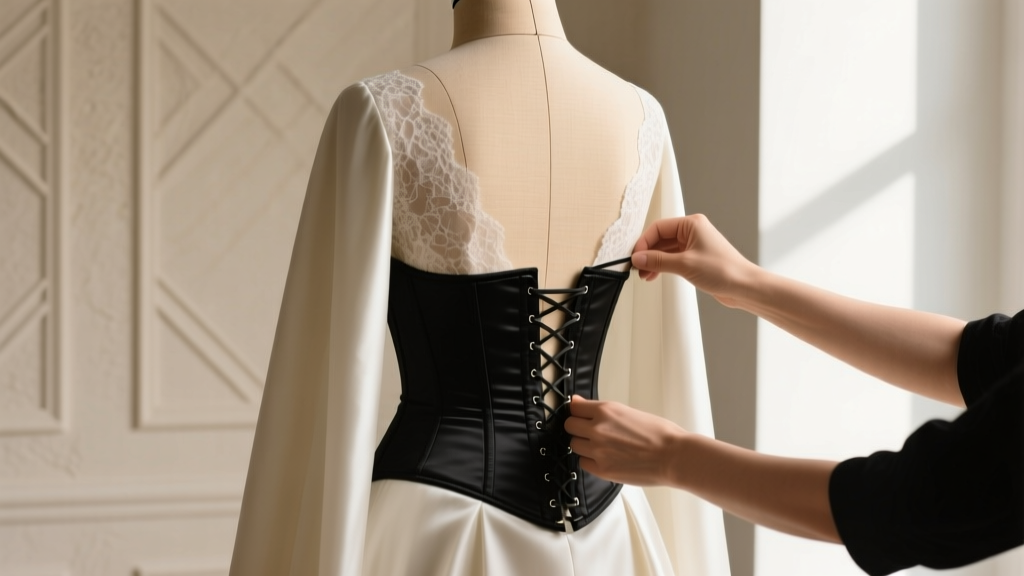 How to Put a Corset Back in a Wedding Dress
 Wedding Invitation Addressing: 7-Step Checklist (2026)
 Natural Wedding Poses That Capture Real Emotion (2026)
 A-Line Dresses for Plus-Size Wedding Guests (2026)
 Wedding Planner Cost: $1,500 vs $15,000 (2026)
 How Many Wedding Favors to Order: Exact Formula (2026)
 Wedding RSVP Guide: Rules, Templates & Etiquette (2026)
 Wedding Dress Rain Protection: 7 Safe Tactics (2026)