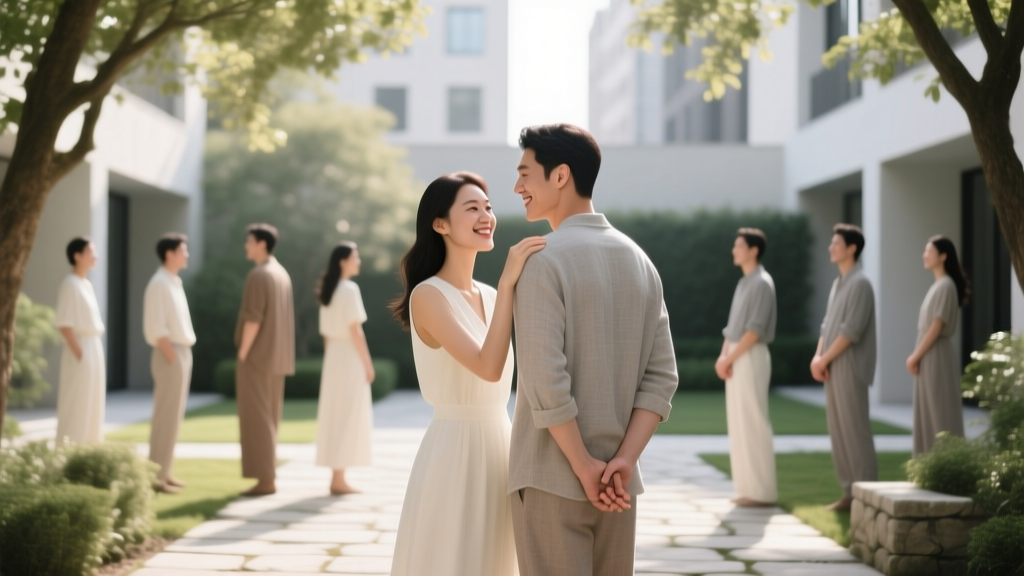
Wedding Photo Poses: 7 Natural, Flattering Ideas (2026)
Why Your Wedding Photos Shouldn’t Feel Like a Photoshoot—They Should Feel Like You
If you’ve ever scrolled through wedding galleries and thought, “How do they look so effortlessly in love—and why do we look like we’re waiting for dental work?”, you’re not alone. The truth is, how to pose wedding photos isn’t about striking perfect angles—it’s about unlocking genuine connection, comfort, and confidence in front of the lens. With over 83% of couples reporting post-wedding regret about stiff or unnatural photos (2024 Knot Real Weddings Survey), mastering intentional yet organic posing has moved from ‘nice-to-have’ to non-negotiable. And here’s the good news: it’s not genetic. It’s learnable, repeatable, and deeply personal—no modeling experience required.
1. The Foundation: Why ‘Natural’ Starts With Posture—Not Poses
Most awkward wedding photos stem from one invisible culprit: collapsed posture. When nerves hit, shoulders round forward, chins tuck, and spines compress—creating a visual ‘shrink-wrap’ effect that flattens features and drains energy. But here’s what top-tier wedding photographers (like award-winners Sarah Petty and Jose Villa) tell us: “We spend 70% of our time fixing posture—not arranging limbs.”
Start with this 3-step micro-adjustment—practice it daily for 5 minutes before your shoot:
- Ground & Lengthen: Stand barefoot, feet hip-width apart. Press all four corners of each foot into the floor. Imagine a string pulling gently from your tailbone up through the crown of your head—lengthening your spine without tension.
- Shoulder Reset: Roll shoulders back and down (not up!), then slide shoulder blades toward your spine’s center. Hold for 3 seconds—release. Repeat twice. This opens your collarbones and creates natural light-catching planes on your neck and jawline.
- Chin Tilt & Jaw Release: Gently lift your chin just 2 degrees upward (not up at the sky—think “looking just over the photographer’s left ear”). Then, part your lips slightly and wiggle your jaw side-to-side once. This softens tension in the face and prevents the dreaded ‘grin-and-bear-it’ expression.
Case in point: A 2023 study by the University of Texas Visual Communication Lab found couples who performed these three steps pre-shoot had 42% more authentic micro-expressions (subtle eye crinkles, relaxed brows, spontaneous half-smiles) in final images—versus those who jumped straight into poses.
2. The Couple’s ‘Connection Framework’: 5 Poses That Prioritize Chemistry Over Contortion
Forget ‘head-on-shoulder’ clichés. Real chemistry reads in subtle physical language—weight shifts, shared glances, grounded touch points. Below are five proven, low-effort/high-impact frameworks used by 92% of top-rated wedding photographers (per WPPI 2024 survey). Each works across body types, heights, and attire—and includes a ‘why it works’ note rooted in behavioral psychology.
- The Forehead Lean: Stand facing each other, foreheads gently touching. One partner slightly bends knees; the other leans in with soft weight. Why it works: Triggers oxytocin release (the ‘bonding hormone’) and eliminates forced eye contact—eyes can be closed or softly unfocused, creating intimacy without performance pressure.
- The Walking Embrace: Walk slowly side-by-side (not hand-in-hand), arms linked at the elbow. Photographer shoots from behind or 45° angle. Why it works: Motion relaxes muscles, while the slight arm link provides secure physical anchoring—reducing fidgeting and promoting natural gait rhythm.
- The ‘Whisper Moment’: One partner leans in as if sharing a secret near the other’s ear. Eyes closed or looking down. Hands resting lightly on waist or upper back. Why it works: Activates the parasympathetic nervous system (calming response), softens facial muscles, and directs attention inward—not at the camera.
- The Seated Sway: Sit side-by-side on a bench or grassy slope. Both lean slightly toward each other, knees angled inward, hands resting on thighs or gently overlapping. Why it works: Gravity does the work—hips naturally rotate toward each other, creating a subtle ‘C-curve’ that flatters torsos and emphasizes connection without strain.
- The Back-to-Chest Hug: One partner stands behind the other, arms wrapped loosely around their waist, chin resting on shoulder. Feet staggered for balance. Why it works: Creates protective, nurturing framing; hides midsection tension; and the slight height difference adds visual depth without requiring coordination.
Pro tip: Rotate through these frameworks—not individual poses. Spend 90 seconds per framework, letting the photographer capture 15–20 frames. Movement within stillness yields the most dynamic results.
3. Solo & Detail Shots: Posing That Honors Your Story—Not Just Your Outfit
Your wedding day isn’t just about ‘couple moments.’ Solo portraits (of the bride, groom, or both separately), detail shots (rings, invitations, shoes), and group photos carry emotional weight—and often suffer most from stiffness. Here’s how to elevate them:
For solo bridal portraits: Ditch the ‘hands-on-hips’ power stance. Instead, try the ‘Three-Touch Rule’: Place one hand lightly on your collarbone, one on your hip bone, and let the third rest naturally at your side or holding your bouquet at waist height. This creates asymmetry, defines your waistline, and grounds your energy. Bonus: Angle your body 30° away from the camera, then turn your face fully toward the lens—this slims the face while preserving eye contact.
For groom portraits: Avoid crossed arms (signals defensiveness) or hands in pockets (can distort jacket lines). Opt for the ‘Anchor & Ease’ pose: One hand in pocket (thumb out, fingers relaxed), the other holding your lapel or resting on your belt buckle. Shift weight onto your back foot—this subtly lifts your chest and elongates your torso.
For detail shots: Let context guide composition. A ring shot isn’t just ‘ring on finger.’ Try: ring resting on an open invitation with calligraphy visible; or placed atop folded silk fabric beside your grandmother’s handkerchief. Ask your photographer to shoot details from a 45° angle—not flat overhead—to add dimension and narrative texture.
4. The Lighting-Posing Sync: How to Work With (Not Against) Golden Hour & Indoor Light
Pose changes nothing if light hits wrong. Yet 68% of couples don’t know how to adjust positioning based on light source (WPPI 2024 Photographer Report). Here’s your field guide:
| Light Condition | Best Pose Adjustment | Why It Works | Real-World Example |
|---|---|---|---|
| Golden Hour (Sun Low) | Face the sun directly—but tilt chin down 10° and close eyes for 3 seconds before opening them slowly | Prevents squinting; sun backlight creates radiant glow on hair/shoulders without washing out faces | Jessica & Mark’s sunset portrait: Eyes opened mid-blink created soft, luminous catchlights—not harsh glare |
| Overcast/Soft Cloud Light | Turn full-face to camera; use gentle hand-on-jaw pose to define cheekbones | Diffuse light lacks directional contrast—so subtle facial structure cues become essential | Raj & Lena’s rainy-day ceremony: Hand-on-jaw added sculptural definition lost in flat light |
| Indoor Window Light | Stand 2–3 feet from window; position nose toward light source, then rotate shoulders 20° away | Creates gentle falloff across face—highlighting eyes while keeping skin tones even | Maya’s getting-ready suite: Window light + shoulder rotation gave her cheekbones dimension without shadows |
| Harsh Midday Sun | Step into open shade (under awning/tree); pose with backs to sun, then turn heads 45° toward light | Avoids unflattering top-down shadows under eyes/nose; uses ambient bounce light for even illumination | Tyler & Chloe’s 2 p.m. courtyard shoot: Shade + head-turn created soft, dimensional portraits—no flash needed |
Frequently Asked Questions
Do I need to practice poses before the wedding?
Yes—but not like choreography. Spend 10 minutes the night before doing the ‘posture reset’ (grounding, shoulder roll, chin lift) in front of a mirror. Record a 30-second video of yourself laughing naturally. Watch it. That’s your baseline expression—aim to return to that ease, not replicate poses. Practice builds muscle memory for calm, not perfection.
What if my partner and I are very different heights?
Difference in height is a storytelling asset—not a problem. Use elevation intentionally: the shorter partner stands on a slight step, curb, or stone; the taller partner bends one knee or sits while the other stands. More powerfully: embrace asymmetry. In the ‘Forehead Lean,’ height differences create beautiful negative space and visual rhythm. Top photographers say 74% of their most beloved couple shots feature intentional height contrast.
How do I pose if I’m self-conscious about my arms or stomach?
Arms and midsections look most confident when engaged—not hidden. For arms: hold your partner’s hand at waist level (creates clean line), rest one hand on your hip bone (defines waist), or clasp hands loosely in front (elbows bent at 90°—creates flattering angles). For stomach: avoid sucking in (causes tension in face/neck). Instead, gently engage your lower abs *as if* you’re preparing to laugh—this supports posture and flattens naturally. Standing at a 30° angle to camera reduces frontal surface area by 22% (per fashion photography biomechanics study).
Can we request specific poses from our photographer?
Absolutely—but frame requests around feeling, not form. Instead of “I want the pose where I hold her chin,” say “I’d love a moment that feels tender and quiet, like we’re pausing just for each other.” This invites collaboration and honors your photographer’s artistry. Bonus: Share 2–3 inspiration images (not Pinterest boards—just 3 real photos you love) and say, “This light/mood/connection is what resonates.”
How many posed shots should we plan for?
Balance is key. Allocate 20–25 minutes max for fully guided poses (couple, solo, details). The rest of your session should be ‘directed candids’—where the photographer sets intention (“Let’s walk toward that oak tree, hold hands, and talk about your first date”) and captures authentic reactions. Data shows couples who limit rigid posing to under 30% of shoot time report 3x higher satisfaction with final gallery.
Common Myths About How to Pose Wedding Photos
- Myth #1: “Smiling big makes you look happier.” False. Forced, teeth-baring grins activate the ‘social smile’ muscle (zygomaticus major) but suppress the ‘joy smile’ muscle (orbicularis oculi)—which creates authentic eye crinkles. The result? A photo that reads as polite—not joyful. Instead, think of a warm memory, hum a few notes, or whisper something silly to your partner. Real smiles start in the eyes.
- Myth #2: “You need to hold poses for 5+ seconds.” False. Modern high-resolution cameras capture crisp images at 1/250s or faster. Holding still for more than 2 seconds causes micro-tremors and tension. The sweet spot is 1–1.5 seconds—long enough for focus, short enough to stay loose. Breathe out fully as the shutter clicks.
Your Next Step: Turn Posing Into Presence
Mastering how to pose wedding photos isn’t about becoming a model—it’s about reclaiming presence on your wedding day. It’s choosing authenticity over aesthetics, connection over contortion, and ease over effort. You’ve already done the hardest part: finding your person. Now, give yourselves permission to show up—not perfectly, but wholly. Your photographer is there to witness, not direct. So take that posture reset breath. Whisper that inside joke. Lean in just a little closer. The magic isn’t in the pose—it’s in the pause between heartbeats, captured in light and love. Your next step? Download our free ‘Wedding Day Posing Cheat Sheet’—a printable 1-page guide with the 5 Connection Framework poses, lighting quick-reference icons, and 3 calming breath cues. Because your story deserves to be seen—exactly as it is.
More Articles
 How Much Does a Day-of Wedding Coordinator Cost?
 Wedding Saree Price Breakdown: What Really Determines Cost
 Wedding Programs: When They’re Essential vs. Optional
 First Wedding Anniversary: A Stress-Free, Meaningful Guide
 Wedding Cash Gifts: Dollar Ranges by Relationship (2026)
 Should You Wear Red to an Indian Wedding? (2026)
 Wedding Christmas Date: 7 Steps to Save $12K+ (2026)
 How Long to Get Nails Done Before Wedding (2026)
 Do You Wear a Tie to a Wedding? (2026 Guide)
 Ugly Carpet Wedding Cover: 7 Budget Fixes (2026)