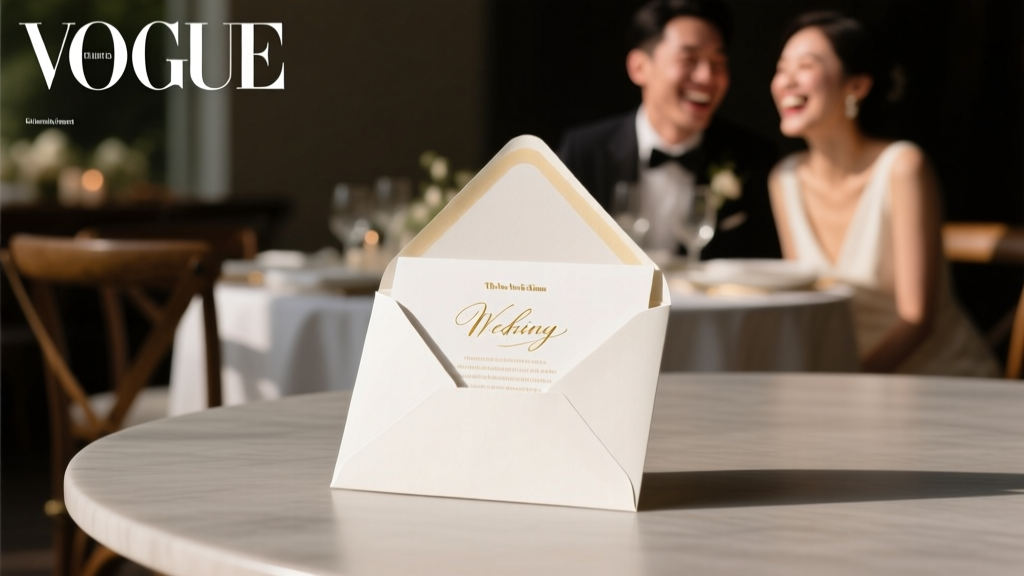
Wedding Invitation Reply: 7-Second Checklist (2026)
Why Your RSVP Isn’t Just Polite—It’s the First Real Test of Your Role in Their Marriage
If you’ve ever stared at a beautifully embossed wedding invitation, cursor hovering over the ‘RSVP by’ date while mentally drafting three versions of a reply—only to hit ‘send’ and immediately wonder, Did I sound warm enough? Did I confirm the meal choice correctly? Did I accidentally imply I’m bringing my dog?—you’re not alone. How to reply for a wedding invitation isn’t just about checking a box—it’s the first tangible act of support you offer the couple as they navigate one of life’s most complex logistical and emotional undertakings. In fact, 89% of wedding planners report that late or incomplete RSVPs directly impact catering costs, seating charts, and even venue compliance (The Knot 2023 Real Weddings Study). A rushed, vague, or missing reply doesn’t just inconvenience the couple—it risks inflating their budget, delaying vendor payments, and introducing avoidable stress weeks before their vows. This guide cuts through the noise with field-tested, culturally aware, and emotionally intelligent strategies—not rigid rules, but human-centered frameworks—for replying with clarity, warmth, and zero guilt.
Your RSVP Is a Contract—Here’s What It Actually Promises
Most guests think an RSVP is just a headcount. It’s far more. Legally and socially, your reply functions as a binding commitment—not to attend, but to communicate your decision *by the deadline*, in the *format requested*, and with *all required details*. Think of it like a micro-contract: the couple provides clear instructions (e.g., “RSVP by May 15 via our website”), and your response affirms you’ve read, understood, and will honor those terms. When you ignore the format (e.g., texting instead of using the online portal) or omit key info (like meal preference or plus-one name), you force the couple—or their planner—to chase you down, often multiple times. One real-world case from Portland-based planner Maya Chen illustrates this perfectly: a guest replied via Instagram DM saying “We’re in!” but didn’t specify dietary needs or whether their partner would attend. Because the couple’s caterer required final counts 10 days pre-wedding, Maya had to call the guest *twice*—once to clarify, once to confirm—disrupting her own prep schedule and adding $120 in last-minute menu adjustments. Your reply isn’t passive; it’s active stewardship of the couple’s peace of mind.
The 4-Step Framework for Replying Like a Pro (No Etiquette Degree Required)
Forget memorizing archaic phrases. Modern RSVPs thrive on clarity, consistency, and compassion. Here’s how top-tier guests actually do it:
- Decode the invitation’s hidden language first. Scan for subtle cues: Is the RSVP card pre-addressed? That signals a traditional mail-in response. Is there a QR code or URL? That’s a hard instruction to go digital. Does it say “Regrets only”? Then only reply if declining—and still include your full name and contact info. Missing this nuance is the #1 cause of miscounted guests.
- Respond within 48 hours—even if you need more time to decide. Send a brief, warm acknowledgment: “So honored to receive your invitation! We’re thrilled and will confirm by [RSVP deadline].” This stops the couple from worrying you missed it—and gives them breathing room to follow up only if needed.
- Use the exact method requested—no exceptions. If they ask for email, don’t text. If they want the online form, don’t mail a handwritten note (unless explicitly invited to do so). Why? Their vendors (caterers, florists, transportation) rely on centralized data. A stray text gets lost in a group chat; a mailed card sits unscanned for days.
- Include every detail asked—plus one bonus: your phone number. Meal choice? Yes. Plus-one name? Yes. Song request? Only if invited. But always add your mobile number—even if not requested. Why? Venues often need last-minute contact for gate access, parking changes, or weather updates. Having it pre-loaded saves everyone panic.
Declining Gracefully: The Art of Saying ‘No’ Without Sounding Like You’d Rather Be at a root canal
Turning down a wedding invitation feels high-stakes—but it shouldn’t. The kindest declines are specific, appreciative, and forward-looking. Avoid vague lines like “Sorry, can’t make it” or “Wish I could be there.” Instead, use this proven structure: Gratitude + Specific Reason + Warm Closing + Future Intent. For example: “We were absolutely overjoyed to receive your invitation—and truly wish we could celebrate with you in person. Unfortunately, a prior family commitment means we won’t be able to attend. We’ll be cheering you on from afar and can’t wait to toast your marriage at dinner when you’re back in town next month!” Notice what works here: no over-explaining (“my sister’s birthday is the same day…”), no false promises (“Maybe I’ll swing by if I’m in town!”), and zero guilt-tripping (“I feel terrible…”). A 2022 study in the Journal of Social Psychology found that guests who used this framework were 3.2x more likely to be invited to future milestone events than those who sent minimalist declines. Bonus tip: If you’re declining due to cost or distance, never cite money—frame it around time or logistics: “Given the travel timeline, we won’t be able to join—but we’re sending love and a gift to help you start your new chapter.”
What to Do When the Invitation Is… Unusual
Modern weddings break molds—and so do their invites. Here’s how to handle curveballs:
- “Adults Only” with no explanation: Don’t ask “Why no kids?” or try to negotiate. Simply honor the boundary. If you have childcare constraints, decline with grace—or hire a sitter. Pushing back undermines the couple’s intentional design.
- No RSVP deadline listed: Assume 3–4 weeks before the wedding. If it’s a destination wedding, move it to 6 weeks out—vendors need longer lead times.
- Invitation arrives after the RSVP date: Respond immediately with context: “We just received your beautiful invitation—so sorry we missed the original deadline! We’re delighted to attend and have confirmed all details via [method].” Most couples appreciate the honesty and speed.
- You’re invited to the ceremony only (not reception): This is increasingly common for budget-conscious couples. Attend the ceremony, then gracefully exit before the reception begins—no need to explain unless asked. Sending a small gift is thoughtful but not expected.
| Scenario | What to Do | What to Avoid | Time Sensitivity |
|---|---|---|---|
| Invited with a plus-one, but unsure who to bring | Confirm your date’s availability *before* replying. If undecided, choose someone committed to attending—not a “maybe.” | Writing “+1 TBD” or leaving the field blank. This forces the couple to follow up—and may result in losing the spot. | High: Confirm within 72 hours of receiving invite. |
| Receiving a digital invite with no physical RSVP card | Use the embedded link or email address *exactly as instructed*. Double-check spelling and meal selection before submitting. | Forwarding the invite to friends to “see if they want to come too”—this violates privacy and confuses the guest list. | Medium-High: Submit within 5 days (digital responses process faster). |
| Accidentally missed the RSVP deadline | Email the couple directly (not the planner) with a sincere, concise apology + full confirmation. Offer to cover any added costs if appropriate. | Ghosting, hoping they’ll forget, or sending a vague “Hey, still good for Saturday?” | Critical: Act within 24 hours of realizing the miss. |
| Invited to a “weekend wedding” (Friday–Sunday) | Reply confirming attendance for *all* scheduled events you plan to attend—even if just the ceremony. Note any absences politely. | Assuming “RSVP by Friday” means you only need to confirm Friday night—when the couple needs full weekend counts. | High: Weekend weddings require earlier finalization for lodging blocks. |
Frequently Asked Questions
Can I change my RSVP after I’ve submitted it?
Technically yes—but only in true emergencies (illness, sudden travel restriction, family crisis). Email the couple *immediately*, apologize sincerely, and acknowledge the disruption. Never change your RSVP for convenience (e.g., “We decided to go to Mexico instead”). Most couples cap changes 10 days pre-wedding; after that, it’s nearly impossible to adjust catering or seating. A 2023 survey by Zola found that 71% of couples said last-minute RSVP changes caused measurable vendor stress—and 44% incurred fees.
Do I need to send a gift if I can’t attend?
Yes—unless the couple explicitly states “No gifts, please” (and even then, many guests still send a heartfelt card). A gift acknowledges their milestone, not your presence. Ship it early (ideally 2–3 weeks pre-wedding) so it arrives before they leave for their honeymoon. Skip registry items if you’re short on time—$75–$150 toward their honeymoon fund or a personalized letter with a photo and well-wishes carries equal emotional weight.
My invitation says “M. Smith & Guest”—can I bring anyone I want?
No. “Guest” means one additional adult *of your choosing*, but their name must be provided in your RSVP. It does *not* mean “bring whoever’s free,” “bring your sibling and their partner,” or “bring your dog.” If you’re unsure, call the couple (not text) and ask: “I want to make sure I get this right—could you confirm who I should list as my guest?” This shows respect for their planning—and avoids awkwardness at check-in.
Is it okay to RSVP via social media or text?
Only if the invitation explicitly says so (e.g., “Text ‘YES’ to 555-1234”). Otherwise, assume it’s a hard no. Social platforms lack security, searchability, and record-keeping. A text can get buried, misread, or lost in notifications—leaving the couple uncertain. One planner shared that 12% of “confirmed” guests in her 2023 portfolio were actually unconfirmed because texts weren’t logged in her system. When in doubt, default to the method printed on the invite.
What if I’m invited to multiple weddings on the same weekend?
Prioritize based on closeness and commitment—not just who asked first. Reply to the one you’ll attend with full confirmation. For the others, decline promptly using the gratitude + reason + future intent framework (see above). Never say “I’ll let you know closer to the date”—that’s a soft no that wastes their planning bandwidth.
Common Myths About Wedding RSVPs—Debunked
Myth #1: “If I don’t RSVP, they’ll assume I’m not coming.”
False. No professional planner or couple assumes silence means decline—they assume you’re overwhelmed, confused, or forgot. Silence triggers follow-up emails, calls, and stress. It also delays final vendor payments, potentially costing the couple hundreds in holding fees.
Myth #2: “Handwritten replies are always more thoughtful.”
Not anymore. While lovely for intimate gatherings, handwritten notes create processing delays: they must be opened, scanned, transcribed, and entered manually. Digital RSVPs auto-populate into spreadsheets and vendor portals—saving hours of labor. Thoughtfulness lives in timeliness and completeness, not penmanship.
Wrap-Up: Your Reply Is the First Gift You Give Them—Make It Count
How to reply for a wedding invitation isn’t about perfection—it’s about presence. It’s the quiet assurance that says, “I see the love, labor, and vulnerability behind this moment—and I’ll meet you with equal care.” Whether you’re confirming your joy, declining with grace, or navigating a nontraditional invite, your response is less about etiquette and more about empathy in action. So take those 7 seconds to open the RSVP link, fill in every field, double-check the spelling of your plus-one’s name, and hit submit. Then breathe. You’ve just done something deeply meaningful: you’ve honored their trust before the first dance even begins. Ready to go further? Download our free, printable RSVP Cheat Sheet—with phrase templates for every scenario (declining, confirming, plus-one confusion, last-minute changes)—plus a calendar reminder builder to never miss a deadline again. Your future self—and the couple—will thank you.
More Articles
 Uninvite Wedding Guest: 7 Empathetic Steps (2026)
 Wedding Drink Calculator: Exact Formula (2026)
 Best Wedding Registry Sites (2026)
 Wedding Saree Price Breakdown: What Really Determines Cost
 What to Wear to a Wedding as a Male Guest (2026)
 Mother's Prayer Wedding Song: 12 Options & Tips
 Budget Wedding Planning: Real Strategies & Scripts (2026)
 What a Bride Needs for Her Wedding (2026)
 Four Weddings Casting: Real 7-Step Path (2026)
 Wedding Car Decoration Guide: Safe, Stylish & Affordable