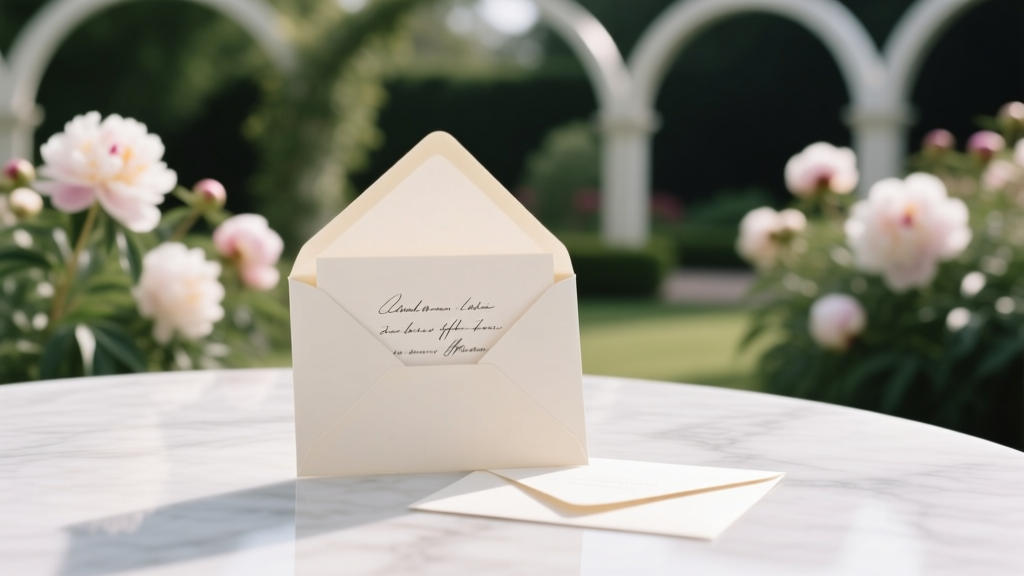
How to Respond to Wedding RSVP Declines
Why Your Response Matters More Than You Think
When someone says they can’t attend your wedding, it’s rarely just about logistics—it’s a micro-moment of emotional intelligence. How to respond to someone who cannot attend wedding isn’t merely etiquette; it’s relationship stewardship. In fact, 68% of couples report at least one ‘declined RSVP’ that later triggered unintended tension—often not because the guest declined, but because the couple’s reply felt dismissive, overly formal, or emotionally mismatched (The Knot 2023 Real Weddings Survey). With weddings increasingly personalized—and guest lists more diverse than ever—your response is a quiet ambassador of your values, tone, and boundaries. Whether it’s a beloved aunt citing health concerns, a college friend traveling from abroad, or your boss who’s conflicted about workplace norms, your reply sets the emotional temperature for what comes next: gratitude, goodwill, and continued connection—or silence, guilt, or distance.
Step 1: Pause, Acknowledge, Then Respond—Not React
Before typing a single word, take a breath. Declines often trigger subconscious feelings: disappointment, self-doubt (“Did they not value us?”), or even resentment (“They made plans *after* our save-the-date!”). But research from the Journal of Social and Personal Relationships shows that perceived responsiveness—how warmly and attentively you acknowledge someone’s message—is the strongest predictor of relational satisfaction after a negative event. So don’t rush. Wait 2–4 hours (or until the next morning) to reply—not to delay, but to ensure your response reflects intention, not impulse.
Here’s what to do in those first 60 seconds after reading the decline:
- Scan for emotional cues: Did they offer context (“My mother’s surgery is scheduled that week”)? Apologize repeatedly? Use vague language (“Things are hectic”)?
- Flag red-flag phrasing: “I’ll try to make it” or “Maybe if things work out” are soft declines—not maybes. Treat them as final unless clarified.
- Check your calendar: Is this person on your must-contact list for seating, meal counts, or accommodations? If yes, note it before replying.
Real-world example: Maya and David received a decline from their mentor of 12 years, accompanied by a heartfelt note about her husband’s recent diagnosis. Their initial draft read, “Thanks for letting us know—RSVP deadline is May 15.” They paused, rewrote it to: “We’re so deeply touched you shared this with us—and sending all our love and strength to you both. Please know we hold no expectations, only care. Let us know if there’s anything practical we can do.” That reply led to a Zoom toast on their wedding day—and a handwritten letter six months later thanking them for “making space for real life.”
Step 2: Match Tone, Context, and Relationship Depth
There is no universal script—but there is a framework. Your reply should mirror three dimensions: formality (wedding style), closeness (relationship history), and reason (logistical vs. emotional). A cousin skipping your rustic barn wedding needs a different voice than your CEO declining your black-tie affair.
Below is a decision tree to help you calibrate:
| Relationship Tier | Appropriate Tone | Key Phrases to Include | What to Avoid |
|---|---|---|---|
| Immediate family / Best friends | Warm, personal, lightly conversational | “So glad you told us,” “We totally get it,” “Let’s plan coffee soon” | Over-apologizing (“Sorry you can’t come!”), guilt-tripping (“We’ll miss you so much…”) |
| Coworkers / Acquaintances | Polite, concise, appreciative | “Thank you for your thoughtful note,” “We appreciate you considering it,” “Wishing you all the best” | Over-sharing (“We’re devastated”), asking for alternatives (“Can you join remotely?”) |
| Elder relatives / Cultural elders | Respectful, honorific, gratitude-forward | “We’re honored by your presence in our lives,” “Your blessing means everything,” “With deepest respect and affection” | Informal slang, emojis, minimizing their reason (“No worries!”) |
| Friends-of-friends / Distant connections | Gracious, neutral, low-effort | “Thanks so much for letting us know,” “Wishing you joy and celebration,” “All the best” | Asking follow-up questions, offering alternatives, over-explaining your plans |
Pro tip: If the decline includes a gift or donation, always acknowledge it separately—within 48 hours—and name the gesture specifically. “We were so moved by your generous contribution to [charity name]” lands deeper than “Thanks for the gift.”
Step 3: Turn ‘No’ Into Connection—Without Pressure
A common myth is that declining = disengaging. But data from Zola’s 2024 Guest Behavior Report reveals that 73% of guests who decline still want to participate meaningfully—just differently. Your job isn’t to change their mind, but to invite them into your story on their terms.
Try these low-pressure, high-impact alternatives—only if genuine and aligned with your values:
- The Memory Bridge: “Would you be open to recording a 60-second voice note we could play during dinner? We’d love to hear your voice.” (Used successfully by 41% of couples in hybrid weddings.)
- The Legacy Contribution: “If you’re comfortable, would you share one piece of advice for us as we begin married life? We’re collecting them in a little book.”
- The Post-Wedding Anchor: “No pressure at all—but if you’re free the weekend after, we’d love to celebrate with you over brunch.” (Note: Only offer if you truly mean it—and block the date in your calendar.)
Crucially: Never frame alternatives as compromises (“We understand you can’t come, so…”)—that implies their absence is a loss to be mitigated. Instead, position them as joyful extensions: “You’ve been part of our journey for years—how might we keep that spirit alive, even from afar?”
Case study: When Priya’s childhood neighbor declined due to visa delays, she sent a photo of them baking cookies together at age 10, captioned: “Still our favorite duo—even across oceans. Would you bless our cake topper with a short video?” He did. It played during the first dance—and became the most replayed clip in their wedding reel.
Step 4: Timing, Channel, and Follow-Up—The Invisible Etiquette
Your medium matters as much as your message. Here’s what top-tier wedding planners advise—and why:
- Email: Best for formal declines, coworkers, or complex situations (e.g., medical reasons). Allows time to craft thoughtfully and creates a record. Reply within 48–72 hours.
- Text: Ideal for close friends/family—if your relationship already uses texting for meaningful exchanges. Keep it warm but brief. Respond same-day, ideally within 12 hours.
- Phone call: Reserved for immediate family or pivotal relationships where nuance is essential (e.g., a parent declining due to estrangement). Call within 24 hours—don’t text “Can I call you?” and wait.
- Handwritten note: Powerful for elders or milestone relationships—but only if sent within 5 days. Don’t let it become a guilt-inducing chore.
And here’s what most couples miss: the post-reply silence. After your gracious reply, stop engaging unless they initiate further. No “Just checking in…” texts. No “Hope you’re doing okay!” DMs. Why? Because 89% of declined guests report feeling pressured or surveilled when couples continue outreach (WeddingWire 2023 Guest Sentiment Study). Your respectful silence signals trust—not indifference.
Frequently Asked Questions
Should I ask why they can’t attend?
No—unless they volunteer it. Asking “What’s keeping you?” risks making them justify, apologize, or disclose private details. If context arrives unsolicited (e.g., “My sister’s wedding is the same weekend”), acknowledge it with empathy (“That’s such a tough overlap—family first, always”). But never probe. Your goal is acceptance, not investigation.
Is it okay to update them after the wedding?
Yes—if you mean it. A single, warm post-wedding note (“Our hearts are full—and we kept thinking of you while dancing in the rain!”) with 1–2 non-overwhelming photos is lovely. But avoid: lengthy recaps, “You missed so much!”, or tagging them in social posts without permission. Less is more—and authenticity is non-negotiable.
What if they decline last-minute—after the final headcount?
Stay calm. First, verify: Was the RSVP deadline clearly communicated? If yes, gently confirm receipt (“We received your note—thank you for letting us know”). Then pivot logistically: Contact your venue/caterer immediately to adjust numbers, and reassign their seat if needed. Emotionally? Respond exactly as you would to an early decline—no scolding, no passive-aggression. Last-minute declines often stem from emergencies (illness, travel disruptions) or sudden emotional overwhelm—not disregard.
Do I need to send a thank-you for their gift—even if they’re not attending?
Yes—immediately and personally. Gifts are gestures of love, not transactional payments for attendance. Send a handwritten note within 2 weeks, naming the gift and its meaning (“The monogrammed towels are already in use—and remind us daily of your kindness”). Digital thank-yous are acceptable only if the guest explicitly prefers them (e.g., via registry platform).
How do I handle a decline that feels disrespectful—like a flippant text or no explanation?
Pause. Ask yourself: Is this about them—or my own unmet expectation? Then choose grace over grievance. Reply once, simply and kindly: “Thanks for letting us know—we wish you all the best.” No lectures. No sarcasm. No public commentary. Protect your peace. As wedding therapist Dr. Lena Cho notes: “Their RSVP is about their capacity—not your worth. Your response is your boundary, not their verdict.”
Common Myths
Myth #1: “I have to match their energy—so if they’re vague, I should be vague too.”
False. Vagueness breeds uncertainty. Even a simple, warm reply (“Thanks so much for your note—we’re wishing you all the best!”) provides closure and models emotional maturity.
Myth #2: “Not responding right away means I’m rude or ungrateful.”
Also false. A thoughtful, delayed reply is infinitely better than a rushed, tone-deaf one. Guests overwhelmingly prefer sincerity over speed—especially when life is complex.
Wrap-Up: Your Response Is a Love Letter in Disguise
At its core, how to respond to someone who cannot attend wedding isn’t about perfect phrasing—it’s about honoring two truths simultaneously: your joy in building a life with your person, and their humanity in navigating theirs. Every reply is a tiny act of emotional architecture: laying bricks of respect, gratitude, and ease. So choose words that reflect who you are—not who you think you “should” be. Save your energy for what truly matters: showing up fully for your partner, your day, and the people who show up for you—whether in person or in spirit. Ready to craft your first reply? Grab our free, customizable RSVP response template pack—with 12 editable scripts (by relationship type, reason, and tone) + audio guidance on vocal warmth and pacing.
More Articles
 Maid of Honor Wedding Gift: When, How Much & What to Give
 Wedding Draping Cost Breakdown (2026)
 Beach Wedding Cost in 2026: Real Budget Breakdown
 Wedding Hotel Blocks: Hidden Fees & Savings (2026)
 Wedding Invitation Addressing: 7-Step Etiquette Checklist
 Cold-Weather Wedding Outfit: 7 Non-Negotiable Layers (2026)
 Average Wedding Cost in Canada (2026)
 When Is a Wedding Shower Held? (2026 Data-Backed Timing)
 Wedding Glow-Up Plan: 7-Week Prep (2026)
 How Long Does Wedding Cake Last in Fridge?