How to Plan a Wedding on a Weekday to Save Money
If you’re planning a wedding right now, you’ve probably had the same moment many couples do: you fall in love with a venue, picture your people gathered there, and then you see the Saturday price tag. Suddenly you’re doing mental math—cutting guest lists, shrinking your floral vision, or wondering if you should delay the date.
A weekday wedding can feel like a secret “budget hack,” but it’s more than that. It can be a thoughtful choice that gives you more breathing room in your wedding budget, opens up better vendor availability, and lets you design a day that feels calmer and more intentional. The key is planning it the right way—so your guests feel cared for and your timeline still feels special, not rushed.
This guide walks you through how to plan a weekday wedding step-by-step: where the savings really come from, how to pick the best day, how to communicate with guests, and how to avoid the common pitfalls. Think of it like advice from a wedding planner friend who wants you to get the most value without sacrificing the experience.
Why Weekday Weddings Save Money (and Where You’ll See It)
Most wedding pricing is driven by demand. Saturdays are the most in-demand date, especially in peak seasons, so venues and vendors often price accordingly. Moving your wedding to a weekday lowers demand—and that’s where the savings show up.
Typical cost-saving areas for weekday weddings
- Venue rental: Many venues offer lower site fees Monday–Thursday or include extras (chairs, tables, getting-ready suites) that cost more on weekends.
- Catering and minimums: Some venues reduce food-and-beverage minimums on weekdays.
- Vendor rates and availability: Photographers, planners, DJs, and hair and makeup teams may have more flexibility—sometimes with discounted packages or added hours.
- Hotel blocks: In many cities, weekday room rates can be lower than Friday/Saturday, which helps guests too.
- Off-peak perks: You may get access to “prime” dates at popular venues that are booked out for Saturdays.
A realistic savings scenario
Here’s an example couples often relate to:
- A venue charges $9,000 for a Saturday site fee, but $6,000 on a Thursday.
- Food and beverage minimum is $22,000 on Saturdays, but $16,000 on weekdays.
- That’s a potential difference of $9,000 before you’ve changed your guest count or menu.
Even if your exact numbers differ, weekday weddings frequently create enough cushion to keep the guest list you want, add a live musician, upgrade your photography coverage, or simply start married life with less financial stress.
Step 1: Choose the Best Weekday for Your Wedding
Not all weekdays feel the same. Your choice should balance savings, guest convenience, and the vibe you’re going for.
Quick guide: which day works best?
- Thursday: A favorite for destination weddings or couples who want a “long weekend” feel. Guests can travel Wednesday night, celebrate Thursday, and take Friday to explore or recover.
- Friday: Often slightly cheaper than Saturday, and many guests can take a half-day off work. Great middle-ground option if Monday–Thursday feels too hard for your crowd.
- Sunday: Sometimes priced like a weekday depending on venue. Works well for brunch weddings or early evening celebrations, but guests may need to travel home earlier for Monday.
- Monday–Wednesday: Biggest savings potential, especially for venues with lots of weekend demand. Best when most guests are local, have flexible schedules, or you’re planning something smaller and intimate.
Pro tip: align the day with your guest list reality
If most of your guests are teachers, healthcare workers, or hourly employees with limited PTO, a Thursday may be easier than a Tuesday. If you have lots of out-of-town guests, consider a Thursday wedding to reduce missed workdays.
Step 2: Build Your Weekday Wedding Budget (With the Right Priorities)
A weekday wedding doesn’t automatically mean “cheap”—it means you get to spend smarter. Start with a clear budget and decide where the savings should go.
Weekday wedding budget checklist
- Set your total wedding budget: Decide what you’re comfortable spending without stretching your finances.
- Identify your top 3 priorities: For example: guest experience, photography, and food.
- Get weekday-specific quotes: Ask vendors directly, “Do you offer weekday pricing or lower minimums Monday–Thursday?”
- Price guest convenience into the plan: Budget for a welcome drink, transportation, or a room block—these can make a weekday date feel more doable.
- Keep a contingency fund: Aim for 5–10% for last-minute rentals, weather backups, or timing changes.
Where to reinvest weekday savings (smart upgrades)
- Add a planner or day-of coordinator to reduce stress.
- Increase photo/video coverage so you don’t rush the timeline.
- Offer guest shuttles if parking is limited or hotels are nearby.
- Upgrade the menu (late-night snack, signature cocktails, espresso bar).
Step 3: Set Your Timeline So It Feels Relaxed (Not Like a Workday Meeting)
The biggest emotional concern couples have about weekday weddings is that it might feel “squeezed in” between meetings and responsibilities. You can prevent that with a timeline designed for real life.
Two weekday wedding timeline options that work beautifully
Option A: Evening ceremony (best for local guests)
- 3:00 PM – Getting-ready photos + final touches
- 4:30 PM – First look + couple portraits
- 5:30 PM – Ceremony
- 6:00 PM – Cocktail hour
- 7:00 PM – Dinner + toasts
- 8:30 PM – Dancing
- 10:30 PM – Grand exit
Option B: Brunch or lunch wedding (best for Monday–Wednesday)
- 9:00 AM – Hair and makeup begins
- 11:00 AM – Ceremony
- 11:30 AM – Champagne toast + photos
- 12:30 PM – Brunch reception
- 2:30 PM – Cake + farewell
Planner pro tip: schedule breathing room
Weekday weddings benefit from padding. Add 15 minutes to transitions, and avoid stacking too many formalities. A calm pace feels luxurious—even when you’re saving money.
Step 4: Communicate Early and Make It Easy for Guests
A weekday wedding asks more of your guests—time off work, childcare logistics, travel planning—so communication is everything. When guests feel informed and supported, they’re much more likely to say “yes.”
Guest communication plan (simple and effective)
- Send save-the-dates early: 8–12 months ahead (even earlier for destination weddings).
- Be clear about the day and start time: Put it front and center on your wedding website and invitations.
- Offer guidance: Include nearby hotels, parking details, shuttle info, and suggested arrival windows.
- Share the “why” (briefly): You don’t need to justify your budget, but a warm line helps: “We chose a Thursday so we could celebrate in the place we love most.”
- Consider digital RSVPs: Faster responses help you plan confidently.
Real-world scenario: supporting guests without overspending
If many guests are traveling, you might host a casual welcome meet-up the night before—like a reserved patio at a local brewery. It’s lower-cost than a formal rehearsal dinner and helps guests feel like the trip is worth it, especially for a weekday celebration.
Step 5: Negotiate (Kindly) and Book Vendors Strategically
Weekday weddings can be a win-win for vendors: it fills a date that might otherwise sit open. That doesn’t mean you should bargain aggressively—but you can ask smart questions and request value.
Questions to ask venues and vendors
- “Do you offer weekday pricing or reduced minimums?”
- “Are there added inclusions for weekday events (extra hour, upgraded linens, ceremony chairs)?”
- “If we book a weekday, can we access preferred vendor rates or package upgrades?”
- “What is your setup/teardown window on weekdays?”
Booking strategy that helps you save even more
- Book your venue first (it drives the date).
- Then lock in your photographer and planner—weekday availability is often better, but the best vendors still book up.
- Book hair and makeup early if you’re getting ready on-site; weekday staffing can be tighter for teams with multiple weekend weddings.
Weekday Wedding Ideas That Feel Special (Not “Less Than”)
A weekday celebration can actually feel more elevated because it’s different. Lean into the unique strengths of your date.
High-impact ideas that guests love
- “After work” welcome: Start with cocktails and passed apps, then move into a short ceremony.
- Restaurant reception: Weeknights can open up private dining options that are hard to secure on Saturdays.
- Micro wedding + dinner party: Fewer guests, better food, longer conversations.
- Brunch wedding: Natural light, cheerful vibe, and typically lower bar costs.
- City hall + evening celebration: Legal ceremony earlier, then a relaxed reception later.
Common Mistakes to Avoid (and What to Do Instead)
- Mistake: Choosing a weekday without considering your VIP guests’ schedules.
Do instead: Before you book, quietly check with immediate family and must-have friends about PTO and travel feasibility. - Mistake: Starting too early on a weekday because the venue offers a shorter window.
Do instead: Ask about add-on hours or consider a brunch format so the “early” time feels intentional. - Mistake: Assuming guests will figure out logistics.
Do instead: Provide a clear transportation plan, nearby hotel options, and a wedding website with FAQs. - Mistake: Overpacking the day to “make it worth it.”
Do instead: Focus on a few meaningful moments: vows, great meal, time with loved ones, and a fun dance set. - Mistake: Forgetting vendor and delivery constraints.
Do instead: Confirm weekday delivery fees and timing for florals, rentals, cake, and signage—especially in downtown areas.
Pro Tips from Wedding Planners for a Smooth Weekday Wedding
- Build a guest-friendly start time: If guests are local, a 5:30–6:00 PM ceremony often works best for weekday traffic and work schedules.
- Offer thoughtful “convenience perks”: A shuttle from the main hotel, easy parking instructions, or on-site childcare recommendations can increase attendance.
- Use a tighter guest list strategy: If you’re worried about turnout, invite your true “must-haves” first and send a second round only if space opens.
- Plan for rush hour: Add buffer time, and let guests know when to arrive. Consider a pre-ceremony drink station so early arrivals feel welcomed.
- Make the next day easy: End at a reasonable hour and skip an overly late after-party unless you’re in a destination setting.
Weekday Wedding Planning Checklist (Timeline You Can Follow)
9–12 months out
- Choose your weekday date (and a backup option)
- Book your venue and confirm weekday pricing
- Start your guest list with VIP availability in mind
- Secure key vendors: planner/coordinator, photographer, catering (if separate)
6–8 months out
- Send save-the-dates
- Reserve hotel blocks and ask about weekday rates
- Plan ceremony and reception timing around work/travel
- Book entertainment, florist, and rentals
3–5 months out
- Finalize menu and bar plan
- Arrange transportation (shuttles, parking plan)
- Order attire and confirm fittings
- Build your wedding website with clear weekday logistics
4–8 weeks out
- Send invitations and collect RSVPs
- Confirm vendor arrival times and weekday delivery windows
- Create a detailed day-of timeline (with buffer time)
- Confirm final headcount and seating plan
FAQ: Weekday Weddings
Are weekday weddings really cheaper?
Often, yes—especially for venues with Saturday demand. The biggest savings typically come from the venue site fee and food-and-beverage minimums. Vendor pricing may also be more flexible, but it varies by market and season.
Will fewer people attend if we get married on a weekday?
Attendance can be slightly lower, particularly for out-of-town guests or those with limited PTO. Sending save-the-dates early, choosing a guest-friendly day (like Thursday or Friday), and offering clear travel guidance can make a big difference.
What’s the best weekday for a wedding?
Thursday is a popular sweet spot for cost savings and guest convenience. Friday can feel very “weekend-adjacent,” while Monday–Wednesday can offer the strongest discounts for couples prioritizing budget and availability.
How early should we send save-the-dates for a weekday wedding?
Aim for 8–12 months in advance, and earlier if most guests are traveling or your wedding is during a busy season. The earlier guests can request time off, the better.
How do we handle guests who can’t take off work?
Be understanding and plan with flexibility. Consider an evening ceremony, a shorter reception, or even a small legal ceremony on the weekday with a larger celebration on the weekend—depending on what matters most to you.
Can we still do a full traditional wedding on a weekday?
Absolutely. You can have the full ceremony, cocktail hour, dinner, and dancing—just plan the timing thoughtfully and confirm weekday-specific logistics (deliveries, setup windows, and vendor staffing).
Your Next Steps
If a weekday wedding could help you afford the venue you love, keep your guest list, or simply feel more comfortable with your wedding budget, it’s worth serious consideration. Start by shortlisting 2–3 weekday options, asking venues for weekday pricing and minimums, and checking availability with your VIP guests. Once those pieces click into place, the rest of your wedding planning decisions get much easier.
You deserve a wedding day that feels joyful, welcoming, and true to you—no matter what day of the week it lands on.
For more practical wedding planning guides, budgeting tips, and timeline ideas, explore the resources on weddingsift.com.
More Articles
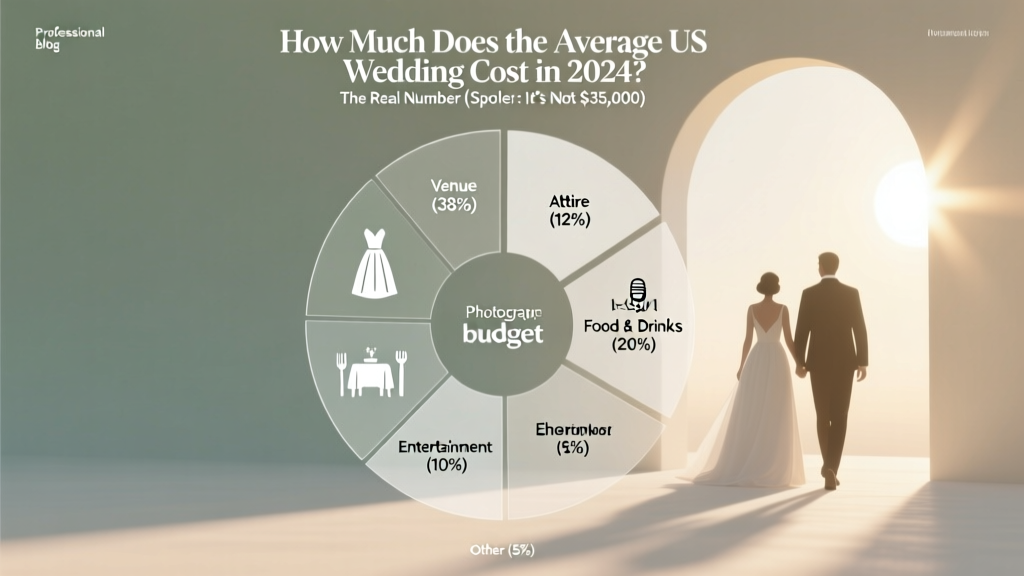 US Wedding Cost 2026: Real Number & Where It Goes
 Italian Wedding Soup: Where to Buy (2026)
 Is August a Good Wedding Month? (2026)
 How to Plan a Wedding With a Beautiful Place Cards Display
 How to Resin Wedding Flowers: A Science-Backed Guide
 Can You Wear a Backless Dress to a Wedding? (2026)
 Wedding Cash Gifts: Stress-Free Sending Guide (2026)
 Wedding Arch Fabric Yardage Formula (2026)
 Western Wedding Attire: Stress-Free 7-Step Guide (2026)
 Wedding Food Cost Per Person (2026): $18–$125 Breakdown