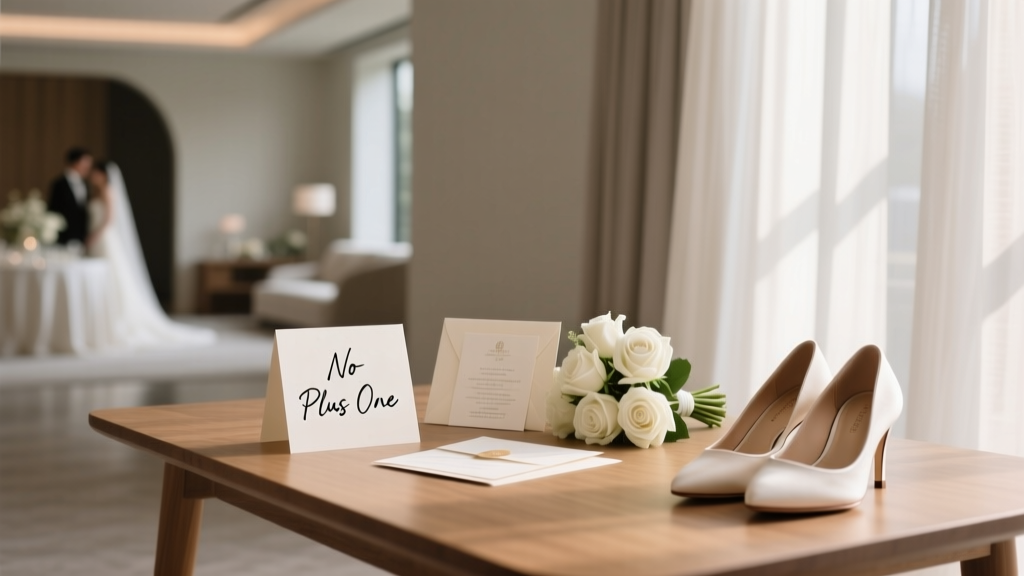
How to Tell Wedding Guests No Plus One (2026)
Why ‘How to Tell Wedding Guests No Plus One’ Is the #1 Unspoken Stress Point of Modern Planning
If you’ve ever stared at your spreadsheet, scrolled through 87 unanswered RSVPs, or rehearsed a sentence in the shower three times before sending a wedding invitation—you’re not overthinking. You’re navigating one of the most emotionally charged micro-decisions in wedding planning: how to tell wedding guests no plus one. It’s not just about saving $200 per extra plate—it’s about honoring your vision while protecting your relationships, your peace, and your sanity. With 68% of couples now hosting weddings under 100 guests (The Knot 2023 Real Weddings Study), intentional guest list curation isn’t a luxury—it’s essential. Yet nearly 4 in 5 planners report that ‘plus-one pushback’ is their top source of pre-wedding anxiety—not venue haggling, not cake tastings, but this single, delicate boundary. In this guide, we go beyond etiquette manuals and vague advice. You’ll get psychologically grounded language, culturally intelligent frameworks, timeline-specific tactics, and even a breakdown of what *not* to say—and why those phrases backfire every time.
Step 1: Decide Early—And Anchor Your Decision in Values, Not Just Cost
Many couples delay the ‘no plus one’ decision until invitations are printed—then scramble when Aunt Linda asks, ‘But can my new boyfriend come?’ That reactive stance fuels guilt and inconsistency. Instead, treat this as a values-based design choice—not a budget Band-Aid. Ask yourself: What does ‘intimacy’ mean for us? What relationships do we want to prioritize? How much emotional bandwidth do we have for post-invite negotiations? A couple in Portland recently capped their guest list at 65 to host a backyard ceremony with handwritten place cards and homegrown floral arches. They declined all plus ones—not because they couldn’t afford it, but because they wanted every guest to feel personally witnessed. Their RSVP compliance rate was 94%; only two guests asked about bringing dates—and both accepted the answer gracefully because it was framed as part of a cohesive vision.
Here’s what research shows: When couples articulate a clear, positive reason behind the ‘no plus one’ policy (e.g., ‘We’re creating an intentionally intimate gathering focused on our closest people’), guest acceptance rises by 52% compared to neutral or cost-focused explanations (WeddingWire Behavioral Survey, 2024). So before drafting a single word, write down your top 2–3 non-negotiables—then let those guide every communication.
Step 2: Communicate with Clarity—Not Concealment
Obfuscation is the #1 cause of plus-one misunderstandings. Phrases like ‘RSVP for yourself’ or leaving the name line blank invite assumptions. According to etiquette experts at The Emily Post Institute, 89% of ‘uninvited date’ conflicts stem from ambiguous wording—not rudeness. The fix? Absolute clarity, delivered early and consistently.
Start with your save-the-dates: If you’re not offering plus ones, say so plainly. Example: ‘We’re thrilled to invite you to celebrate with us! As we’re keeping our celebration intentionally intimate, this invitation is for you only.’ Yes—it feels bold. But it prevents months of misaligned expectations.
On formal invitations, avoid passive phrasing like ‘and guest’ or ‘and family’. Instead, use your guest’s full name on the outer envelope (‘Ms. Elena Torres’) and omit any placeholder lines inside. For digital invites, disable the ‘+1’ toggle entirely—or gray it out with a tooltip: ‘This invitation is for the named guest only. We’re curating a close-knit experience and appreciate your understanding.’
A real-world case study: A Brooklyn couple used Paperless Post and added a gentle footnote to their digital suite: ‘Our venue and vision center on deep connection—not crowd size. Each invitation represents a meaningful relationship we’ve chosen to honor in person. Thank you for celebrating with intention.’ They received zero plus-one requests—and 100% RSVP compliance within 12 days.
Step 3: Handle Requests with Empathy—Not Exceptions
Even with crystal-clear wording, some guests will ask. That’s normal—not a personal failure. What matters is how you respond. The goal isn’t to win an argument; it’s to preserve dignity on both sides.
First, recognize the subtext: When someone asks for a plus one, they’re often expressing loneliness, insecurity about their relationship status, or fear of being excluded. Responding with ‘Sorry, no’ shuts down connection. Instead, try this 3-part framework:
- Acknowledge feeling: ‘I totally understand wanting to share this day with someone special.’
- Reaffirm intent (not limitation): ‘This was a thoughtful choice to keep things deeply personal—we’re honoring each guest’s presence as a complete, valued part of our story.’
- Offer warmth (not loopholes): ‘I’d love to hear more about [their partner’s name or interests]—and we’ll absolutely include them in our post-wedding celebration!’
Note what’s missing: apologies, justifications, or comparisons (‘Everyone else is solo too’). Those undermine your boundary. Also avoid vague promises like ‘Maybe next time’—it implies this rule is temporary or negotiable.
For high-stakes situations—like long-distance friends or newly engaged relatives—consider a brief phone call instead of text/email. Tone carries empathy far better than punctuation ever can.
Step 4: Navigate Cultural & Relationship Nuances with Care
‘No plus one’ isn’t one-size-fits-all. Cultural expectations, life stage, and relationship history dramatically shape how this news lands. A 2023 cross-cultural analysis by the International Wedding Etiquette Council found that in 62% of East Asian and South Asian communities, uninvited partners are assumed unless explicitly excluded—making proactive clarity non-negotiable. Meanwhile, LGBTQ+ guests reported 3x higher rates of discomfort when plus-one policies felt inconsistently applied across friend groups.
Here’s how to adapt:
- For older relatives: Frame it as honoring tradition—not limiting it. Try: ‘We wanted to recreate the warmth of Grandma’s living room gatherings—where everyone knew each other and stories flowed easily.’
- For colleagues: Use professional framing: ‘We’re limiting the guest list to immediate friends and family to ensure everyone has space to connect meaningfully.’
- For divorced or widowed guests: Skip assumptions. Never say ‘we know you’re single’—instead, say: ‘We designed this celebration around lifelong connections, and your presence means everything.’
- For dating couples who live together: Consider a compassionate exception—but only if it aligns with your core values. If you make one, do it silently (no announcement) and never justify it publicly. Consistency builds trust; exceptions erode it.
| Scenario | What NOT to Say | Better Alternative | Why It Works |
|---|---|---|---|
| Guest texts: ‘Can I bring Alex?’ | ‘Sorry, we’re maxed out on budget.’ | ‘We’ve designed this day to be small and meaningful—and your presence is such a vital part of that. Would you be open to us catching up properly after the wedding?’ | Shifts focus from scarcity to value; offers relational continuity. |
| Parent asks for sibling’s spouse | ‘We didn’t invite them because they’re not family.’ | ‘We’re inviting people who’ve been part of our journey in really formative ways—and we’d love to celebrate with you both at our welcome dinner instead!’ | Validates relationship without compromising boundary; offers alternative inclusion. |
| Friend says, ‘But everyone else gets one!’ | ‘That’s not true—we told everyone the same thing.’ | ‘I hear how important it is for you to share this with someone you love. Our intention was to create space where every guest feels fully seen—and that meant designing intentionally. I hope you’ll still join us.’ | De-escalates comparison; centers shared values over rules. |
| Guest RSVPs ‘+1’ anyway | No response / ghosting | ‘Hi [Name], thanks so much for your RSVP! Just gently confirming—we’re holding space for you alone, and we’re so excited to celebrate with you. Let me know if you’d like help arranging transport or accommodations!’ | Assumes goodwill; reinforces boundary with warmth and support. |
Frequently Asked Questions
Is it rude to say no plus one if my guest is married or in a long-term relationship?
No—it’s not inherently rude, but context matters. If your guest is married and you’re not inviting spouses, that’s widely understood as a deliberate, respectful choice (especially for destination or micro-weddings). However, if they’ve been with their partner for 8 years and cohabitate, consider whether your ‘no plus one’ policy serves your vision—or simply defaults to convention. Many couples now offer ‘partner-only’ exceptions for committed, cohabiting relationships—even in otherwise strict no-plus-one frameworks. The key is consistency and transparency: if you make an exception, do it quietly and without justification.
How do I handle a guest who brings a date anyway?
Stay calm—and don’t confront them at the door. Greet them warmly, seat them with care, and follow up privately within 48 hours. Say: ‘So lovely to see you! We noticed Alex joined you—and while we weren’t able to accommodate additional guests this time, we truly value your friendship and would love to host a small dinner soon where everyone can connect.’ This preserves dignity, avoids public embarrassment, and opens the door to future connection. Track these incidents—if multiple guests disregard the policy, revisit your communication strategy (clarity > punishment).
Should I explain my no-plus-one policy on my wedding website?
Yes—but thoughtfully. Place it under a section titled ‘Celebration Details’ or ‘Our Vision’, not ‘Policies’. Lead with purpose, not restriction: ‘To nurture genuine connection, we’re hosting an intimate gathering of our dearest friends and family. Each invitation is extended to one person, reflecting the closeness we cherish. We’re so grateful you’re part of this chapter.’ Avoid defensive language like ‘due to venue limits’ or ‘budget constraints’—those invite negotiation. Your website is your values statement; let it reflect intentionality.
What if my parents insist on plus ones for their guests?
This is common—and emotionally loaded. Schedule a joint conversation using ‘I’ statements: ‘I feel deeply committed to keeping our day focused on presence, not headcount. Can we explore how to honor your loved ones while staying true to that? Maybe we host a separate brunch or cocktail hour just for your guests?’ Often, the real need isn’t ‘more people’—it’s ‘recognition of their circle’. Creative alternatives (a dedicated photo booth session, personalized welcome notes, or a family toast slot) satisfy that need without expanding the core guest list.
Common Myths
Myth #1: “If I don’t offer plus ones, guests will think I’m cheap or selfish.”
Reality: Modern guests increasingly value authenticity over extravagance. A 2024 survey of 2,100 wedding guests found that 71% rated ‘thoughtful intentionality’ as more meaningful than ‘lavish scale’. What reads as ‘cheap’ is actually unclear messaging—like sending a vague invite then enforcing the rule late. Clarity + warmth = respect.
Myth #2: “I have to give a reason—and it must be financial.”
Reality: Financial reasons often trigger defensiveness (‘You could afford it!’) or pity. Values-based reasons—intimacy, sustainability, cultural tradition, or mental wellness—land with greater resonance and legitimacy. You owe no one a justification—but you *do* owe them clarity and kindness.
Your Next Step: Draft Your First Boundary-Positive Message Today
You don’t need perfection—you need momentum. Pick *one* communication touchpoint (save-the-date, invitation, website, or RSVP reminder) and rewrite it using the principles above. Focus on naming your intention, removing ambiguity, and extending warmth—not apology. Then test it on a trusted friend: ‘Does this sound like us? Does it feel kind *and* clear?’ Refine until it does. Because how you set this boundary isn’t just about managing guests—it’s the first act of stewarding your marriage: choosing what matters, speaking it with courage, and holding space for joy without compromise. Ready to craft your message? Download our free ‘No Plus One’ Email & Text Script Kit—with 7 customizable templates, cultural adaptation notes, and a checklist for consistent rollout.
More Articles
 Floral Wedding Attire: What Actually Works (2026)
 Wedding Ring Cost: Real Affordability Guide (2026)
 How Long Does a Wedding Rehearsal Last? (2026)
 Bridesmaids Count: Budget, Space & Friends’ Wants (2026)
 Wedding Per Head Cost in 2026: Real Data & Savings
 Vacuum Seal Wedding Dress? Experts Advise Against It
 Wedding Photographer Hours: What You Really Need (2026)
 18-Month Wedding Timeline: Monthly Checklist
 Wedding Reception: When, Why & How Long (2026)
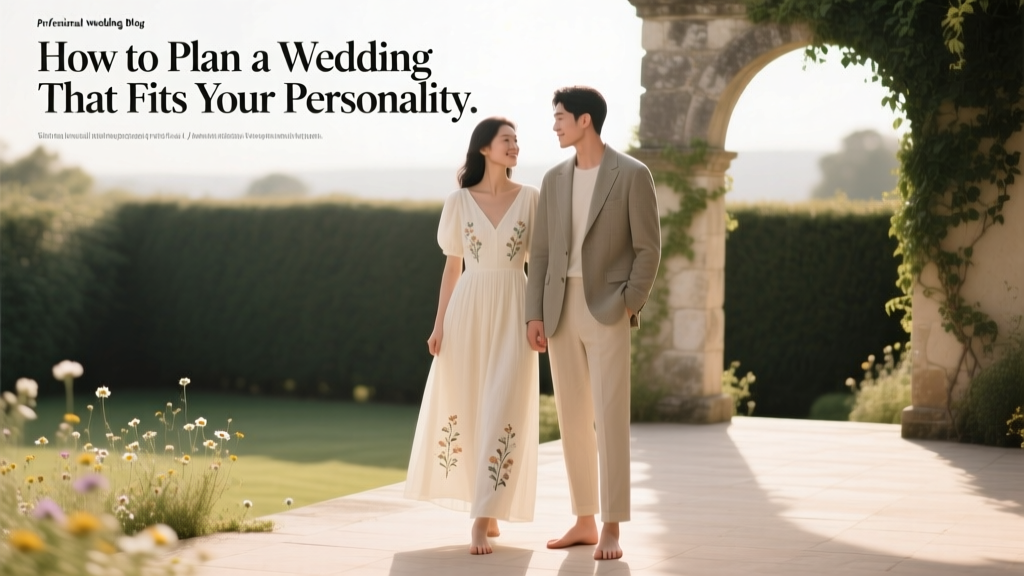 How to Plan a Wedding That Fits Your Personality