# How to Tie a Wedding Cravat Perfectly: Step-by-Step Guide
A wedding cravat can elevate your formal look from ordinary to extraordinary — but only if it's tied correctly. Many grooms struggle with this elegant neckwear, often resorting to pre-tied versions that lack that authentic, tailored finish. The good news? Tying a cravat is simpler than it looks, and with a little practice, you'll nail it every time.
---
## What You Need Before You Start
Before attempting to tie your cravat, gather the following:
- **A quality silk or satin cravat** — typically 120–140 cm long for most neck sizes
- **A cravat pin or tie pin** — to secure the fold and add a decorative touch
- **A mirror at chest height** — eye-level mirrors make it harder to judge the drape
- **A pressed dress shirt** with a stiff, upright collar
Pro tip: Practice at least three times before the wedding day. Most men get it right by the second or third attempt.
---
## Step-by-Step: The Classic Cravat Knot
Follow these steps for the traditional ascot-style wedding cravat:
1. **Drape the cravat around your neck** with the wide end on your right side, hanging about 30 cm lower than the left (narrow) end.
2. **Cross the wide end over the narrow end** from right to left, keeping the fabric flat and untwisted.
3. **Wrap the wide end up and around** the narrow end, looping it underneath and back to the right.
4. **Bring the wide end up through the neck loop** from underneath, pulling it forward and down through the front fold you've created.
5. **Adjust the front drape** so it fans out evenly across your chest, covering the shirt buttons.
6. **Secure with a cravat pin** placed horizontally through both layers, about one-third down from the knot.
The finished knot should sit snugly at the collar without pulling or bunching. The wide end should display a smooth, cascading drape.
---
## Getting the Fit and Drape Right
The drape is everything with a cravat. Here's how to perfect it:
- **Width matters:** The cravat should cover your shirt placket (button line) but not extend past your lapels.
- **Length check:** The tip of the wide end should reach your trouser waistband — no shorter, no longer.
- **Symmetry:** Stand back from the mirror and check both sides of the drape are even. A slight asymmetry is traditional and intentional; a large one looks sloppy.
- **Fabric tension:** Silk cravats need a looser knot than polyester blends — silk tightens as the day goes on due to body heat.
For morning suits, the cravat is traditionally worn with a waistcoat (vest), which helps anchor the drape and prevents it shifting during the ceremony.
---
## Colour and Pattern Coordination Tips
Your cravat should complement, not compete with, the rest of your wedding party:
- **Solid colours** are safest for formal weddings — ivory, silver, champagne, and dusty rose are perennial favourites.
- **Subtle patterns** (small paisleys, micro-checks) work well for garden or country weddings.
- **Match to the bridesmaids' palette** rather than trying to match exactly — a complementary tone looks more intentional.
- **Avoid novelty prints** unless your wedding has a very specific theme; they date quickly in photos.
According to wedding stylists, approximately 68% of grooms who wear morning dress opt for a cravat over a tie, making it the dominant choice for formal UK-style weddings.
---
## Common Mistakes (And the Myths Behind Them)
**Myth 1: Pre-tied cravats look just as good as hand-tied ones.**
This is false. Pre-tied cravats have a uniform, stiff shape that experienced eyes spot immediately. A hand-tied cravat has natural variation in the drape and knot that reads as intentional elegance. The slight imperfection *is* the point — it signals the garment was worn by a person, not assembled in a factory. Always hand-tie on your wedding day.
**Myth 2: A cravat pin is optional or purely decorative.**
Skipping the pin is one of the most common cravat mistakes. Without it, the drape shifts throughout the day — especially during dancing, hugging, and outdoor photography. The pin isn't just decorative; it's structural. Choose a simple gold or silver bar pin that complements your cufflinks, and insert it firmly through both fabric layers after you've perfected the drape.
---
## Conclusion
Tying a wedding cravat is a skill worth mastering — it takes 10 minutes to learn and pays off in every photograph for the rest of your life. Start with a quality silk cravat in a colour that complements your wedding palette, follow the steps above, and practice until the knot feels natural.
**Ready to get started?** Pick up your cravat at least two weeks before the wedding and practice daily. By the time your big day arrives, you'll tie it with confidence — and it'll show.
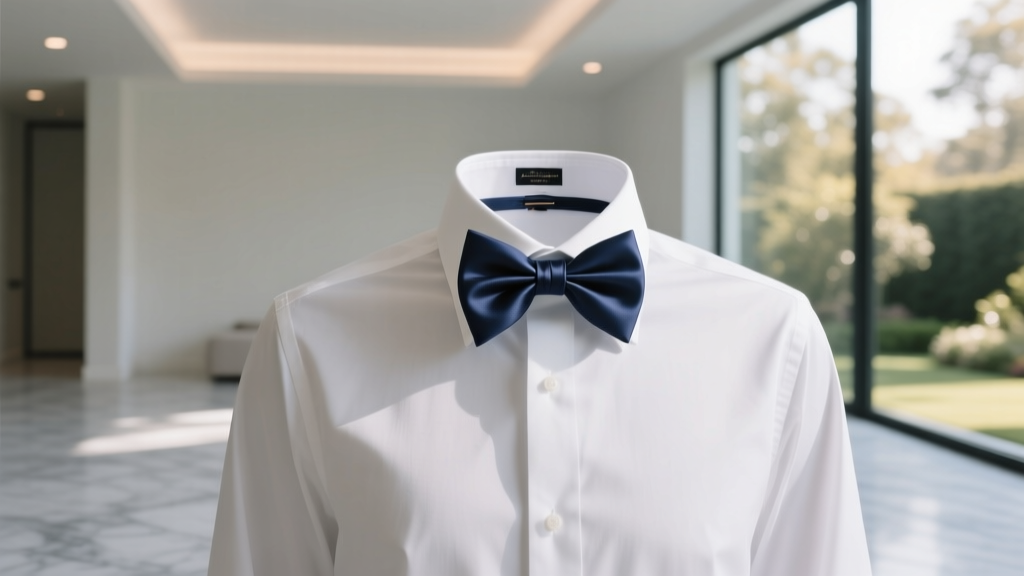
 How Many Best Men Are There at a Wedding?
 Must-Have Wedding Pictures Shot List (2026)
 Engagement Ring on Wedding Day: 2026 Protocol
 How to Stay Cool at a Wedding (2026)
 Can Men Wear a White Shirt to a Wedding? (2026)
 Can't Help Falling in Love Instrumental Wedding Guide
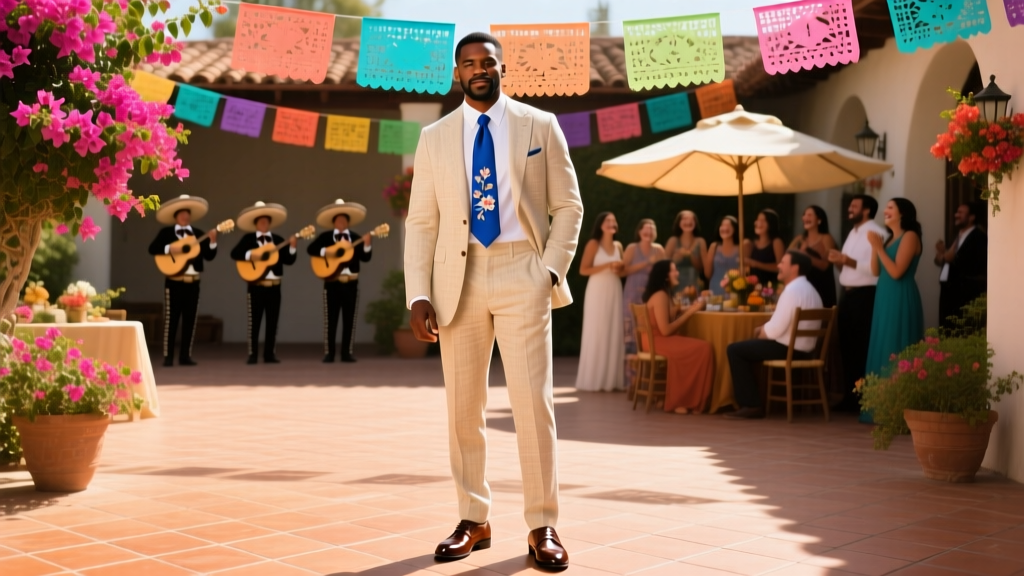 What to Wear to a Mexican Wedding Male (2026)
 Father's Wedding Speech Guide: Stress-Free & Authentic
 Straw Cowboy Hat at a Wedding: When It Works (2026)
 Wedding Ring Process: 7-Step Timeline (2026)