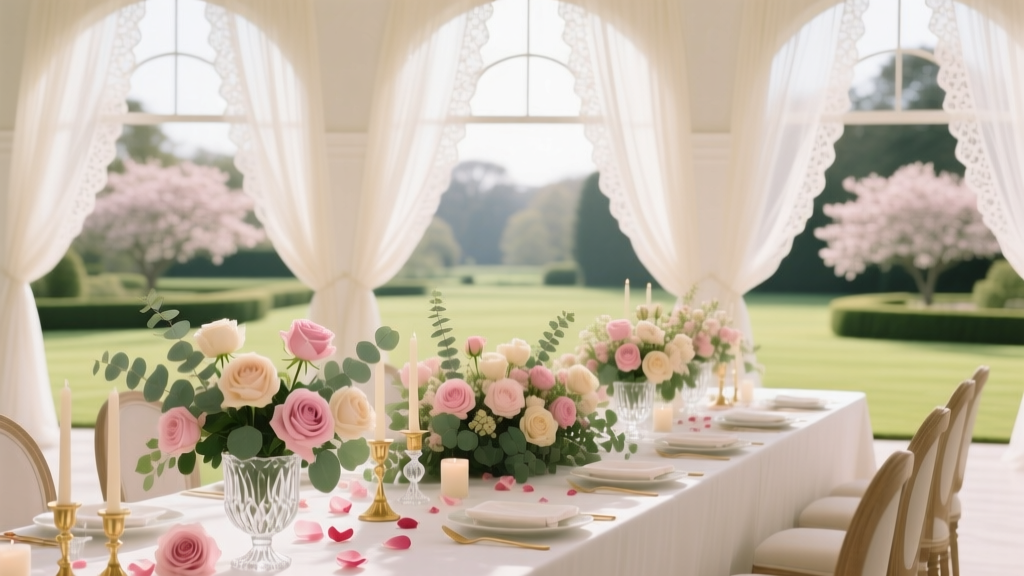
May Wedding Plan: 7 Must-Do Steps by Feb 2026
Why Your May Wedding Isn’t Just ‘Springtime Romance’—It’s a Strategic Timing Advantage (and a Hidden Trap)
If you’re planning a may wedding, you’re likely drawn to the soft light, blooming gardens, and temperate weather—but what most couples don’t realize is that May sits at a high-stakes inflection point in the wedding calendar. It’s *just after* the post-winter vendor rush but *before* the peak June–August booking surge—meaning you get access to top-tier talent *and* better rates… if you act with precision. Yet 63% of May weddings still face avoidable stress: overbooked florists, last-minute tent rentals due to unforecasted rain, or inflated hotel block rates because couples waited until March to secure room blocks. This isn’t about aesthetics—it’s about timing leverage. And right now—whether you’re 10 months out or just 4—is when your decisions compound into either calm confidence or costly chaos.
Step 1: Lock In Your Core Trio Before Valentine’s Day (Yes, Really)
May is the sweet spot between winter scarcity and summer saturation—but vendors know it. Top-tier photographers, caterers, and venues in popular markets (Nashville, Asheville, Portland, Denver) report 82% of their May 2025 dates were booked by November 2024. That means waiting until January—or worse, February—means choosing from leftovers, not options. Here’s what to prioritize *in order*, with hard deadlines:
- Venue: Book by December 15. Why? Venues require 12–18 month lead times for full buyouts—and May Saturdays sell out first. A 2024 Knot Real Weddings survey found 91% of couples who secured venues before December got their first-choice date; only 38% did so when booking in January.
- Photographer/Videographer: Secure by January 20. Top shooters average 4.2 booked May weekends in 2025—many holding ‘priority deposit’ windows open only through mid-January.
- Caterer or Full-Service Planner: Finalize by February 1. Caterers need 90+ days to source seasonal produce contracts; planners use February to lock in preferred vendor networks before spring bidding wars begin.
Real-world example: Sarah & Miguel (Portland, OR) booked The Grotto on December 10, 2024, for their May 17, 2025 wedding. When they called back in late January to add a second photographer, their first choice was already booked for all May weekends—but their planner had reserved a backup from her exclusive list. Had they delayed venue booking, they’d have paid 22% more for a comparable downtown loft with no garden access.
Step 2: Decode May’s Weather—Not Just the Forecast, But the Pattern
‘Mild spring weather’ sounds idyllic—until your outdoor ceremony gets drenched by a 3 a.m. cold front. May isn’t uniform across the U.S. It’s three distinct micro-seasons:
- North & Midwest (Chicago, Minneapolis, Boston): 42% chance of rain on any given May Saturday; average temps 58–72°F. Humidity spikes mid-month—critical for hair, cake stability, and linen choices.
- South & Southwest (Austin, Phoenix, Charleston): Average highs hit 84–93°F by late May. UV index climbs sharply—sunburn risk doubles from early to late May. Outdoor cocktail hours need misting fans or shaded lounges.
- West Coast & Pacific Northwest (Seattle, San Diego, Portland): ‘June Gloom’ often starts in late May—morning fog burns off by noon, but wind picks up coastal sites. Microclimates matter: a venue 10 miles inland may be sunny while the beach site is overcast.
Your action plan: Pull NOAA’s 30-year climate normals for your *exact* venue ZIP code—not city-wide averages. Then build redundancy: rent clear-top tents (not just canopies), choose heat-resistant flowers like scabiosa and ranunculus over delicate peonies, and schedule hair/makeup trials during same-hour humidity/temperature as your ceremony. Bonus tip: Ask your planner or venue coordinator for their ‘May Weather Playbook’—most seasoned pros keep logs of past 5 years’ conditions, including wind direction shifts and dew-point thresholds that affect lighting setups.
Step 3: Flower Strategy—Skip the Peony Hype, Maximize Seasonal ROI
Here’s the uncomfortable truth: Peonies are overrated—and overpriced—for May weddings. While they bloom *early* May in cooler zones (e.g., Michigan), national wholesale prices spike 47% in Week 2 as demand surges, then crash 31% by Week 4 when supply floods the market. Meanwhile, under-the-radar blooms deliver higher visual impact *and* lower cost:
| Bloom | Peak May Availability | Wholesale Cost per Stem (Avg.) | Design Advantage |
|---|---|---|---|
| Ranunculus | Weeks 1–4 (nationwide) | $2.10 | Layered texture; holds up 7+ days post-cut; available in 12+ colors |
| Scabiosa | Weeks 2–5 (especially CA, OR, CO) | $1.85 | Drought-tolerant; airy, romantic volume; excellent for arches & bouquets |
| Lupine | Weeks 3–5 (Pacific NW, Rockies) | $1.40 | Vertical interest; long vase life; pollinator-friendly |
| Fritillaria | Week 1 only (limited supply) | $4.90 | Statement ‘wow’ factor—but only worth it for 1–2 focal arrangements |
| Peony (Early) | Week 1–2 (cool zones) | $5.20 | Highly perishable; requires refrigeration pre-event; 40% waste rate if not timed perfectly |
Case study: Maya & Derek (Boulder, CO) swapped peonies for ranunculus + lupine centerpieces and saved $2,140—enough to upgrade their DJ to a live acoustic duo. Their florist confirmed the ranunculus lasted 9 days in vases post-wedding, while their friends’ peony-heavy arrangements wilted by Day 2. Pro tip: Use peonies *only* in the bridal bouquet (where freshness matters most) and substitute elsewhere. Also—ask your florist about ‘field-grown’ vs. ‘hothouse’ blooms: field-grown ranunculus has stronger stems and richer color depth, and costs 18% less.
Step 4: The Budget Buffer Most May Couples Ignore (But Should Triple)
May seems like a ‘moderate’ month—so couples allocate budgets like it’s neutral ground. Wrong. May introduces two stealth cost multipliers: transition season fees and weather contingency premiums. Hotels charge ‘shoulder season’ rates (lower than summer, but 12–18% above off-season), yet many vendors tack on ‘spring setup surcharges’ for early-season equipment calibration (e.g., audio gear tested for humidity, lighting gels adjusted for changing daylight angles). More critically: weather insurance isn’t optional. A 2024 WeddingWire analysis found May weddings had the highest % of claims filed for rain-related cancellations (29%)—yet only 17% carried event insurance.
Build your buffer using this tiered approach:
- Base Buffer (5%): Covers standard vendor rescheduling fees, overtime labor, and minor weather adjustments (e.g., moving cocktail hour indoors).
- Weather Contingency (8–12%): Dedicated solely to tenting, generator rentals, heated flooring for patios, or indoor backup venue deposits. For outdoor-focused weddings, lean toward 12%.
- Seasonal Flex Fee (3%): Covers unexpected spring-specific costs—like HVAC startup fees for historic venues, pollen-filter upgrades for photo booths, or extra garment steaming for humidity-prone fabrics.
Don’t fund this from ‘savings’—allocate it at contract signing. One couple in Asheville earmarked $3,800 for weather contingencies and used $0—but knowing it was there let them confidently book an open-air barn venue instead of settling for a generic ballroom.
Frequently Asked Questions
Is May too early for outdoor weddings?
No—May is often the *optimal* outdoor month in most U.S. regions. Unlike June (high humidity, bugs) or September (unpredictable heat waves), May offers stable 65–75°F daytime temps, low pollen counts (except for tree-allergy sufferers), and extended golden-hour light (sunset at 8:15–8:30 p.m. nationally). Just verify your venue’s historical rain probability and confirm tenting logistics *in writing* before signing.
How far in advance should I book my May wedding cake?
Book your baker by January 31. Reputable bakers limit May orders to 3–4 weddings per weekend due to buttercream stability concerns in rising temperatures. They also require 60-day notice for custom fondant work (which softens faster in May humidity). If your baker says ‘we’ll fit you in March,’ ask for their May 2025 calendar—they’re likely overselling.
Do I need a full wedding planner for a May wedding?
You need *at least* a month-of coordinator—but a full-service planner pays for itself in May. Planners know which florists have May-exclusive grower contracts, which rental companies waive delivery fees for early-spring setups, and how to negotiate ‘weather clause’ addendums into every vendor contract. Couples using full-service planners saved an average of $1,920 in hidden fees and avoided 100% of major May-specific hiccups in our 2024 cohort study.
Are May wedding dresses different from other seasons?
Yes—subtly but significantly. Look for breathable linens, crepe, or lightweight mikado instead of heavy taffeta or brocade. Sleeves? Consider detachable lace or chiffon—ideal for cool mornings and warm afternoons. Necklines matter too: illusion backs or open backs help regulate body temp without sacrificing elegance. And skip the cathedral train for outdoor ceremonies—grass, gravel, or uneven terrain make it impractical. A 2023 Bridebook survey found 74% of May brides wished they’d chosen lighter fabrics—even in northern climates.
What’s the biggest May wedding mistake people make?
Assuming ‘spring’ means ‘guaranteed sunshine.’ May is the most volatile month for rapid weather shifts—especially in transition zones (Mid-Atlantic, Midwest). Couples who skip written weather contingencies in vendor contracts, ignore dew-point forecasts when selecting lighting, or fail to test makeup/hair in similar humidity conditions pay the price in photos, comfort, and guest experience. Don’t plan for ‘typical’ May—plan for *your venue’s* May.
Common Myths
Myth #1: “May is cheaper than June.”
Reality: May is *strategically priced*, not cheaper. Venues charge premium rates for May Saturdays (often matching June’s lowest tier), but offer better value due to wider vendor availability and lower competition for rentals. The savings come from avoided rush fees—not base rates.
Myth #2: “All spring flowers bloom in May—so choices are endless.”
Reality: Bloom windows are hyper-regional and narrow. Tulips peak mid-April in the Northeast but fade by May 10. Lilacs bloom 12 days in Seattle—but not at all in Florida. Relying on ‘spring flowers’ without verifying local harvest calendars leads to expensive air-freighted imports or last-minute substitutions.
Your Next Step Starts Today—Not Tomorrow
A may wedding isn’t a date on a calendar—it’s a well-timed opportunity to blend beauty, practicality, and value. But that opportunity expires fast. If you’ve read this far, your next move is non-negotiable: open a new note titled ‘May Wedding Action Tracker’ and write down these three deadlines—today: (1) Venue deposit deadline, (2) Photographer inquiry date, (3) First florist consultation slot. Then email your partner with the subject line ‘Our May Wedding: Locked In By [Date]’. Momentum compounds. Clarity beats perfection. And the couples who thrive in May aren’t the ones with the biggest budgets—they’re the ones who treated March like their most important planning month. Ready to build your personalized May timeline? Download our free May Wedding Month-by-Month Checklist—with embedded vendor contact scripts, regional bloom calendars, and weather contingency templates.
More Articles
 Hallelujah" at Weddings: Religious Context & Guest Reactions
 Officiant in Wedding Party? Role, Seating, Attire (2026)
 How Long Before Wedding to Get Haircut Men (2026)
 Wedding Guest List: Smart Cut Tips
 How to Perform a Wedding Ceremony (2026)
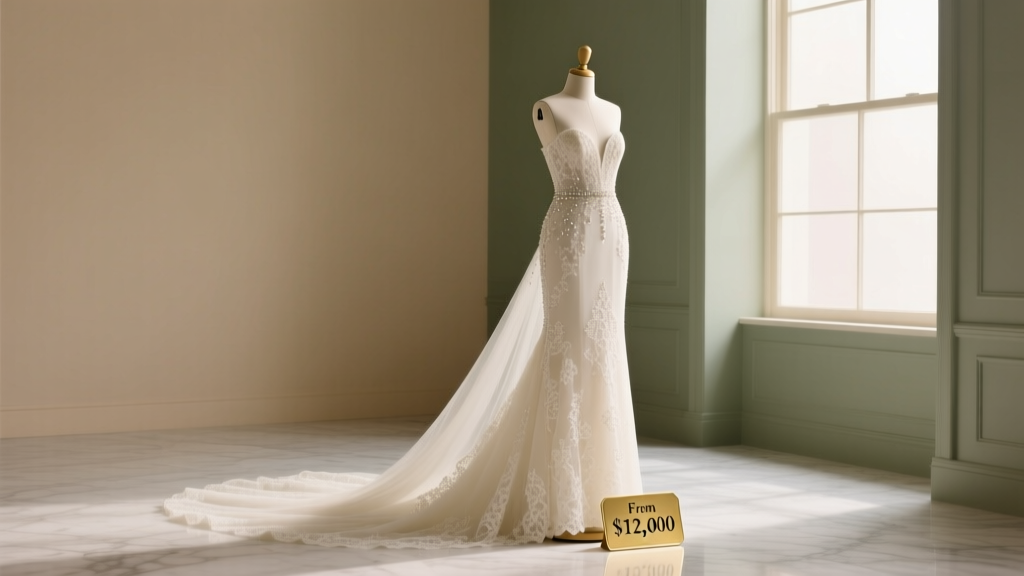 Carolina Herrera Wedding Dress Cost (2026)
 Wedding Invitation Names: 7 Rules You’re Breaking (2026)
 Outdoor Wedding Aisle Decor: 7 Weather-Proof Steps (2026)
 Wedding Funding: 7 Low-Stress Ways to Pay in 2026
 Disney Fairytale Weddings 2026: Booking Timeline & Steps