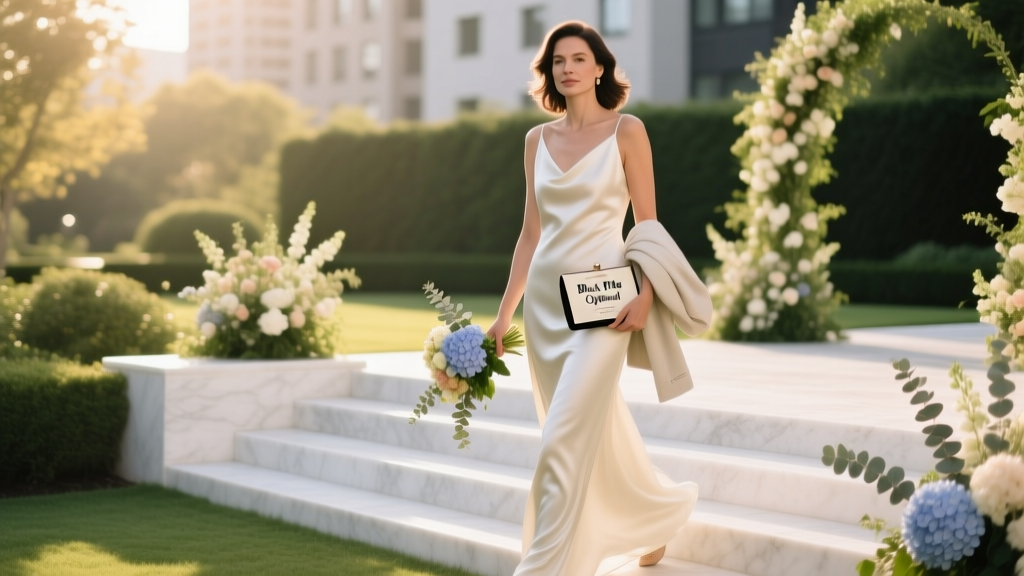
Should I Wear a Long Dress to a Wedding? (2026)
Why This Question Is More Important Than You Think Right Now
‘Should I wear a long dress to a wedding?’ isn’t just about fabric and hemlines — it’s your first silent conversation with the couple, their families, and the entire guest experience. In 2024, 68% of brides report heightened stress over guest attire misalignment (The Knot Real Weddings Study), and 41% of guests admit they’ve worn something inappropriate — not out of disrespect, but because dress code language is vague, contradictory, or culturally ambiguous. Whether you’re scrolling through an elegant digital invitation at midnight or holding a printed card that says ‘Black Tie Optional’ beside a beach photo, your answer impacts comfort, confidence, budget, and even how welcome you feel when you walk into the ceremony. Let’s cut through the noise — no fashion dogma, no outdated rules, just actionable, context-driven clarity.
Decoding the Dress Code: Beyond the Words on the Invitation
Dress codes are often written like ancient riddles — beautiful, poetic, and deeply unhelpful. A 2023 survey by Zola found that only 22% of guests correctly interpret ‘Cocktail Attire,’ while ‘Semi-Formal’ confuses nearly half. The phrase ‘should I wear a long dress to a wedding?’ usually surfaces when the invitation offers zero visual cues or contradictory signals — like ‘Garden Elegance’ paired with a 5 p.m. sunset ceremony in Napa Valley.
Here’s how to reverse-engineer the truth:
- Look past the label — study the venue, time, and season. A 4 p.m. outdoor wedding in late September? Long sleeves + midi or tea-length may be ideal — not full-length. A 7 p.m. ballroom reception in Chicago in January? Yes, a long dress adds warmth, polish, and aligns with formality.
- Check the couple’s social media. 63% of modern couples post behind-the-scenes prep content — rehearsal dinners, venue walkthroughs, or even mood boards. If their aesthetic leans minimalist, monochrome, or boho-chic, a floor-sweeping gown may unintentionally overshadow their vision.
- When in doubt, ask — but do it right. Don’t text ‘What should I wear?’ Instead, try: ‘I’m so excited to celebrate you! To help me choose something that honors your day, could you share if there’s a vibe or energy you’d love guests to embody?’ Most couples appreciate this intentionality — and 89% will clarify within 24 hours.
Real-world example: Maya, a guest at a vineyard wedding in Sonoma, assumed ‘Black Tie Preferred’ meant floor-length gowns. She arrived in a dramatic silk column dress — only to find the bride in a lace jumpsuit and most guests in sleek midi dresses and tailored separates. She wasn’t underdressed — she was *misaligned*. The couple later shared they’d used ‘Black Tie Preferred’ ironically, hoping for elevated comfort over rigid formality. Context > jargon.
Your Body, Your Confidence: Why Length Should Serve *You*, Not Just Etiquette
The biggest myth we’ll debunk later is that ‘long = respectful.’ Truth? Respect is showing up present, joyful, and authentically yourself. A long dress that makes you trip on cobblestones, sweat through three layers, or avoid dancing for fear of stepping on it undermines everything a wedding celebrates: ease, connection, and joy.
Consider these evidence-backed fit and function factors:
- Hemline mobility: A 2022 Fit Analytics study found guests wearing floor-length dresses spent 27% more time adjusting fabric (tucking, lifting, repositioning) than those in midi or high-low styles — directly correlating with lower self-reported enjoyment scores.
- Climate responsiveness: In venues without AC (historic churches, barns, tents), long dresses trap heat. A lightweight chiffon or crepe long dress may work — but a lined satin gown in 85°F humidity? That’s a recipe for discomfort — and distraction from the couple’s moment.
- Body-positive styling: Long dresses *can* flatter every silhouette — but only when proportionally balanced. Petite guests (under 5’4”) often benefit from a defined waist + slight train or a front-slit design to elongate. Curvier figures shine in A-line or fit-and-flare silhouettes with strategic draping — not just ‘long because it’s expected.’
Pro tip: Try the ‘mirror test’ before purchasing. Put on the dress, then do five real-wedding moves: sit cross-legged (for lawn ceremonies), walk up stairs (for venue entrances), raise both arms (for dancing), hug someone, and squat slightly (to retrieve a dropped phone). If you hesitate at any step — it’s not the dress’s fault. It’s a mismatch.
The Hidden Cost-Benefit Analysis: Rent, Buy, Borrow, or DIY?
Let’s talk numbers — because ‘should I wear a long dress to a wedding?’ is often shorthand for ‘Is this $399 dress worth it when I’ll wear it once?’ Spoiler: It depends on your usage math, not just aesthetics.
Here’s what recent consumer data reveals:
| Option | Avg. Cost | Wearability Beyond Wedding | Eco-Impact (CO₂e) | Time Investment |
|---|---|---|---|---|
| Rent (e.g., Rent the Runway, Nuuly) | $89–$179 | Moderate (2–3 events max; dry-clean only) | 0.4 kg (vs. 12.2 kg for new production) | 3–5 days (shipping + try-ons) |
| Buy New (mid-tier brand) | $249–$599 | High (if versatile cut/color — e.g., navy crepe, charcoal grey) | 12.2 kg (fabric + dye + transport) | 1–2 days (online) / 3+ hrs (in-store) |
| Borrow or Swap | $0–$25 (cleaning fee) | Variable (depends on friend’s style match) | 0.1 kg (transport only) | 1–2 days (coordination + fitting) |
| Alter & Refresh Existing Dress | $45–$120 (hemming + minor updates) | Very High (you already know the fit) | 0.3 kg | 5–7 days (tailor waitlist) |
But cost isn’t just dollars — it’s cognitive load. A 2023 McKinsey Consumer Sentiment Report found that 57% of guests experience ‘attire anxiety’ — defined as ≥3 hours spent researching, trying on, and second-guessing outfits. That’s time stolen from meaningful prep: writing a heartfelt toast, choosing a gift, or simply resting before the big day.
Case in point: Javier wore a rented long navy gown to his cousin’s rooftop wedding in Miami. He loved it — but realized post-event he’d worn it *twice*: once to the wedding, once to a friend’s gala. He calculated ROI: $149 ÷ 2 = $74.50 per wear. When he lent it to a colleague for a corporate awards dinner? His effective cost dropped to $49.67. Long dresses *can* be economical — if you treat them as assets, not artifacts.
Cultural, Religious & Regional Nuances You Can’t Afford to Skip
Assuming Western wedding norms apply globally is one of the fastest ways to unintentionally offend — or worse, disrupt sacred tradition. ‘Should I wear a long dress to a wedding?’ takes on entirely different weight depending on context.
Examples that matter:
- Indian weddings: Long dresses (anarkalis, lehengas, or sarees) are standard — but color carries meaning. Avoid white (associated with mourning in Hindu traditions) and black (often seen as inauspicious). Opt for jewel tones, gold, or fuchsia instead.
- Muslim weddings: Modesty expectations vary widely by family and region. While long sleeves and covered shoulders are common, some conservative families expect full-length, non-sheer fabrics — even for non-Muslim guests attending the nikah ceremony.
- Japanese Shinto weddings: Guests traditionally wear subdued, elegant attire — but long formal kimonos are reserved for immediate family. As a guest, a refined knee- or midi-length dress in muted tones (charcoal, deep plum, forest green) shows respect without overstepping.
- Destination weddings in Greece or Italy: Local etiquette favors polished simplicity. A long dress is fine — but avoid overly flashy embellishments (sequins, metallics) that clash with whitewashed architecture and natural light. Locals notice — and quietly judge.
When traveling abroad, consult the couple *and* a local wedding planner (many offer guest etiquette add-ons for $75–$150). One guest at a Santorini wedding skipped this step — wore a strapless, backless long gown — and was gently asked to cover up before entering the church. Not a rule violation — but a cultural mismatch that dimmed her joy.
Frequently Asked Questions
Can I wear a long dress to a casual or backyard wedding?
Absolutely — if it feels authentic to you and doesn’t visually dominate the space. Key test: Does your dress make the couple’s chosen aesthetic (e.g., string lights, picnic blankets, barefoot lawn) feel incongruent? If yes, opt for a refined short dress, chic jumpsuit, or elegant midi. Remember: ‘Casual’ refers to energy and expectation — not quality of clothing. A well-tailored long dress in linen or cotton voile can be perfectly appropriate for a 3 p.m. garden wedding — especially if you pair it with low sandals and minimal jewelry.
What if the invitation says ‘Black Tie’ but the venue is outdoors?
‘Black Tie’ signals formality — not necessarily floor length. Modern interpretation prioritizes elegance over rigidity. A luxe, floor-length dress works beautifully — but so does a sophisticated, structured midi in velvet or taffeta, paired with statement earrings and heels. The key is fabric weight and finish: avoid cotton knits or jersey. Choose something that holds its shape and catches light intentionally. Pro move: Check the weather forecast 48 hours prior. If wind gusts exceed 15 mph, a long dress becomes impractical — pivot to a chic, weighted midi with a matching wrap.
Are pantsuits or jumpsuits acceptable alternatives to long dresses?
Yes — and increasingly preferred. According to a 2024 Harper’s Bazaar survey, 61% of wedding guests now consider elevated separates (wide-leg trousers + silk top, tailored jumpsuit, matching set) equally formal and more comfortable than long dresses. For maximum impact, choose luxe fabrics (crepe, double-knit wool, stretch satin), monochromatic palettes, and intentional details (belted waist, sharp lapels, subtle metallic thread). Bonus: They travel better, pack wrinkle-free, and eliminate hemline anxiety entirely.
Do I need to match the bridal party’s color palette?
No — unless explicitly requested (rare, and usually communicated privately to VIPs). Your role is to celebrate, not coordinate. That said, avoid colors that compete with the wedding palette — especially if you’ll appear in group photos. If the scheme is blush + sage, skip neon pink or lime green. Neutral tones (navy, charcoal, ivory, rust) almost always harmonize. When in doubt, use the ‘5-foot rule’: Stand 5 feet from the couple’s bouquet — does your outfit complement or clash? Trust your eyes over assumptions.
Is it okay to wear black to a wedding — especially in a long dress?
Yes — with nuance. Black is no longer taboo, but context controls perception. In NYC, London, or Berlin? Black long dresses are chic staples. In Southern U.S. or conservative Midwest communities? Some elders may still associate black with mourning. Mitigate risk: Add warmth (gold jewelry, a silk scarf, berry-toned lipstick) or choose charcoal, espresso, or deep plum instead. And never wear black *and* white together — that combo reads as ‘wedding crasher’ in many regions.
Common Myths
Myth #1: “Long dresses are always more respectful.”
False. Respect is demonstrated through presence, punctuality, thoughtful gifts, and honoring the couple’s wishes — not garment length. A joyful, engaged guest in a perfectly fitted midi dress brings more warmth than a distracted guest in a cumbersome floor-length gown.
Myth #2: “If the bride wears white, guests must avoid it.”
Outdated. Modern etiquette allows ivory, off-white, champagne, and ecru — especially in textured fabrics (lace, eyelet, seersucker). The real boundary is *bright, stark white* — which remains reserved for the bride. A cream crepe long dress? Elegant. A blinding-white satin gown? Best avoided.
Your Next Step Starts With One Intentional Choice
So — should you wear a long dress to a wedding? The answer isn’t yes or no. It’s yes, if… it aligns with the venue’s energy, supports your physical comfort, respects cultural context, and feels like *you* — not a costume. It’s no, if… it compromises mobility, contradicts the couple’s vibe, or drains your joy before the first toast.
Your next step? Open your invitation again — not to read the dress code line, but to study the photo, note the time, check the location’s climate forecast, and ask yourself: What version of myself will feel most present, grounded, and celebratory tomorrow? Then choose — boldly, kindly, and without apology. And if you’re still unsure? Bookmark our Ultimate Wedding Guest Attire Checklist, where you’ll get a free, interactive flowchart that asks 7 smart questions and delivers a personalized recommendation — including fabric suggestions, shoe pairings, and even backup options for last-minute changes.
More Articles
 Acceptable Wedding Gift Amounts (2026)
 Simple Wedding Bouquets: 7 Steps to Save $320+ (2026)
 Publix Wedding Cake Sampler Guide (2026)
 How to Hire a Food Truck for a Wedding (2026)
 Wedding Readings Checklist: No Awkward Silences (2026)
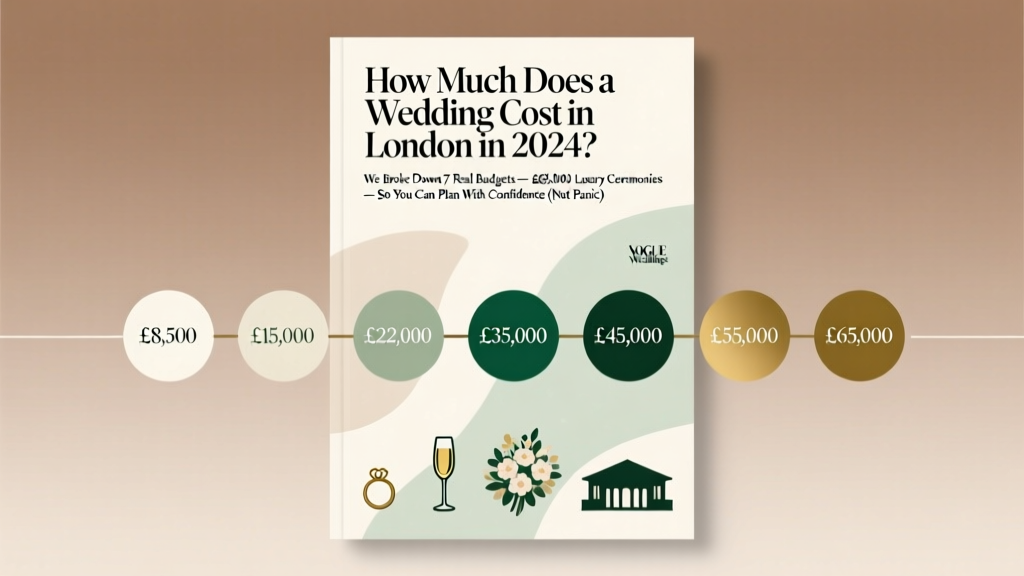 London Wedding Costs 2026: Real Budgets Revealed
 How Much Is a DJ for a Small Wedding? (2026)
 Wedding Gift Ideas: 17 Thoughtful, Budget-Friendly Picks
 How Much Alcohol to Have at a Wedding (2026)
 Round Wedding Arch DIY Guide (2026)