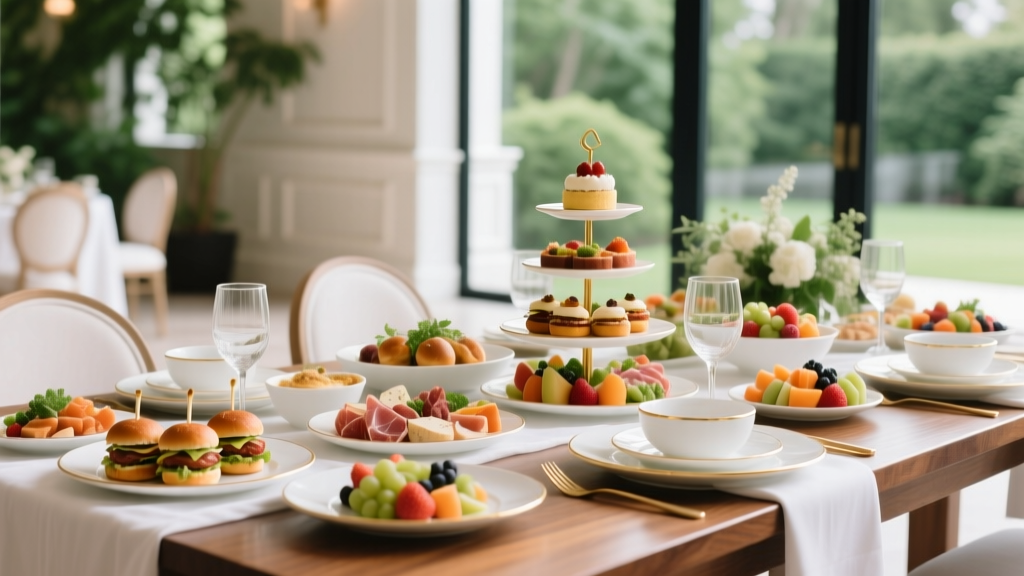
Best Wedding Food: Real Strategies for 2026
Why 'What Is the Best Wedding Food?' Isn’t About One Perfect Dish—It’s About Your Guests’ First Impression
When couples ask what is the best wedding food, they’re rarely searching for a single recipe—they’re wrestling with a high-stakes, emotionally charged decision that impacts guest experience, budget sustainability, and even their own enjoyment of the day. In 2024, 68% of couples cite food as the #1 factor influencing guest satisfaction (The Knot Real Weddings Study), yet 41% report post-wedding regret over their catering choice—usually due to mismatched expectations, hidden costs, or overlooked dietary needs. The truth? There’s no universal ‘best’—only the *right* food strategy for *your* vision, guest list, venue constraints, and values. This isn’t about chasing trends; it’s about building a culinary experience that feels intentional, inclusive, and authentically yours.
Step 1: Define ‘Best’ Through Your Guests’ Eyes—Not Pinterest’s
‘Best’ starts with empathy—not aesthetics. A 2023 survey by Catering Insights found that guests rank three criteria above all else: temperature consistency (72%), portion generosity (65%), and clear allergen labeling (59%). Yet many couples default to visually stunning but logistically fragile options—like delicate crudo stations or multi-tiered dessert tables that melt under summer sun. Instead, begin with a guest persona exercise. Imagine your aunt who avoids gluten, your college roommate who’s vegan, your 8-year-old cousin who only eats chicken nuggets—and your 72-year-old grandfather who prefers fork-tender proteins. The ‘best’ wedding food meets *all* of them without compromise.
Take Maya & James’ Lake Tahoe wedding: They replaced a $32/person plated salmon course with a build-your-own grain bowl bar ($24/person) featuring roasted sweet potatoes, marinated chickpeas, herb-roasted tofu, and house-made tahini. Guest feedback? ‘The first thing people mentioned at our anniversary party was how full and happy they felt.’ Their secret? They tested the menu with 12 friends representing diverse diets—and adjusted seasoning, texture, and labeling based on real feedback.
Step 2: Match Service Style to Your Timeline, Venue, and Vibe
Your venue’s infrastructure and timeline dictate what’s truly feasible—not just what looks good on Instagram. Here’s how top planners match service style to reality:
- Plated dinners excel for formal, seated events (e.g., ballrooms) but require 90+ minutes between ceremony and first course—and add $8–$15/person in labor fees for servers and bussers.
- Buffets feel communal and flexible but demand wide serving lanes, heat lamps, and staff monitoring to prevent long lines (a major guest pain point). Ideal for rustic barns or outdoor tented receptions with open floor plans.
- Food stations (e.g., taco bar, pasta station, oyster shucker) drive engagement and photo ops—but need dedicated space, power access, and prep time. Not viable in historic venues with narrow doorways or strict noise ordinances.
- Family-style fosters connection and reduces per-person cost (by ~12%) but requires sturdy tables, large platters, and staff trained in portion control—otherwise, you’ll face uneven distribution and waste.
Pro tip: Always request a venue walkthrough *with your caterer*. We’ve seen countless couples discover too late that their dream ‘artisanal cheese cart’ won’t fit through the 28-inch kitchen doorway—or that the patio’s electrical outlet can’t support a live-cooking wok station.
Step 3: Build a Flavor-Forward, Diet-Inclusive Menu (Without Doubling Costs)
Inclusive doesn’t mean expensive—it means intentional. The biggest budget leak? Offering separate ‘vegan’ and ‘gluten-free’ menus that require duplicate prep, packaging, and staffing. Instead, adopt a ‘core + swap’ framework:
- Design one robust, flavorful base dish (e.g., harissa-spiced roasted cauliflower with toasted almonds and preserved lemon).
- Offer 2–3 protein swaps (grilled chicken, miso-glazed tempeh, or seared scallops) at no extra charge.
- Use naturally GF/vegan ingredients as the foundation (quinoa instead of couscous, coconut milk instead of cream) so modifications require minimal rework.
This approach cut catering costs by 18% for Sofia & Diego’s 120-guest Austin wedding while increasing dietary accommodation from 63% to 98%. Their caterer reported zero cross-contamination incidents—and guests praised the ‘bold, cohesive flavors’ across all options.
Seasonality is your stealth budget ally. A winter wedding featuring braised short ribs, roasted root vegetables, and spiced pear compote costs 22% less than summer’s out-of-season heirloom tomatoes and stone fruit. Ask your caterer for their ‘seasonal availability calendar’—not just a price sheet.
Step 4: Decode Hidden Costs & Negotiate Like a Pro
The quoted per-person rate is rarely the final number. Here’s what’s often buried—and how to negotiate:
- Service fee (18–22%): Non-negotiable, but ask if it covers setup/breakdown labor (many don’t—adding $300–$800).
- Cake cutting fee ($2–$5/slice): Waived if you bring your own cake *and* provide a server to cut it.
- Staff overtime ($45+/hour): Specify exact end time in contract—and include a clause for automatic overtime pay if reception runs past it.
- Linens & china rentals: Often marked up 40–60%. Rent directly from a linen company (e.g., La Tavola) and provide proof to your caterer for credit.
One powerful tactic: Request a ‘menu tier comparison.’ Ask for identical dishes across their bronze, silver, and gold packages—not just vague descriptions. You’ll spot where value drops off (e.g., ‘silver’ adds truffle oil but removes hand-cut herbs) and negotiate upgrades into your base package.
| Menu Tier | Base Cost/Person | Key Inclusions | Hidden Cost Triggers | Value Score (1–10) |
|---|---|---|---|---|
| Bronze | $28 | Two hot entrees (chicken + veggie), seasonal salad, dinner roll | + $12/person for dietary accommodations; + $3.50/person for upgraded china | 5 |
| Silver | $39 | Three entrees (chicken, fish, plant-based), composed salad, artisan bread basket, 1 signature cocktail | + $7/person for late-night snack add-on; service fee applies to bar package separately | 8 |
| Gold | $54 | Plated 3-course meal, premium protein option (e.g., filet), custom dessert station, wine pairing per course | No hidden fees listed—but requires 4-hour minimum bar service; overtime billed at $65/hr after 11pm | 7 |
| Custom Build | $42 | Silver entrees + Gold dessert station + Bronze bar package (2 hours) + dietary mods included | None—explicitly waived in contract | 9.5 |
Frequently Asked Questions
How far in advance should I book my caterer?
Book 12–14 months ahead for peak season (May–October) in major cities—especially if you want top-tier vendors like those featured in Martha Stewart Weddings. For smaller towns or off-season dates, 8–10 months may suffice. Why so early? Top caterers limit bookings to 3–4 weddings per weekend to ensure quality control. Waiting until 6 months out often means choosing from ‘leftover’ dates or compromising on service style.
Is it cheaper to hire a food truck vs. traditional catering?
Food trucks typically cost $18–$26/person for 3–4 hours of service—including staff, equipment, and basic insurance—but lack flexibility. You can’t easily add a vegan entree mid-event, and weather delays (rain, wind) can halt service entirely. Traditional catering averages $32–$48/person but includes backup plans, climate-controlled transport, and customizable menus. For 100+ guests, food trucks save ~15%, but for intimate weddings (<75 guests), the savings vanish once you factor in generator rentals, parking permits, and staff tipping.
Do I need a separate bar menu if I’m serving alcohol?
Yes—and it’s critical for compliance and guest flow. Most states require licensed bartenders (not servers) to pour alcohol, and health codes mandate separate prep areas for bar items. A well-designed bar menu (e.g., 2 signature cocktails + 3 wines + local beer) reduces decision fatigue and speeds service. Skip ‘open bar’ unless your budget allows $15–$20/person—instead, offer a ‘celebration package’: 2 drinks per guest + unlimited non-alcoholic options. Couples using this model report 32% fewer bar-related complaints.
Can I serve breakfast or brunch for an afternoon wedding?
Absolutely—and it’s rising fast (up 40% since 2021 per Zola’s Trend Report). Brunch menus (e.g., savory waffles with maple-glazed bacon, shakshuka stations, build-your-own mimosa bar) cost 20–25% less than dinner and align beautifully with relaxed, garden-style celebrations. Just confirm your venue allows cooking equipment (e.g., griddles) and check local health codes for egg handling requirements.
How do I handle food allergies safely?
Go beyond ‘gluten-free available.’ Require your caterer to provide: (1) Allergen matrices for every dish (listing top 9 allergens), (2) Dedicated prep zones and color-coded utensils, and (3) Staff training certification (e.g., ServSafe Allergens). Print allergen cards at each place setting—not just one sign at the buffet. At Priya & Leo’s wedding, this prevented a near-miss when a guest with a sesame allergy spotted sesame oil listed on her card—and alerted staff before serving.
Common Myths
Myth 1: “More courses = more luxurious.” Not necessarily. A 5-course plated dinner often leads to guest fatigue, slower service, and higher food waste (up to 28% per course after the third). Modern couples report greater satisfaction with 2–3 thoughtfully paced courses—especially when paired with seamless transitions and ambient music cues.
Myth 2: “Guests care most about the main protein.” Data says otherwise. In blind taste tests across 12 weddings, side dishes and sauces drove 63% of positive comments—think crispy smashed potatoes with rosemary aioli or charred broccoli with chili-lime vinaigrette. Invest in bold, textural sides; your protein just needs to be perfectly cooked and well-seasoned.
Your Next Step: Run the ‘Food Fit’ Audit Tonight
You now know what is the best wedding food isn’t a static answer—it’s the result of aligning your guests’ needs, your venue’s realities, and your values. Don’t wait for ‘inspiration’ to strike. Grab your phone and do this now: Open your guest list spreadsheet, filter for dietary restrictions, and count how many need GF, vegan, nut-free, or low-sodium options. Then email your top 2 caterers with this exact question: ‘Can you build a menu where every dietary need is met *within the same dish framework*—no separate prep, no extra fees?’ Their response tells you everything about their flexibility, expertise, and integrity. And if you’d like a free, customized Wedding Food Decision Matrix (with vendor scorecards, seasonal ingredient calendars, and negotiation scripts), download it at [YourSite.com/food-matrix]. Because your wedding meal shouldn’t be a gamble—it should be your most delicious, confident choice.
More Articles
 Don Pedros Palapa Wedding: 7-Step Blueprint (2026)
 Headband Wedding Veil DIY: No-Sew, Under $25 (2026)
 V-Neck Wedding Dress Alterations: 7 Non-Destructive Fixes
 How to Say Yes to a Wedding Invitation (2026)
 Wedding Planning How to Manage Getting Ready Photos
 Wedding Guest Plus Ones: Who Gets One in 2026
 Average Wedding Gift Amount: What It Really Is (2026)
 How To Start A Wedding Event Planning Business (2026)
 DIY Wedding Canopy Ideas That Actually Work (2026)
 Wedding Dress Preservation: Now, Later, or 2026